


UK vets and environmental experts have been discussing tighter controls on over-the-counter flea treatments, especially spot-on products used without advice.
Flea treatment sounds simple: buy a product, apply it, job done. But the 2026 debate shows why pet owners need to be more careful than that.
The issue is not just whether a product kills fleas. It is whether the animal needs it, whether the dose is correct, whether the species is safe for it, and what happens when chemicals enter the wider environment.
Why This Is Getting Attention Now
Reports from veterinary and environmental discussions have raised concerns about common flea-treatment chemicals and possible pollution risks.
For pet owners, the practical takeaway is not to panic. It is to stop guessing. Dogs, cats, rabbits, birds and small animals do not all use the same products.
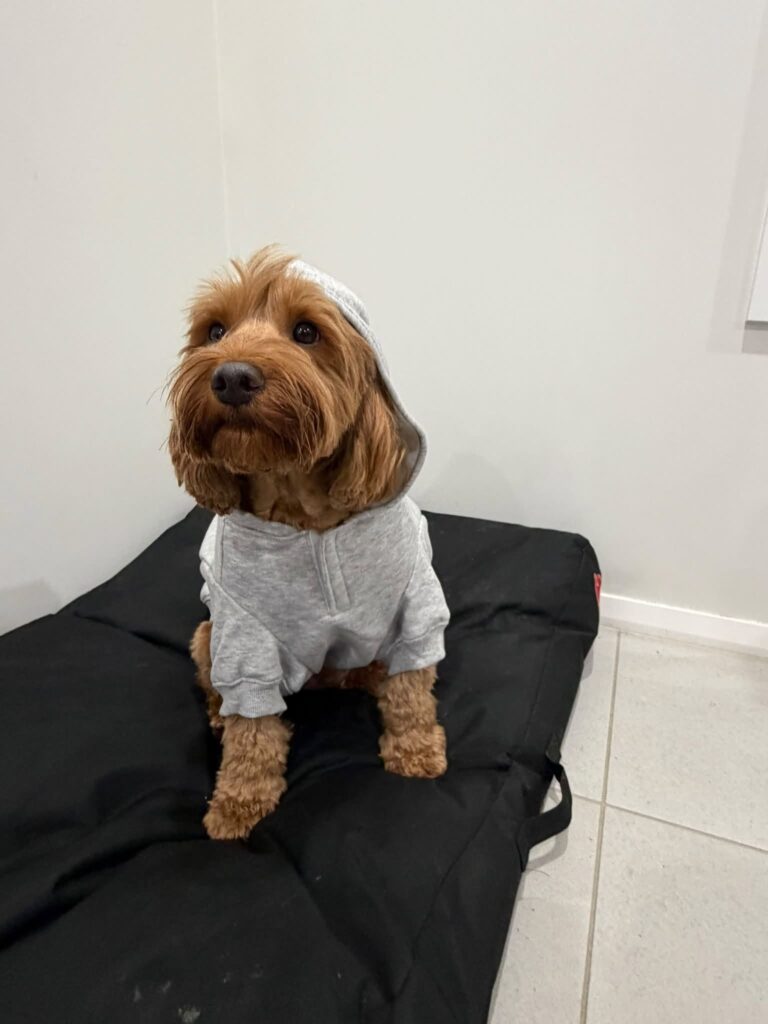
The Quick Owner Check
- Species
Never use a product on the wrong species. - Weight
Dose must match the animal’s weight and health situation. - Need
Ask whether prevention, treatment or environmental cleaning is actually needed. - Water
Be careful with bathing, swimming and product run-off advice. - Vet advice
Use a vet for persistent fleas, skin reactions or young, old or unwell pets.
What To Do Today
- Identify the pet
Check species, age, weight and health status. - Read the label
Follow the label exactly and never improvise. - Avoid mixing products
Do not layer sprays, spot-ons, tablets or shampoos without advice. - Treat the home properly
Flea problems often involve bedding and rooms, not just the animal. - Ask early
If fleas keep returning, ask a vet rather than repeating random products.
What Owners Often Get Wrong
The biggest mistake is using dog or cat products around rabbits, birds or small animals without checking safety. Some products can be dangerous to the wrong animal.
Another mistake is treating every itch as fleas. Skin problems can have many causes.
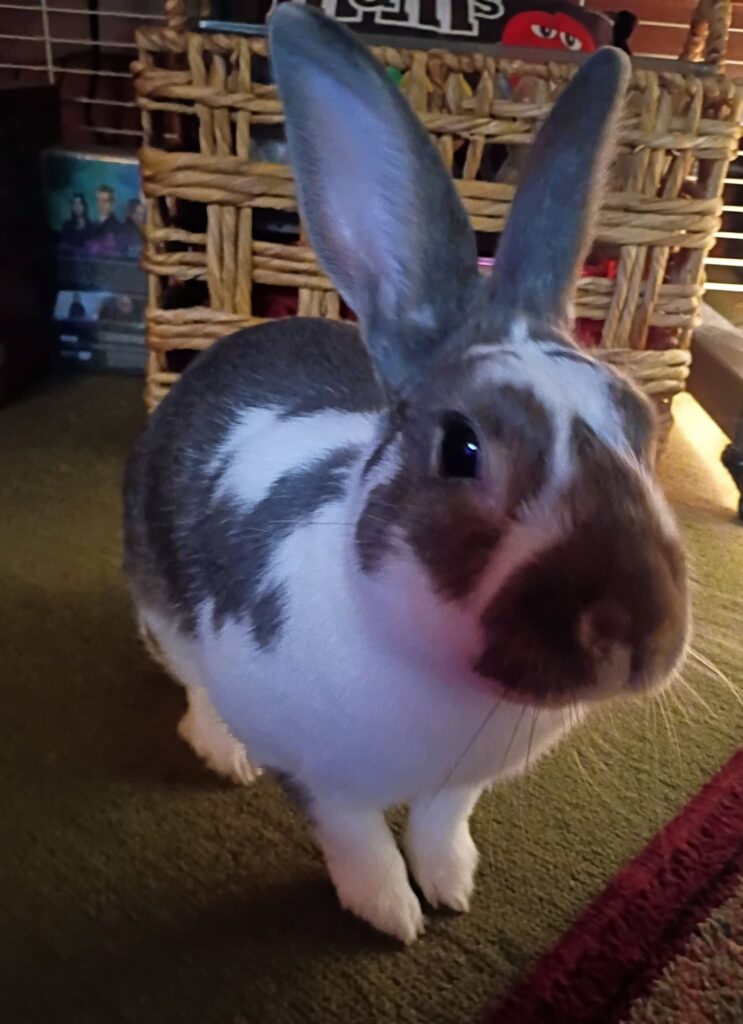
When This Becomes Urgent
If a pet reacts after treatment, shows tremors, drooling, vomiting, weakness, breathing problems or collapse, contact a vet urgently and keep the packaging.
If treatment has been put on the wrong animal, do not wait for symptoms before asking for help.
Neil’s Honest Advice
Neil’s practical advice is simple: do not buy parasite products like sweets from a shelf. Match the product to the animal and the problem.
For small pets and birds, always check before using sprays or chemicals near cages, bedding or food.
Unsure what is safe around cages?
Ask Paradise Pets Swindon before using sprays or treatments near birds, rabbits, guinea pigs or hamsters.