
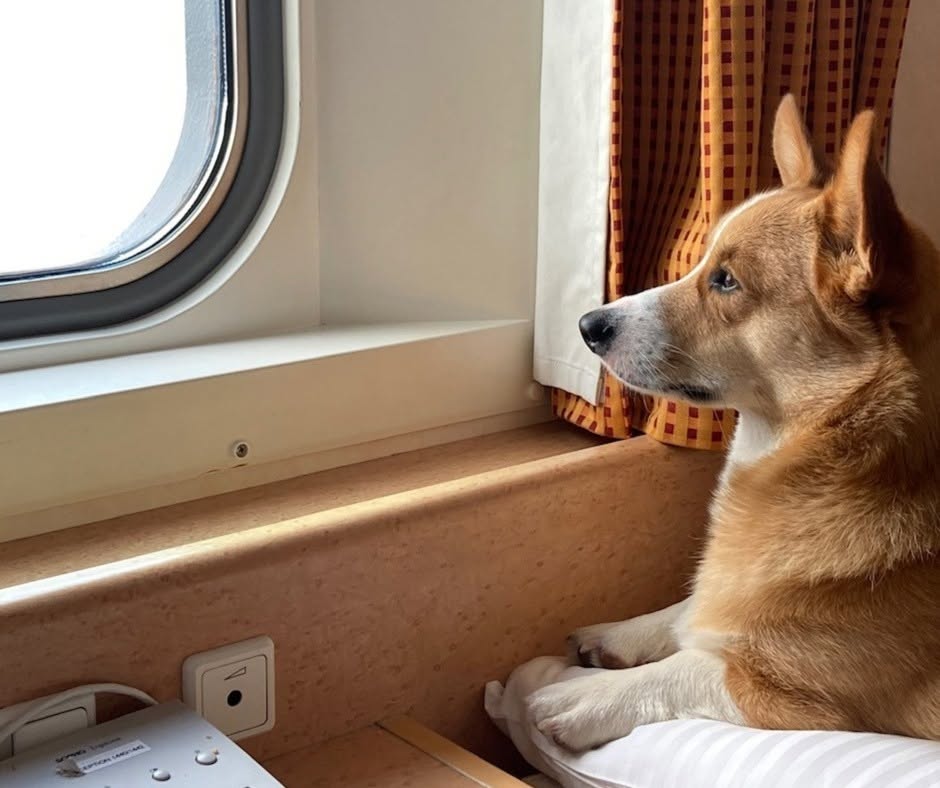

Summer ferry trips can sound simple, but pet access rules, car-deck restrictions and heat can turn a journey into a welfare problem.
A ferry journey is not the same as a car journey. On some trips, owners may not be able to return to the vehicle during the crossing. That matters if a pet is stressed, hot or without proper water access.
Before travel, owners need to ask exactly where the animal will be, who can access it, and what happens if the crossing is delayed.
Why This Is Getting Attention Now
RSPCA holiday advice warns owners to check ferry company policies because animals are not always allowed in passenger areas and access to cars may be restricted.
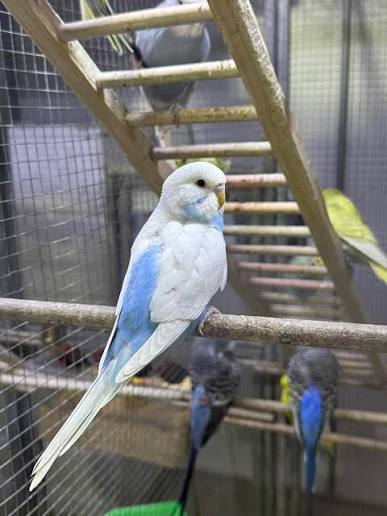
For small pets and birds, ferry travel is even more specialist. Noise, heat, vibration and unfamiliar movement can cause stress.
The Quick Owner Check
- Access
Can you check the pet during the crossing, or not? - Ventilation
Will the pet area stay ventilated and safe in warm weather? - Water
Can the pet access water without spilling everything? - Container
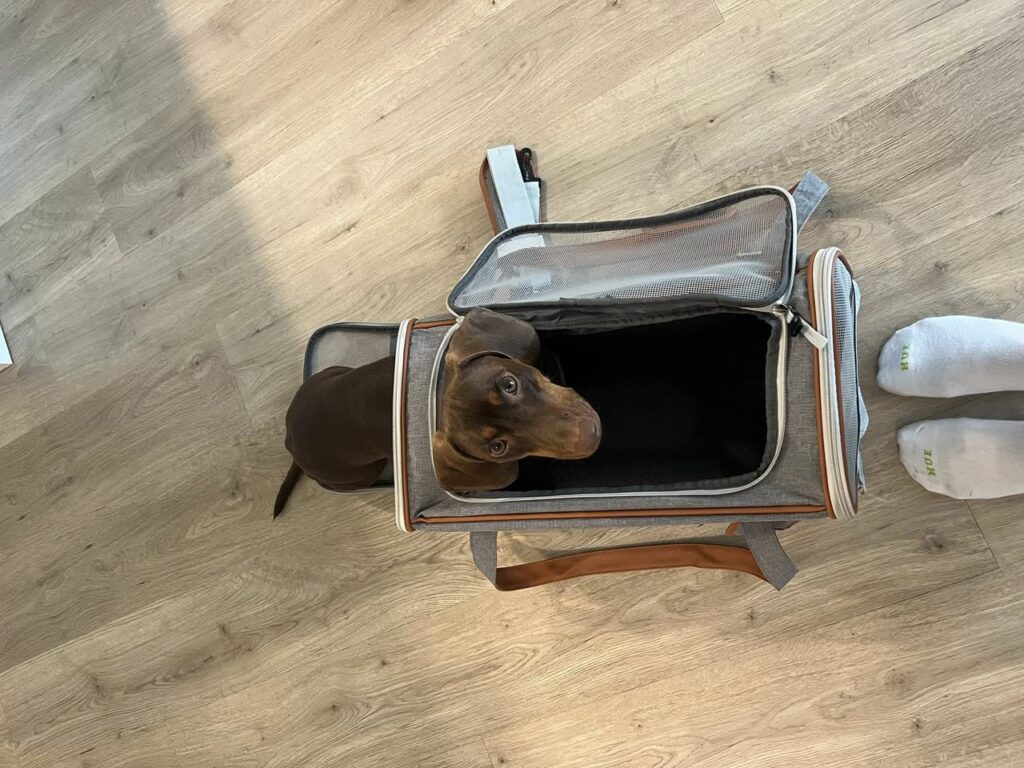
Is the carrier secure, shaded and suitable for the species? - Delay plan
What will you do if boarding or crossing is delayed?
What To Do Today
- Ask the ferry company
Confirm pet rules for your exact route and ticket type. - Speak to your vet
Ask whether the animal is fit to travel. - Avoid heat
Choose cooler travel times where possible. - Prepare the carrier
Let the pet get used to the carrier before the journey. - Pack essentials
Water, food, bedding, documents and cleaning items should be ready.
What Owners Often Get Wrong
The common mistake is assuming pets can sit with the family. Many travel providers have strict rules.
Another mistake is thinking a short crossing cannot go wrong. Delays, heat and stress can make a short journey feel long for an animal.
When This Becomes Urgent
If a pet overheats, collapses, vomits repeatedly, struggles to breathe or becomes severely distressed, seek veterinary help as soon as possible.
Never leave a pet in a warm enclosed vehicle or carrier without a safe plan.
Neil’s Honest Advice
Neil’s advice is to write down the journey from the animal’s point of view: leaving home, waiting, boarding, crossing, arriving and settling.
If any stage has no safe answer, fix that before booking.
Need a better travel carrier?
Paradise Pets Swindon can help with practical carriers, water options and bedding for safer short journeys.