

Neil has kept, bred, and sold cage and aviary birds at Paradise Pets Swindon since 1988 — over 35 years of first-hand experience with lovebirds, budgerigars, cockatiels, canaries, finches, and dozens of other species. Every summer he watches lovebird interest spike — and every autumn he watches some of those impulse purchases come back. This is his honest guide to lovebirds before you buy one.
Three separate customers asked about lovebirds in the same week last month. Two of them had seen them somewhere and been immediately captivated — the colours, the energy, the personality. One had seen a video online of a lovebird sitting on its owner’s shoulder looking utterly devoted. All three wanted one immediately.
I slowed each conversation down. Not because I do not like lovebirds — I have kept them for decades and I find them genuinely brilliant birds. But because lovebirds are one of the species I am most careful about when talking to potential new owners, precisely because they are so appealing in the shop and so demanding at home. The gap between what a lovebird looks like in the first week and what it is actually like to own one properly is wider than for almost any other small bird I sell.
Every summer, lovebird demand spikes. The colours are vivid. The birds are active. They look like the perfect summer pet. And every autumn, I hear from some of the owners who bought on enthusiasm rather than understanding — the birds that nip constantly, the birds that scream, the birds that have bonded so intensely to one person that they have become unmanageable for everyone else in the house.
This article is my honest assessment. Not a sales pitch — I sell lovebirds and I am happy to sell them to the right person. But not a deterrent either. A lovebird in the hands of someone who genuinely understands what they are getting into is one of the most rewarding small birds there is. The problem is the gap between the impulse and the understanding.
Let me close that gap.
What Makes Lovebirds So Appealing — And Why That Appeal Can Mislead
Let me start with the appeal, because it is real and it deserves to be acknowledged rather than dismissed.
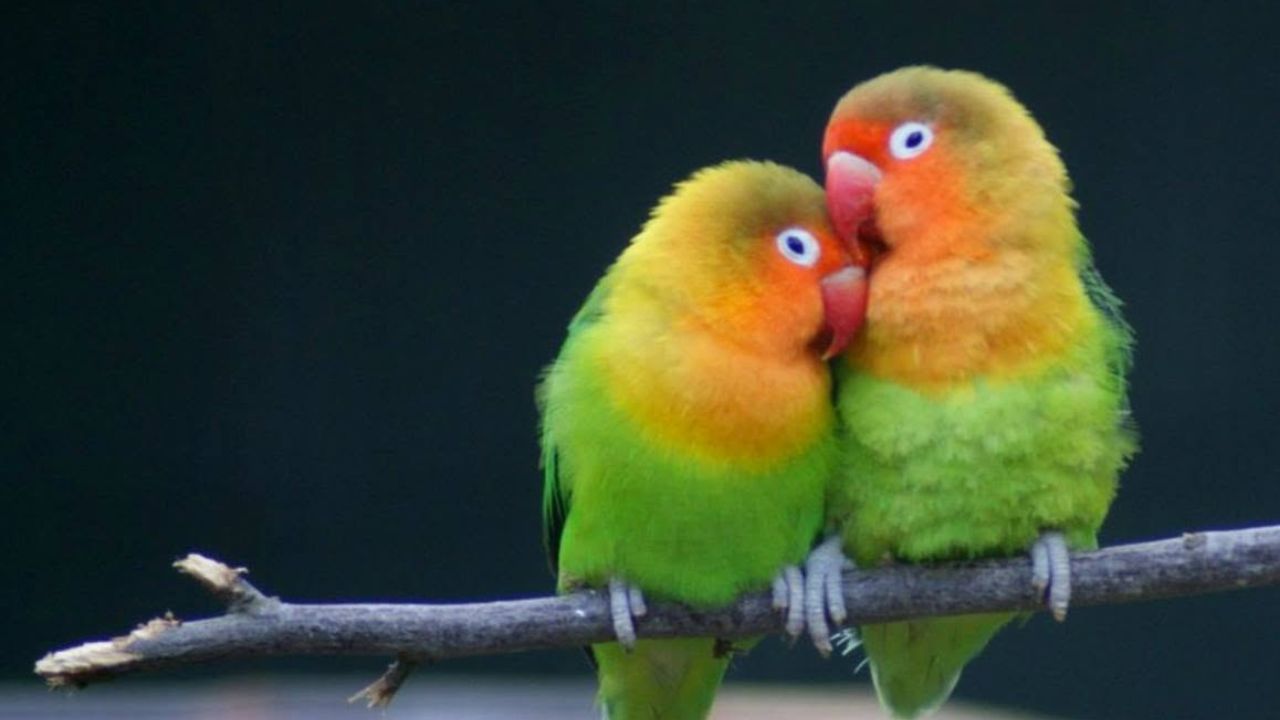
Lovebirds are small parrots — nine species in the genus Agapornis, with the peach-faced, Fischer’s, and masked being the most commonly kept in UK homes. They are genuinely stunning birds. The colour range across species and mutations is extraordinary — greens, yellows, blues, oranges, violets — and the vibrancy of a healthy lovebird in good condition is hard to match in the small bird world.
Beyond the looks, lovebirds have personality in abundance. They are bold, curious, opinionated, and surprisingly intelligent for their size. A well-socialised lovebird is genuinely interactive — it investigates everything, it is interested in what you are doing, it has preferences and dislikes and will make them clear. There is nothing passive about a lovebird. You know it is there.
And the name — lovebird — carries its own appeal. The romantic association, the idea of a bird that forms deep bonds, that is devoted and affectionate. Some of that is real. A well-bonded lovebird can be extraordinarily attached to its owner or its mate. The devotion is genuine.
What misleads people is that all of these qualities — the boldness, the personality, the intensity of attachment — are double-edged. The same traits that make a lovebird captivating also make it demanding. The boldness becomes nippiness when the bird is not handled correctly. The personality becomes stubbornness when the bird does not get what it wants. The intensity of attachment becomes jealousy and aggression when the bird feels its bond is threatened. The devotion becomes a management problem when the bird has bonded to one person and nobody else can go near it.
None of these outcomes are the bird’s fault. They are what happens when a bird with lovebird temperament meets an owner who was not prepared for lovebird temperament.
The Honest Truth About Lovebird Personalities
They Are Not Naturally Gentle Birds
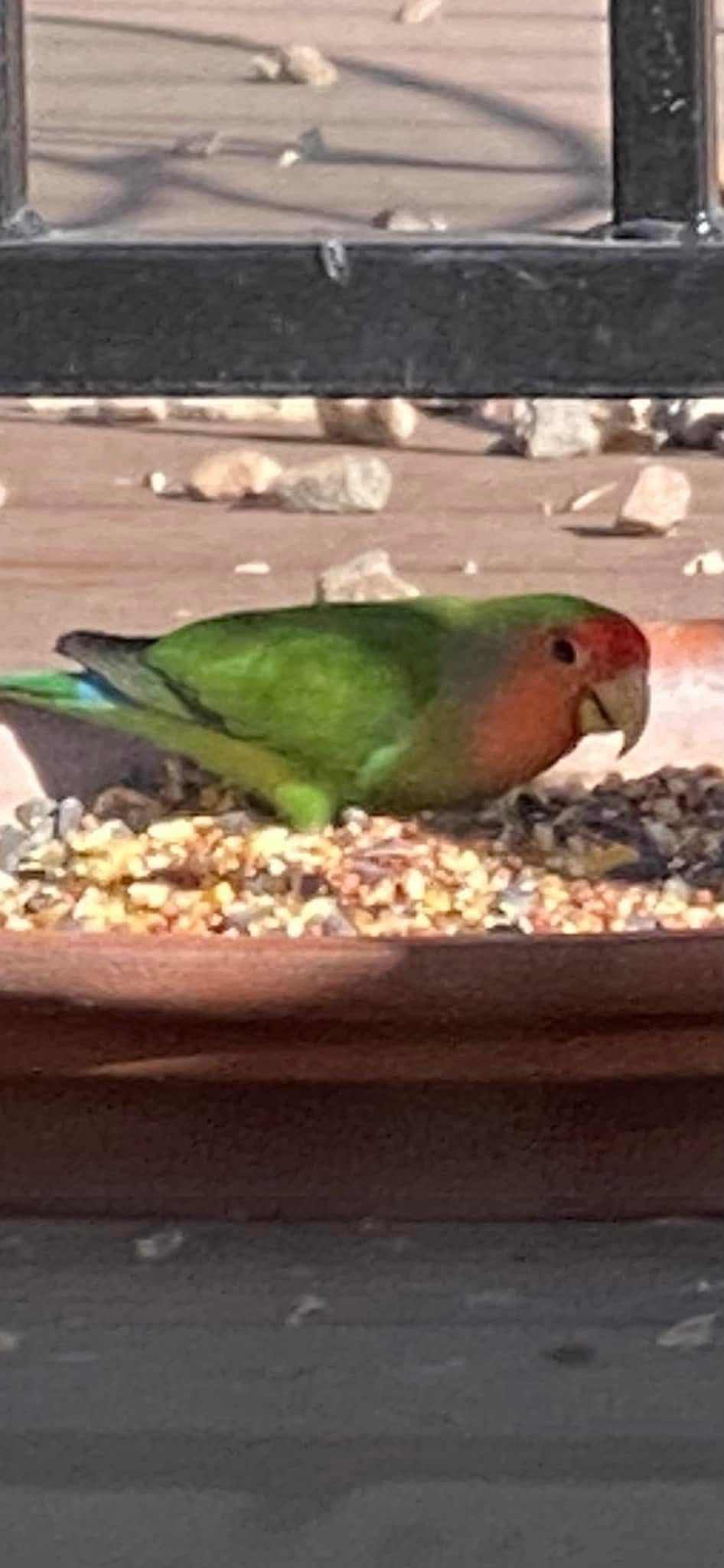
I will say this directly because it is the thing most commonly not said in the initial conversation at a pet shop. Lovebirds bite. More consistently and more hard than budgies, more readily than cockatiels. A poorly socialised lovebird, or a lovebird that has not been handled from a young age, can be a genuinely nippy bird that is not enjoyable to handle.
Even well-socialised lovebirds have moments. They are parrot-family birds, and parrot-family birds use their beak expressively. A lovebird that does not want to be picked up will tell you so with its beak. A lovebird that is overstimulated, hormonal, or defending its territory will escalate. The bite from a lovebird is not the light tap of a budgie. It is a proper pinch from a bird that means it.
I tell this to every potential lovebird buyer, not to put them off, but because a buyer who is not expecting to be bitten is going to have a very different experience from one who is. Handling a lovebird requires confidence and consistency from the start. Owners who flinch, who withdraw when the bird threatens to bite, who accommodate the nipping by putting the bird down — they create a bird that has learned biting works, and that is not a bird that is easy to live with.

They Are Loud
Lovebirds are not quiet birds. They have a high-pitched call that they use frequently and enthusiastically, particularly in the morning, at feeding time, when they want attention, and when they object to something. In a flat with thin walls, a lovebird is not a neighbourly choice. In a house where someone works from home, the morning and evening calling is something to think about before rather than after the purchase.
I am not saying lovebirds are the loudest bird available — cockatiels produce a more sustained and penetrating call, and larger parrots are in a different category entirely. But lovebirds are loud relative to budgies and canaries, and the call has a specific quality that some people find charming and others find grating. There is no way to know which category you fall into without hearing it — and I am happy to demonstrate in the shop before anyone commits.
They Need Significantly More Time And Attention Than Most New Owners Expect
This is the mismatch I see most often. A couple buy a lovebird thinking they are buying a small, largely self-sufficient companion that will be happy in its cage and pleased to see them in the evenings. What they get is a bird that requires daily interaction, mental stimulation, time out of the cage, and consistent handling to remain sociable and well-adjusted.
A lovebird that does not receive adequate attention does not quietly accept the situation. It becomes bored, frustrated, and sometimes destructive. It may develop feather-plucking or other stress behaviours. It may become louder in its calling for attention. It may become nippy because nipping is the only way it has found to produce a response.
The daily time requirement for a lovebird kept singly is real and not trivial. If your lifestyle includes long working hours, frequent travel, or other commitments that make daily quality time with a bird difficult — either reconsider the lovebird or reconsider keeping one as a single bird. Pairs of lovebirds are a different conversation, which I will come to.
They Are Territorial And Can Be Aggressive — Particularly During Breeding Season
Lovebirds are naturally territorial. They defend their nesting space aggressively in the wild, and this territorial instinct does not disappear in a cage. A lovebird that has established its cage as its territory may bite hands that enter it without warning. A pair of lovebirds during breeding condition can be genuinely aggressive — toward each other if compatibility is off, toward the owner, and toward other birds.
Hormonal cycles in lovebirds can be intense. Female lovebirds particularly can go through hormonal phases that make them difficult to handle — they shred paper and soft materials compulsively, become aggressive with the nest or potential nesting sites, and can be genuinely unpredictable in their behaviour. This is normal biology, not a problem with the individual bird — but owners who are not expecting it can find it alarming.
The One In Pairs Question — What Most Buyers Get Wrong
The most common question I get about lovebirds is “do I need to keep them in pairs?” It deserves a careful answer, because the conventional wisdom on this is more complicated than most sources suggest.
The name “lovebird” implies that these birds must be kept in pairs or they will pine and suffer. This is not accurate — and acting on it uncritically can produce the outcome you were trying to avoid.
A single lovebird, kept alone but given adequate daily interaction with its human owner, can thrive and become a deeply bonded, interactive, engaging companion. Many of the most well-known lovebird success stories involve single birds. The lovebird bonds intensely — and if the bond is with a human rather than another bird, that can be a wonderful relationship. The requirement is that the human genuinely provides what a bird mate would provide — daily contact, interaction, attention.
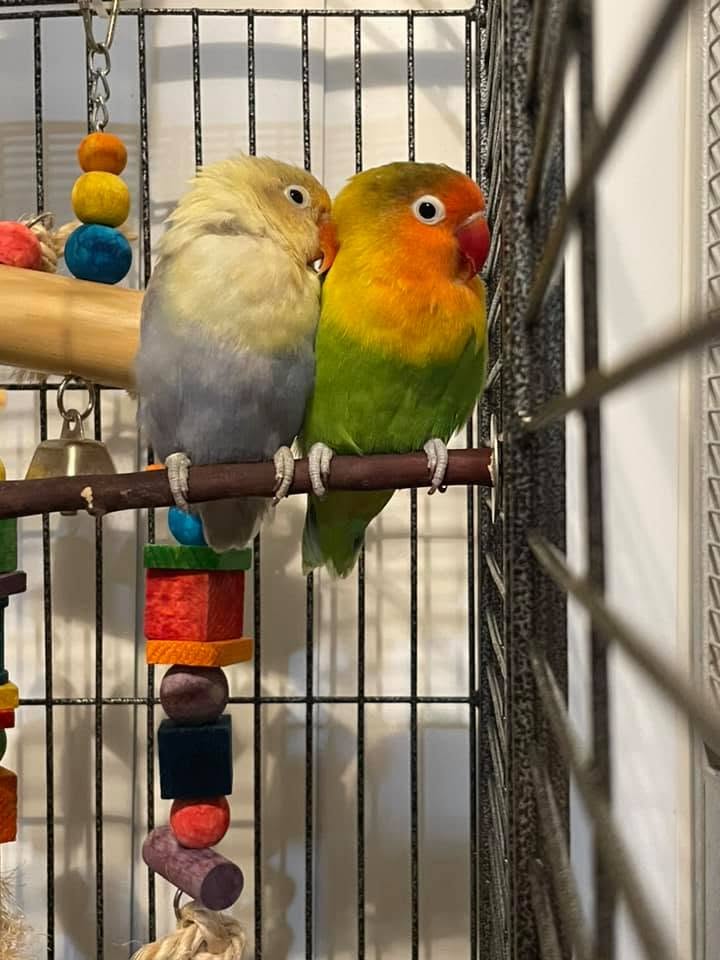
A pair of lovebirds is a different proposition. A bonded pair is generally lower-maintenance in terms of human interaction — they entertain each other, groom each other, and are mutually satisfying company in a way that reduces the bird’s dependence on owner-provided stimulation. If you work long hours, if your lifestyle does not permit daily quality time with a bird, a pair is arguably the more responsible choice.
However — and this matters — a pair of lovebirds that are truly bonded will almost always bond more to each other than to their human owners. If you want a lovebird that seeks you out, that sits on your shoulder, that is devoted to you specifically — a bonded pair is not going to give you that in the same way. They have each other.
And pairs produce young. Readily. A compatible pair of lovebirds that has access to a nest box will breed, and the cycle of nesting, chick-rearing, and then breeding again can be relentless and hormonally demanding. You need a plan for the chicks, and you need to manage the nesting carefully to prevent the female from exhausting herself through repeated clutches.
My honest recommendation: if you are committed to daily interaction and want a bird that will bond strongly to you, get one lovebird. If your lifestyle is busier and you want lovebirds that are content in each other’s company with less owner intervention, get a compatible pair and commit to managing the nesting dimension.
Who Lovebirds Are Actually Right For
After all of that, let me be equally direct about who lovebirds are genuinely brilliant for — because they are genuinely brilliant for the right person, and I do not want this to read as a discouragement.
- Someone with previous small parrot experience. Not necessarily lovebirds specifically, but someone who has kept budgies or cockatiels and has moved past the initial learning curve of small bird keeping. The person who knows what to do when a bird bites, who can read body language, who is consistent in handling, and who is not going to be put off by a learning period — that person is equipped for a lovebird in a way that a first-time bird owner often is not.
- Someone with genuine daily time to give. Not someone who hopes to find the time or intends to make time. Someone who can honestly say, right now, that they have an hour each day to spend with a bird — including time out of the cage, handling, enrichment, and interaction. Not seven days a week, necessarily, but most days. That hour is not optional for a singly-kept lovebird.
- Someone who is not going to be deterred by biting during the bonding period. The first weeks with a lovebird, particularly an unhandled or poorly handled bird, can involve biting. The owner who understands this, who responds with calm consistency rather than flinching or withdrawing, who does not take it personally — that owner will get through the bonding period to the rewarding relationship on the other side.
- Someone who genuinely enjoys a bold, opinionated, characterful bird. Lovebirds are not calm. They are not peaceful. They are active, energetic, vocal, and utterly themselves. If you want a bird you can observe contentedly from across the room, a canary or finch may be more what you are looking for. If you want a bird that is actively engaging with you and with its world — a lovebird is extraordinary.
- Someone in a home that can accommodate the noise. A house rather than a flat, or a flat where the walls are genuinely thick and neighbours genuinely tolerant. The calling, particularly in the morning, is part of the lovebird package. It cannot be trained away. It can be managed — by covering the cage to delay the morning start, by positioning the cage away from shared walls — but it cannot be eliminated.
Before You Buy — The Questions To Ask
If you are considering a lovebird this summer, here are the questions I ask at the counter before we go any further.
- Have you kept birds before? If not, I would recommend starting with a budgie. Not because a lovebird is impossible for a first-time owner, but because the learning curve is steeper and the consequences of getting it wrong are more difficult — for both the bird and the owner
- How many hours a day is the house occupied? If the house is empty for more than six hours most days and you are buying a single lovebird, that bird will be lonely. A pair is more appropriate
- Are there young children in the house? Lovebirds and young children require very careful management. A lovebird that bites an adult who has put it down incorrectly is one thing. A lovebird that bites a young child who has handled it incorrectly is a different situation, with different consequences
- Do you live in a flat or terraced house with close neighbours? Think seriously about the noise. I am happy to demonstrate the call level in the shop before you decide
- Are you buying one or two? If one, are you prepared for the daily interaction commitment that requires? If two, do you have a plan for nesting and chicks?
- What is your plan if the bird bites you during the first weeks? If the answer involves returning the bird or giving up, a lovebird is probably not right for you yet
- Are you prepared for a 10 to 15 year commitment? The summer impulse can feel very different in the fourth winter. Think forward
What A Well-Managed Lovebird Relationship Actually Looks Like
I want to end the main body of this article with the positive picture, because everything I have said above is in service of this outcome — not as a deterrent.
A well-sourced, young, hand-reared lovebird, in the hands of an experienced, patient, consistently interactive owner, is one of the most rewarding small bird experiences available. These birds are intelligent. They learn. They respond to you. They develop clear preferences and attach to the people they trust with a warmth that is genuinely moving.
A single lovebird that has been handled daily from young, that has learned to step onto a hand without biting, that sits on its owner’s shoulder and investigates whatever they are doing, that makes its morning calls as a greeting rather than a demand — that is a special animal. Not a performing pet. A companion.
The path to that outcome runs through everything I have described — the patience during the biting phase, the consistent daily interaction, the appropriate cage and environment, the proper diet, the enrichment that keeps an active bird mentally engaged. None of that is beyond a motivated owner. All of it requires having been honest with yourself about whether you are that owner before you bought the bird.

Quick Reference — Lovebird Ownership At A Glance
| Factor | Reality | Right For You If… |
|---|---|---|
| Personality | Bold, opinionated, active, demanding | You want an engaging, characterful bird |
| Biting | Common, harder than budgies, part of the package | You can handle it calmly and consistently |
| Noise | Loud, high-pitched, morning-heavy | House rather than flat, tolerant household |
| Time needed | Daily interaction essential for single bird | You genuinely have an hour most days |
| Experience needed | Some prior bird experience recommended | You have kept budgies or cockatiels before |
| Lifespan | 10–15 years | You are ready for a long-term commitment |
| Pairs vs single | Single bonds to owner; pairs bond to each other | Single if you want owner-bonding; pair if lifestyle is busier |
| Children | Requires very careful management | Older children, supervised handling only |
| Beginner? | Not ideal — better after budgie experience | Start with a budgie, revisit in a year |
Frequently Asked Questions
Are lovebirds good for beginners?
Honestly, not typically. The combination of biting, noise, and daily interaction requirement makes lovebirds more demanding than budgies or canaries, which are more forgiving of the mistakes first-time owners inevitably make. If you are set on a small parrot as your first bird, a single hand-reared budgie gives you the bonding experience with fewer of the management challenges. Come back to lovebirds once you have the basics. The bird you will have as a result of that experience will be a better relationship than the one you would have now.
Do lovebirds talk?
Rarely, and not well compared to budgies or larger parrots. Some individual lovebirds learn a few words or phrases, but it is the exception rather than the rule, and their vocalisation is primarily calling rather than mimicry. If talking ability is important to your choice, a budgie is a better bet. If personality, energy, and interaction are what you want — lovebirds have those in abundance.
How big a cage does a lovebird need?
Larger than most people assume, and especially wide rather than tall — lovebirds are horizontal flyers who need room to move across the cage. A minimum of 60cm wide for a single bird, with bar spacing no greater than 1.5cm. Bigger is always better. Enrichment within the cage — climbing opportunities, foraging toys, safe chewing materials — is important for a bird this active and intelligent.
Can a lovebird be kept with other birds?
Generally not advisable, particularly with smaller birds. Lovebirds can be aggressive toward birds they perceive as competitors, and their bites can seriously injure smaller species like budgies. Lovebirds are best kept alone or in compatible pairs of the same species. Do not mix lovebirds with budgies, finches, or canaries in the same cage.
How do I tame a lovebird that bites?
With patience, consistency, and the right approach. The short version: work on step-up training with confidence and without withdrawal when the bird threatens. Do not punish biting — that creates anxiety. Do not reward biting by retreating — that teaches the bird it works. Build trust through regular, calm, brief interactions. Let the bird set some of the pace in early sessions. It takes weeks to months, not days. Done correctly, it works. I can talk you through the detail in the shop.
Where can I get honest bird advice in Swindon?
Come and see us at Paradise Pets, Manor Garden Centre, Cheney Manor, Swindon SN2 2QJ. Or give us a ring on 01793 512400. We stock lovebirds and we are happy to show you what we have — but we will talk through the above before we let you buy one impulsively. The advice is free and we have been giving it for 35 years.
One Last Thing From Me
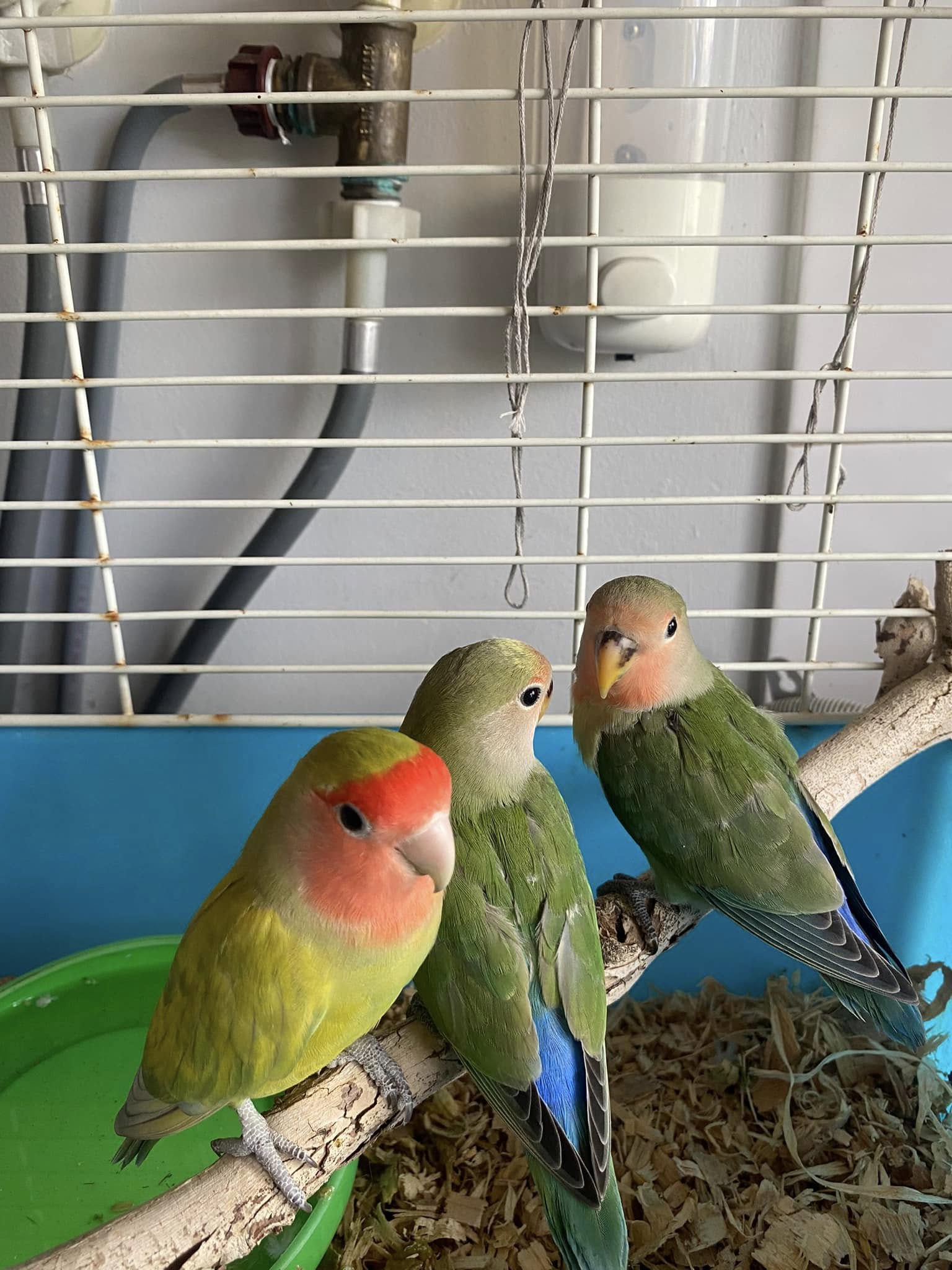
Of the three customers who came in asking about lovebirds last month, one bought a lovebird. She had kept cockatiels for four years, worked from home, lived in a house, and had been thinking about lovebirds specifically for six months. She asked all the right questions, including several I had not thought to raise. She went away with a young, hand-reared peach-faced lovebird and I fully expect her to come back in a few months to tell me it is one of the best decisions she made.
The second customer went away with a budgie. He had never kept birds before, lived in a first-floor flat, and worked office hours. A lovebird was the wrong choice for right now. A budgie will build his experience, his confidence with handling, and his understanding of bird keeping — and in two or three years, if he still wants a lovebird, he will be the owner that bird deserves.
The third customer is still thinking. She comes in occasionally to look at the birds and ask questions. I like that. Taking time to be sure is exactly the right approach with an animal that will be in your life for fifteen years.
Lovebirds are selling out this summer. That is not a reason to buy one. Your circumstances, your experience, your genuine daily availability for a demanding bird — those are the reasons to buy one. Get those right and a lovebird is a genuinely wonderful thing. Get them wrong and neither you nor the bird will be happy.
Come and see us if you want to talk it through. That conversation is free, it is honest, and it is what we have been doing since 1988.
Thinking About A Lovebird? Come And Talk It Through First
I will show you what we have, let you hear the noise level, answer every question honestly — including telling you if I think a lovebird is not right for you right now. No pressure, free advice. That is how we have done things for 35 years.