
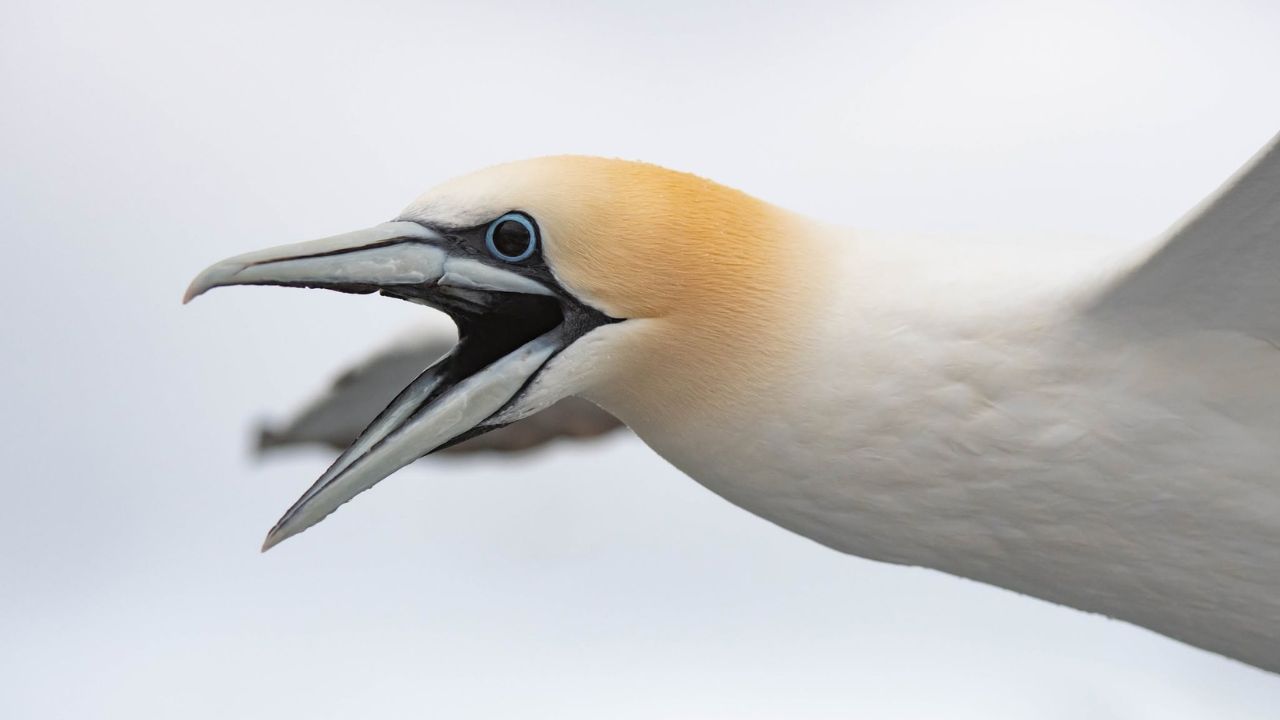

Neil has been keeping, breeding, and selling birds at Paradise Pets Swindon since 1988 — over 35 years of daily experience with cage birds and the people who keep them. A study published this week in the journal Biological Conservation, led by the RSPB and Aarhus University, has confirmed that gannet colonies at Bass Rock in Scotland and Grassholm in Wales will not recover from the 2022 bird flu outbreak until 2041 at the earliest. This is his honest response to that finding — what the numbers actually mean, why it matters to anyone who keeps a bird indoors, and what the pet bird biosecurity risk most UK owners are still ignoring.
The number that stopped me when I read this study was not 2041. It was 47 percent.
In the eleven years before 2022, the normal annual mortality rate for adult gannets at Grassholm — the great gannet colony off the Pembrokeshire coast — was eleven percent. Eleven percent of adult birds dying in a year is, in a long-lived seabird species, what a stable population looks like. Losses replaced by new recruits, numbers broadly holding, a colony functioning as it had for decades.
In 2022, the year HPAI H5N1 swept through Grassholm, that mortality rate rose to 47 percent. Nearly half the adult birds in the colony died in a single season. At Bass Rock in Scotland, the mortality rate went from six percent to 33 percent. One in three adult gannets on one of the most important seabird colonies in the world, dead in a year.
The study, published this week in Biological Conservation and led by Jude Lane of the RSPB alongside researchers from Aarhus University, is the first to provide what the researchers describe as robust estimates of adult survival during and after the 2022 outbreak. It confirms a 26 percent decline in the size of Bass Rock’s colony and a 38 percent decline at Grassholm. It models the recovery trajectory and concludes that the colonies will not return to the population size they would have reached by 2041 — and that 2041 is the best-case scenario, not the certain one. Recovery could take longer if further outbreaks occur.
The authors are recommending that the northern gannet’s conservation status on the IUCN Red List be revised. It is currently listed as Least Concern. A single disease outbreak has put that designation in serious question.
This is the context. Now for the part that connects directly to anyone reading this who keeps a bird indoors.
What The Study Actually Found — The Numbers In Full
Because the specific numbers in this study matter both to understanding the scale of what has happened to these colonies and to understanding the virus that caused it, I want to set them out clearly rather than summarising past them.
- Bass Rock, Scotland — normal pre-outbreak mortality: 6 percent per year averaged over eleven years; mortality during the 2022 HPAI outbreak: 33 percent; colony size decline by 2023: 26 percent; Bass Rock is, after St Kilda, one of the two largest gannet colonies in the world
- Grassholm, Wales — normal pre-outbreak mortality: 11 percent per year; mortality during the 2022 HPAI outbreak: 47 percent; colony size decline: 38 percent; Grassholm holds approximately ten percent of the entire British and Irish gannet population
- The recovery timeline — population modelling suggests neither colony will return to the size it would have reached by 2041, nineteen years after the outbreak; the authors explicitly state this is a best-case projection and that recovery could take longer
- Why recovery takes so long — gannets are long-lived birds that do not breed until they are five to seven years old and typically raise only one chick per year; the loss of adult breeding birds, who are the engine of population recovery in seabird colonies, cannot be compensated by young birds quickly; the demographic mathematics of a slow-reproducing, long-lived species mean that rebuilding takes decades
- The IUCN recommendation — the study authors are recommending the northern gannet’s global conservation status be revised from Least Concern; the fact that a single disease outbreak can produce this scale of documented demographic impact suggests that the species is more vulnerable than its current status reflects
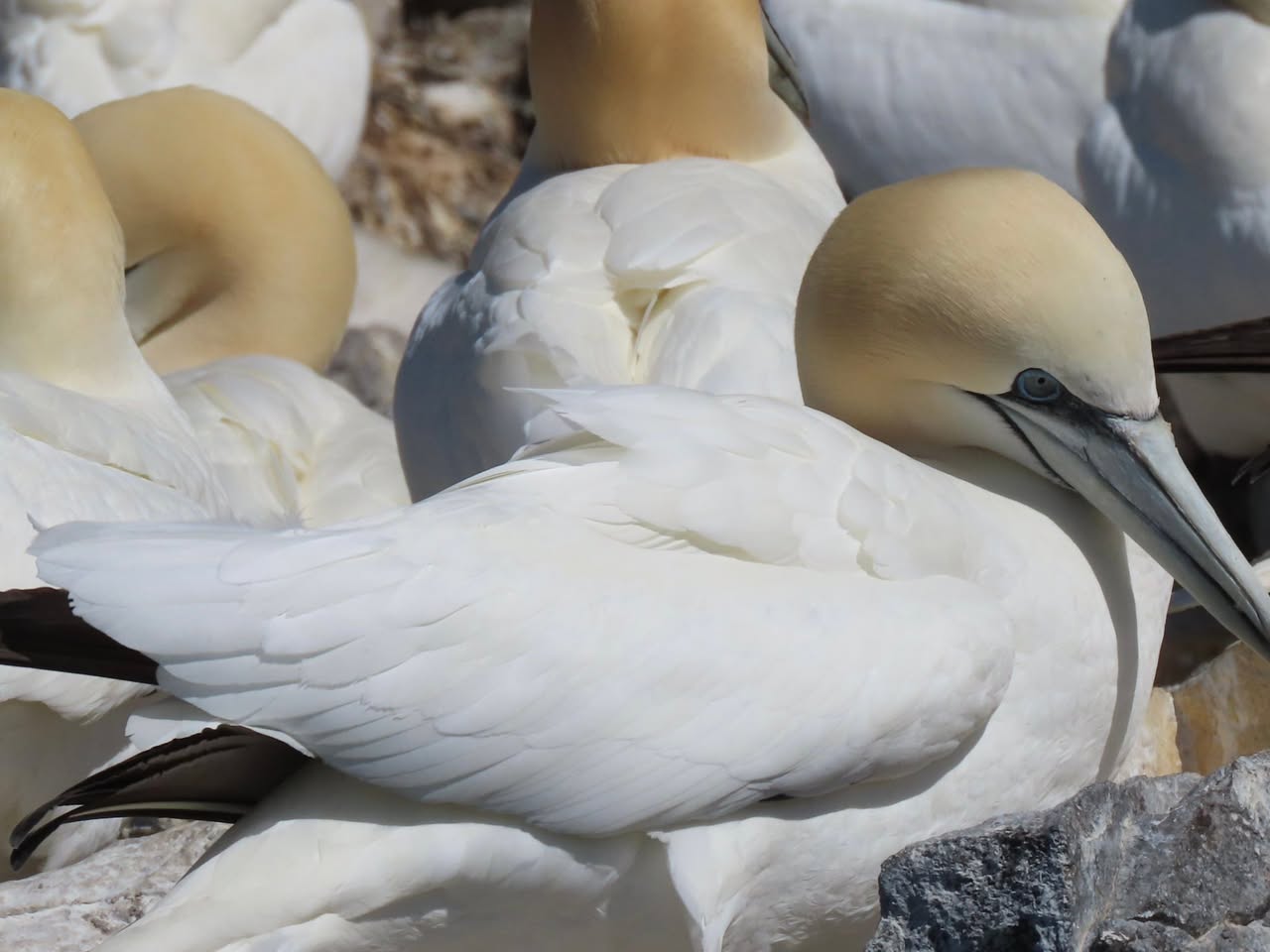
The Virus Itself — What HPAI H5N1 Actually Is And How It Moves
The specific virus that devastated these colonies — Highly Pathogenic Avian Influenza H5N1, referred to as HPAI throughout the study — is not a new virus in the sense of being recently discovered. H5N1 was first identified in poultry in Asia in 1996. What changed, and what explains the extraordinary scale of what happened to UK seabird colonies from 2021 onwards, is that a variant of the virus underwent genetic changes that made it significantly more capable of infecting and killing wild bird species that had previously shown greater resistance.
- HPAI H5N1 is highly contagious between birds — it spreads through direct contact with infected birds, through contact with their droppings and secretions, and through environmental contamination; in a dense seabird colony, the conditions for rapid spread once a single bird is infected are essentially optimal
- The current variant circulating in Europe has caused documented outbreaks in an exceptionally wide range of species — twenty-one of Britain’s twenty-five regularly breeding seabird species have now tested positive; the virus is not selective in the way previous strains were
- H5N1 was first confirmed in gannets at Bass Rock on June 4, 2022, and at Grassholm the following month — both dates are documented in the study; within weeks of the first confirmed case at each site, the mortality spike that the study quantifies had begun
- The virus is now considered endemic in the European wild bird population — meaning it is not an event that happened and ended; it is a persistent presence in the ecological system, capable of producing further outbreak events in future seasons
- The study’s lead author notes explicitly that we cannot prevent diseases like bird flu — what we can do is monitor, understand the impacts, and mitigate the additional pressures that reduce the resilience of affected populations; the call is for sustained investment in long-term monitoring, not for a solution that does not exist
The Indoor Pet Bird Risk That Most UK Owners Are Still Ignoring
This is the section I most want UK bird owners to read, because it is the one most directly relevant to the bird in their home — and the one where the gap between awareness and action is, in my experience, largest.
The question I hear most often, when HPAI H5N1 comes up in the context of pet birds, is some version of: “But my bird lives indoors — it’s not in contact with wild birds, so it’s not at risk.” This assumption is understandable. It is also incomplete in ways that matter practically.
- The virus can be carried indoors on footwear and clothing — HPAI H5N1 is shed in the droppings of infected wild birds; any surface, soil, or grass contaminated with infected droppings can carry the virus on the soles of shoes or the hems of clothing; an owner who has walked through an area with wild bird activity and then entered the room where the cage is has created a potential transmission route without any direct bird-to-bird contact occurring
- The virus can enter through open windows and doors on mosquitoes and other biting insects — insect vectors are a documented transmission route for HPAI in birds; a mosquito that has fed on an infected bird can carry the virus; in warm weather when windows are regularly open, this route is not theoretical
- Contaminated wild bird droppings on surfaces visited by humans — garden furniture, car roofs, doorsteps, children’s outdoor toys — provide contact points that can transfer viable virus to hands and then to cage environments; thorough handwashing before handling cage birds or their equipment is a meaningful practical precaution
- Second-hand cage equipment, wild-caught items, and unverified food sources — wild bird food bought from unverified sources, feathers or natural items introduced as cage enrichment, second-hand cage furnishings that have been in outdoor environments; these are all potential introduction routes for pathogens
- Outdoor aviaries, of course, carry significantly higher risk — any setup where cage birds have exposure to wild bird droppings falling through mesh, wild birds landing on the aviary structure, or insect access during warm months is a materially higher-risk environment than a securely indoor cage
What Good Biosecurity For Indoor Pet Birds Actually Looks Like
Biosecurity sounds like a term from intensive poultry farming. In the context of pet birds, it simply means thinking carefully about how pathogens could reach your bird and closing those routes as far as reasonably possible without making the bird’s life — or yours — unreasonably restricted.
- Change or remove outdoor footwear before entering the room where cage birds are kept — this is the single most practical biosecurity measure available to most pet bird owners; it addresses the most common route by which outdoor contamination reaches indoor environments
- Wash hands thoroughly before handling cage birds, their food, or their equipment — particularly after contact with outdoor environments, garden activity, or wild birds; this is basic hygiene applied with awareness of the specific risk
- Use fly screens on windows in rooms where cage birds are kept during warm months — this addresses the insect vector route without restricting ventilation; purpose-made insect mesh window screens are widely available and inexpensive
- Do not introduce wild-caught items into cage environments — feathers found outdoors, wild seed heads, untreated branches from areas with significant wild bird activity; the enrichment value of these items does not outweigh the contamination risk during a period when HPAI is circulating in wild bird populations
- Source food and equipment from reputable commercial suppliers — not from informal sources, online marketplaces of uncertain provenance, or wild-harvested materials during the period of active HPAI circulation in wild bird populations
- Know how to report dead wild birds — DEFRA’s dead wild bird reporting service (GOV.UK) is the appropriate route for reporting dead wild birds, particularly any dead seabirds or birds that appear to have died suddenly; this reporting contributes to the surveillance that the study’s authors identify as essential for tracking the virus
- For outdoor aviary owners, the precautions are more extensive — fine mesh that prevents wild bird access and droppings falling through, roofed sections that prevent contamination from above, and periods of increased vigilance during active HPAI outbreak periods in the local wild bird population; the specific precautions for outdoor birds go beyond this article but should be discussed with an avian vet
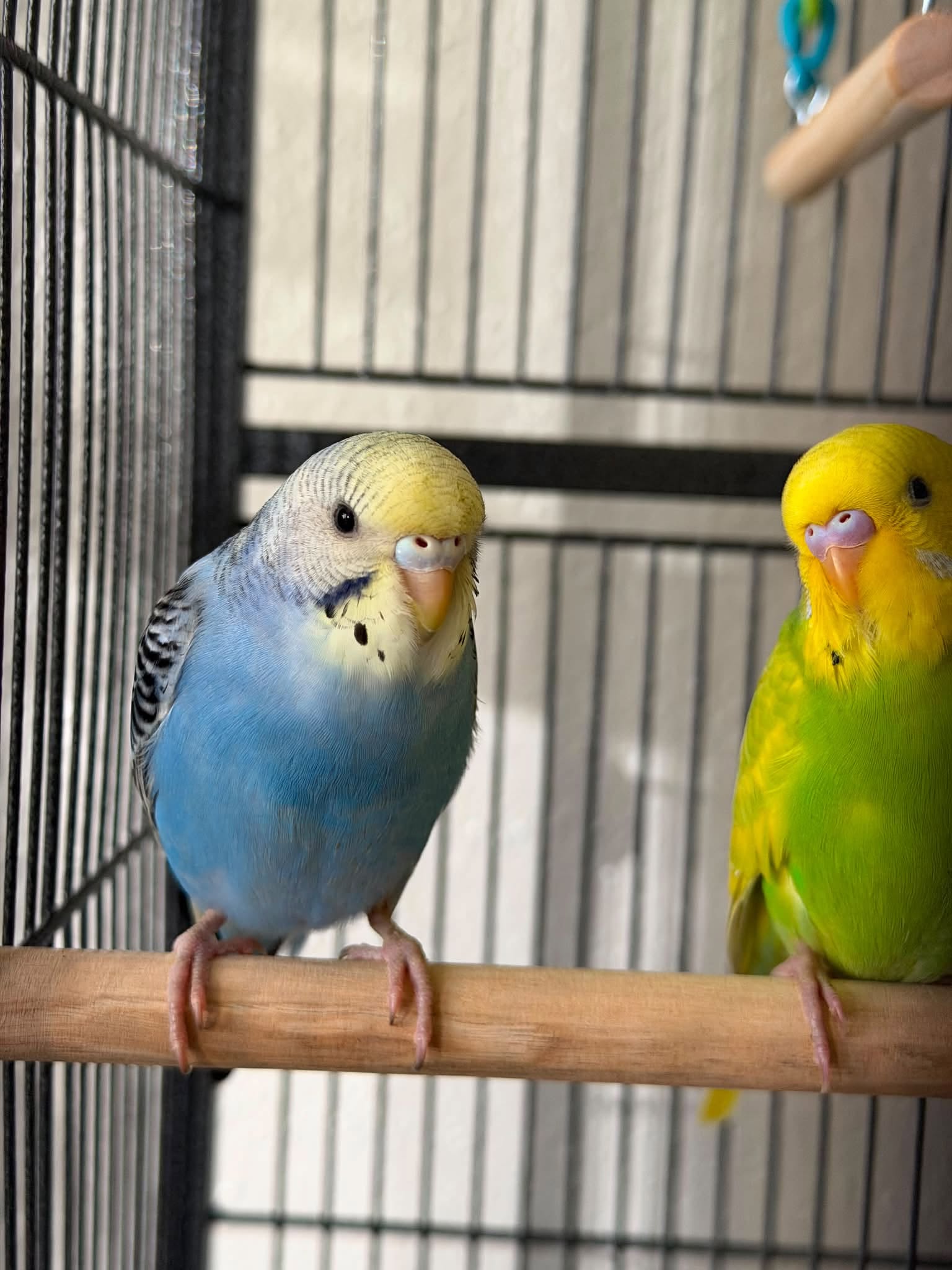
What Symptoms To Watch For And When To Act
- Sudden rapid deterioration in a bird that appeared well — HPAI in susceptible species can progress from apparently normal to critical very quickly; rapid onset illness in a bird with no previous health concerns is always worth urgent professional assessment
- Neurological signs — head tilting, loss of coordination, seizure-like activity, inability to perch or walk normally; these can indicate central nervous system involvement which has been documented in HPAI cases in some species
- Respiratory distress alongside sudden significant lethargy — open-beak breathing at rest combined with sudden extreme weakness; contact an avian vet the same day without delay
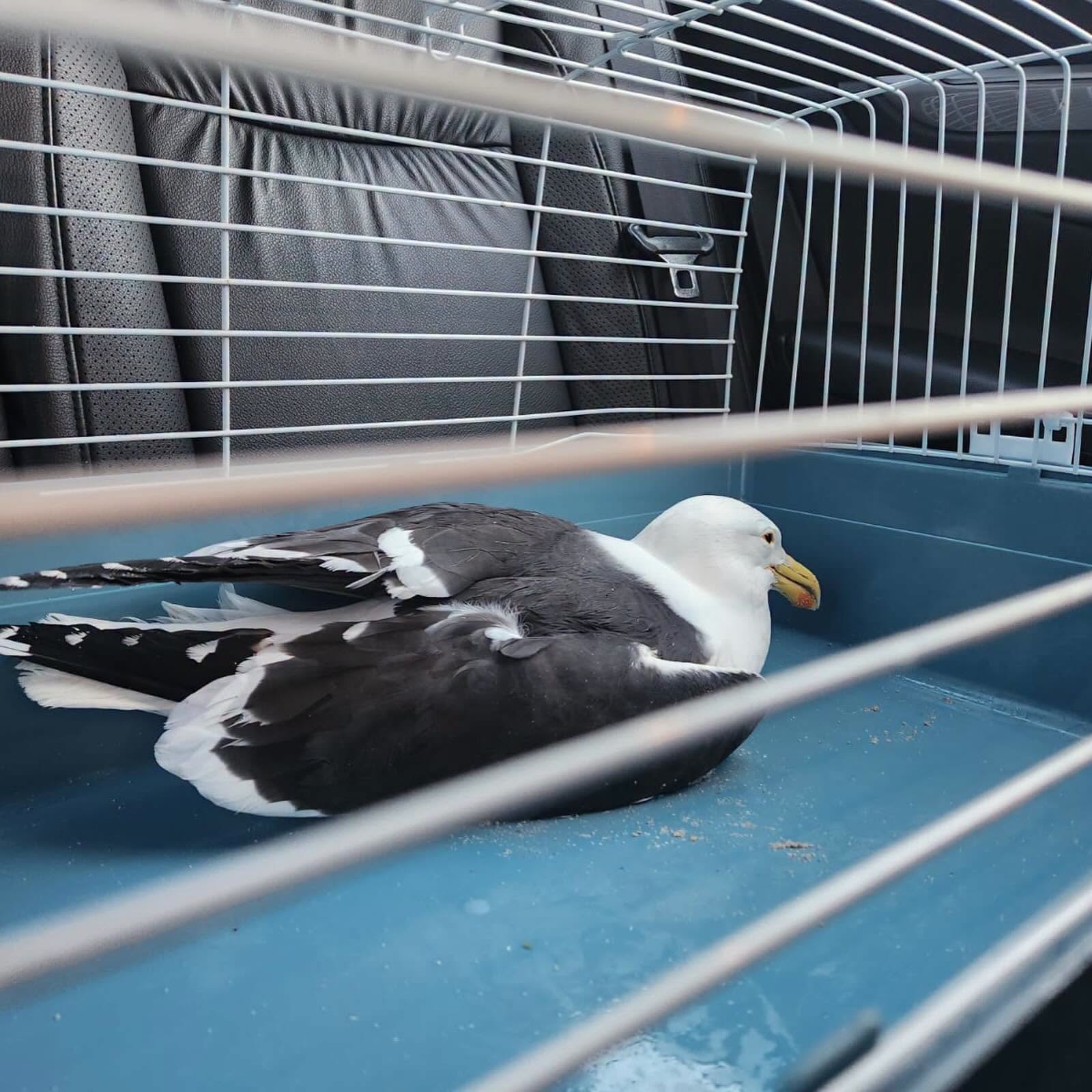
- Any dead wild birds found near the property — particularly seabirds, gulls, or birds of prey — should be reported through GOV.UK rather than handled; do not bring dead wild birds into the home for any reason
- If you have had any contact with dead or sick wild birds and your cage bird subsequently shows signs of illness, tell the vet immediately — this information affects how they handle and test the bird
The Broader Picture — Why This Study Matters Beyond Gannets
The gannet study is specific to two colonies. But the broader conclusions it draws — about the long-term demographic impact of HPAI on slow-reproducing long-lived seabird species, about the inadequacy of the current IUCN conservation status framework for accounting for epidemic disease events, and about the need for sustained long-term monitoring — apply well beyond gannets.
- Twenty-one of twenty-five UK regularly breeding seabird species have tested HPAI positive — the virus is not a gannet-specific problem; it is a seabird-wide issue, and the populations of multiple species will be carrying the demographic consequences of 2022 and subsequent outbreak seasons for years to come
- The study is the first to provide what it describes as robust adult survival estimates during and after a major HPAI outbreak — before this, the scale of adult mortality during the 2022 outbreak could be broadly described but not precisely quantified; the rigour of this study is what makes its conclusions admissible as evidence for conservation status revision and for conservation funding arguments
- The authors’ call for sustained long-term monitoring is not a generic ask — it is a specific argument that the data needed to understand these events, and to detect future ones early enough to respond, requires continuous investment in monitoring capacity; this is the kind of investment that conservation membership and public funding support
- The IUCN recommendation has policy consequences — if the northern gannet’s status is revised upward on the Red List, it changes the legal and policy framework within which the species and its habitats are considered; this matters for planning decisions, fisheries management, and offshore development approvals in areas the gannet depends on
Frequently Asked Questions
Is HPAI H5N1 still circulating in UK wild bird populations?
Yes. The virus is now considered endemic in the European wild bird population, meaning it is a persistent presence rather than an outbreak that occurred and ended. Monitoring through DEFRA and wildlife surveillance organisations continues. Seasonal outbreak events, of variable severity, are expected to continue occurring. The 2022 event was the most severe documented to date, but it did not represent the end of the virus’s circulation in wild bird populations.
Can HPAI H5N1 infect pet parrots, budgies, or cockatiels?
HPAI H5N1 has been documented in a very wide range of bird species including domestic poultry. The specific susceptibility of parrot family species to the current circulating strain is less extensively documented than for waterfowl and seabirds, which appear to be among the most heavily affected. The prudent approach for any bird keeper is to implement reasonable biosecurity measures rather than to rely on assumed species resistance; the range of species the current variant has affected is considerably broader than previous strains.
Should I stop letting my birds have outdoor aviary time because of HPAI?
The risk from outdoor exposure during periods when HPAI is known to be circulating in the local wild bird population is genuinely higher than indoor risk. For outdoor aviaries, mesh that prevents wild bird entry and wild bird droppings falling through, roofed sections, and avoidance of wild bird feeding near the aviary structure all reduce risk. Whether to restrict outdoor time entirely during outbreak periods is a question best answered by an avian vet with knowledge of local conditions; the decision should be informed by current DEFRA and APHA guidance, which is updated as outbreak patterns develop.
What should I do if I find a dead wild bird near my home?
Report it through the GOV.UK dead wild bird reporting service. Do not handle the bird with bare hands. Do not bring it into the home. If you must move it for safety reasons, use gloves and a plastic bag and double-bag it for disposal as general waste. If the bird is a seabird, a bird of prey, or if you find multiple dead birds of any species in the same location, reporting is particularly important as this information feeds the surveillance system that monitors HPAI spread.
Where can I get advice about HPAI biosecurity for my pet birds in Swindon?
Come in to Paradise Pets at Manor Garden Centre, Cheney Manor Industrial Estate, Swindon SN2 2QJ — or call us on 01793 512400. I can talk through practical biosecurity for your specific setup and advise on what changes are realistic. For medical questions about your specific bird’s risk or symptoms, an avian vet is the right source. Free general advice, no obligation. That is how we have done things here for 35 years.
One Last Thing From Me
I have kept birds for thirty-five years. I have spent those years telling owners that the relationship between wild bird populations and the birds in their homes is more connected than most people assume. The gannet study published this week is the sharpest illustration I have seen in that time of what a single pathogen event can do to a population of birds that had no evolved defence against it — and how long the consequences run.
Nineteen years. That is how long it will take Bass Rock and Grassholm to return to where they were, at best. Nineteen years of reduced colony size, reduced breeding output, reduced population resilience against whatever the next pressure is. Because of a single outbreak season.
The virus that did that is still circulating. It is in the wild bird populations of every coastal region of the UK. The routes by which it could reach an indoor cage are specific and mostly closable. Most owners have not thought about them.
The precautions are not complicated. They are a change of footwear at the door, a thorough handwash before handling the bird, a fly screen on the window in summer. These are not burdensome things. They are the biosecurity equivalent of looking both ways before crossing the road — obvious once you understand the risk, entirely skippable if you have never been told it exists.
Now you have been told.
Questions About HPAI Risk Or Bird Biosecurity? Come In And Talk.
I can walk through the practical biosecurity measures for your specific setup and tell you honestly where the risks are and what is worth addressing. For your bird’s health specifically, an avian vet is the right call. Free general advice, no obligation. That is how we have done things here for 35 years.
⭐ Customer Reviews
Amazing Bird Selection
Had a lovley visit today,staff were very friendly and very helpful,such a great petshop,their selection of birds is incredible,really impressed,thank so much to the staff at Paradise Pets

Friendly Helpful Staff
I have been coming to this place for years and they have a great stock of food for all types of pets. Have a great selection of small mammals and a lot of birds. Staff are friendly and helpful.

Great Quality Hutch
Bought a guinea pigs hutch and run combo, very happy with the service, the hutch was put in my car for me without even asking for help. The wood quality is very good, the instructions easy to follow and we are extremely happy with the fully built hutch. A good size for 2 guinea pigs

Response from Paradise Pets | Wiltshire
Thank you Melanie Latus Nice to provide services to you.
Best Bird Shop Around
It’s the best pet shop in and around Swindon. They always have an amazing selection of birds and all you need to keep them happy. I keep birds myself and the guys there are happy to answer questions and really know their stuff. I have seen budgies etc. in chain pet shops in the area looking really unhealthy and ill – I wouldn’t go anywhere else than Paradise Pets for animals.

Highly Recommended Bird Shop
I could not praise this shop enough. Really helped my Grandson buy his first bird and he’s loving it. Travelled from Somerset and was welcomed with open arms.

Great Shop with Competitive Prices
Great shop with amazing selection for small animals, hamsters, mice ect, highly recommend!
Also has a great selection for dogs & cats too & very competitive prices! 💖

