


The avian influenza prevention zone was lifted in Great Britain in June 2026, but bird keepers are still advised to keep biosecurity habits in place.
A lifted zone can sound like the problem has disappeared. That is not the right way to read bird flu guidance. The rules may change, but hygiene and common sense still matter.
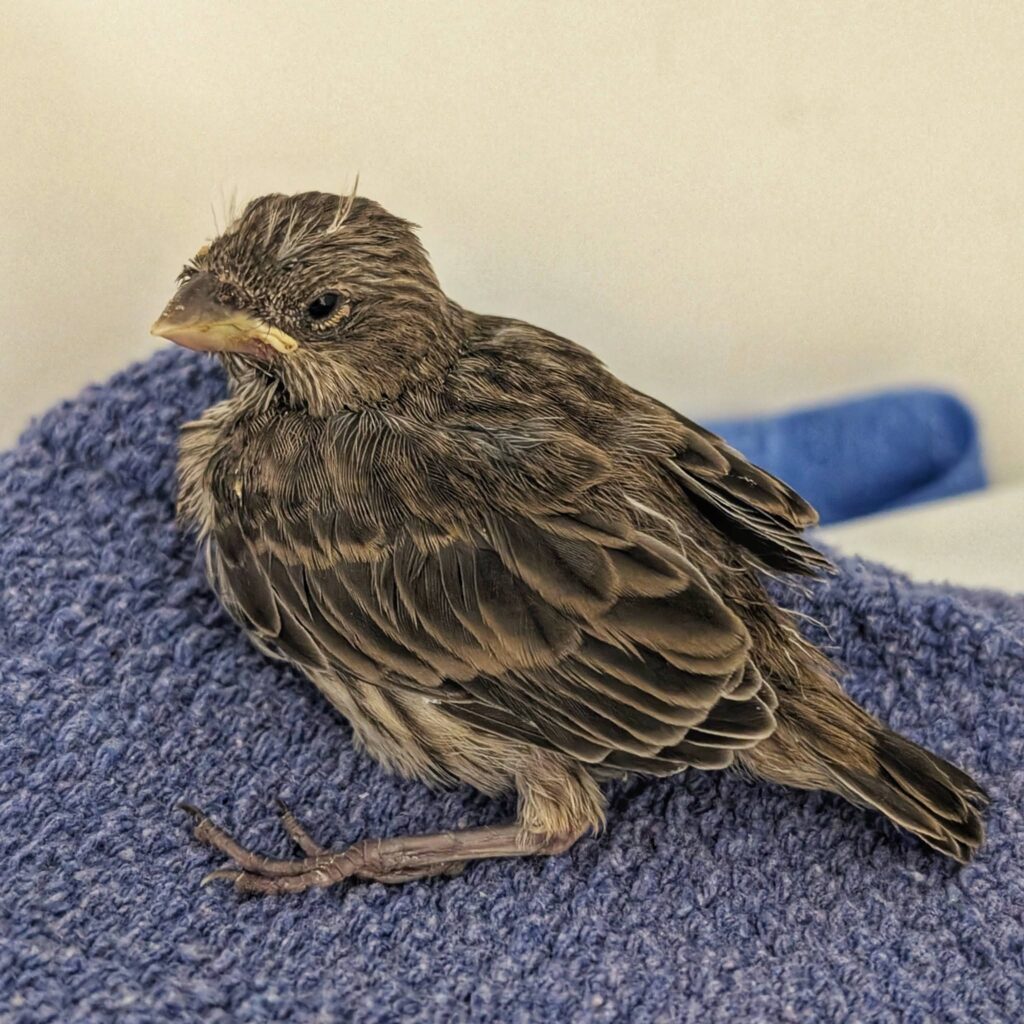
For pet bird owners, the everyday risk is usually indirect: wild bird droppings, dirty shoes, outdoor equipment, garden feeders and poor hygiene around cages.
Why This Is Getting Attention Now
GOV.UK and BVA updates say the prevention zone was lifted as risk reduced, while reminding bird keepers to continue steps that help stop spread.
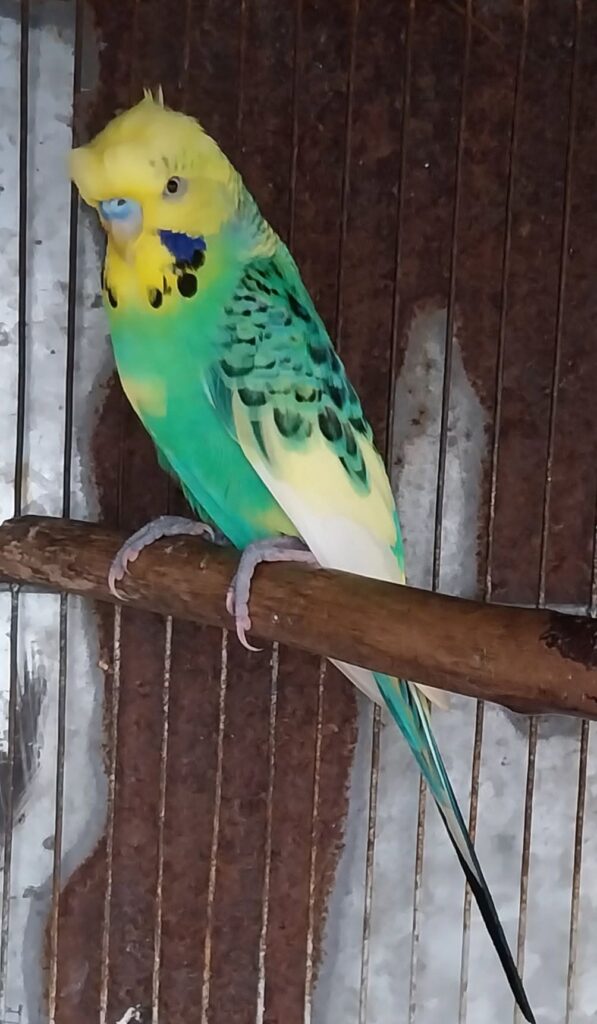
This matters for indoor birds too. Budgies, cockatiels and canaries may live inside, but their owners walk through outdoor spaces every day.
The Quick Owner Check
- Shoes
Avoid bringing outdoor muck near cage areas. - Hands
Wash hands before handling birds, food or water. - Feed storage
Keep seed covered and away from wild birds and rodents. - Garden feeders
Clean garden feeders and keep them separate from pet bird equipment. - Sick birds
Take sudden illness seriously and ask a vet.
What To Do Today
- Clean first
Wash hands before cage work. - Separate equipment
Do not share outdoor bird tools with pet bird tools. - Store food safely
Keep food sealed, dry and clean. - Watch wild birds
Do not touch sick or dead wild birds. - Check updates
Follow official guidance if local risk changes.
What Owners Often Get Wrong
The mistake is thinking indoor birds have no link to outdoor disease risk. Owners, shoes, hands, feeders and supplies can connect the two worlds.
Another mistake is relaxing cleaning routines when headlines calm down.
When This Becomes Urgent
If a bird becomes suddenly weak, stops eating, has breathing difficulty, neurological signs or unusual death in a group, contact a qualified vet and follow official disease guidance.
Do not handle sick or dead wild birds.
Neil’s Honest Advice
Neil’s advice is to keep biosecurity boring and consistent. Small habits done daily beat big cleaning sessions done once in a panic.
For pet birds, clean food, clean water and clean hands are basic welfare.
Need safer bird-care supplies?
Paradise Pets Swindon can help with covered food storage, cage hygiene basics and practical bird care advice.