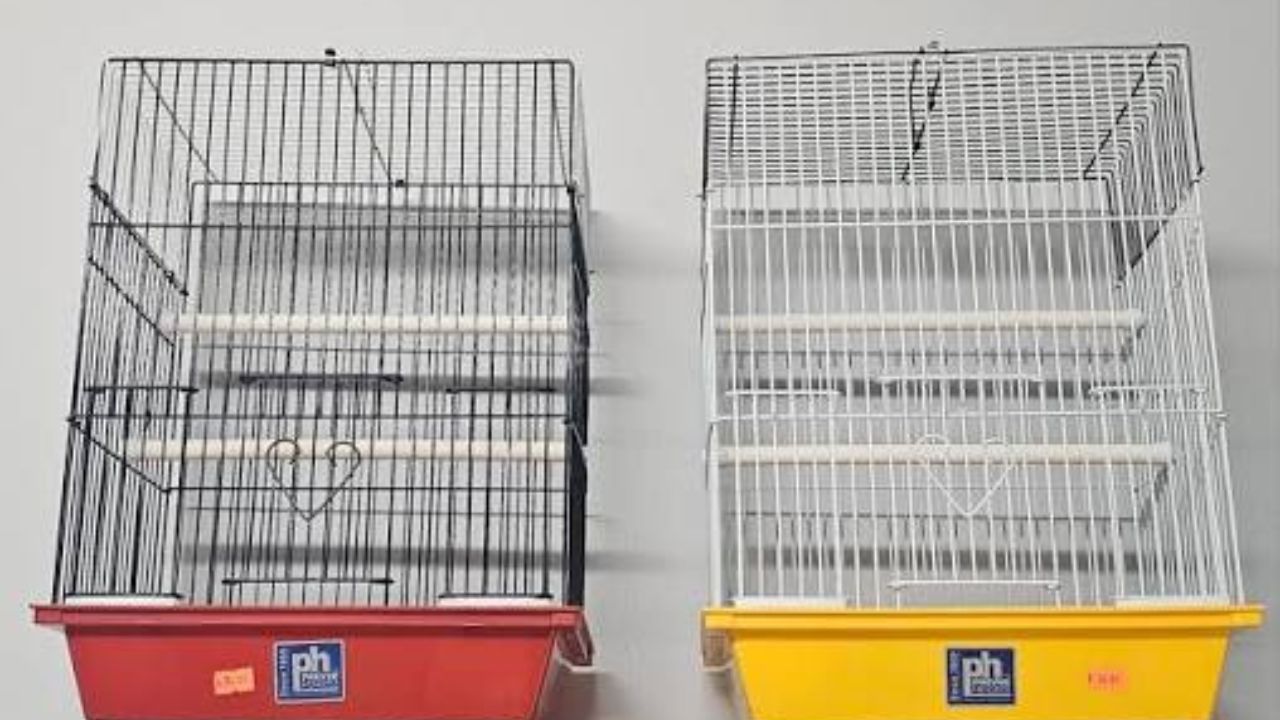

After a cheap cage mistake, many owners jump to the opposite idea: just buy the biggest cage possible. Bigger can be better, but only when it is also safe.
A bigger cage with poor bar spacing, risky shelves, bad doors, sharp joins, unstable platforms or awkward cleaning access can create new problems. Size matters, but it is not the only thing that matters.
Neil encourages owners to think about usable safe space. That means the animal can move naturally, the owner can maintain the setup, and the design does not create avoidable injury or escape risks.
Why This Matters
PDSA advises giving small pets as much space as possible, while still choosing a cage or enclosure that suits the pet’s needs. That balance is important.
A large enclosure should not mean the owner stops checking the details. In fact, the larger the setup, the more important it is to check doors, corners, ramps, shelves and where the pet will actually spend time.

The Quick Owner Check
- Check bar spacing
A larger cage can still have gaps that are wrong for the species. - Check fall risks
Tall shelves and ramps may not suit every small animal. - Check door strength
Large doors should close securely and not sag over time. - Check cleaning reach
A big cage that cannot be cleaned properly is not a welfare win. - Check safe zones
Pets still need hiding, sleeping and feeding areas, not just open space.
What To Do Before You Buy Or Move The Cage
- Match cage to species
Do not assume one large cage suits every small pet or bird. - Plan the layout
Place essentials before adding decorative accessories. - Test access points
Every door, latch and removable section should feel secure. - Think about daily care
You should be able to spot-clean, refill and observe the pet easily. - Ask about risk points
A knowledgeable shop should help you spot weak details before purchase.
The Mistake Neil Sees Most Often
The mistake Neil sees most often is upgrading for size but ignoring design. Owners feel they have solved the problem because the cage is physically larger.
Another mistake is filling a bigger cage until it becomes cluttered. More room should mean better movement, not just more accessories.
When To Get Help Quickly
If a pet is injured after a fall, trapped in bars, caught in a door, or showing pain or breathing changes, contact a qualified vet quickly.
For repeated escape attempts or stress behaviours, review the whole setup rather than adding one more toy and hoping it settles.
Neil’s Honest Advice
Neil’s advice is to buy the safest useful space, not the biggest empty box. Look at the animal’s route through the cage and the owner’s route through the cleaning routine.
When size, safety and maintenance work together, the cage is far more likely to be a long-term success.
Thinking about a cage upgrade?
Paradise Pets can help compare size, safety, doors, bar spacing, bedding depth and accessories before you upgrade.