

Updated 24 September 2026: clarified the complete guinea pig living-area and exercise-space guidance; the former cage-length-only recommendation was incomplete.
Neil has owned and run Paradise Pets Swindon since 1988 — over 35 years of selling, keeping, and advising on small animals and birds. In that time, he has sold more guinea pigs than he can count, and seen the same mistake made more times than he would like. This article is his attempt to make sure it happens a little less often.
There is one mistake that I see with guinea pigs more than any other. More than the wrong cage size. More than the wrong diet. More than anything else that people get wrong with small animals.
It is this: someone buys a single guinea pig.
One guinea pig. On its own. In a cage. Alone.
And I understand why it happens. One guinea pig is cheaper than two. One guinea pig seems simpler. One guinea pig takes up less space. And when you are standing in a pet shop and a small child is looking up at you with enormous eyes, the logic of buying one perfectly reasonable guinea pig and going home feels entirely sound.
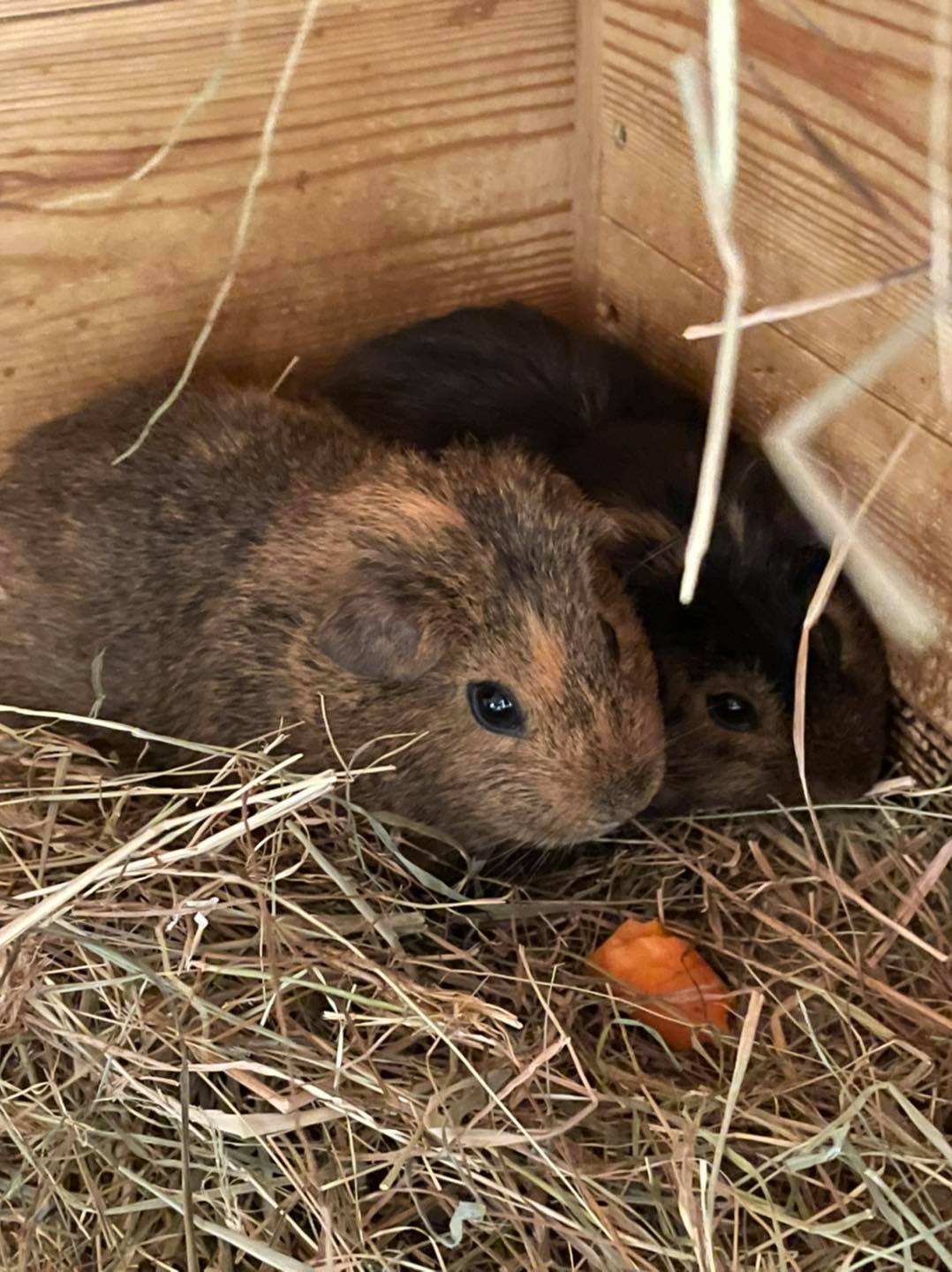
But guinea pigs are not solitary animals. They are not built for isolation. In the wild, they live in groups — constantly communicating, grooming each other, sleeping in contact with each other, alert to danger together. A guinea pig alone is not a guinea pig living a reduced life. It is a guinea pig in genuine distress.
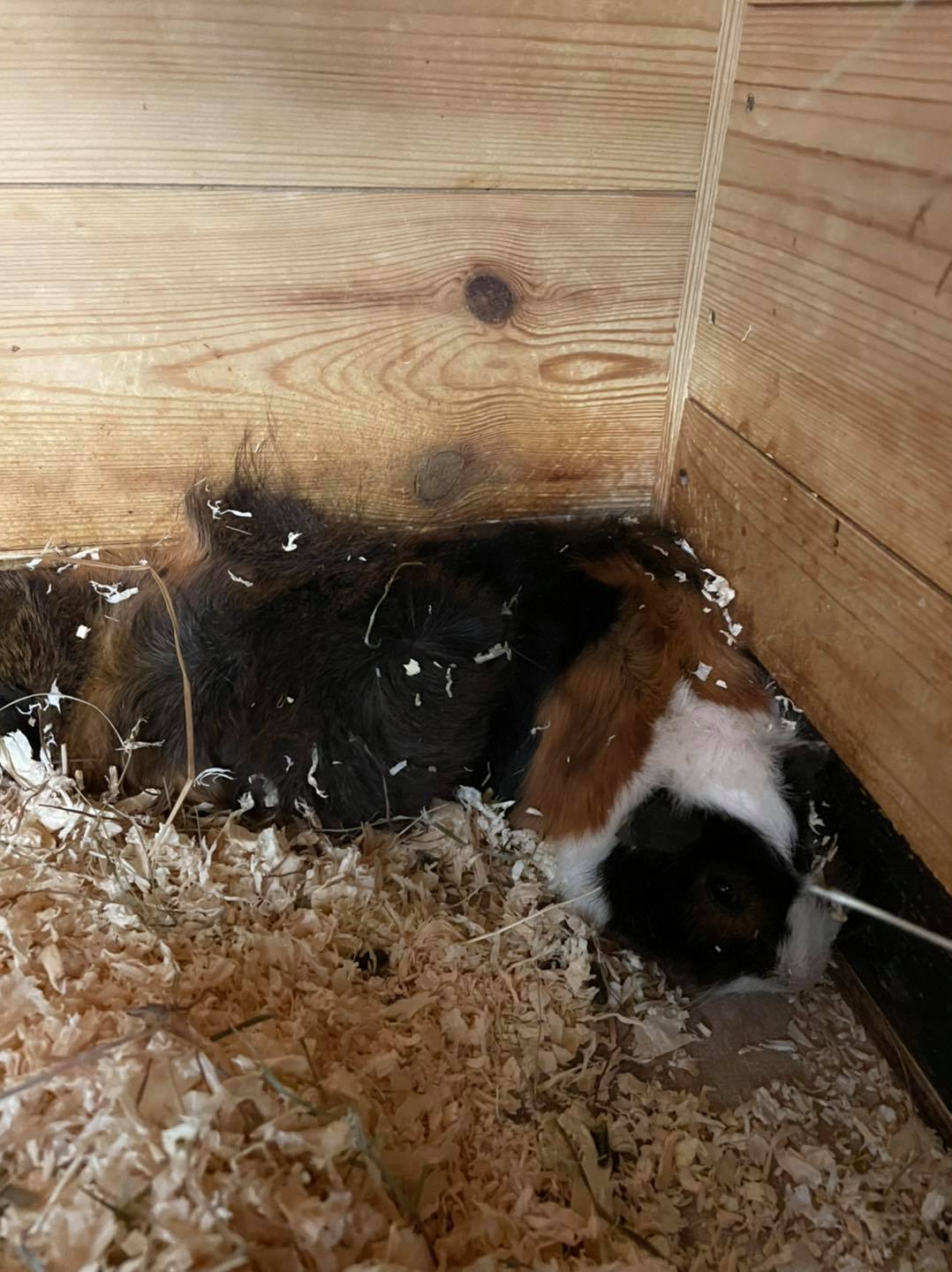
I have been selling guinea pigs since 1988. I have seen lone guinea pigs sitting motionless in corners of their cages, having stopped eating, having stopped making any sound at all. I have had owners come back in — confused, upset — saying their guinea pig seems depressed. And I have to explain what happened, and why, and that it did not have to be this way.
That is the mistake that breaks my heart. Because it is so entirely preventable.
Why Guinea Pigs Are Nothing Like People Think
Guinea pigs have a reputation as the simplest of small pets. Easy. Quiet. Undemanding. And in some ways, that reputation is not entirely wrong — they do not need walking, they do not scratch furniture, they are gentle with children, and they are not difficult to feed.
But the simplicity people imagine is not the reality. Guinea pigs have complex social needs, specific dietary requirements, and a lifespan that surprises most new owners. They are not difficult animals — but they are not low-effort animals either. And the families who thrive with them are the ones who understood that before they bought.
The lifespan is the one that catches people most off guard. Five to seven years is a meaningful commitment — longer than many families anticipate when they are standing in a shop with an excited child. A guinea pig bought for a six-year-old will still be alive, in theory, when that child is thirteen. In practice, the daily care usually becomes the parents’ responsibility long before then. That is worth being honest about before you buy.
The Vitamin C Problem Nobody Mentions at the Till
This is the piece of information that I think every guinea pig owner needs to hear before they leave the shop — and that, in my experience, is not always given.
Guinea pigs are one of the very few mammals that cannot produce their own Vitamin C. Humans cannot either, which is why we developed scurvy on long sea voyages without fresh fruit. Guinea pigs face the same problem — and they face it faster than we do.
A guinea pig without adequate Vitamin C in its diet will develop scurvy. It will become lethargic, lose weight, develop painful joints, and its coat will deteriorate. It can happen within weeks of a poor diet. And it is entirely, completely preventable — if you know about it.
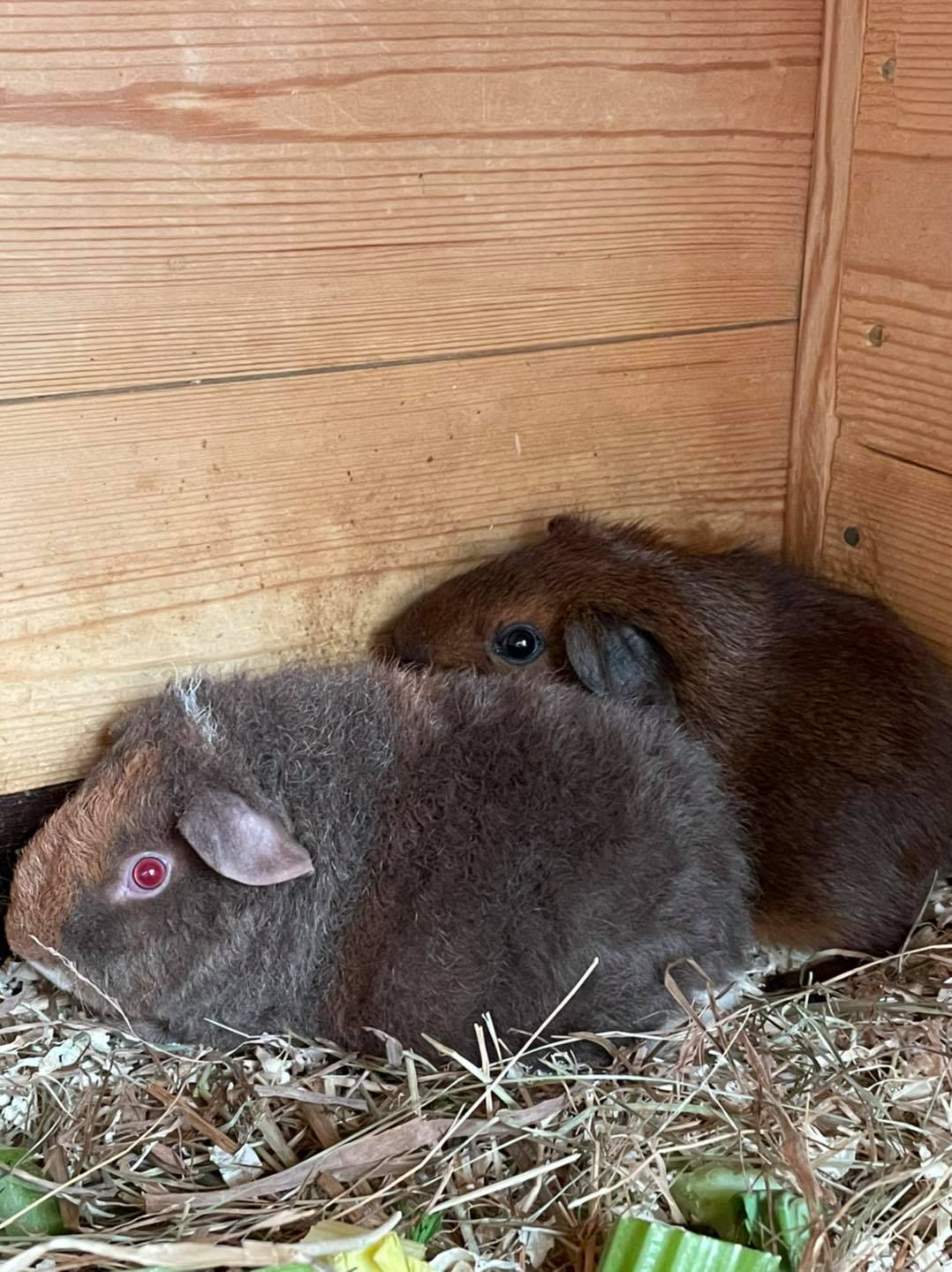
The solution is simple: fresh vegetables every single day. Leafy greens are the best source — romaine lettuce, kale, spinach in small amounts, fresh herbs like parsley and coriander. Bell peppers are particularly high in Vitamin C. A small piece of bell pepper daily is one of the easiest ways to keep a guinea pig’s Vitamin C levels where they need to be.
What does not work: leaving it entirely to dry pellets, even pellets that claim to contain Vitamin C. Vitamin C degrades rapidly once a bag of pellets is opened — within weeks, the Vitamin C content is significantly reduced regardless of what the packaging says. Fresh vegetables are non-negotiable.
What They Should Be Eating Every Day
The core of a guinea pig’s diet should be unlimited fresh hay — Timothy hay in particular. Hay keeps their digestive system moving and keeps their constantly-growing teeth worn down properly. A guinea pig without enough hay will develop dental problems that are expensive and painful. Alongside hay: a small amount of good quality pellets, and a daily portion of fresh vegetables. Water must be changed daily — guinea pigs contaminate their water quickly.
The Cage Situation — What Most People Buy vs What They Actually Need
The cages that are sold in most large chain pet shops for guinea pigs are, in the majority of cases, too small. They look fine on a shelf. They are often colourful and well-designed and marketed specifically for guinea pigs. But the floor space they provide is not enough for two guinea pigs — which, as I have explained, is the minimum number you should be keeping — to live a comfortable, active life.
Guinea pigs need floor space, not height. They do not climb. They run — short, rapid bursts, the excited sprinting that owners call “zoomies” — and they need enough length to do this. A single cage-length figure is not enough: the usable width, number of guinea pigs and access to exercise space all matter. A C&C cage (made from wire grids and coroplast) is one of the best options because it is large, inexpensive, and easy to clean — and many guinea pig owners build them themselves.
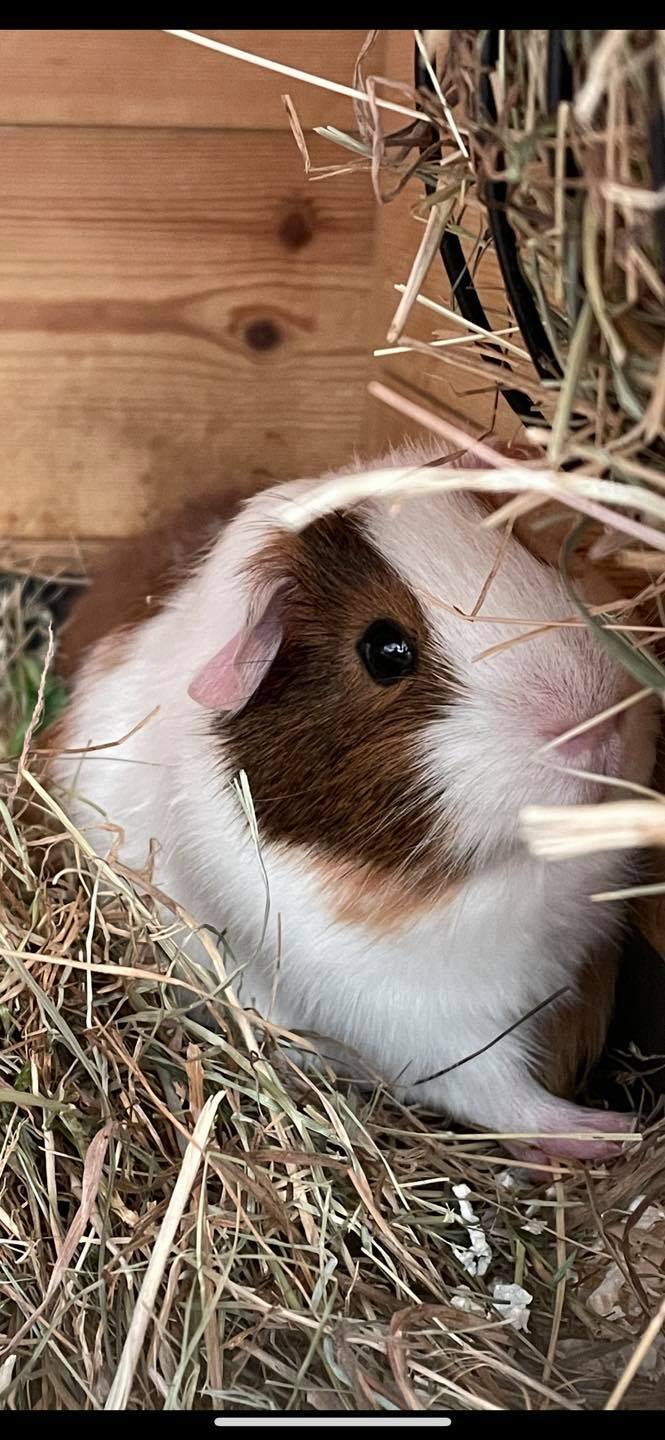
Blue Cross housing guidance specifies a main living area of at least 5ft × 2ft for two females, or 6ft × 2ft for a male pair or a trio, with a separate exercise run. Without a separate run, or for permanent indoor living, it recommends at least 6ft × 4ft. These are welfare recommendations, not a claim about a legal cage size. Plan the whole setup before buying and provide more usable space where possible.
The cage also needs to be draft-free but well-ventilated, out of direct sunlight, and away from sources of loud noise. Guinea pigs startle easily and live in a constant low level of alertness. A cage next to a television or in a busy, noisy part of the house creates chronic stress in the animal — which has real health consequences over time.
- Keeping a single guinea pig — the single most harmful thing an owner can do, however well-intentioned
- Feeding a seed mix as the main diet — guinea pigs are not hamsters; seed mixes are inappropriate as a staple food
- No daily fresh vegetables — Vitamin C deficiency develops faster than most owners realise
- A cage that is too small — particularly common with shop-bought starter cages marketed for guinea pigs
- Keeping guinea pigs and rabbits together — they have incompatible communication styles and rabbits can injure guinea pigs seriously
- Not handling regularly from a young age — guinea pigs that are not handled consistently become very difficult to pick up and examine
- Ignoring vet care — guinea pigs hide illness instinctively. By the time a guinea pig looks unwell, it has usually been unwell for some time
What Guinea Pigs Are Like When Everything Is Right
I have spent the first half of this article on what goes wrong. I want to be equally clear about what goes right — because a well-kept guinea pig, with a companion and the right environment, is a genuinely wonderful animal.
Guinea pigs are vocal. They have a range of sounds that, once you learn them, tell you exactly how they are feeling. The sound that every guinea pig owner loves most is the “wheek” — a high, insistent squeal that guinea pigs produce when they hear the fridge open, or the sound of a bag rustling, or the footsteps of the person who feeds them. It is impossible to hear without smiling. It means they are happy, expectant, and very firmly letting you know it.
They also purr — a deep, rolling vibration when they are being stroked and content. They “popcorn” — a sudden leap and twist of pure joy that younger guinea pigs do when they are excited and have enough space to express it. Two guinea pigs together will groom each other, sleep pressed against each other, and produce a continuous soft murmuring that is one of the most peaceful sounds in a home.
A guinea pig that has been handled gently and regularly from a young age will sit calmly on a lap for extended periods, nose twitching, watching everything with an expression of mild but genuine interest. Children who grow up with guinea pigs tend to remember them with great affection — not because they are dramatic pets, but because they are consistent, gentle, and quietly engaging.
That is what is available to anyone who sets things up correctly from the start.
When a Guinea Pig IS the Right Choice
Here is my honest assessment, after 35 years, of the homes where guinea pigs genuinely thrive.
- Families with children aged six and above who are old enough to handle gently and understand that the animal is not a toy
- Households where someone is committed to the daily routine — fresh food, fresh water, daily spot-cleaning — without exception
- People who are happy to keep two guinea pigs rather than one, and have thought about the space and cost implications of a pair
- Families who have considered the five-to-seven-year commitment and are genuinely comfortable with it
- Anyone who has the patience to handle the animals regularly from the beginning, so that they become tame and easy to manage
- People who understand that vet care will be needed at some point and have thought about that cost
If that sounds like you, come and talk to us. We will help you choose the right pair, advise on setup, and make sure you leave with everything you need for a genuinely good start.
What I Ask Every Family Before I Recommend a Guinea Pig
When someone comes in seriously interested, I ask a few things before we discuss which animals might suit them. The goal is never to put people off — it is to make sure the match is right.
- Are you happy to keep two?
This is always the first question. If the answer is an immediate no, we talk about why it matters — and most people, once they understand, come around. If they are genuinely set on one animal only, I suggest they consider a different species. - Who will manage the daily care?
Not the children in theory — the specific adult who will make sure vegetables are prepared and fresh water is changed every single day, including weekends, school holidays, and the days when nobody feels like it. - What cage are you planning on?
The answer tells me a great deal. If someone describes a small starter cage, we look at alternatives together. I would rather spend ten minutes on this conversation now than have them come back with a pair of guinea pigs that have been living in insufficient space. - Do you have other animals at home?
Dogs and guinea pigs can coexist with careful management. Cats require more caution. Rabbits should not be kept with guinea pigs — I explain why clearly, because this combination is still common and still causes problems. - What do you know about their diet?
If someone mentions seed mix as the main food, we have a conversation about hay, fresh vegetables, and Vitamin C before we go any further. This is the single most important dietary conversation I have with new guinea pig owners.
These conversations take ten minutes at most. They have, over the years, made a significant difference to the outcomes for the animals we sell. A guinea pig that goes to the right home, properly set up from day one, is a guinea pig that will live a full and healthy life. That is what we want every time.
The Guinea Pigs We Stock at Paradise Pets
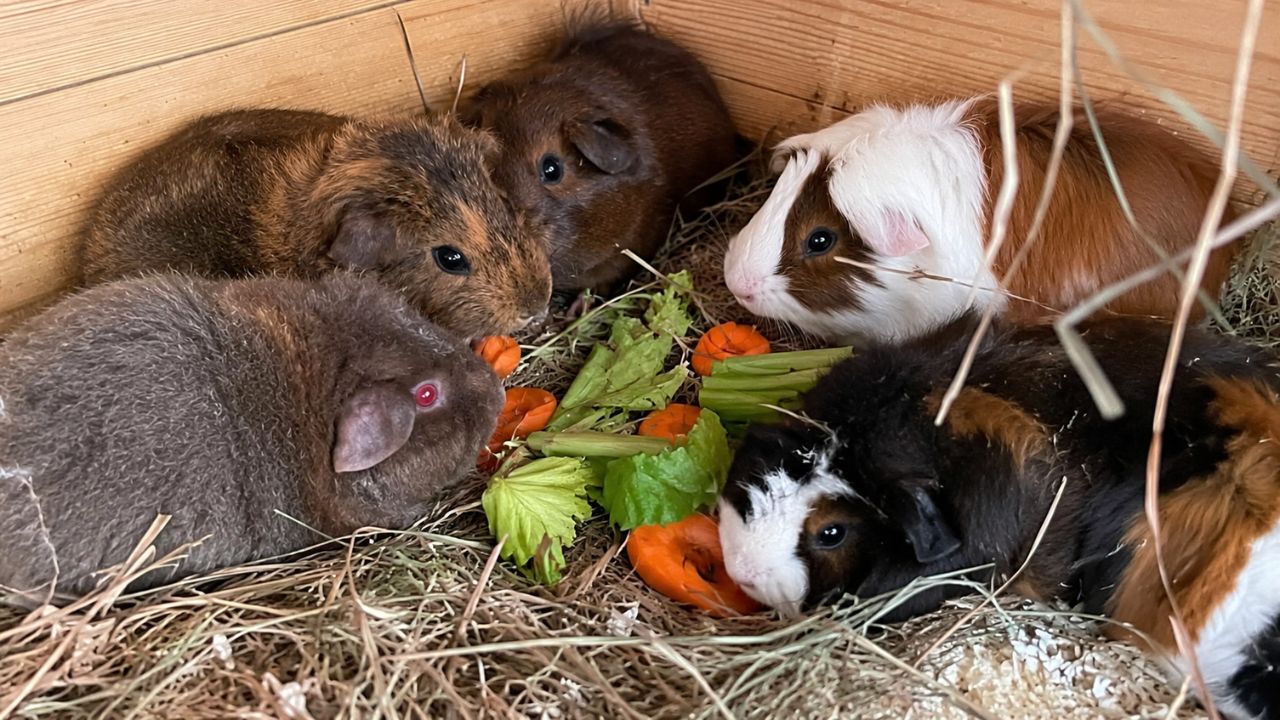
We breed most of our own guinea pigs on site and source the remainder from trusted UK breeders only. We do not import animals. Every guinea pig we sell has been born and raised in this country, handled regularly from birth, and checked carefully before it goes to a new home.
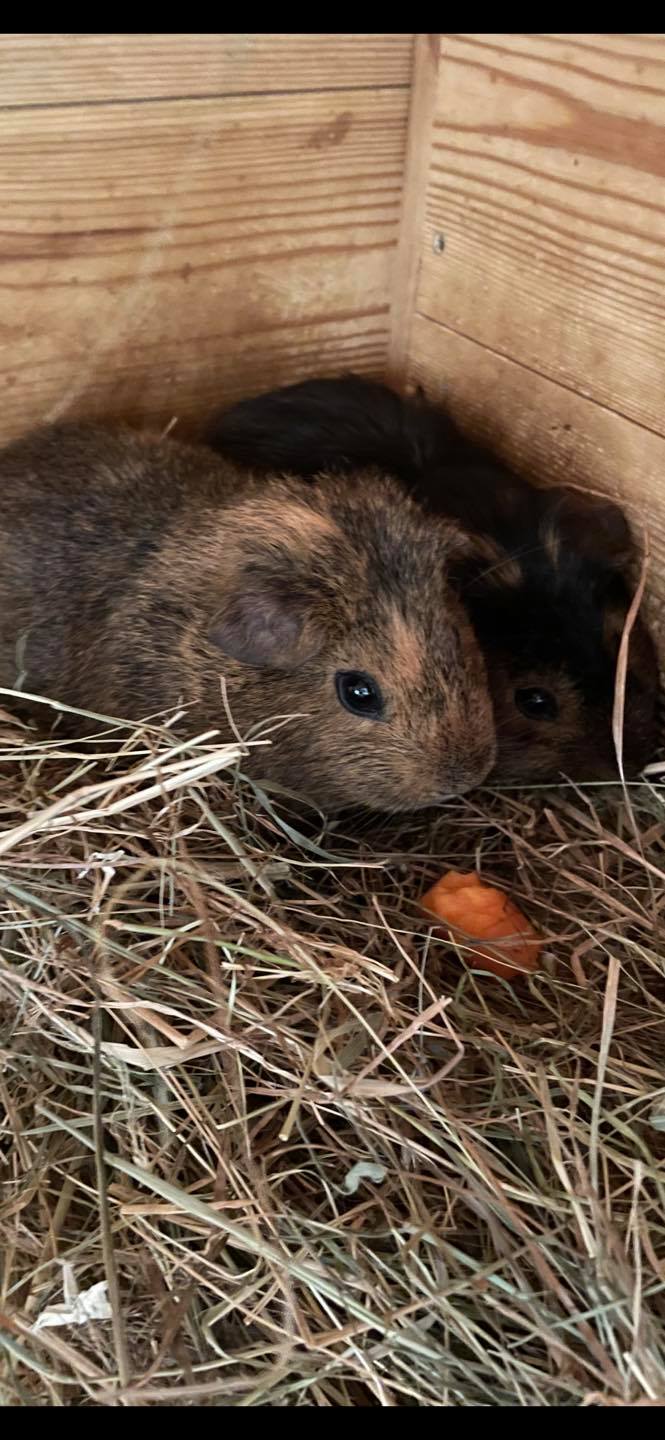
Here is a guide to the breeds we typically stock and what makes each one suited to different homes:
| Breed | Coat | Best suited for |
|---|---|---|
| Smooth (American) | Short, flat | First-time owners and families — easy to handle, minimal grooming needed |
| Abyssinian | Short, rosette swirls | Active, curious characters — great personality, very little grooming required |
| Peruvian | Long, silky | Experienced owners — beautiful coat but requires daily grooming to prevent matting |
| Teddy | Dense, wiry | Families — dense coat that does not tangle, friendly and robust temperament |
| Rex | Short, plush, curly | All owners — distinctive soft coat, calm and affectionate, easy to maintain |
Stock changes regularly — we often have young guinea pigs available alongside their mother while they are still growing. If you are looking for a specific breed or colour, it is always worth calling ahead or checking in with us directly.
Our guinea pigs page has more on what is currently available and how to find us.
One Last Thing — And I Mean Every Word of It
If you come into Paradise Pets and I think your setup is not quite right — the cage is too small, or you are planning on one guinea pig instead of two, or the diet plan needs adjusting — I will tell you. Politely, and without making you feel bad. But I will tell you.
Because the alternative is a guinea pig sitting alone in a corner of a too-small cage, getting quieter and stiller each week, and an owner who does not understand why. I have seen that too many times. It is not what any of us want.
Come and see us. We are at Manor Garden Centre in Cheney Manor, Swindon. We stock a full range of small animals and we are genuinely happy to spend as long as you need talking through the right choice for your family — whether that ends with you taking home a pair of guinea pigs, something else entirely, or nothing today and a better-prepared visit next time.
After 35 years, getting this right still matters to me. It always will.
Visit Us at Paradise Pets Swindon
We stock Smooth, Abyssinian, Teddy, Rex, and Peruvian guinea pigs — all UK-bred, most raised on site. Drop in to meet what we currently have, or call ahead if you are looking for something specific. We are happy to talk through setup, diet, and everything you need before you commit.
We also stock a full range of rabbits, hamsters and gerbils, and an extensive selection of cage and aviary birds including budgies, cockatiels, and canaries.
Manor Garden Centre, Cheney Manor Industrial Estate, Swindon, SN2 2QJ