
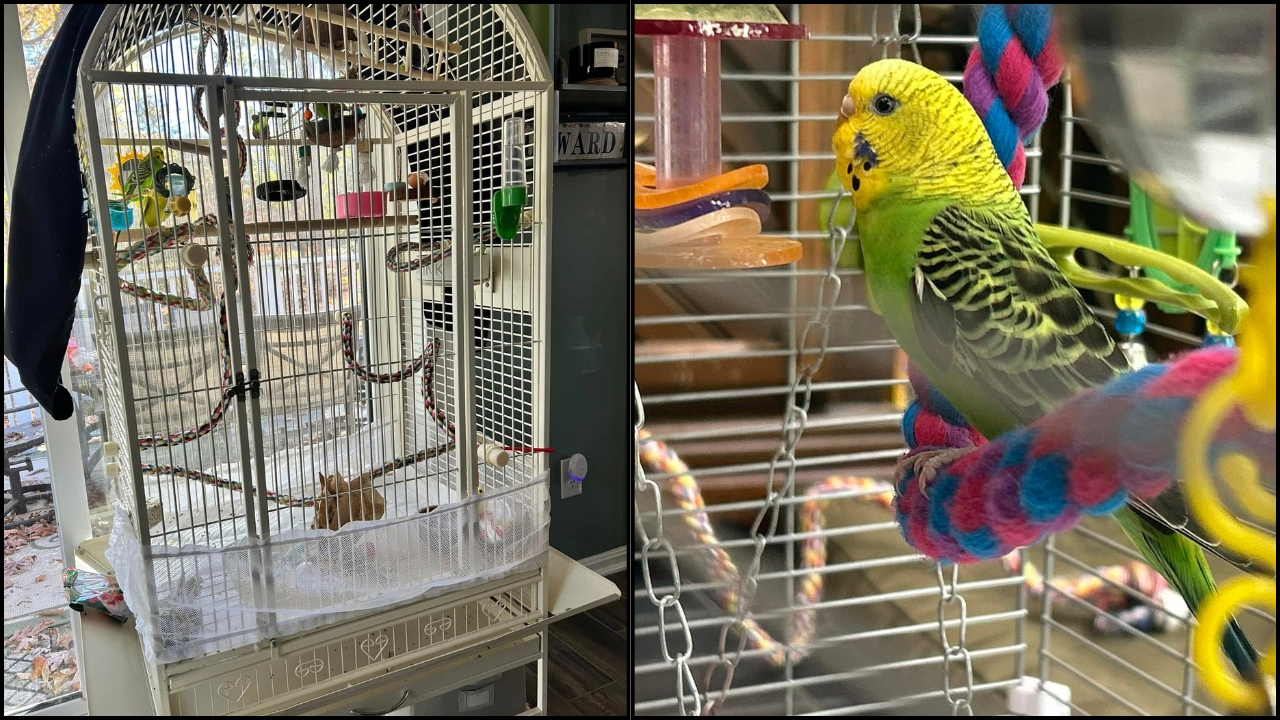

Accessories can improve a cage. Too many accessories can quietly ruin one.
Owners buy toys, ladders, tunnels, hides, wheels, swings, racks and bowls because they want the pet to be happy. That instinct is good. The problem comes when the cage becomes full of objects and the pet loses usable movement space.
Neil often sees cages where the owner has bought everything except room. The pet has enrichment, but not enough clear space to use it properly.
Why This Matters
The RSPCA highlights enrichment and suitable environments for pet birds, and small animals also benefit from stimulation and places to hide. But enrichment should support natural behaviour, not block it.
The right accessory depends on the animal. A useful hide for one pet, a wheel for another, or a toy for a bird can be positive. The issue is whether the cage still works after everything is added.
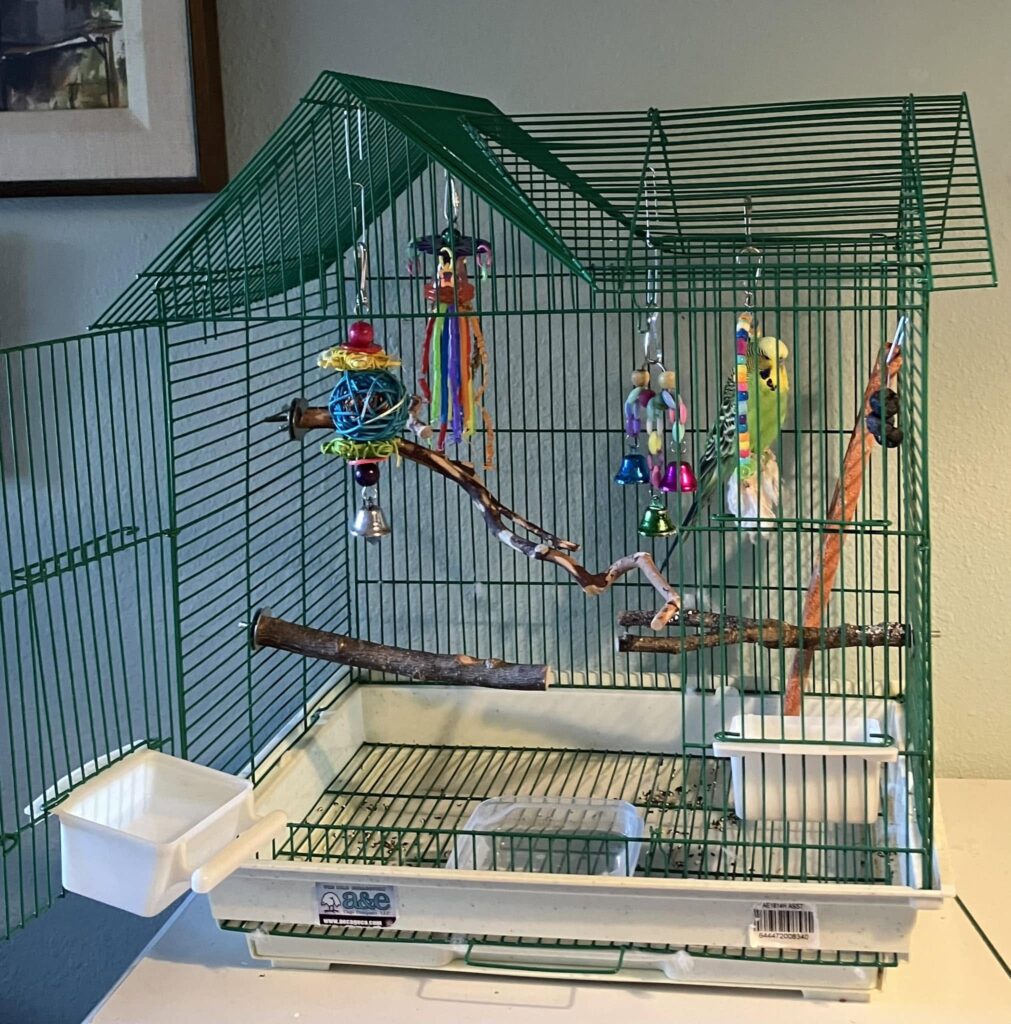
The Quick Owner Check
- Look at the floor
Can the animal still move without weaving through clutter? - Check the air space
Can a bird move safely between perches and toys? - Watch daily use
Unused accessories may be stealing space without adding value. - Check cleaning
Crowded cages collect mess in hidden areas. - Review regularly
A good setup for a young pet may need changing as behaviour changes.
What To Do Before You Buy Or Move The Cage
- Remove one unused item
More items do not automatically mean better care. - Keep clear routes
Pets need simple movement paths through the setup. - Choose safer materials
Avoid sharp, damaged, chew-risk or unsuitable items. - Rotate enrichment
Rotation can be better than crowding everything in at once. - Ask what the pet actually uses
The best accessory is the one that improves daily behaviour.
The Mistake Neil Sees Most Often
The mistake Neil sees most often is using accessories to compensate for a cage that is too small. That rarely works. A small cage with more objects usually feels smaller.
Another mistake is copying online photos without thinking about the animal’s size, species and routine. Some setups photograph well but are poor to maintain.
When To Get Help Quickly
If an accessory traps a foot, catches a wing, causes a fall, creates chewing damage, or leads to injury, remove it and contact a qualified vet if the pet seems hurt.
If the pet avoids parts of the cage or seems stressed after a new item is added, review the setup rather than forcing the change.
Neil’s Honest Advice
Neil’s advice is to leave enough empty usable space on purpose. Empty space is not wasted space. It is where the animal moves, chooses and rests.
The best cage accessories make care easier and life better for the pet. They should never turn the cage into a storage shelf.
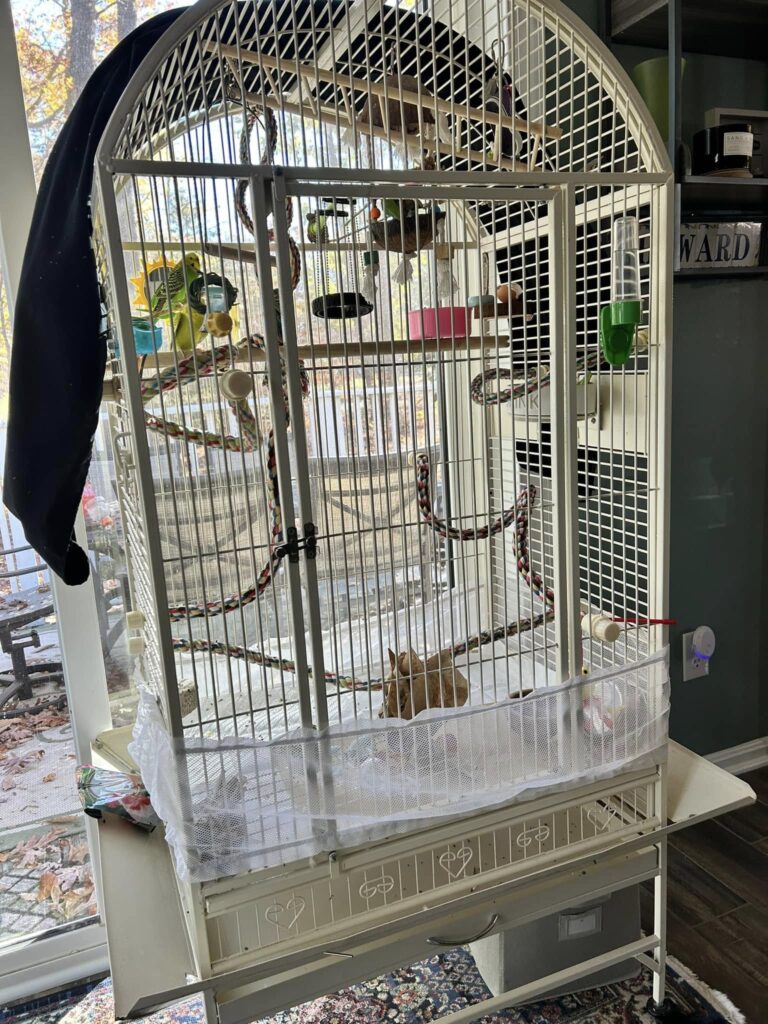
Not sure which cage accessories are worth buying?
Paradise Pets can help you choose practical toys, hides, perches, wheels and bowls without overcrowding the cage.