
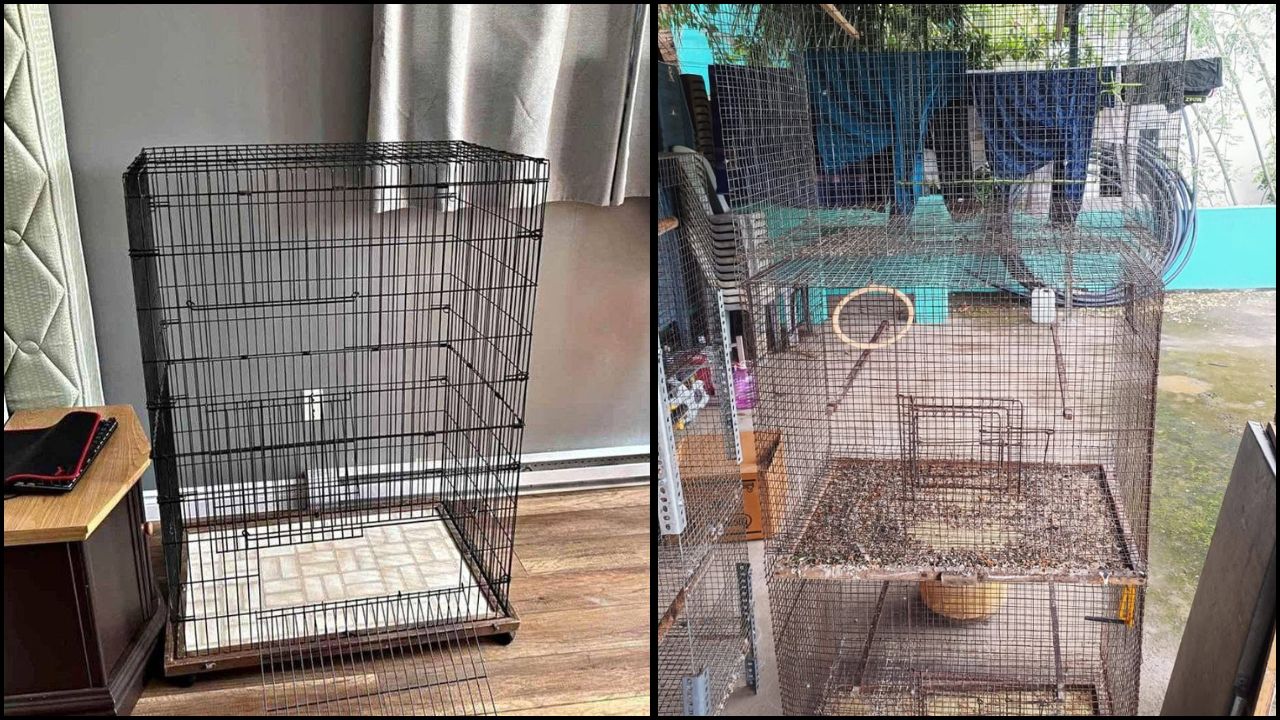

Second-hand cages can be sensible, especially when pet costs are high. The mistake is assuming used means ready to use.
A second-hand cage may have hidden rust, bent bars, cracked plastic, weak doors, old chewing damage, rough edges or smell trapped in corners. It may also be the wrong size for the animal even if it once housed a similar pet.
Neil is not against second-hand equipment. He is against owners skipping the inspection because the price looks good.
Why This Matters
Pet owners are understandably watching costs, but animal welfare still depends on a suitable environment. A cheap or free cage can become expensive if it needs replacing, causes an escape, or creates a health concern.
The safest approach is to inspect the cage before bringing the pet into it, then clean it thoroughly and replace any weak parts.
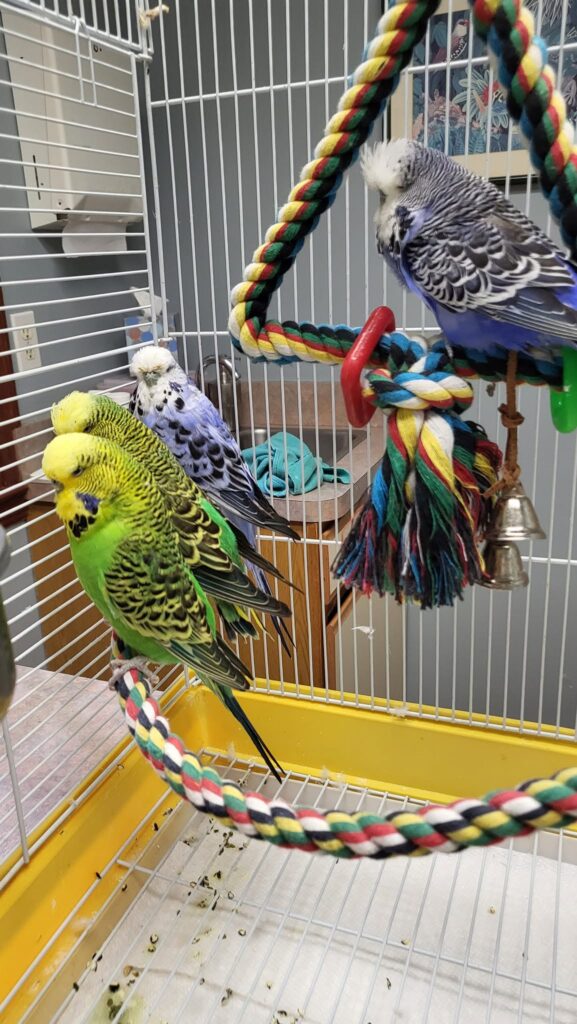
The Quick Owner Check
- Check for rust
Rusty wire or damaged coating can be unsafe and hard to clean. - Check doors and clips
Used hinges and catches may be weaker than they look. - Check plastic cracks
Cracked bases and tubes can trap dirt or create sharp edges. - Check smell and stains
Old urine or damp corners may be difficult to remove. - Check size for your pet
Do not assume the previous owner had the right setup.
What To Do Before You Buy Or Move The Cage
- Inspect it in daylight
Small damage is easier to miss indoors or in a hurry. - Clean and dry it fully
Do not put bedding or a pet into a damp cage. - Replace suspect parts
Bottles, bowls, wheels and perches may need changing. - Check bar spacing again
The cage must suit your exact pet, not just the label. - Walk away if unsure
A questionable cage is not worth risking the animal.
The Mistake Neil Sees Most Often
The mistake Neil sees most often is accepting a free cage because it feels rude to say no. Owners then try to make the wrong cage work.
Another mistake is spending money on accessories for a cage that should have been replaced from the start.
When To Get Help Quickly
If a pet has been cut, trapped, escaped, or seems unwell after moving into a used cage, contact a qualified vet quickly.
If the cage has mould, strong odour, heavy rust, broken bars or unknown contamination, do not use it for a pet.
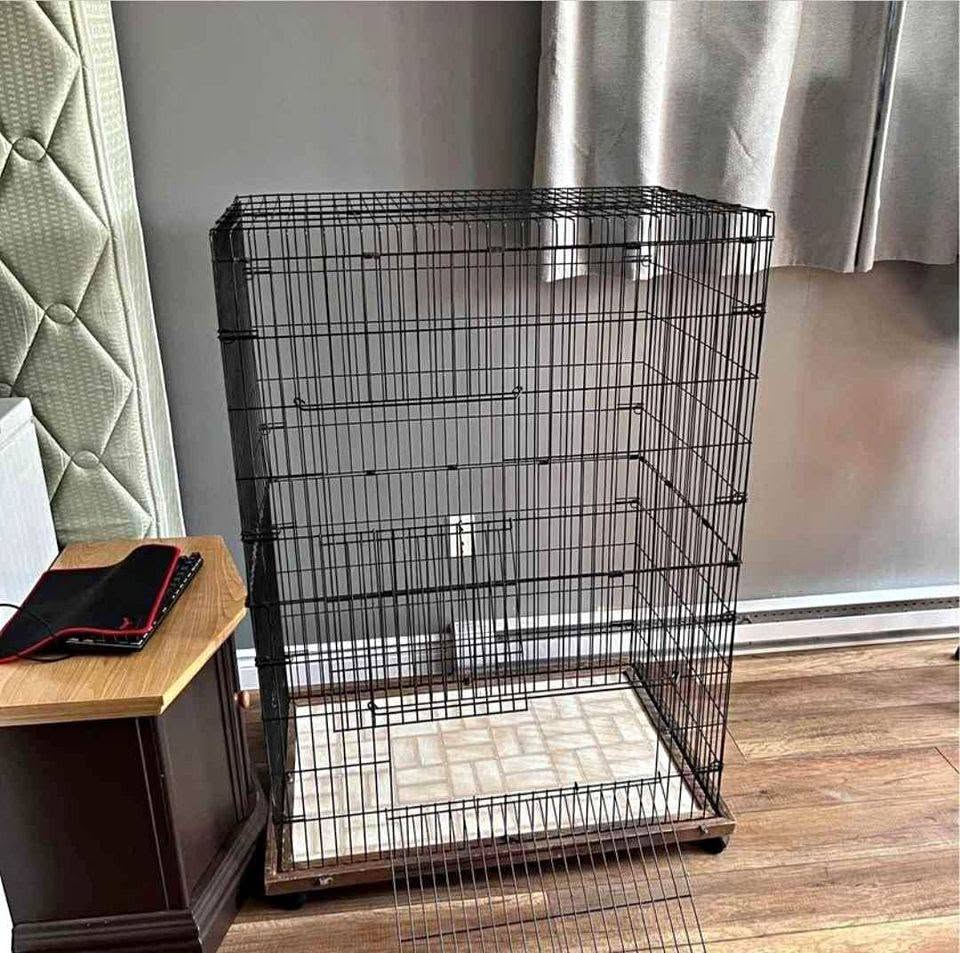
Neil’s Honest Advice
Neil’s advice is to treat a second-hand cage like a used car for your pet. Inspect it carefully, ask why it is being sold, and check whether it suits the animal now.
Saving money is good. Saving money while keeping welfare strong is better.
Want a second-hand cage checked?
If you are unsure about size, bar spacing, bedding depth or replacement parts, Paradise Pets can help you work out whether the setup is worth using.