
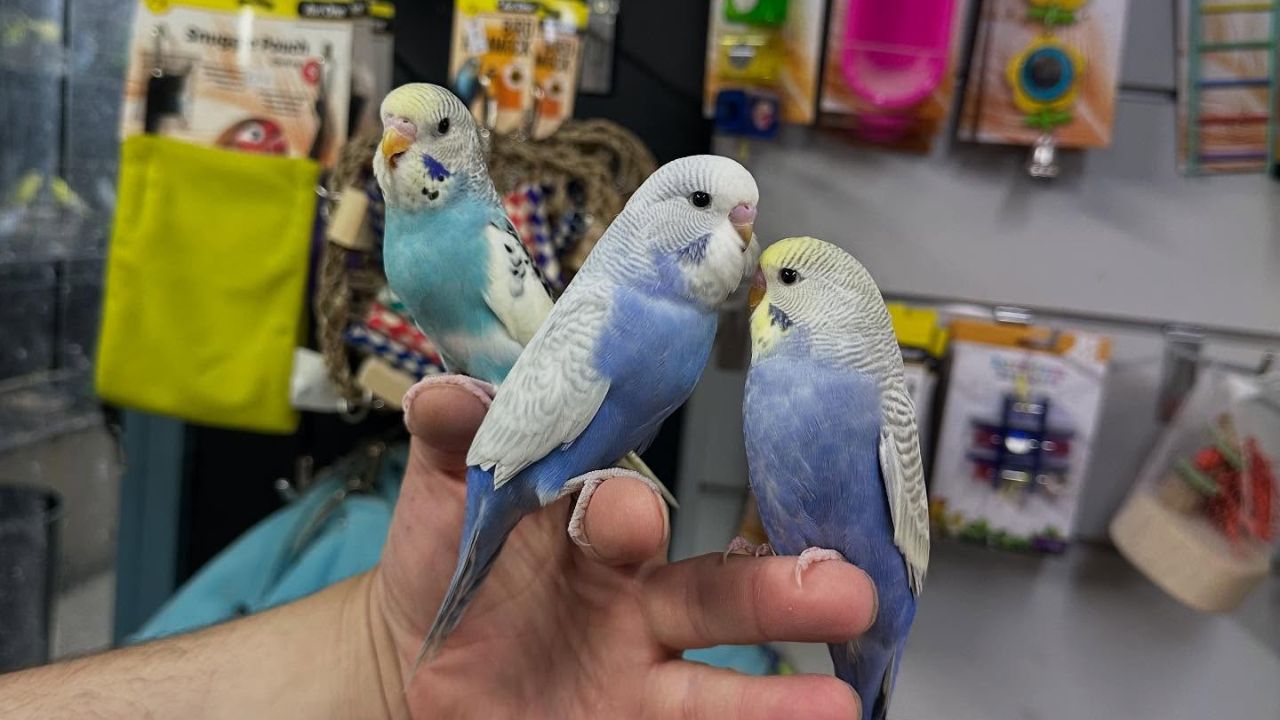

Neil has helped families transport birds and small pets safely from Paradise Pets Swindon for more than 35 years. In summer, the journey home can be as important as the cage waiting at the other end.
The dangerous part of buying or moving a pet in hot weather is often the bit owners think will be quick.
“It is only ten minutes in the car.” “We will just pop into one shop first.” “The carrier is small, so it will be fine.” Those small assumptions can cause problems when the weather is hot.
A bird, rabbit, guinea pig, hamster or gerbil in a travel cage has limited choice. It cannot move to a cooler room, find shade, or ask you to open a window. If the car is warm, the carrier is in sun, or the journey is delayed, stress can build quickly.
Why Travel Is Riskier In Hot Weather
Travel already adds stress: movement, noise, unfamiliar smells and handling. Heat adds another layer. A small carrier can warm up quickly, especially if placed in direct sun or inside a parked car.
The RSPCA, BVA, PDSA and Met Office all stress the importance of shade, water, ventilation and avoiding dangerous heat exposure for pets. The same thinking applies to transport.
Even if the final home setup is good, the journey can still go wrong if it is not planned.
Common Travel Cage Mistakes
- Leaving the animal in a parked car
Do not do this. Cars can become dangerously hot quickly. - Putting the carrier in direct sun
Sun through glass can heat a carrier faster than expected. - Using a carrier with poor ventilation
The animal needs airflow without being exposed to a strong draught. - Making extra stops
Go straight home when transporting a live animal in hot weather. - Overcrowding the carrier
Stress, heat and lack of space are a bad combination.
Neil’s Before-You-Leave Checklist
- Is the car cool before the animal goes in?
Cool the car first. Do not put the animal into a hot vehicle. - Can the carrier sit out of direct sun?
Choose a shaded, stable position where it cannot slide around. - Is the journey direct?
Avoid errands, petrol stops and delays where possible. - Is the home setup ready before collection?
Cage, water, food, bedding and quiet space should be ready first. - Do you know what stress looks like?
Watch for weakness, unusual breathing, collapse or extreme distress. Contact a vet if worried.
Bird Travel Advice
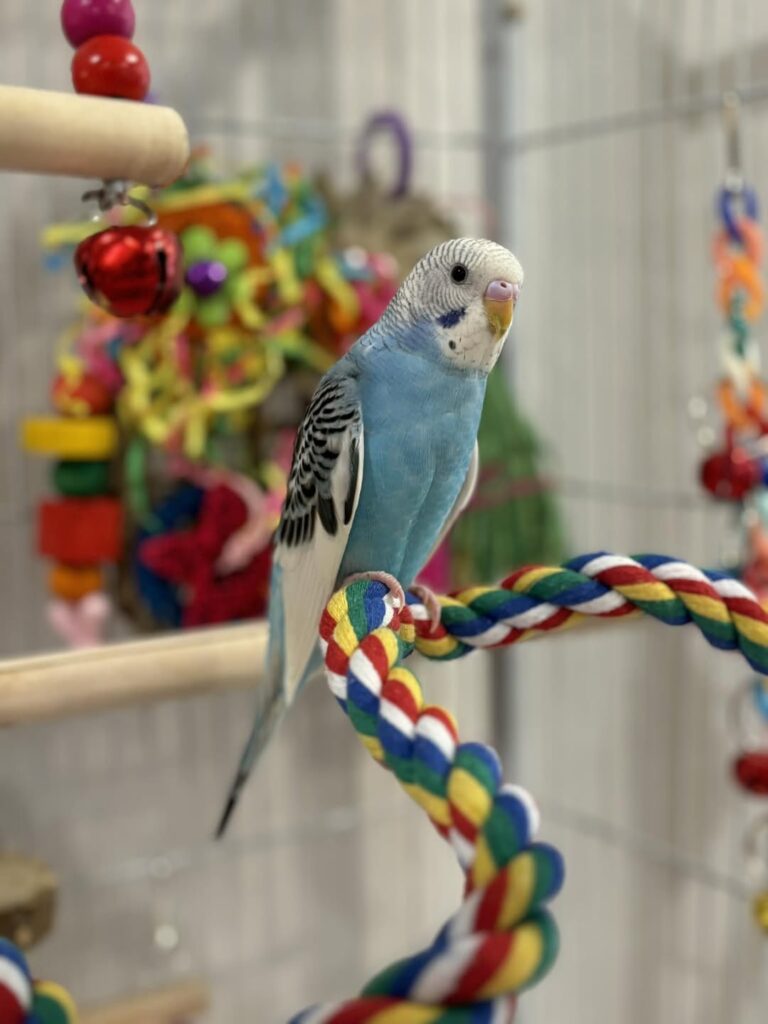
Birds should travel in a secure carrier, protected from direct sun and draughts. Do not put a cage loosely on a seat where it can tip. Keep the journey calm.
When you get home, place the bird in its prepared cage and allow it to settle. Do not pass it around for handling because everyone is excited. Heat plus travel plus too much attention can overwhelm a new bird.
Small Pet Travel Advice
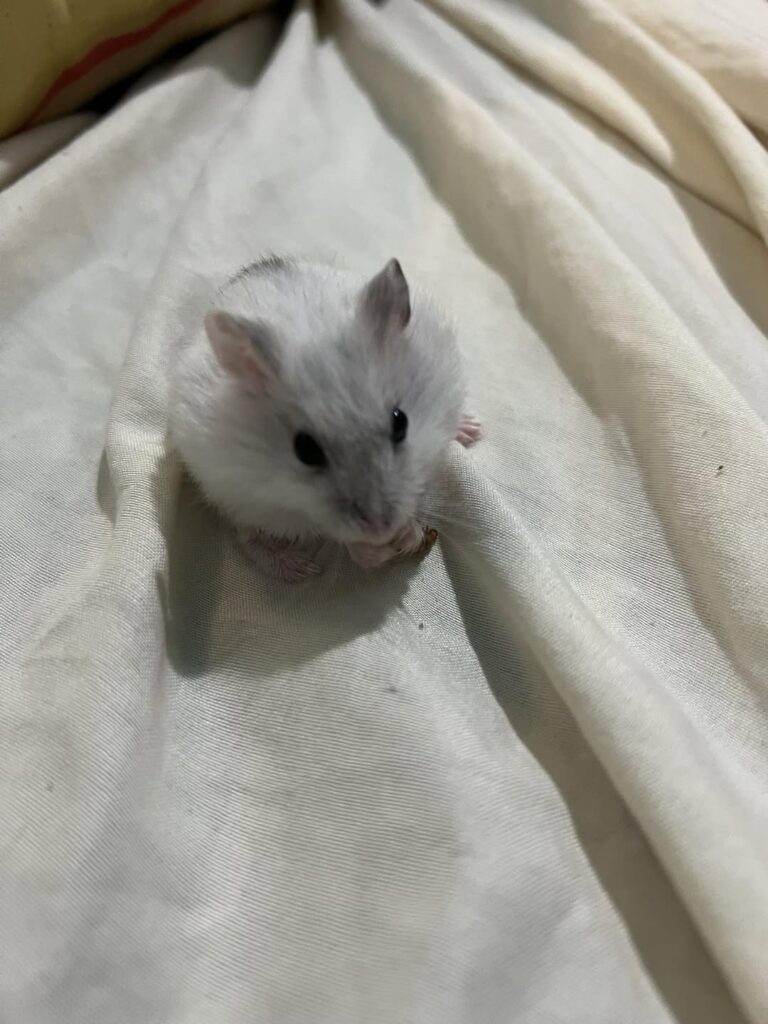
Rabbits, guinea pigs, hamsters and gerbils need secure carriers with suitable bedding and ventilation. Do not place carriers in boots with poor airflow. Do not leave them in the car while you unload shopping.
For rabbits and guinea pigs, make sure hay and water are available soon after arrival. For hamsters and gerbils, give them quiet time in the new setup rather than repeated handling.
The School-Holiday Problem
Summer holidays are a busy time for new pet enquiries. Families often collect pets between errands or on the way back from a day out. I understand why it happens, but it is not ideal.
If you are collecting a live animal, make that the main job. Prepare the home first. Travel directly. Keep the animal cool and calm. Then leave it to settle.
Neil’s Honest Advice
If the weather is very hot and the journey cannot be done safely, wait. A responsible delay is better than a risky trip.
The first hour with a new pet should not be a rushed, hot, noisy journey. It should be calm, planned and safe.
Need Honest Pet Advice In Swindon?
Before buying a bird or small pet, speak to Neil at Paradise Pets Swindon. We can help you check cage size, diet, bedding, enrichment, compatibility and whether the setup is right before you bring an animal home.
Sources
⭐ Customer Reviews
Amazing Bird Selection
Had a lovley visit today,staff were very friendly and very helpful,such a great petshop,their selection of birds is incredible,really impressed,thank so much to the staff at Paradise Pets

Friendly Helpful Staff
I have been coming to this place for years and they have a great stock of food for all types of pets. Have a great selection of small mammals and a lot of birds. Staff are friendly and helpful.

Great Quality Hutch
Bought a guinea pigs hutch and run combo, very happy with the service, the hutch was put in my car for me without even asking for help. The wood quality is very good, the instructions easy to follow and we are extremely happy with the fully built hutch. A good size for 2 guinea pigs

Response from Paradise Pets | Wiltshire
Thank you Melanie Latus Nice to provide services to you.
Best Bird Shop Around
It’s the best pet shop in and around Swindon. They always have an amazing selection of birds and all you need to keep them happy. I keep birds myself and the guys there are happy to answer questions and really know their stuff. I have seen budgies etc. in chain pet shops in the area looking really unhealthy and ill – I wouldn’t go anywhere else than Paradise Pets for animals.

Highly Recommended Bird Shop
I could not praise this shop enough. Really helped my Grandson buy his first bird and he’s loving it. Travelled from Somerset and was welcomed with open arms.

Great Shop with Competitive Prices
Great shop with amazing selection for small animals, hamsters, mice ect, highly recommend!
Also has a great selection for dogs & cats too & very competitive prices! 💖

