
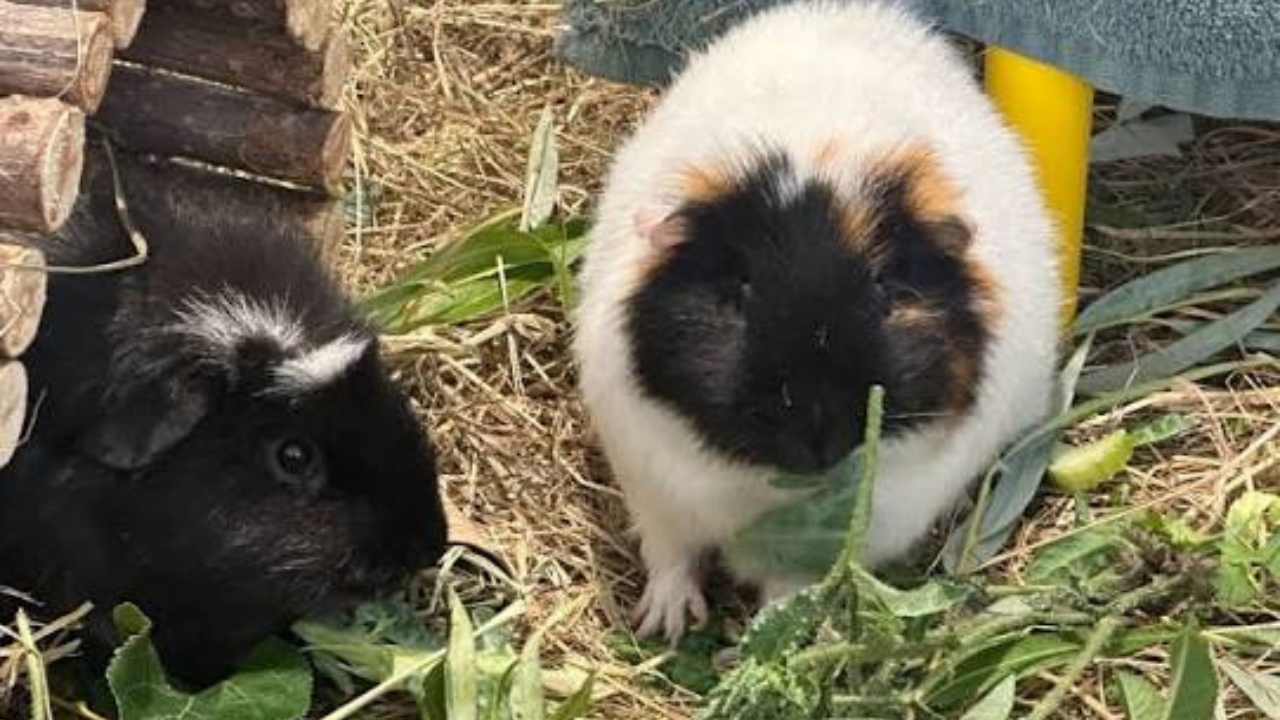

Neil has helped rabbit and guinea pig owners in Swindon for over 35 years. In warm weather, one of the most serious small-pet risks is also one of the easiest for busy owners to miss: flystrike.
Flystrike is one of those topics I would rather explain before an owner ever sees it.
It can affect rabbits and guinea pigs, particularly in warm weather when flies are active. It is painful, serious and can become an emergency quickly. The frustrating part is that many risk factors are ordinary: dirty bedding, a damp rear end, soft droppings, wounds, old age, poor mobility, dental trouble or simply a hutch that is not being checked often enough.
That is why the twice-daily check matters. It is not fussing. It is basic summer welfare.
What Flystrike Means
Flystrike happens when flies lay eggs on an animal, often around dirty, damp or wounded areas. The eggs can hatch into maggots, and the condition can become life-threatening.
The BVA warns that flystrike is a life-threatening risk for rabbits and guinea pigs in warmer months and advises owners to check their bottoms twice daily. The RSPCA also reminds owners to check small animals for flystrike during summer.
This is not a wait-and-see problem. If you find maggots, eggs, wounds, a dirty rear end with weakness, or a rabbit or guinea pig that seems unwell, contact a vet urgently.
Why July Is A High-Risk Month
Warm weather means more flies. Heat can also make hutches smell faster, bedding spoil quicker and water intake change. Rabbits and guinea pigs may sit in one place more if they are hot, elderly, overweight or uncomfortable.
If an animal has soft droppings, dental problems, arthritis, wounds or a dirty rear end, flies are more likely to be attracted.
Owners often think flystrike only happens in neglected hutches. That is not true. It can happen to loved animals too, especially if checks are missed.
The Twice-Daily Check
- Check the rear end morning and evening
Look for dampness, mess, eggs, maggots, redness, soreness or smell. - Check bedding and corners
Remove wet bedding quickly. Warm, dirty areas attract flies. - Check appetite and movement
A rabbit or guinea pig that is quiet, weak or not eating needs attention. - Check water and hay
Good hydration and a high-fibre diet help support normal digestion. - Check the setup for flies
Use hygiene, airflow and safe prevention advice from your vet where needed.
Common Mistakes Owners Make
- Only checking the face
The animal may look bright at the front while the rear end is dirty or sore. - Assuming long-haired pets are fine
Long coats can hide dampness and mess. - Leaving wet bedding until the weekend
In summer, hygiene needs to be more frequent. - Ignoring a sticky bottom
This can point to diet, dental or digestive issues and should be taken seriously. - Trying to treat an emergency at home
Suspected flystrike needs urgent veterinary help.
Rabbit Owners Need To Be Especially Careful
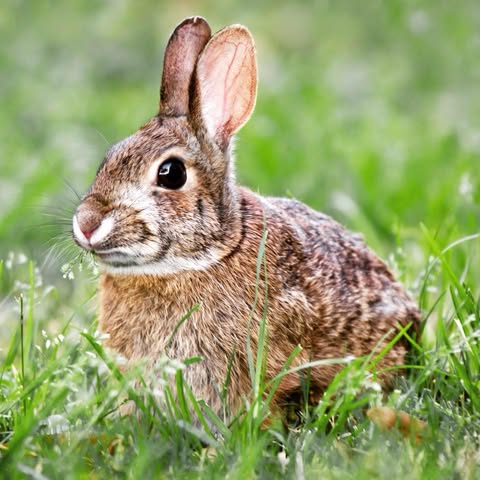
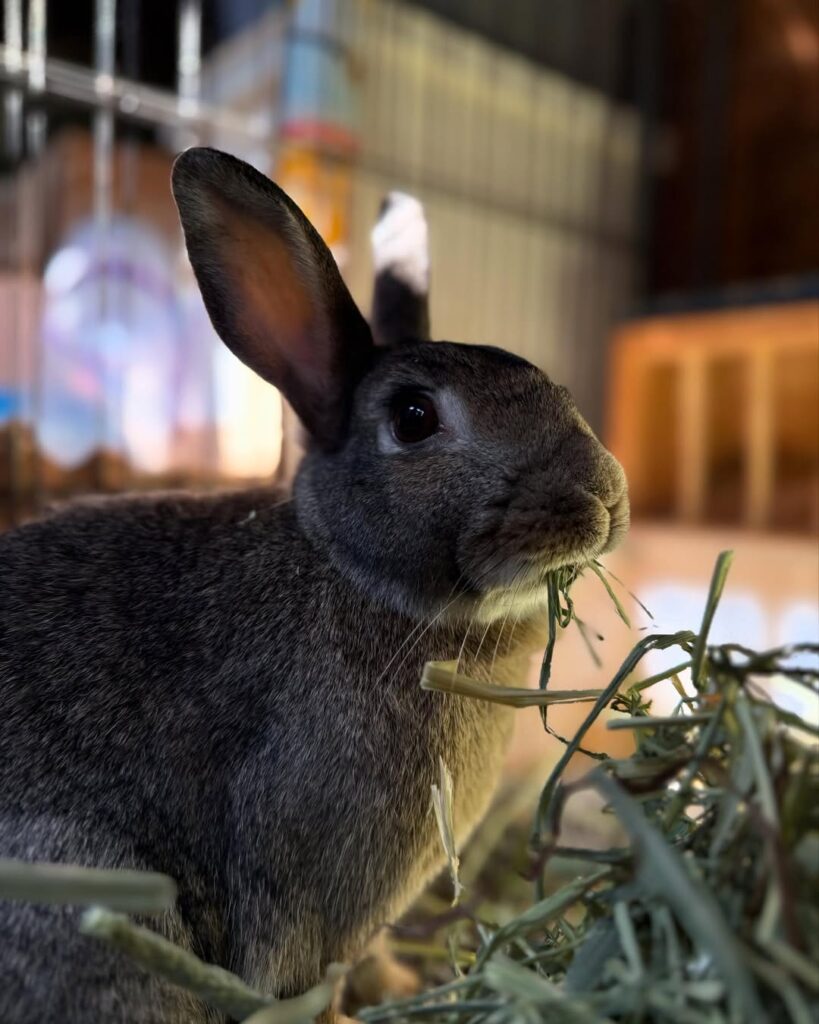
Rabbits can hide illness and discomfort. A rabbit that stops eating, sits hunched, becomes quiet or has a dirty bottom should not be ignored.
Dental problems can affect how rabbits eat and groom themselves. Pain or stiffness can make cleaning harder. Overweight rabbits may struggle to reach their rear end. All of these increase risk.
If your rabbit has repeated dirty-bottom problems, speak to a vet rather than just cleaning the fur again and again.
Guinea Pig Owners Should Check Too
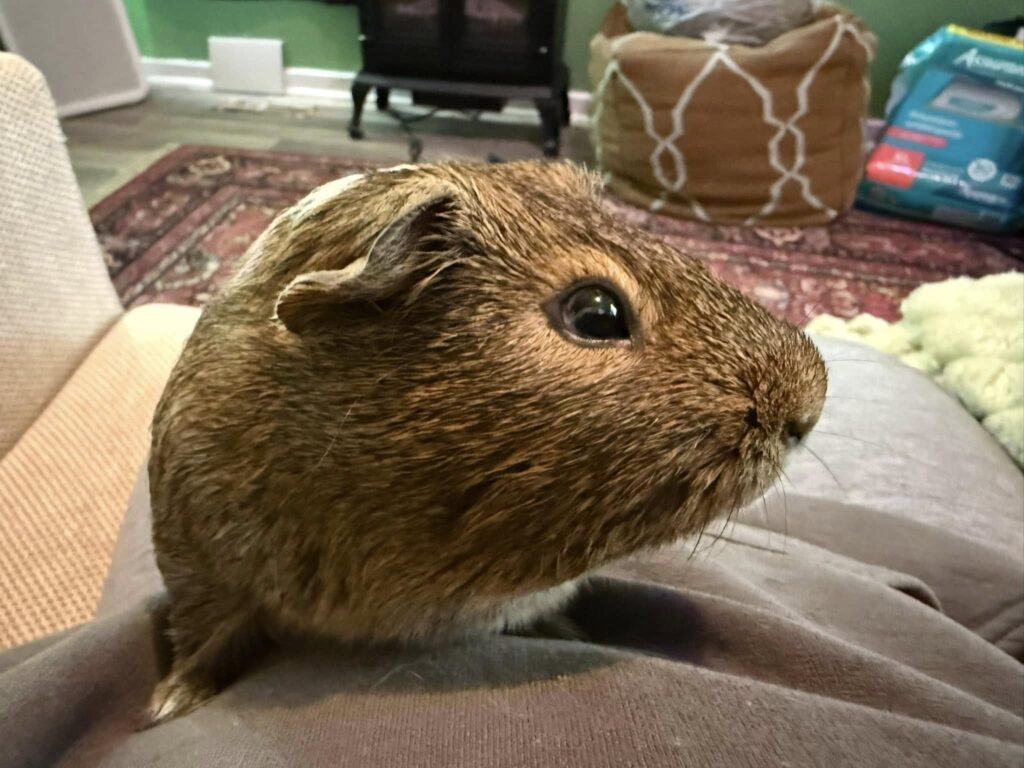
Guinea pigs also need clean, dry housing and regular checks. Long-haired guinea pigs can hide mess in the coat. Older guinea pigs or those with mobility problems may need extra monitoring.
Because guinea pigs need constant hay and vitamin C, diet quality matters. Poor diet can affect droppings and general health. Do not make sudden diet changes without understanding what you are doing.
What To Do If You Suspect Flystrike
Call a qualified vet immediately. Keep the animal calm and safe. Do not delay because it is evening or because the pet seems a little brighter after being moved. Flystrike can progress quickly.
This is not a problem to manage with internet advice alone.
Neil’s Honest Advice
The twice-daily check takes less than a minute once you are used to it. That minute can make an enormous difference.
In July, rabbit and guinea pig care is not just feeding and topping up water. It is checking the animal properly, keeping the enclosure clean and acting quickly when something is wrong.
Need Honest Rabbit Or Guinea Pig Advice In Swindon?
Before buying or upgrading a setup, speak to Neil at Paradise Pets Swindon. We can help with housing, bedding, hay, diet, cleaning routines and summer welfare checks.
Sources
⭐ Customer Reviews
Amazing Bird Selection
Had a lovley visit today,staff were very friendly and very helpful,such a great petshop,their selection of birds is incredible,really impressed,thank so much to the staff at Paradise Pets

Friendly Helpful Staff
I have been coming to this place for years and they have a great stock of food for all types of pets. Have a great selection of small mammals and a lot of birds. Staff are friendly and helpful.

Great Quality Hutch
Bought a guinea pigs hutch and run combo, very happy with the service, the hutch was put in my car for me without even asking for help. The wood quality is very good, the instructions easy to follow and we are extremely happy with the fully built hutch. A good size for 2 guinea pigs

Response from Paradise Pets | Wiltshire
Thank you Melanie Latus Nice to provide services to you.
Best Bird Shop Around
It’s the best pet shop in and around Swindon. They always have an amazing selection of birds and all you need to keep them happy. I keep birds myself and the guys there are happy to answer questions and really know their stuff. I have seen budgies etc. in chain pet shops in the area looking really unhealthy and ill – I wouldn’t go anywhere else than Paradise Pets for animals.

Highly Recommended Bird Shop
I could not praise this shop enough. Really helped my Grandson buy his first bird and he’s loving it. Travelled from Somerset and was welcomed with open arms.

Great Shop with Competitive Prices
Great shop with amazing selection for small animals, hamsters, mice ect, highly recommend!
Also has a great selection for dogs & cats too & very competitive prices! 💖

