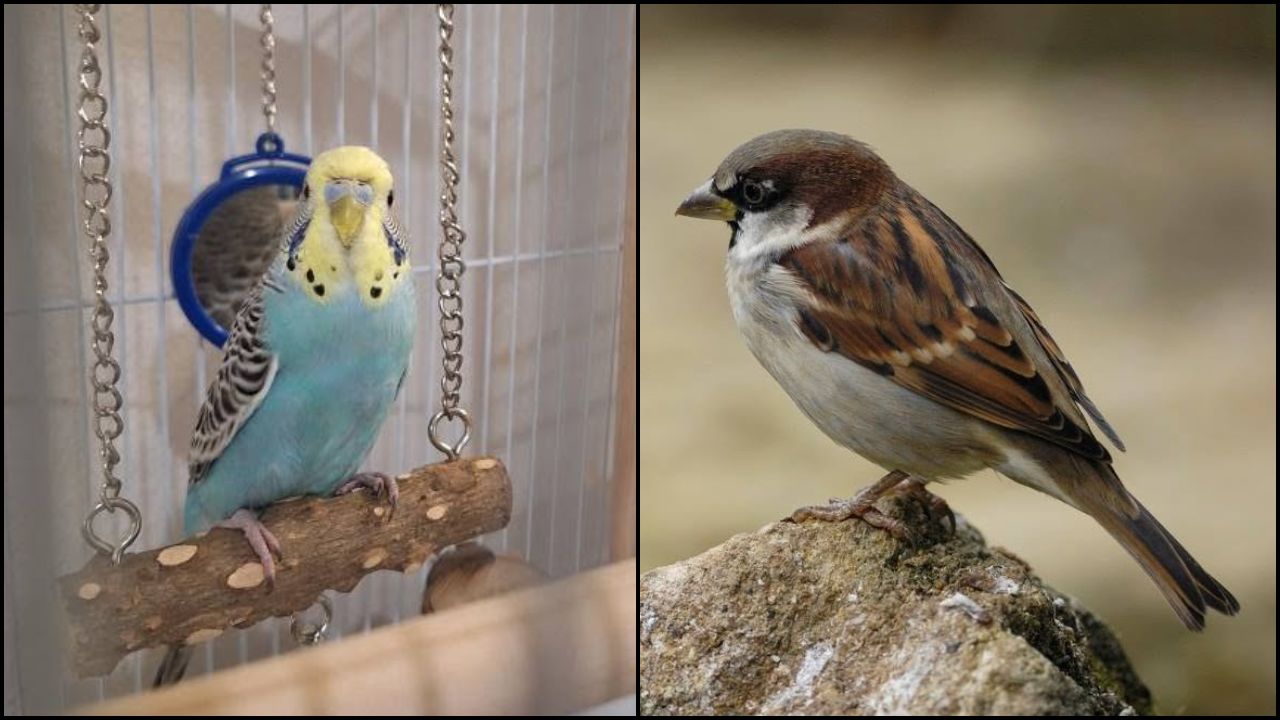

Neil has kept, bred, and sold cage and aviary birds at Paradise Pets Swindon since 1988 — over 35 years of watching what happens at the intersection of garden bird feeding and indoor pet bird keeping. Most people treat these as entirely separate activities. They are not, and this year’s RSPB guidance has made the connection between them more urgent than it has ever been. Here is what it means specifically if you keep a pet bird indoors and also have a garden feeder outside.
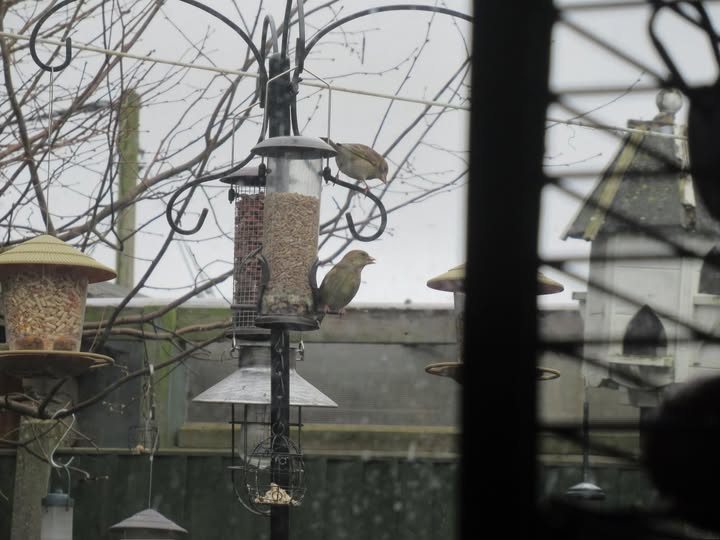
This year the RSPB released updated guidance built around a specific, striking statement: just one infected bird can turn your busy feeder into a disease hotspot. It was published alongside the Big Garden Birdwatch 2026 results, framed specifically around the 67 per cent collapse in Greenfinch numbers that disease spreading at garden feeders has been identified as a primary cause of, and it has rightly received significant attention in the garden bird feeding community.
What I have not seen discussed clearly in any of the coverage I have read is what this means specifically for people who feed garden birds and also keep a pet bird indoors — a household type that is, in my experience, extremely common. The same person who puts seed out for their garden birds at the back door in the morning also has a budgie, cockatiel, or canary in the living room. That combination is completely normal and entirely positive in principle. But the RSPB guidance, read carefully, has implications for how that household manages the transition between the two — implications that I do not think have been communicated clearly enough to the people who need to hear them.
What the RSPB’s Guidance Actually Confirmed
The statement above is not an expression of theoretical possibility. It is a summary of what is actually happening to UK garden bird populations right now, backed by specific population data and a scientific review involving the Institute of Zoology and the British Trust for Ornithology.
Trichomonosis, which spreads more easily when birds gather around feeders — particularly in summer and autumn — has been identified as the cause behind a 67 per cent decline in Greenfinch numbers since the Big Garden Birdwatch began in 1979, equivalent to a loss of over two million individual birds. Greenfinches are now formally on the UK Red List, and there is growing concern that Chaffinches are following the same pattern.
In response, RSPB scientists took a fresh look at what happens when we feed garden birds, concluding that the picture is quite mixed — clear benefits, but also some risks, and plenty that is still not fully understood.
The updated guidance has three main components. From 1 May to 31 October, feeders with seed and peanuts should be paused, with small amounts of mealworms, fat balls or suet remaining acceptable. Feeders should be cleaned and moved weekly. And flat-surfaced feeders including traditional bird tables should be retired, because research has confirmed a higher risk of disease spreading on flat surfaces where contaminated food can collect.
All of that is relevant to garden bird feeding in its own right, and I have written about it elsewhere on this site. What I want to focus on here is the specific implication that applies to households that also keep a pet bird indoors.
The Connection Most Households Are Not Making
Here is the specific question I want every household that both feeds garden birds and keeps a pet bird indoors to think about carefully.
When you fill your garden feeder or clean it, what do you do with your hands before you go back inside and interact with your pet bird?
For most people, the honest answer is nothing specific — they fill the feeder, come back in, perhaps wipe their hands on their clothes, and go and check on the bird, maybe refresh its water or pick it up for some handling time. The two activities feel entirely separate because one is outdoors and one is indoors, and they involve different birds entirely.
But the RSPB has confirmed that a feeder where even one infected wild bird has visited is a surface where the pathogen that drove two million Greenfinches to death over the past thirty years is present and transmissible. Your hands are the bridge between that surface and your indoor pet bird’s cage, its food dish, its perches, and the feather and beak surfaces you touch when you handle it.
Trichomonosis acts like a deadly, highly contagious throat infection for birds, spreading quickly when sick birds pass the disease to other birds in places where they can share food and water. The disease is spread through contact with contaminated saliva and food residue. A hand that has touched a feeder surface where contaminated food residue is present and then handles a pet bird, its food, or its cage interior is a plausible transmission route that almost nobody in this position is currently thinking about.
I am not saying this to alarm anyone. Most people manage this overlap every day without any consequence to their pet bird. But most people also did not know, until this year’s RSPB guidance made it explicit, that a single visiting bird is sufficient to contaminate an entire feeding station. That is the level of transmissibility we are now being told is real and documented. It changes the calculation.
What Cockatiels, Canaries and Budgies Are Actually Susceptible To
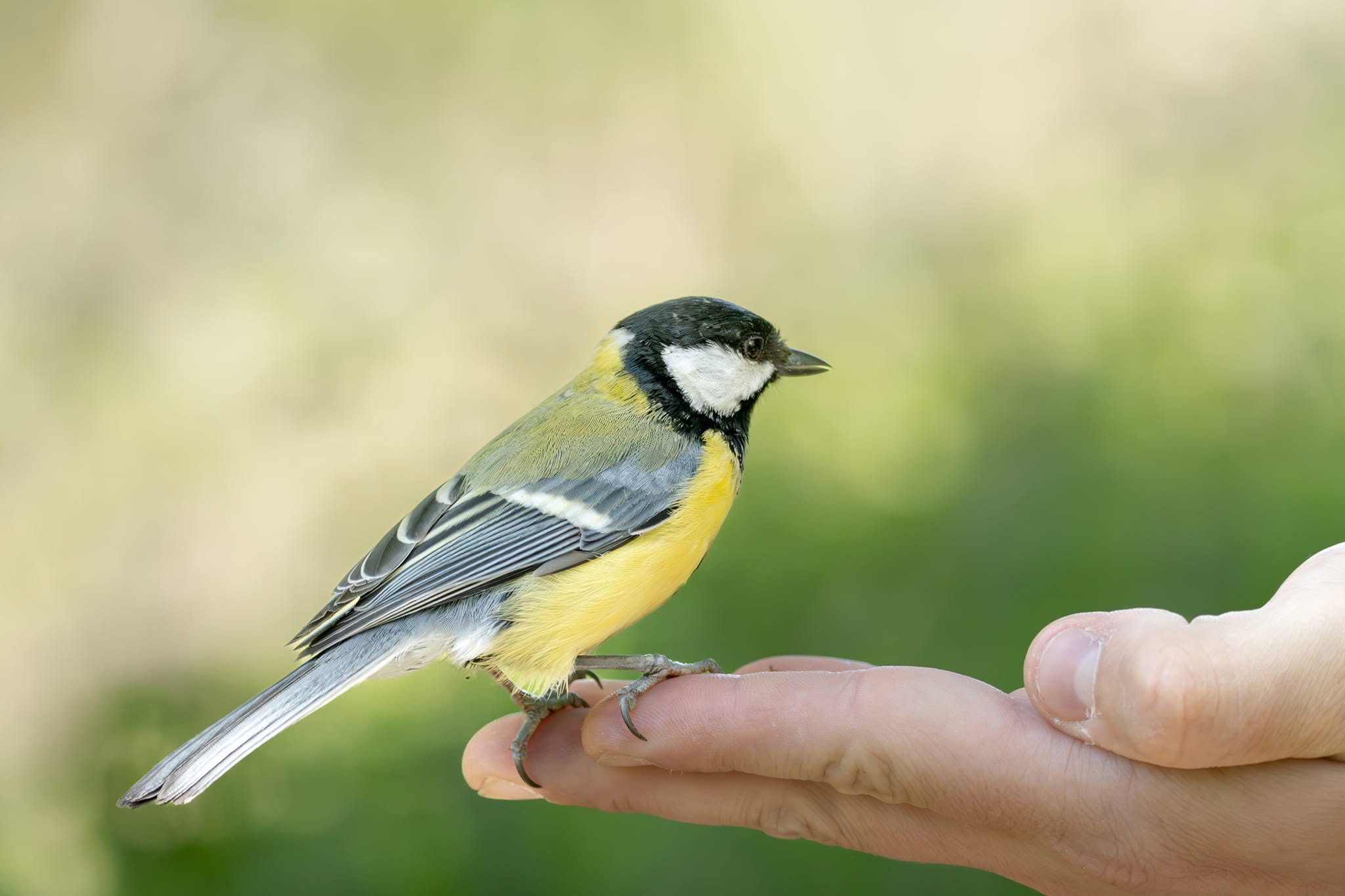
Trichomonas gallinae — the protozoan parasite causing trichomonosis — has been documented primarily in finches and doves in the UK garden bird context, and you might reasonably ask whether a budgerigar or cockatiel is actually susceptible to the same pathogen.
The honest answer is that Trichomonas gallinae is a pathogen with a broad host range, and infection in captive psittacines — the family that includes budgies and cockatiels — has been documented in veterinary literature. It is not commonly reported as a cause of illness in pet budgies specifically, and I do not want to overstate what is, on current evidence, a plausible rather than a statistically well-characterised risk for small cage birds kept indoors.
What is rather better established is the more general principle: a pet bird’s immune system is not in any meaningful way more robust than a wild bird’s simply because it is kept indoors. An indoor cage bird that is exposed to a novel pathogen carried in on contaminated hands or clothing, at a dose it has no established resistance to, is in a potentially vulnerable position in a way that a wild bird in the same population as the disease source, which has had some level of ongoing exposure and potentially developed some degree of population resistance, may not be.
The practical implication of this is not that trichomonosis is a confirmed direct threat to your indoor budgie. It is that basic hygiene between garden feeder contact and indoor pet bird contact is both simple to implement and sensible to maintain, regardless of what specific pathogen is or is not being considered.
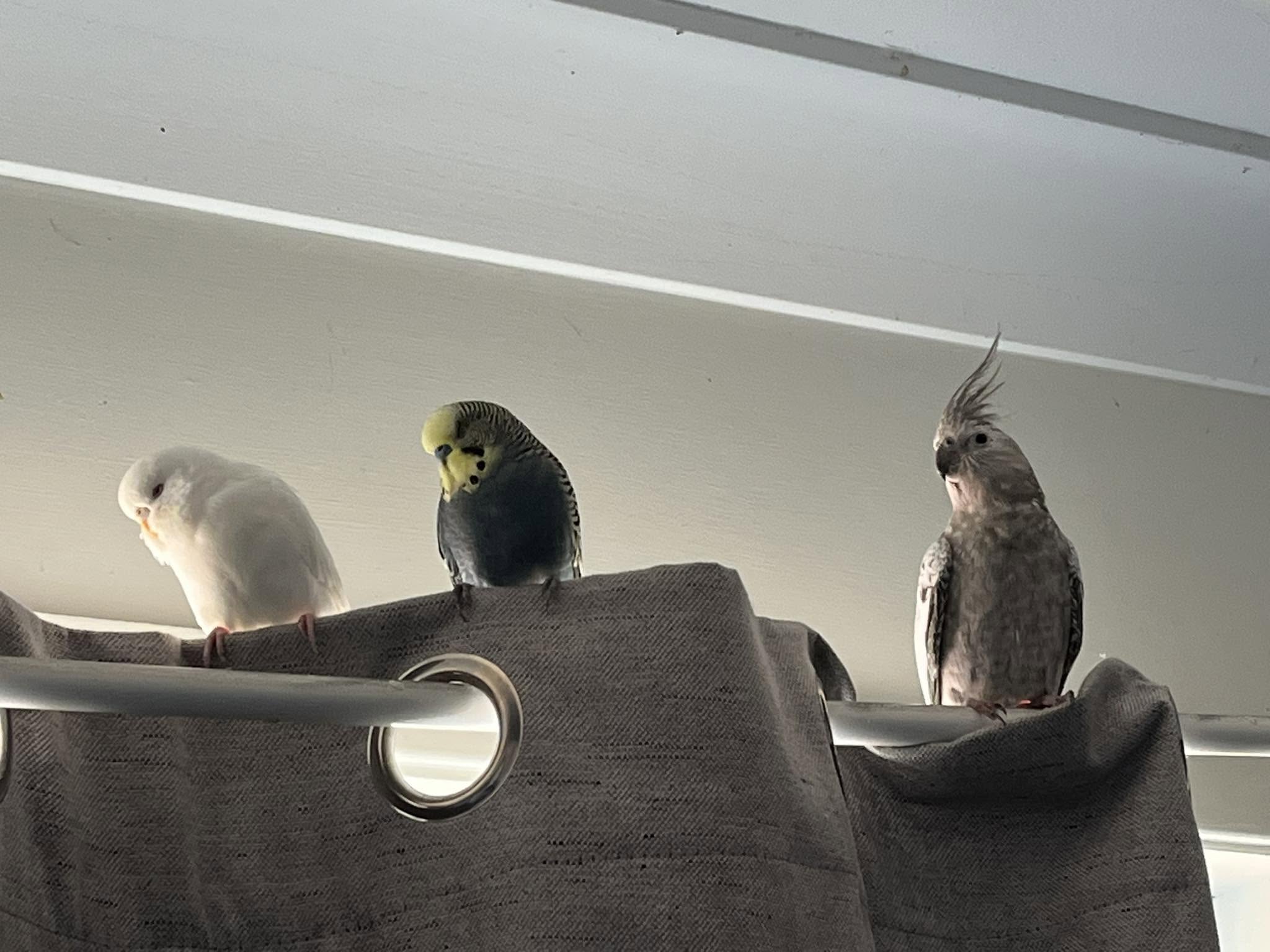
The Practical Steps — What This Actually Requires
The good news is that the practical management of this overlap is not complex. It simply requires treating the garden feeding activity and the indoor pet bird handling as two specifically separate things that need a deliberate hygiene step between them, rather than part of one continuous outdoor-to-indoor activity.
Wash your hands thoroughly with soap and water after filling, cleaning, or handling any garden feeder or bird bath, before touching your pet bird, its cage, its food, or its water. This is the single most direct and effective thing you can do. It takes thirty seconds and directly addresses the hand-to-bird transmission route that the RSPB’s new guidance, read in context of an indoor pet bird household, now makes worth thinking about.
If you have been handling a feeder that was overdue for cleaning, or that you have reason to think may have had a sick bird visit it, wash your hands and change your outer clothing before any contact with your indoor bird. The RSPB guidance recommends cleaning feeders weekly precisely because contamination accumulates with each visit, and a feeder that has not been cleaned for several weeks is carrying a significantly higher pathogen load than a recently cleaned one.
Store your pet bird’s food separately from anything that has been in contact with garden bird feeding equipment. This is straightforward to do and removes another potential indirect transmission route.
Monitor your outdoor feeder for signs of sick birds — birds that look fluffed, lethargic, or struggling to swallow, which are the visible signs of trichomonosis in wild birds. If you notice a sick bird visiting your feeder, cleaning it immediately rather than waiting for the weekly schedule is the appropriate response, and an extra hand-wash before any indoor bird contact that day is simple additional caution.
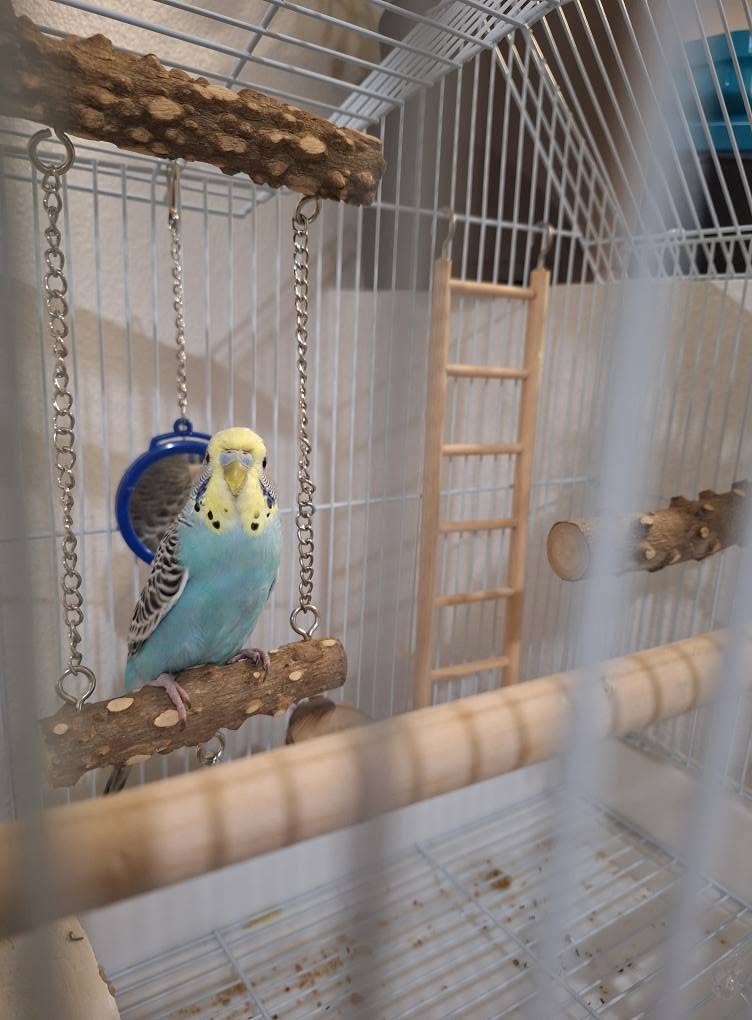
What I Tell Customers Who Feed Garden Birds and Keep Pet Birds
When this comes up at the counter — and it is coming up more frequently this year since the RSPB guidance was widely reported — I do not want to tell anyone to stop feeding garden birds. The RSPB itself has been explicit that feeding remains beneficial when done safely, and the welfare and engagement value of garden bird feeding is real and well-documented.
What I do want every household in this specific position to take from this conversation is a simple habit change, applied from now on rather than treated as something to think about later. The hygiene step between garden feeder contact and indoor pet bird contact is a thirty-second investment that reflects what the evidence now says about how this pathogen moves. That is worth taking seriously, not because the risk to your indoor pet bird is confirmed or quantified, but because the evidence on the feeder side of this is now clear enough to change behaviour on the household-crossing side of it too.
Come in if you want to talk through this or anything related to keeping your bird well. We are at Manor Garden Centre, Cheney Manor Industrial Estate, Swindon, SN2 2QJ — open every day. Or call us on 01793 512400.
- “My garden birds are healthy, there’s no risk to my indoor bird” — The RSPB’s confirmation that a single infected bird is sufficient to contaminate a feeding station means that visually healthy visiting birds at your feeder are not a reliable indicator of pathogen absence. An infected bird may show no visible symptoms while shedding the pathogen at the feeder surface it visits.
- “Trichomonosis only affects finches, not pet cage birds” — Trichomonas gallinae has a documented host range that extends beyond finches. While the documented impact in UK garden birds is concentrated in finches and doves, the pathogen’s ability to infect psittacines has been documented in veterinary literature, and the principle of basic hygiene between garden feeder contact and indoor pet bird contact applies regardless of the specific species involved.
- “I’ve been doing this for years without any problem so the risk can’t be real” — Years without a visible problem is not the same as years without exposure. Transmission events that are sub-clinical — not producing obvious illness — may occur without being attributable to a specific cause. The value of the hygiene step is not merely reactive to a problem that has already appeared.
- “If I stop feeding garden birds, I eliminate the risk to my indoor bird” — Stopping garden bird feeding is not the recommended response of the RSPB, and is not necessary for addressing the specific transmission concern described here. Simple hand hygiene between the two activities is the appropriate and proportionate response.
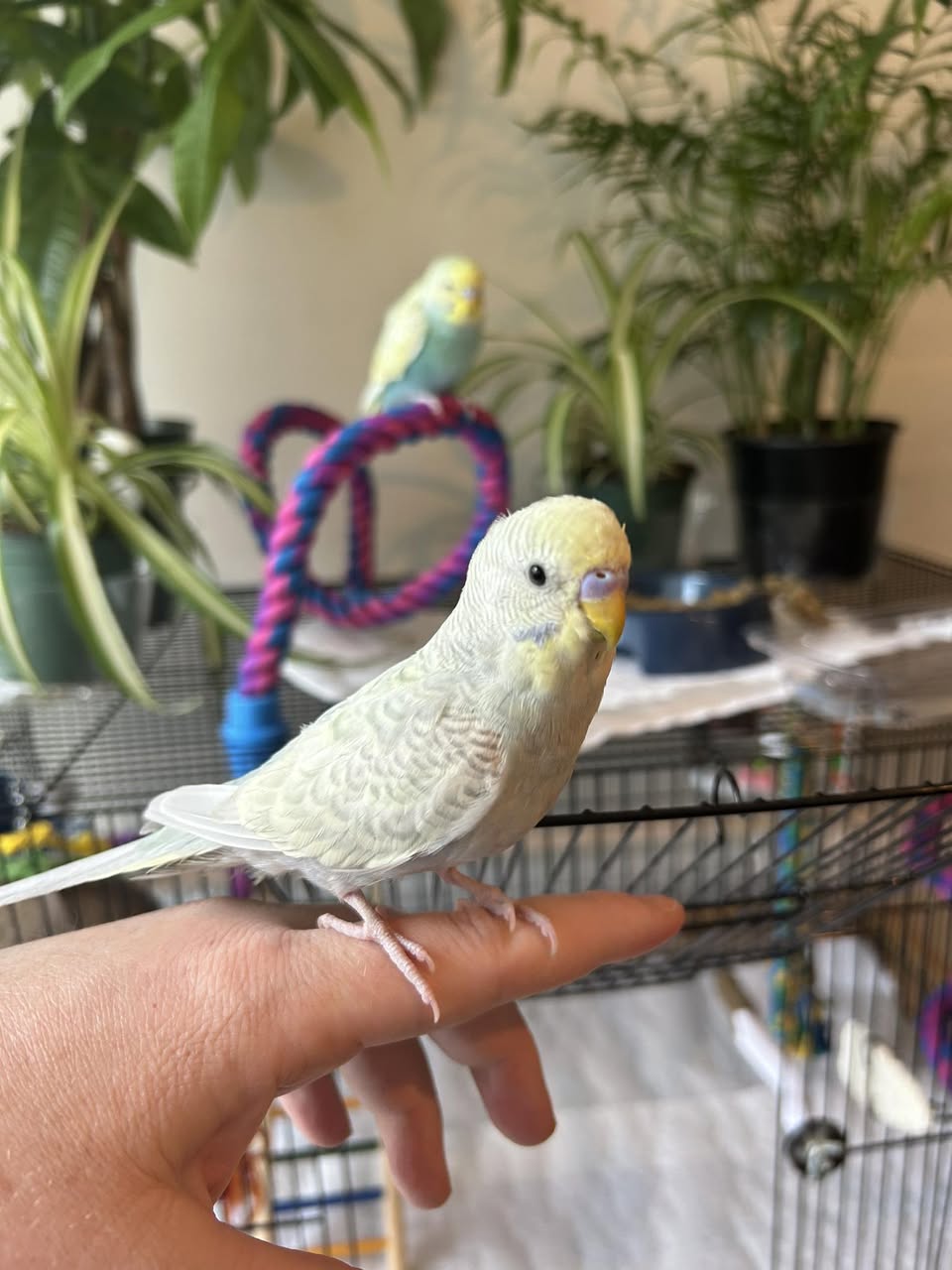
Visit Us at Paradise Pets Swindon
We stock cage and aviary birds alongside advice on both indoor bird keeping and garden bird feeding — including the appropriate hygiene practices that connect the two. Come in if you want to talk through your specific setup.
We also stock gerbils and hamsters, guinea pigs, and rabbits.
⭐ Customer Reviews
Amazing Bird Selection
Had a lovley visit today,staff were very friendly and very helpful,such a great petshop,their selection of birds is incredible,really impressed,thank so much to the staff at Paradise Pets

Friendly Helpful Staff
I have been coming to this place for years and they have a great stock of food for all types of pets. Have a great selection of small mammals and a lot of birds. Staff are friendly and helpful.

Great Quality Hutch
Bought a guinea pigs hutch and run combo, very happy with the service, the hutch was put in my car for me without even asking for help. The wood quality is very good, the instructions easy to follow and we are extremely happy with the fully built hutch. A good size for 2 guinea pigs

Response from Paradise Pets | Wiltshire
Thank you Melanie Latus Nice to provide services to you.
Best Bird Shop Around
It’s the best pet shop in and around Swindon. They always have an amazing selection of birds and all you need to keep them happy. I keep birds myself and the guys there are happy to answer questions and really know their stuff. I have seen budgies etc. in chain pet shops in the area looking really unhealthy and ill – I wouldn’t go anywhere else than Paradise Pets for animals.

Highly Recommended Bird Shop
I could not praise this shop enough. Really helped my Grandson buy his first bird and he’s loving it. Travelled from Somerset and was welcomed with open arms.

Great Shop with Competitive Prices
Great shop with amazing selection for small animals, hamsters, mice ect, highly recommend!
Also has a great selection for dogs & cats too & very competitive prices! 💖

