
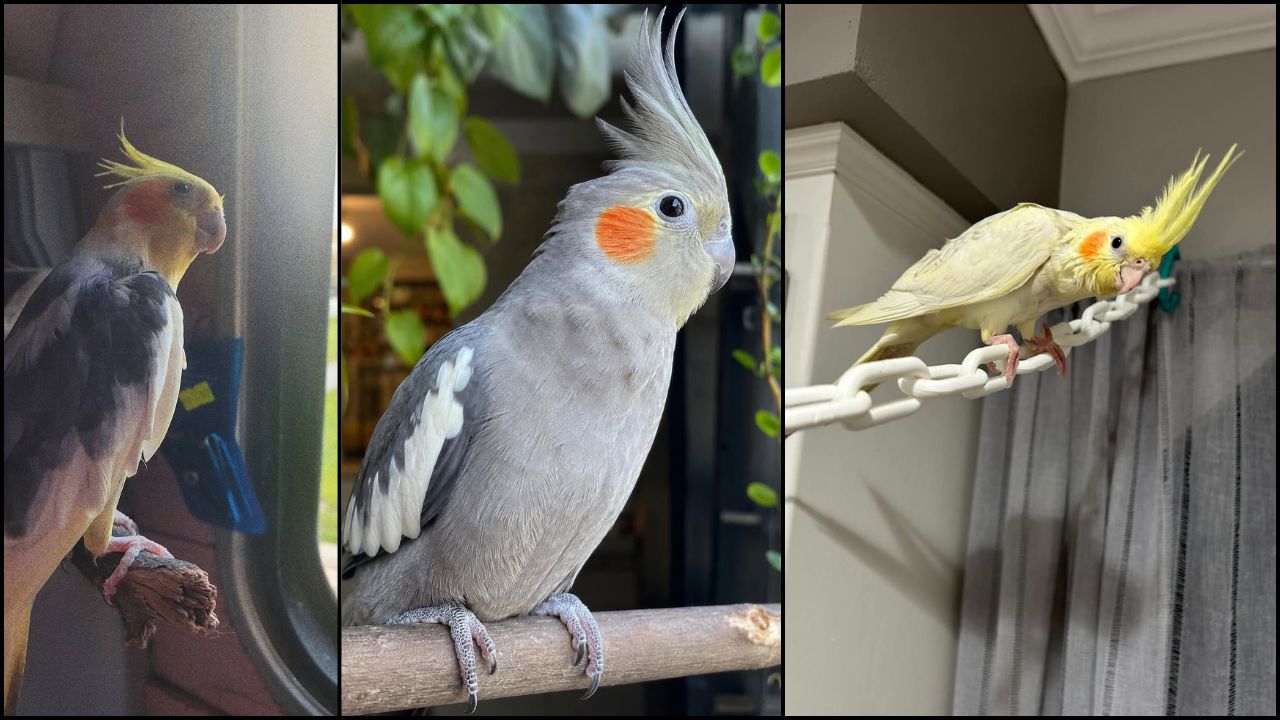

Neil has been keeping, breeding, and selling cockatiels at Paradise Pets Swindon since 1988 — over 35 years of watching the hand-tamed baby cockatiel market, what it gets right, and what it gets significantly wrong. The phrase “hand-tamed” or “hand-reared” attached to a baby cockatiel is currently one of the most common descriptors in UK pet bird listings. It is also one of the most inconsistently applied. This article is about the single question that, asked before any money changes hands, tells you immediately whether the bird you are considering is genuinely tame or whether the description is being used loosely — and what the difference means for the next fifteen to twenty years of your life with that bird.
A woman came into the shop last spring holding her phone, showing me a listing she had found online. “Hand-tamed baby cockatiel, handled daily, friendly and sociable, ready for new home.” The photographs showed a young bird, clearly healthy, in what appeared to be a clean and well-kept setup. The price was reasonable. The seller seemed genuine. She wanted to know if there was anything she should check before going to see it.
I told her there was one question she absolutely had to ask, and that the answer to it would tell her more about whether that bird was genuinely hand-tamed than any photograph, any further description, or any assessment she could make from looking at the bird in the seller’s home on the day of the visit.
She asked the question. The seller’s answer was vague — something about “handling it when it’s young” and “it seems to like people.” She came back and told me this, and I told her what I have told dozens of owners in similar situations: that answer is not the answer a genuinely experienced, genuinely hand-taming breeder gives, and the vagueness itself is the information.
What “Hand-Tamed” Should Actually Mean — The Honest Standard
Before getting to the question, it is worth establishing what genuine hand-taming of a cockatiel actually involves, because most buyers have no clear picture of this and therefore no basis for evaluating whether a seller’s account of it is adequate.
A genuinely hand-tamed baby cockatiel has been through a process that typically begins before the bird is fully weaned — during the last weeks of weaning, when the bird is still partly dependent on hand-feeding or assisted feeding, and when its primary associations with human contact are being formed. The socialisation during this window is not a matter of occasional handling; it is daily, multiple-session contact with human hands, human faces, human voices, and ideally multiple different people, so that the bird’s associations with humans generalise beyond one specific individual.
- The taming window is specific and cannot be recreated later — cockatiels have a socialisation period during which they form their primary associations with what is safe and familiar; a bird handled thoroughly during this period forms a genuinely generalised comfort with humans; a bird not handled during this period, or handled only minimally, does not form the same associations, and achieving comparable tameness later requires considerably more work and does not always produce the same result
- Genuine hand-taming involves multiple handlers, not one — a bird comfortable only with the person who raised it is not fully hand-tamed; it is comfortable with one person; genuine tameness means the bird’s comfort with humans has been generalised through contact with several different people during the critical period
- Stepping up reliably onto an unfamiliar hand is the baseline behavioural standard — not tolerating being picked up, not sitting near a human without fleeing, but actively and reliably stepping onto a hand it has not encountered before; this specific behaviour is the product of genuine socialisation and is not produced by occasional gentle handling alone
- A genuinely tame bird shows consistent, not situational tameness — calm in a new environment, calm with a new person, calm when something unexpected happens nearby; situational tameness — appearing tame in the familiar environment with the familiar person — is not the same thing and does not transfer to a new home in the same way
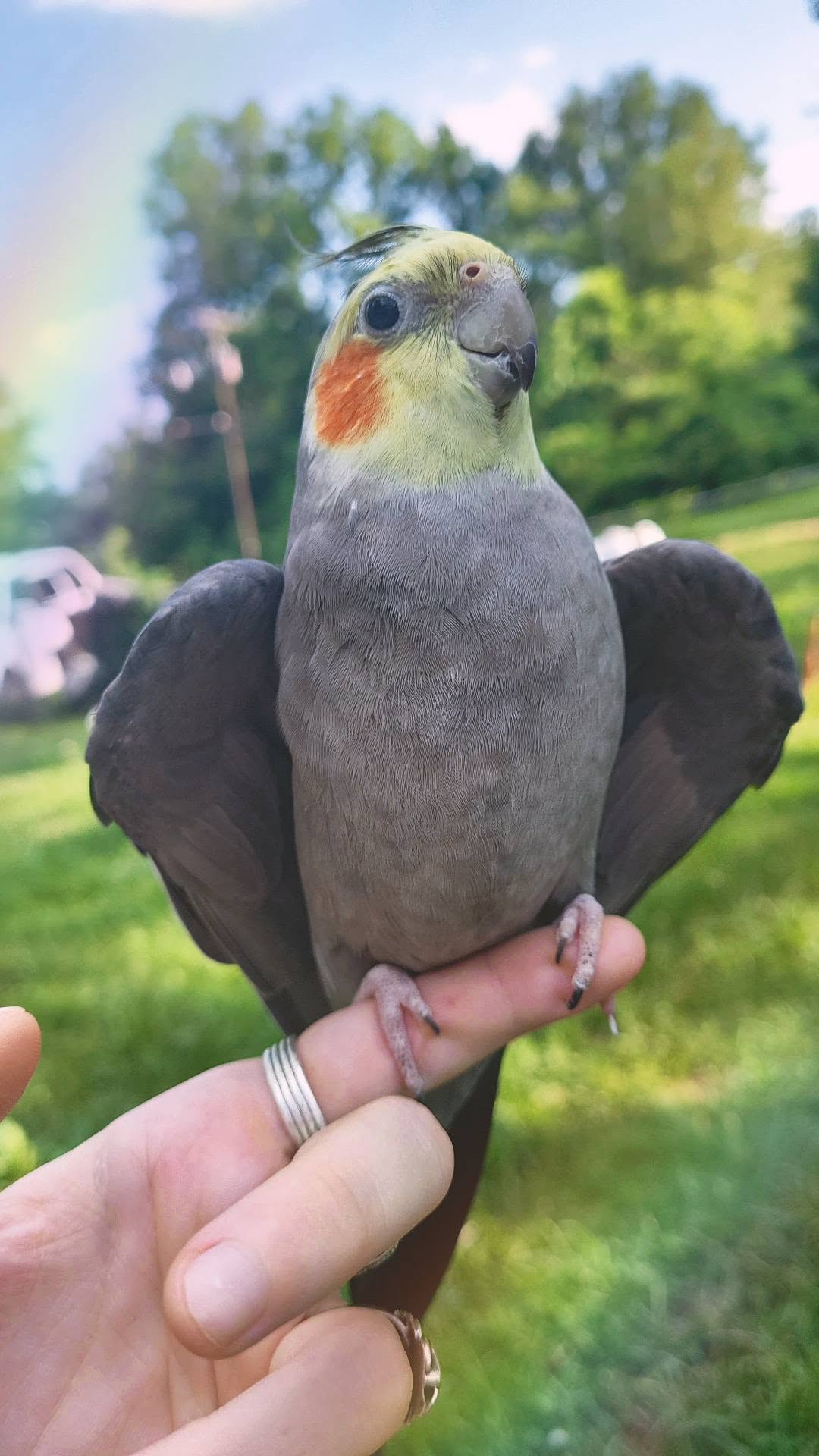
The One Question — And What The Answer Tells You
Here is the question. Ask it exactly as it is written, because the precision matters.
**”Can you describe, specifically, what your hand-taming process involves — how often you handle the bird, at what age you started, how many people have handled it, and what you do to test whether the tameness has generalised?”**
This question works because it cannot be answered adequately with a vague, general description. It requires specific information that only someone who has genuinely, deliberately, and systematically hand-tamed a bird can provide. The answers you are listening for, and the answers that tell you the opposite, are specific.
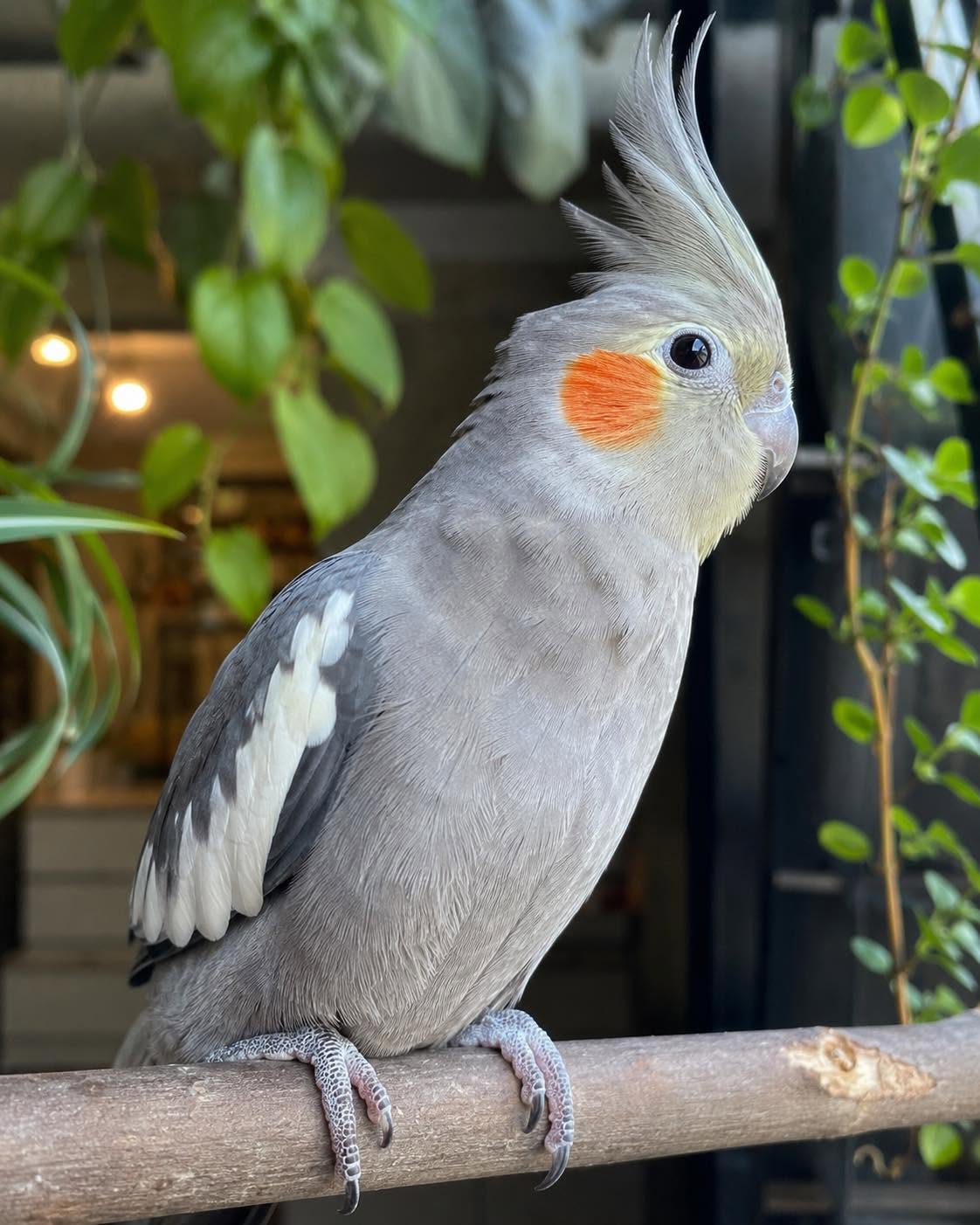
What A Good Answer Sounds Like
- Specific ages at which handling started — “I start handling them at around three to four weeks, while they are still being hand-fed, so the first associations with human hands are formed during feeding rather than as something separate from it”
- Specific frequency of handling sessions — “at least two sessions daily during the weaning period, usually three when I have the time, each around fifteen to twenty minutes”
- Multiple handlers mentioned specifically — “my partner and I both handle them, and I make sure my children and at least one or two other people spend time with them before they go; I want the bird to be comfortable with people in general, not just with me”
- A specific test of generalised tameness — “I test them with someone the bird has never met before they go; if the bird steps up reliably onto an unfamiliar hand without retreating, I’m confident the tameness has generalised; if it won’t, I keep working”
- Acknowledgement of the difference between tolerating and genuinely tame — “some birds take longer than others; occasionally one doesn’t fully tame during the window I’d like, and I’m honest about that rather than selling it as fully tame when it isn’t”
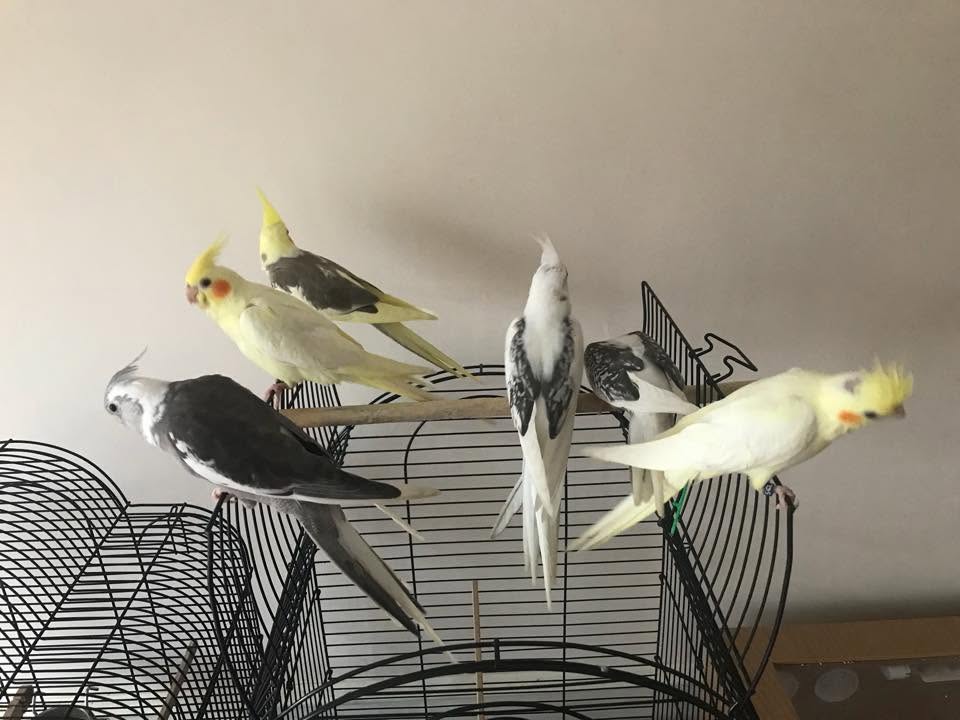
What A Concerning Answer Sounds Like
- Vagueness about timing — “we’ve been handling it since it was young” without specific ages; “young” without a number is not information
- Frequency described in terms of availability rather than deliberate practice — “whenever we have time” or “whenever it lets us” rather than a specific, consistent daily routine; genuine hand-taming is a deliberate practice, not something that happens around other activities when convenient
- Single handler described — “it’s really comfortable with me” without mention of other people; this describes a bird comfortable with one person, not a genuinely hand-tamed bird
- No test of generalised tameness described or offered — a seller who has genuinely hand-tamed a bird will typically offer to demonstrate the step-up with someone the bird has not met; a seller who has not may rely on showing you how the bird behaves with them
- “It seems friendly” or “it likes people” without specific evidence — these are descriptions of hope rather than assessment; what does “friendly” mean in a bird that has lived its whole short life with one person in one environment?
- Defensiveness or vagueness when the question is pressed — a genuine, experienced hand-tamer finds this question easy to answer and often welcomes it; a seller who cannot answer it specifically may become vague, redirect to the bird’s appearance or health, or seem uncertain what you are asking for
Why This Question Specifically — And Not Others
I want to explain why this specific question is more diagnostic than the other questions buyers typically ask.
Most buyers ask: “Is it tame?” The answer is always yes, because the seller believes it is or wants the sale.
Some buyers ask: “Can I handle it when I visit?” This is better but still limited — the bird may tolerate brief handling in its own familiar environment, with its familiar person present, which is not the same as being genuinely hand-tamed.
Some buyers try to observe the bird’s behaviour during the visit, which is also limited — a bird that appears calm in its home environment, with its familiar person nearby, may be very different in a new environment with new people.
The process question works because it does not ask about outcomes (is it tame?) or about a single data point (how does it behave right now?). It asks about the specific, repeated, deliberate actions that produce genuine tameness — the actions that either were or were not carried out during the critical window, and whose presence or absence in the seller’s account tells you which bird you are considering.
- Process cannot be faked after the fact — a seller can describe a bird as tame regardless of whether it genuinely is; a seller cannot accurately describe a specific, deliberate, multi-week hand-taming process if they have not carried one out, because the specific details are not available to them
- The specificity of the answer is itself information — the level of detail in which a breeder describes their taming process correlates directly with whether they have a detailed, practised process to describe; vague answers are not necessarily dishonest, they are often simply accurate accounts of a vague process
- It opens a productive conversation rather than closing one — a seller who can answer this question well will typically give you considerably more useful information than you knew to ask for; a seller who cannot will reveal that quickly, allowing you to make an informed decision without wasting further time
What Happens When You Buy A Bird Described As Tame That Is Not
I want to be specific about this, because it is the consequence of not asking the right question, and it is the consequence I see most consistently at this counter.
A bird sold as hand-tamed that is not genuinely hand-tamed is typically a bird that was comfortable in its seller’s home, with its seller, in a familiar environment. When it arrives in a new home with new people in a new environment, the apparent tameness — which was never generalised, never tested, never separated from the specific conditions in which it appeared — does not transfer. The bird reverts to the behaviour of an unsocialised or minimally socialised cockatiel: fear responses to handling, biting when approached, retreat to the back of the cage, vocalisation of distress in new situations.
- This is not the new owner’s failure — it is the consequence of buying a bird that was never genuinely tame in the first place; no amount of patient handling after the fact can fully replicate what should have been done during the critical window
- Genuine tameness can often be improved but not recreated — a cockatiel that missed the critical taming window can be worked with patiently and will often become significantly more handleable than it initially was, but the process is longer, harder, and less complete than it would have been with appropriate early socialisation
- The mismatch between expectation and reality produces poor welfare outcomes for both bird and owner — an owner who bought a hand-tamed bird expecting a close, interactive companion and is living with a bird that bites and retreats is an owner likely to reduce interaction, which further entrenches the bird’s fear response; the cycle is difficult to break and is entirely avoidable
- Cockatiels specifically are not forgiving of this mismatch — unlike budgies, which can be somewhat more accepting of the taming process at a later stage, cockatiels that have not been genuinely hand-tamed during the critical window require sustained, skilled, patient work to achieve reliable tameness; this is work that a first-time owner is unlikely to be equipped for without specific guidance
If You Are Buying From A Shop — What To Ask And Look For
- Ask the same process question — a reputable shop selling hand-tamed cockatiels should be able to describe the breeder’s process in specific terms, because they should know their breeders well enough to answer this; vagueness about where the birds came from and what process they underwent should produce the same caution as in a private seller context
- Ask to see the step-up demonstrated with someone the bird does not know — not just with the shop’s own staff, who may be familiar to the bird; with you, or with someone accompanying you who has not previously handled the bird
- Ask about the age and weaning status of the bird — a fully weaned bird that is recently independent but young is the ideal; a bird that was weaned months ago and has been in a shop environment without sustained daily socialisation since may have lost some of the tameness it had at point of weaning
- At Paradise Pets we only stock birds from UK breeders we know personally — and we can answer the process question directly, because we know how our breeders work; this is the standard I would encourage any buyer to expect from any shop selling hand-tamed birds
Frequently Asked Questions
Is “hand-tamed” the same as “hand-reared”?
Not necessarily, and the distinction matters. Hand-reared refers to a bird that has been fed by human hands during the early weeks of life — typically because it was pulled from the nest early and fed formula by a human carer. Hand-reared birds have early human contact during feeding, which provides a strong foundation for tameness, but hand-rearing alone does not guarantee generalised tameness without the subsequent socialisation process. A hand-reared bird that was not also systematically socialised with multiple people during the critical window may be well-handled by its primary carer but not genuinely generalised in its comfort with humans. Ask about both the rearing and the socialisation process.
What is the step-up command, and should I be able to see it demonstrated?
The step-up is the trained behaviour of a cockatiel stepping onto a presented finger or hand on cue — typically the word “up” combined with a gentle upward pressure of the finger against the bird’s lower chest. A genuinely hand-tamed cockatiel performs this reliably and consistently with familiar and unfamiliar people. You should be able to see this demonstrated with someone the bird has not previously handled — ideally yourself, if you are comfortable handling the bird. A bird that steps up reliably with its regular handler but not with you is demonstrating situational rather than generalised tameness.
Can a cockatiel become fully tame if it was not hand-tamed as a baby?
In many cases, yes — significantly tame, though rarely with the same ease and completeness as a bird that was genuinely hand-tamed during the critical window. The process requires patience, consistency, and typically several months of daily positive interaction; it is not a quick process and it requires the owner to have both the knowledge of how to do it and the time to do it consistently. For a first-time owner expecting a tame bird and finding they have received something different, this is a significant additional challenge. It is the reason why getting the initial purchase right is so much preferable to correcting a poor one.
How old should a cockatiel be when I buy it?
A fully weaned bird, typically at eight to twelve weeks of age, is the standard recommendation for a first bird. Fully independent — eating on its own without encouragement, not requiring any supplementary feeding — but young enough that it retains the comfortable human associations built during the taming process. Buying a bird that is still partially dependent on hand-feeding is not recommended for inexperienced owners, as it requires specific husbandry skills to complete the weaning process safely. Buying a bird that has been fully weaned for several months and has been in a shop or seller’s home without sustained socialisation in the interim may have some regression in tameness worth assessing specifically.
What should a cockatiel cost if it is genuinely hand-tamed?
Genuine, well-socialised, hand-tamed cockatiels from reputable breeders in the UK currently range from approximately £80 to £150 or more for standard colour varieties, with rarer colour mutations commanding higher prices. A bird significantly below this range, described as fully hand-tamed, should prompt additional questions — the investment of time required to genuinely hand-tame a cockatiel is not compatible with very low prices unless the taming is not as described. Price alone is not a reliable indicator of quality, but a very low price for a supposedly hand-tamed cockatiel is worth treating with caution.
Where can I buy a genuinely hand-tamed cockatiel in Swindon?
Come in to Paradise Pets at Manor Garden Centre, Cheney Manor Industrial Estate, Swindon SN2 2QJ — or call us on 01793 512400. We stock cockatiels from UK breeders we know personally, and we can answer the process question directly because we know how our breeders work. We are also happy to talk through what to look for if you are buying elsewhere. The advice is always free.
One Last Thing From Me
The woman who came in with the online listing went back, asked the one question, received a vague answer, and did not buy that bird. She came in to us instead, asked the same question, received a specific and detailed answer about the process our breeder uses, watched a step-up demonstrated with her, and left with a bird she has since described — in two subsequent visits to buy supplies — as exactly what she had hoped for.
The second visit, about three months after she bought the bird, she said something that I have thought about since.
“I almost didn’t ask the question,” she said. “I thought it might seem rude, or like I didn’t trust the seller.”
It is not rude. It is the most useful question a prospective cockatiel buyer can ask. A seller who has genuinely done the work will welcome it, because the work is worth being recognised. A seller who has not done the work will not be able to answer it — which is the information you need before you hand over any money.
Looking For A Genuinely Hand-Tamed Cockatiel In Swindon? Come And Talk To Us First
We can answer the process question directly, and we will demonstrate the step-up with someone the bird has not previously met. Free advice, no obligation. That is how we have done things here for 35 years.
⭐ Customer Reviews
Amazing Bird Selection
Had a lovley visit today,staff were very friendly and very helpful,such a great petshop,their selection of birds is incredible,really impressed,thank so much to the staff at Paradise Pets

Friendly Helpful Staff
I have been coming to this place for years and they have a great stock of food for all types of pets. Have a great selection of small mammals and a lot of birds. Staff are friendly and helpful.

Great Quality Hutch
Bought a guinea pigs hutch and run combo, very happy with the service, the hutch was put in my car for me without even asking for help. The wood quality is very good, the instructions easy to follow and we are extremely happy with the fully built hutch. A good size for 2 guinea pigs

Response from Paradise Pets | Wiltshire
Thank you Melanie Latus Nice to provide services to you.
Best Bird Shop Around
It’s the best pet shop in and around Swindon. They always have an amazing selection of birds and all you need to keep them happy. I keep birds myself and the guys there are happy to answer questions and really know their stuff. I have seen budgies etc. in chain pet shops in the area looking really unhealthy and ill – I wouldn’t go anywhere else than Paradise Pets for animals.

Highly Recommended Bird Shop
I could not praise this shop enough. Really helped my Grandson buy his first bird and he’s loving it. Travelled from Somerset and was welcomed with open arms.

Great Shop with Competitive Prices
Great shop with amazing selection for small animals, hamsters, mice ect, highly recommend!
Also has a great selection for dogs & cats too & very competitive prices! 💖

