

Neil has been keeping, breeding, and selling birds at Paradise Pets Swindon since 1988 — over 35 years of daily experience with cage birds and the people who love them. The RSPB and British Trust for Ornithology published their joint Climate Change and UK Birds report on 1st July 2026, two days ago at the time of writing. It identifies specific species under acute climate pressure, documents the mechanisms by which climate change is already reshaping UK bird populations, and calls for urgent action. This is his honest response to what it says — and what it means for the person keeping a bird in their living room.
I want to start with something the report says directly, because it is the sentence that stayed with me after reading it.
“Without conservation action, in a worst-case scenario of high carbon emission levels, some seabird species could decline by more than 70 percent by 2050.”
Not eventually. Not at some theoretical future point. By 2050. That is within the lifetime of most people reading this. It is within the lifespan of a cockatiel bought from this shop today.
The RSPB and BTO’s Climate Change and UK Birds report, published this week, is not a prediction document or a worst-case speculation exercise. It is an assessment of what is already happening, built on decades of systematic monitoring by the organisations that do this work at scale. The Breeding Bird Survey, which underpins much of the data, has been running for thirty years. The trends it documents are real, measurable, and — for several species — clearly accelerating.
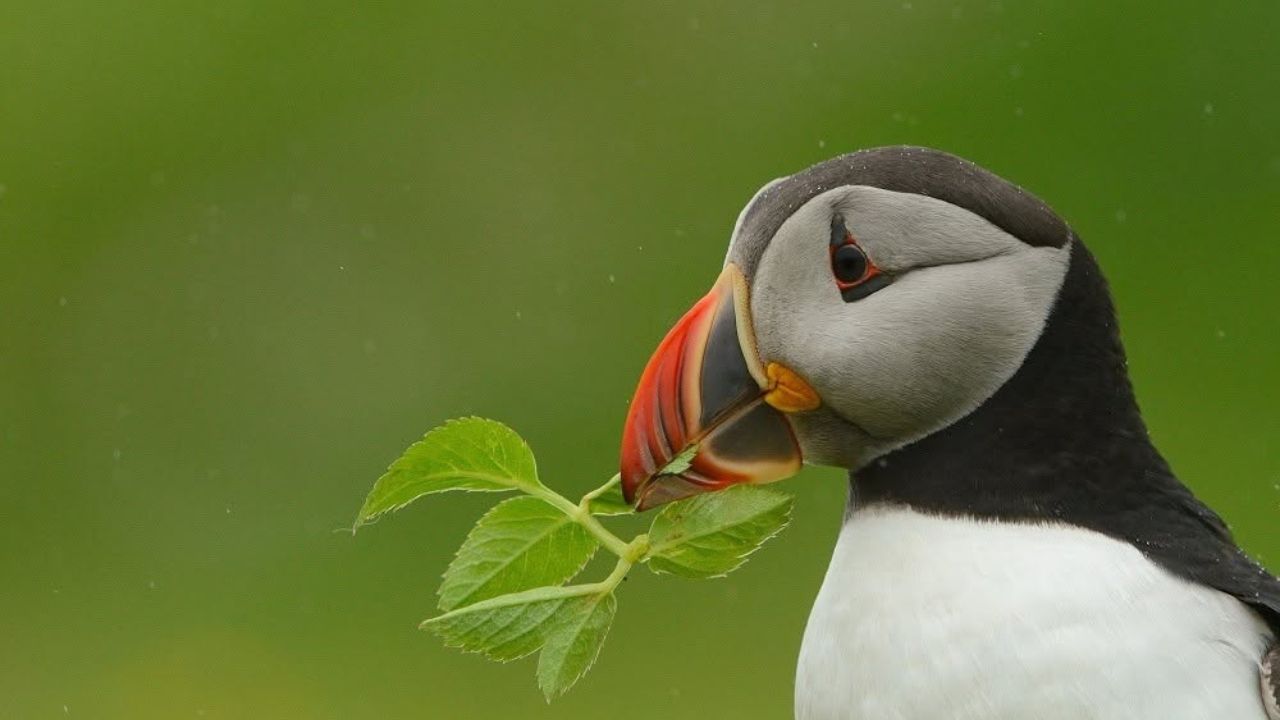
I have been keeping birds since 1988. I have watched three species named specifically in this report change dramatically within the span of my working life. One of them — the puffin — I saw in extraordinary numbers on Skomer Island, off the Welsh coast, during a trip in the early 1990s. I have been back since. The comparison is uncomfortable.
This is what the report says, why it matters, and what the connection is to the bird in your home.
The Three Species The Report Identifies As Most At Risk — And What Is Happening To Each
The report names specific species under acute climate pressure. Three stand out for the clarity of the mechanism, the speed of the documented decline, and the scale of what is at stake.
The Puffin — A Sandeel Crisis Measured In Chick Deaths
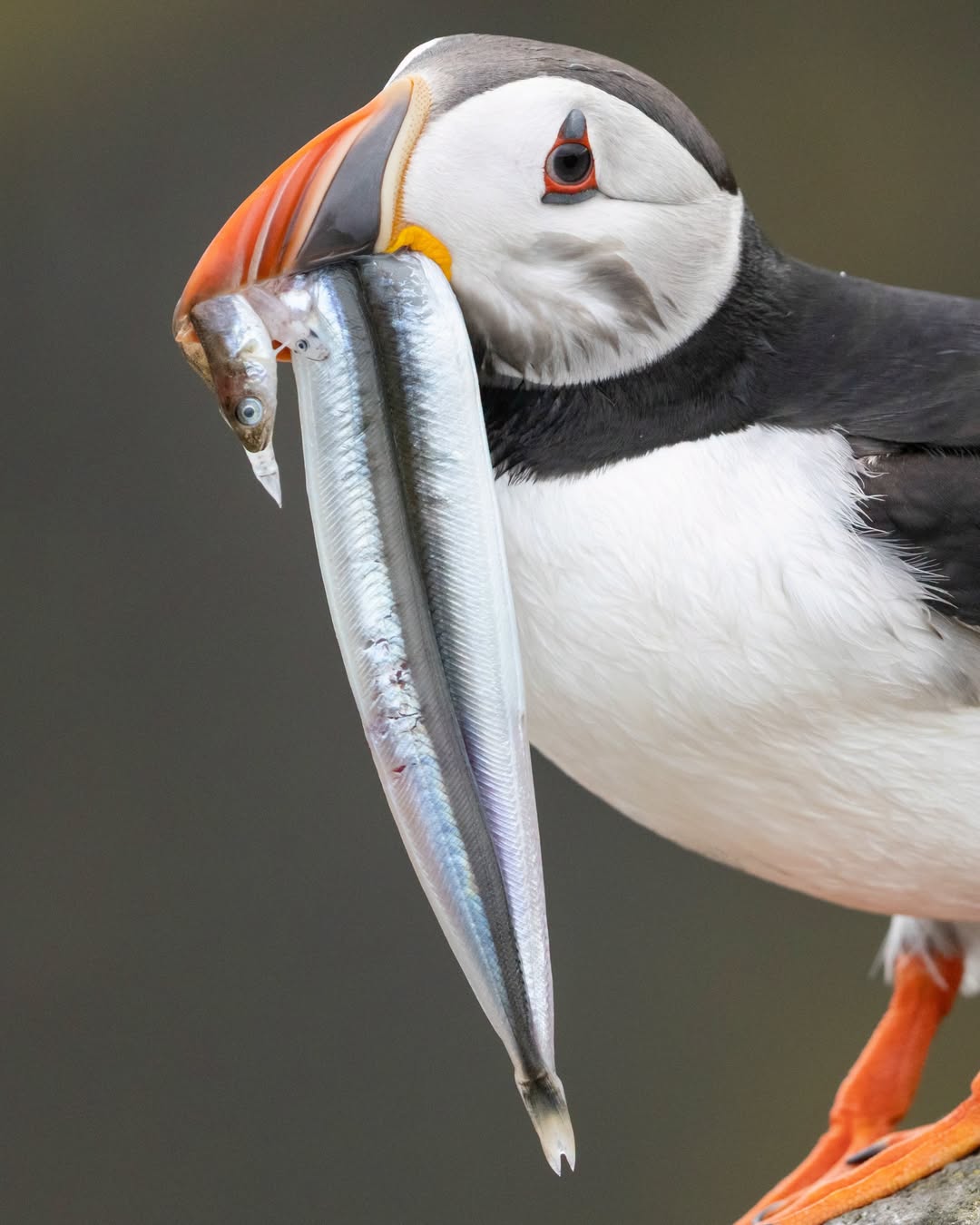
The puffin is the species most people recognise when they think about UK seabirds, and it is among those the report places under the most severe climate pressure. The mechanism is direct and well-documented.
- Puffins feed their chicks almost exclusively on sandeels and other small fish — the timing of chick-rearing has historically coincided with peak sandeel availability in the seas around UK breeding colonies; this synchronisation is breaking down
- Warming seas are causing sandeels to move deeper and further north — following the cooler water temperatures they require; this makes them significantly less accessible to puffins diving from surface colonies; adult birds are having to travel further and dive deeper for less food
- The result is chick starvation — not universally, and not every year, but consistently enough that breeding success at many UK colonies has fallen sharply; chicks that are not fed adequately before they fledge do not survive their first winter at sea
- More frequent storms during the breeding season are compounding the problem — preventing puffins from fishing on days when seas are too rough; and heavy rainfall events can flood the burrows where puffin chicks are raised
- The UK hosts approximately nine percent of Europe’s puffins — this is not a peripheral population; these are globally significant breeding colonies, and their decline has international implications
The Arctic Tern — Migration Timing In A Changing Climate
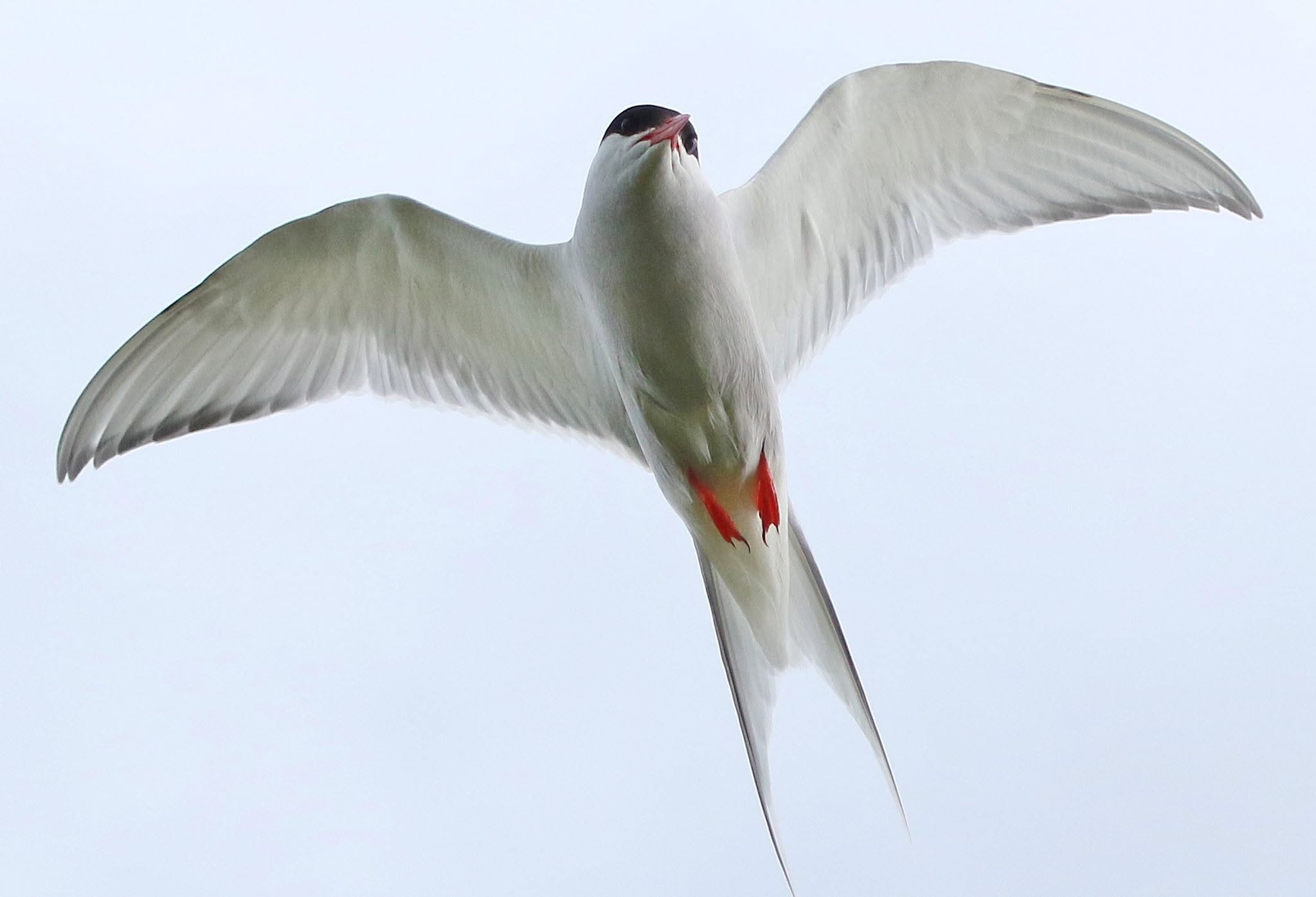
The Arctic tern makes one of the longest migrations of any animal on Earth — breeding in the UK and spending its winters in the southern oceans, following the sun across the globe each year. This extraordinary journey is, it turns out, exactly what makes it so vulnerable to climate disruption.
- Arctic terns time their return to UK breeding colonies based on day length, not temperature — they arrive on a fixed internal calendar that does not adjust to changing conditions; as UK springs arrive earlier due to warming, the food resources the birds need on arrival are increasingly out of phase with when they get here
- Sandeel and small fish availability, which the terns also depend on, has declined at many UK breeding sites — the same warming sea mechanism that affects puffins affects terns; fish are deeper, further away, or simply less abundant when and where the terns need them
- Rising sea levels and increased storm surge events threaten the low-lying coastal and island breeding sites — terns nest on beaches and low rocky shores that are increasingly vulnerable to flooding during the breeding season
- Wales holds the UK’s largest Arctic tern colony on the Skerries off Anglesey — what happens to that colony is not a local Welsh issue; it is a nationally and internationally significant breeding population
The Dotterel And Golden Plover — An Upland Habitat Disappearing
While seabirds take the headlines in the report, the upland species it identifies are, in some ways, the more stark story — because the mechanism is a direct loss of the specific habitat conditions these birds evolved for, with nowhere alternative to go.
- Dotterels and golden plovers breed on the cool, wet, wind-swept upland plateaux of Scotland and northern England — these habitats are defined by specific temperature and moisture conditions that are directly threatened by warming
- Climate change is reducing soil moisture levels in upland areas — drier upland soils support fewer craneflies; craneflies are the primary food source for dotterel and golden plover chicks; breeding success falls when cranefly numbers fall
- The climate envelope — the range of conditions these species can breed in successfully — is both shrinking and moving uphill — at some point, there is no further uphill to go
- These are already rare and specialised birds — they do not have the population reserves that allow more common species to absorb pressure; each breeding failure in a declining population matters more than the same failure would in an abundant one
The Three Mechanisms The Report Identifies — And Why They All Matter
Beyond the specific species, the report is clearest and most useful when it explains the mechanisms driving change. There are three, and they interact with each other in ways that make the combined picture more serious than any one mechanism alone.
Changing Species Distribution
- Warmer conditions are allowing more adaptable and southern species to expand northward — little egrets are the most cited example; dartford warblers, spreading from their traditional southern heathland range, are another; for these species, climate change is, at least in the short term, enabling range expansion
- But the gains are not equivalent to the losses — as generalist and warm-adapted species spread, specialist species adapted to specific conditions are losing the conditions they need; species diversity decreases when specialists are replaced by generalists even when overall bird numbers remain similar
- The willow warbler illustrates this directly — the report notes that numbers have collapsed in southern England while populations have grown in Scotland; the bird is not going extinct, but its distribution is shifting north faster than its ecology can fully accommodate; some southern populations that once existed are simply gone from those areas now
- Winter distributions of waterbirds are also shifting — species like Bewick’s swans and goldeneye ducks, which historically wintered in the UK in significant numbers, are spending winters further north and east as milder conditions in their traditional UK wintering areas reduce the need to travel as far south; UK populations of these birds are declining not because of what is happening in the UK but because of what is happening to the conditions that historically brought them here
Loss of Seasonal Food — The Timing Problem
- Spring is arriving around eleven days earlier in the UK than it did thirty years ago — this advances the emergence of insects, particularly caterpillars, which form the primary food source for the chicks of many garden and woodland bird species
- Resident species can partially adapt — blue tits, which use local temperature cues to time egg-laying, have been advancing their breeding earlier and can partially track the earlier caterpillar emergence; the match is not perfect but it is better than for migratory species
- Migratory species cannot adapt in the same way — pied flycatchers use day length, not temperature, to trigger their return migration from West Africa; they arrive in the UK on a calendar that was calibrated over evolutionary time to match when caterpillars were typically available; as springs warm and caterpillars emerge earlier, the flycatchers arrive after the peak, not at it; breeding success falls
- This timing mismatch is one of the clearest and best-documented climate change effects on UK birds — it is not a modelled prediction, it is an observed, measured, ongoing reality across multiple species and multiple decades of monitoring
Growing Pressure on Protected Areas
- Protected areas and Special Protection Areas were designated based on the species distributions that existed when they were established — as climate change shifts those distributions, some designated areas are now less ecologically relevant to the species they were designed to protect, while areas where species have moved are not protected
- The report calls for the protected area network to become more flexible and responsive — adapting existing sites as species distributions change, and designating new protected areas in locations where species are now establishing rather than only where they historically were
- Without this adaptation, the protected area network loses effectiveness precisely as the pressures on it increase — this is not a criticism of how the network was established, but an acknowledgement that a static system cannot protect a dynamically shifting ecology
What This Has To Do With The Bird In Your Living Room
This is the question I want to answer directly, because it is the genuine reason this article exists on a pet bird shop’s website rather than on an environmental news platform.
The connection is not rhetorical. It is practical and specific.
- The species in this report are the wild relatives and ecological counterparts of the birds sold in this shop — puffins, terns, and warblers are not the same species as budgies and cockatiels, but they exist in the same avian world, subject to the same broad ecological pressures; what the science of wild bird decline teaches us about climate mechanisms is directly relevant to understanding the threats to all birds
- The disease dynamics documented alongside climate change affect domestic birds directly — HPAI H5N1, which is part of the broader pressure documented in related reports, has been detected across multiple bird species including domestic ones; the boundary between wild bird health and pet bird health is more permeable than most owners assume
- The timing mismatch mechanism documented for pied flycatchers and blue tits explains what UK pet bird owners are already experiencing — when I write about summers getting hotter and the need to manage cage positions differently than owners did fifteen years ago, I am describing the same climate-driven change that the report documents for wild birds; the mechanism is the same even though the immediate expression differs
- The people keeping birds carefully are precisely the constituency that conservation needs engaged — the report calls for expanded citizen science monitoring; the Big Garden Birdwatch and BTO Garden Birdwatch programmes that generate real conservation data depend on people who already pay close attention to birds, which is what bird keepers do as a matter of daily habit
- Understanding that these species are genuinely at risk changes how you respond to conservation asks — not as a general environmental sentiment but as a specific, evidenced, urgent situation affecting birds you may care about; the puffin colonies you might visit on a trip to Wales or Scotland are not safe, and the report makes clear how unsafe they are
What The Report Asks For — And What Bird Owners Can Do
The RSPB and BTO’s report does not end with the problem. It identifies five areas for action and the actions within them that the evidence supports.
- Adapt protected areas — strengthen management of existing sites and create new ones that accommodate the changing distribution of species; this is policy-level action, but it is supported by the public engagement and membership funding that organisations like the RSPB depend on
- Build landscape-scale resilience through habitat restoration — restoring unprotected habitats to provide connectivity between protected sites; this includes the garden-level actions that individual households can take — native planting, insect-supporting food plants, consistent water provision — that aggregate across millions of gardens into a meaningful habitat network
- Prioritise high-risk species with targeted conservation — the puffin sandeel connection, the dotterel cranefly connection, the pied flycatcher caterpillar timing issue; these are specific, identifiable problems with specific potential solutions; conservation funding directed at them has measurable outcomes
- Participate in citizen science monitoring — the Big Garden Birdwatch, the BTO Garden Birdwatch, and related schemes are not peripheral activities; they generate the long-term datasets that underpin reports like this one; every participating household contributes data that has genuine scientific value
- Support the organisations doing this work — RSPB membership and BTO membership fund the monitoring, the research, and the conservation action; this is the most direct individual contribution most people can make to the outcomes the report calls for
Frequently Asked Questions
Is the RSPB and BTO’s climate report new, and is it reliable?
The report was published on 1st July 2026 — two days before this article was written — by the Royal Society for the Protection of Birds and the British Trust for Ornithology. Both organisations conduct systematic, peer-reviewed monitoring of UK bird populations and are the primary authoritative sources on UK bird status. The data underpinning the report includes the Breeding Bird Survey, which has been running for thirty years, and draws on data from monitoring sites across the country. It is as reliable as UK bird population science gets.
Will puffins really decline by 70 percent?
The 70 percent figure represents a worst-case, high-emissions scenario projection rather than a certain prediction. The report is explicit about this. The projection assumes continued high carbon emissions with no conservation action specifically targeted at the seabird food chain. The actual outcome depends on both emissions trajectories and the scale and effectiveness of conservation intervention. The figure is not there to be alarming for its own sake — it is there to illustrate what the science says is at stake without action, which is the context in which conservation arguments about urgency make most sense.
What can I do at home that actually helps?
The most impactful home-level actions are, in order of evidence-based value: participating in citizen science surveys including the Big Garden Birdwatch; supporting RSPB or BTO membership; creating genuinely wildlife-supporting garden habitat through native plants and consistent food and water provision; and reducing or eliminating pesticide use in your garden to support the insect populations that underpin bird food chains. These are not equivalent in impact to large-scale policy action, but they are not trivial either — millions of UK gardens that are managed well for wildlife aggregate into a meaningful habitat network.
Does climate change directly affect my pet budgie or cockatiel?
The most direct and immediate effect is the summer heat, which is covered in the heat stress guide on this site. Budgies and cockatiels are from warm climates but they cannot move to seek shade in a cage the way their wild counterparts can. UK summers are now producing conditions that require active cage management in ways that were not necessary fifteen years ago. Beyond this, the disease ecology and vector dynamics that climate change affects are broadly relevant to the health environment in which all birds, including pet birds, exist.
Where can I read the full RSPB and BTO report?
The full report is available on the RSPB’s website at rspb.org.uk. The news article published alongside it on 1st July 2026 provides a clear summary of the key findings and links to the full document. I would encourage anyone who keeps birds and cares about what is happening to UK bird populations to read at least the summary.
One Last Thing From Me
I have been thinking, since reading this report, about a conversation I had in the shop about fifteen years ago. A customer — a man who had been watching garden birds for most of his adult life — told me that what had changed most visibly in his garden over his lifetime was not any single species appearing or disappearing, but the way the seasons felt. The birds were still arriving, broadly. But they were arriving differently, at different times, with different urgency. Something had shifted in the rhythm of it.
At the time I filed that observation away as the kind of thing experienced naturalists notice and younger people cannot quite see yet. Reading the RSPB and BTO report this week, I found the specific mechanism that produces exactly what he was describing — the timing mismatches, the shifting distributions, the food availability changes that are rewriting the seasonal patterns that bird populations evolved over millennia to match.
He was right. He was noticing it in real time, fifteen years before the report confirmed it in systematic data.
The science does not change what he saw. But it confirms that what he saw was real, is measurable, and is, without action, going to get worse.
If you keep birds because you care about birds, this report is relevant to you. Not as a distressing piece of news to absorb and set aside, but as a clear account of what is at stake and what, specifically, needs to happen to change the trajectory.
The puffins are still on Skomer. The dotterels are still on the Scottish plateaux. The pied flycatchers are still making their extraordinary journey from West Africa every spring. There is still something to protect. The question is whether we treat that as permanent and therefore deferrable, or as contingent and therefore urgent.
After 35 years, I am firmly in the second camp.
Questions About What Is Happening To UK Birds, Or Your Own Bird’s Care? Come In.
Whether you want to talk about the science in this week’s report, or simply want honest advice about looking after the bird you have at home, we are happy to help. Free advice, no obligation. That is how we have done things here for 35 years.
⭐ Customer Reviews
Amazing Bird Selection
Had a lovley visit today,staff were very friendly and very helpful,such a great petshop,their selection of birds is incredible,really impressed,thank so much to the staff at Paradise Pets

Friendly Helpful Staff
I have been coming to this place for years and they have a great stock of food for all types of pets. Have a great selection of small mammals and a lot of birds. Staff are friendly and helpful.

Great Quality Hutch
Bought a guinea pigs hutch and run combo, very happy with the service, the hutch was put in my car for me without even asking for help. The wood quality is very good, the instructions easy to follow and we are extremely happy with the fully built hutch. A good size for 2 guinea pigs

Response from Paradise Pets | Wiltshire
Thank you Melanie Latus Nice to provide services to you.
Best Bird Shop Around
It’s the best pet shop in and around Swindon. They always have an amazing selection of birds and all you need to keep them happy. I keep birds myself and the guys there are happy to answer questions and really know their stuff. I have seen budgies etc. in chain pet shops in the area looking really unhealthy and ill – I wouldn’t go anywhere else than Paradise Pets for animals.

Highly Recommended Bird Shop
I could not praise this shop enough. Really helped my Grandson buy his first bird and he’s loving it. Travelled from Somerset and was welcomed with open arms.

Great Shop with Competitive Prices
Great shop with amazing selection for small animals, hamsters, mice ect, highly recommend!
Also has a great selection for dogs & cats too & very competitive prices! 💖

