
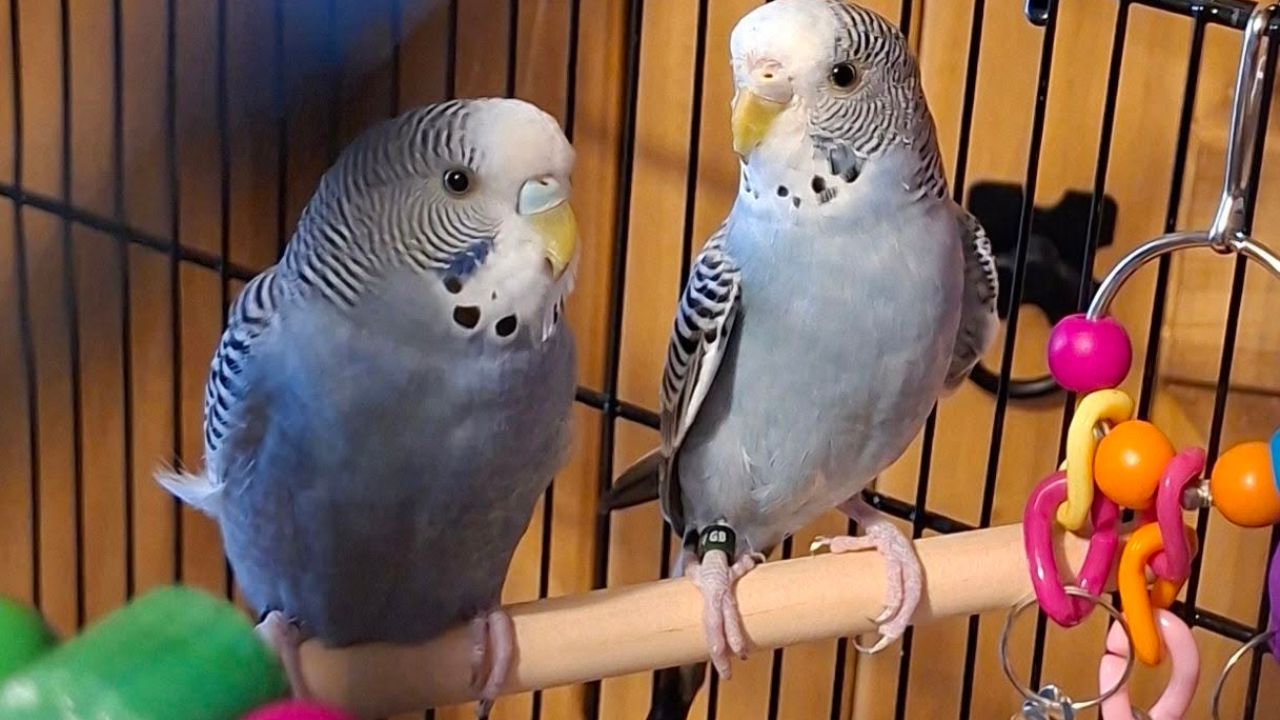

Neil has kept, bred, and sold pet birds at Paradise Pets Swindon since 1988 — over 35 years of welcoming UK new bird owners through the shop door for the first time, and watching what happens in the crucial first week of their pet bird ownership. UK pet bird ownership is now at genuinely peak levels — approximately 3 million pet birds across UK homes according to UK Pet Food (PFMA) data, with over one million budgies alone. This substantial community of UK pet bird owners is growing month after month as new households discover pet birds. But after 35 years at the counter, Neil has watched hundreds of well-meaning UK new bird owners make the same specific mistake in the first week of ownership — a mistake that damages the trust-building foundation of the entire relationship, and one that is completely preventable once new owners understand what their new pet bird actually needs from them during those crucial early days. This is his honest, welfare-led guide to the one thing most UK new bird owners get wrong in the first week — and exactly what to do instead.
A young couple came into the shop one Saturday afternoon looking exhausted and quietly upset. They had bought their first pet budgie, Kiwi, exactly ten days earlier. They had done everything they thought was right — welfare-standard cage, quality UK food, filtered water, appropriate toys, a warm indoor location away from draughts. They had also spent hours every day with Kiwi during those ten days, talking to him constantly, trying to feed him treats from their hand, gently attempting to get him to step up onto their fingers, and inviting family members over to meet the new bird. The problem, as they described it, was that Kiwi had become progressively more terrified rather than more comfortable. He was now refusing to eat when they were nearby, hiding in the back of the cage, and had started plucking at his own chest feathers. They wanted to know whether Kiwi was ill, whether they had bought a “bad” bird, or whether something they had done was making him worse.
I sat with them for half an hour and explained the honest answer, which is one I have given hundreds of times over 35 years — Kiwi was not ill. They had not bought a bad bird. But they had done exactly what most UK new bird owners do in the first week, and exactly what most UK new bird owners have not been warned about at point of purchase. They had overwhelmed a naturally cautious prey species with immediate intense interaction, family exposure, and handling attempts before Kiwi had any chance to settle into the sensory reality of his new home. The result was predictable, genuine welfare-relevant, and completely reversible with the right approach going forward. Six weeks later, when they came back to the shop for supplies, Kiwi was thriving. He had begun coming to the front of the cage when they entered the room, was eating normally, had stopped plucking, and was starting to show his individual personality. The turnaround had happened because they had done exactly the opposite of what they had done in that first devastating week.
I am writing this article because UK pet bird ownership is now at peak levels — approximately 3 million pet birds across UK homes according to UK Pet Food data, with over one million pet budgies alone — and hundreds of UK new bird owners every month are making the same specific first-week mistake without any warning about the welfare implications. The mistake is not a sign of bad ownership. It is a sign that UK point-of-purchase guidance has consistently under-prepared new owners for what their pet bird actually needs during the critical first week. This article addresses that gap honestly.
This article is the conversation I have at the counter with UK new bird owners who genuinely care about their new pet and want to build the best possible relationship with them. By the end of it, you will understand exactly what your new UK pet bird actually experiences in the first week of arrival, why over-handling and over-interaction damages trust-building, what welfare-led first-week behaviour genuinely looks like day by day, what signs of settling-in stress to watch for, and exactly how to correct the situation if you have already made this mistake in your first days.
The UK Pet Bird Peak Context — And Why New Owner Guidance Matters More Than Ever
For UK readers wanting to understand where new owner welfare fits in the current UK pet bird landscape, here is the honest picture based on 35 years of watching the community grow.
What the current UK pet bird ownership picture actually shows:
- Approximately 3 million pet birds across UK homes according to UK Pet Food (PFMA) data
- Over 1 million pet budgies specifically — the UK’s most popular pet bird species
- UK pet bird ownership is at genuinely peak levels historically
- Hundreds of new UK bird owners every month across independent shops and chain retailers
- Growth driven by post-pandemic pet interest continuing into 2026
- UK households discovering pet birds increasingly across diverse demographics
- First-week welfare guidance genuinely under-provided at UK point-of-purchase
- Welfare-led independent UK shops carry particular responsibility for this guidance gap
- Community-wide welfare improvement depends partly on first-week outcomes
- Individual first-week experiences shape long-term UK owner engagement with pet bird welfare
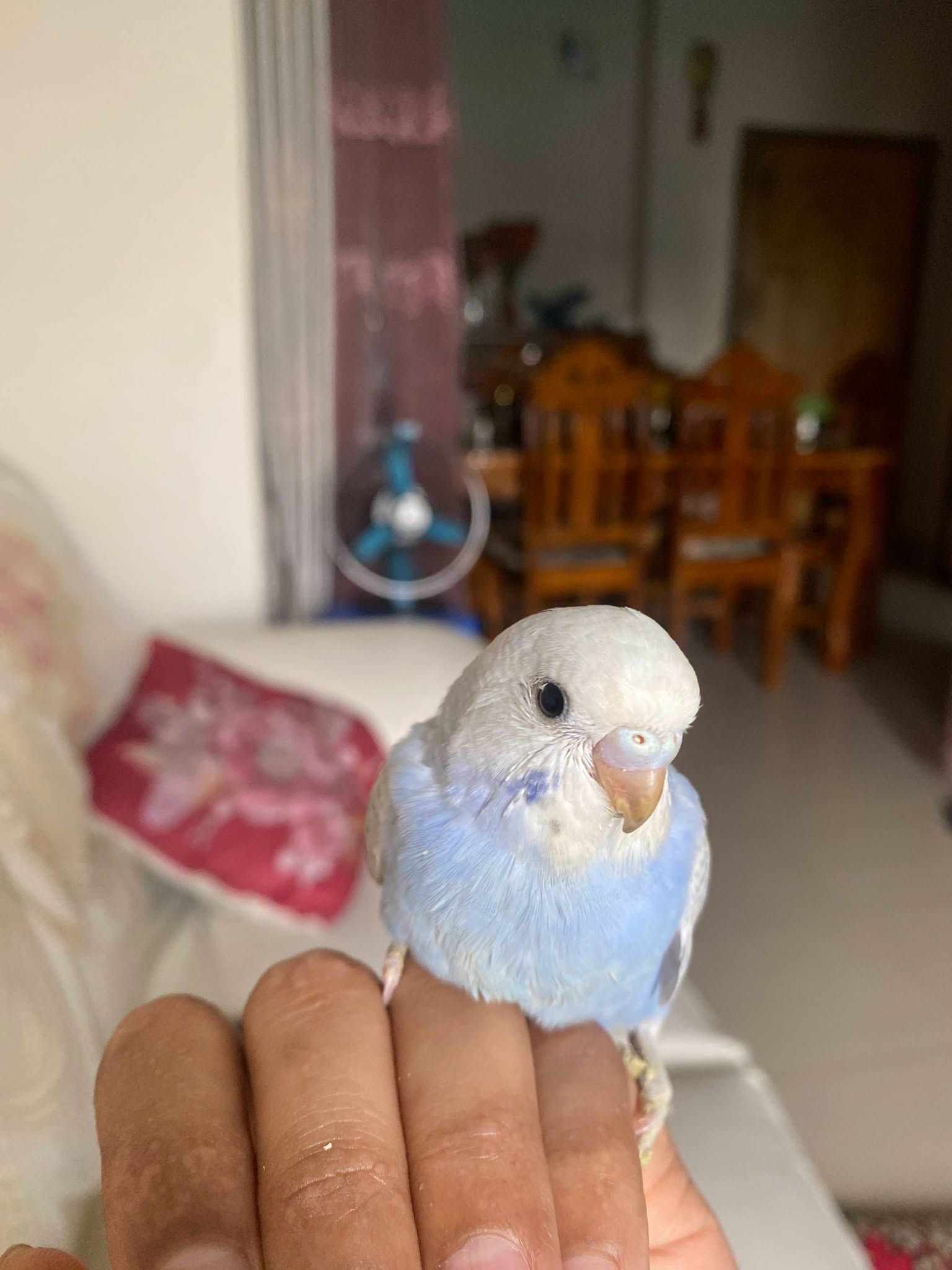
The scale of UK pet bird ownership matters because it means the first-week welfare gap I am describing affects hundreds of individual UK birds every single month across the community. When each of those new birds arrives in a home that follows the common first-week mistake pattern, welfare distress is created that could have been avoided with better guidance. The cumulative impact across the UK new bird owner community is substantial.
For more on the UK pet bird ownership context, our article on why the UK now has over a million pet budgies covers the broader community context that makes this welfare consideration matter for so many individual UK birds.
What UK New Bird Owners Typically Get Wrong In The First Week
For UK new bird owners wanting to understand the specific behaviours that constitute the common first-week mistake, here is the honest picture based on 35 years of watching UK new owners at the counter.
What UK new bird owners typically do in the first week that harms welfare:
- Attempting to handle the new bird immediately — often within hours of arrival
- Talking constantly and loudly to the new bird from close range
- Inviting family members and friends to meet the new bird — sometimes multiple visits in the first week
- Moving the cage around the home to different rooms or positions
- Sticking hands into the cage frequently to adjust things or offer treats
- Attempting training exercises immediately — step-up, target training, mimicry
- Playing loud music or television near the cage
- Vacuum cleaning or using loud appliances close to the cage
- Introducing multiple new toys and food items simultaneously
- Cleaning the cage extensively within the first few days
- Photographing the bird with flash — often extensively for social media
- Expressing disappointment when the bird “doesn’t want to bond immediately”
- Panic-checking the bird frequently when it withdraws
- Adding a second bird within the first week without proper introduction protocol
Why these behaviours consistently damage new bird welfare:
- New birds are prey species with heightened threat perception during unfamiliar situations
- Sensory overwhelm produces measurable stress responses in newly-arrived pet birds
- Handling attempts before settling create lasting trust damage
- Multiple unfamiliar humans multiply threat perception
- Environmental instability prevents psychological adjustment
- Repeated hand intrusions into cage create hand-fear associations
- Training pressure produces avoidance rather than learning in stressed birds
- Loud noises trigger flight responses that reinforce fear associations
- Novelty flooding overwhelms limited coping capacity of newly-arrived birds
- Panic-checking reinforces the human as threat source psychologically
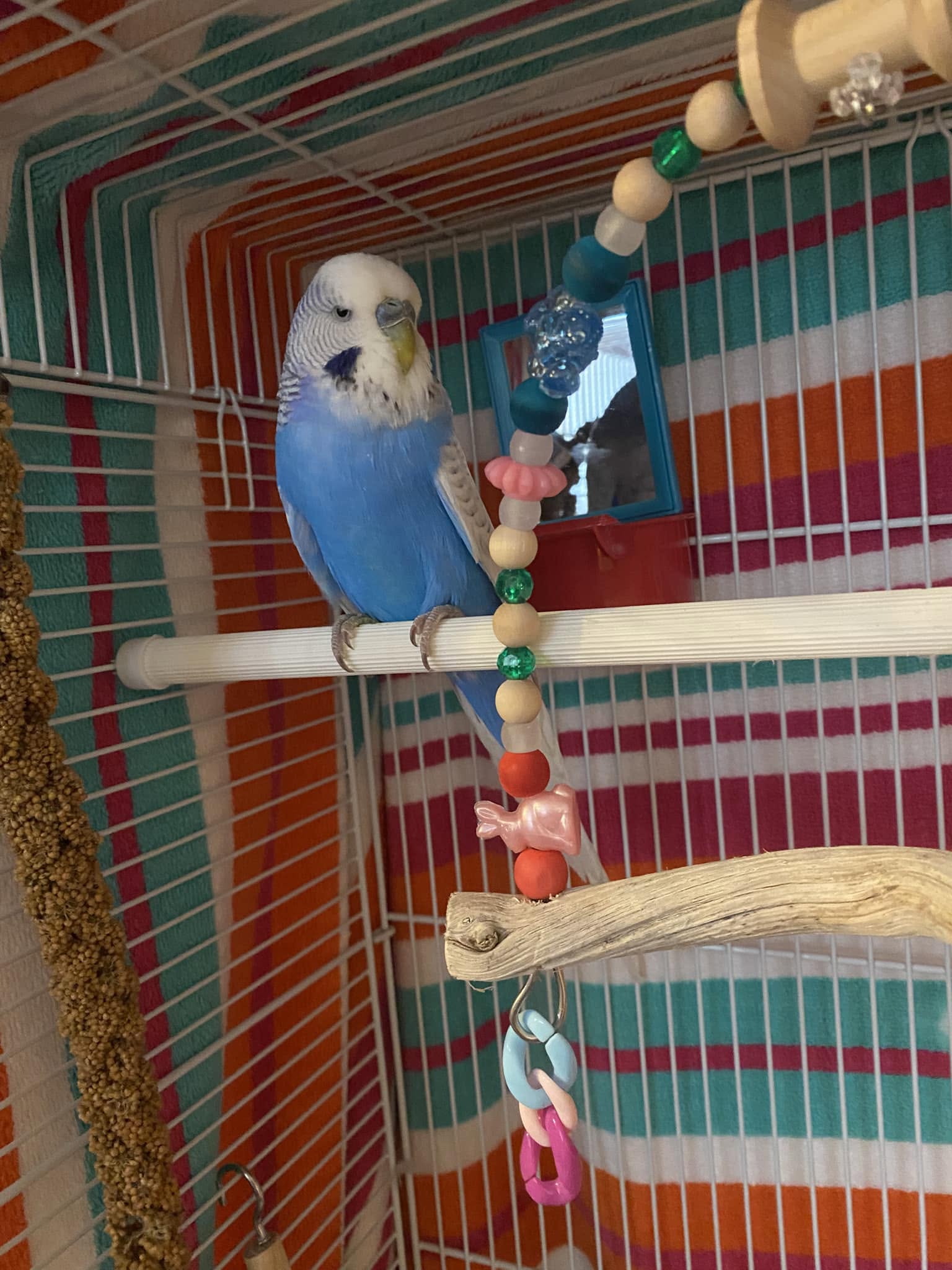
The pattern I have watched at the counter for 35 years is genuinely consistent. UK new owners who follow this common first-week pattern typically arrive at week two describing a bird who is “quiet,” “shy,” “not what I expected,” or “showing signs of illness.” What they are typically describing is a bird whose trust-building capacity has been damaged by exactly the well-meaning behaviours the owner assumed would build the bond.
The first-week welfare mistake is not deliberate. It reflects the natural human instinct to shower attention on a new pet, combined with insufficient point-of-purchase guidance about what UK pet birds actually need during their first days in a new home.
What Your New UK Pet Bird Actually Experiences In The First Week
For UK new bird owners wanting to understand what their new pet bird is genuinely going through, here is the honest picture from the bird’s perspective.
What the newly-arrived pet bird actually experiences:
- Complete sensory upheaval from previous environment — sights, sounds, smells all unfamiliar
- Loss of the flock, familiar cage-mates, or breeder environment
- Transportation stress compounded by arrival stress
- Heightened predator vigilance in unfamiliar surroundings
- Uncertainty about food and water safety in new context
- No knowledge of daily routines — unable to predict what happens next
- Unfamiliar humans perceived as potential threats initially
- Sound landscape completely different from previous environment
- Physical space genuinely unfamiliar requiring exploration and learning
- Reduced psychological capacity for interaction whilst adjusting
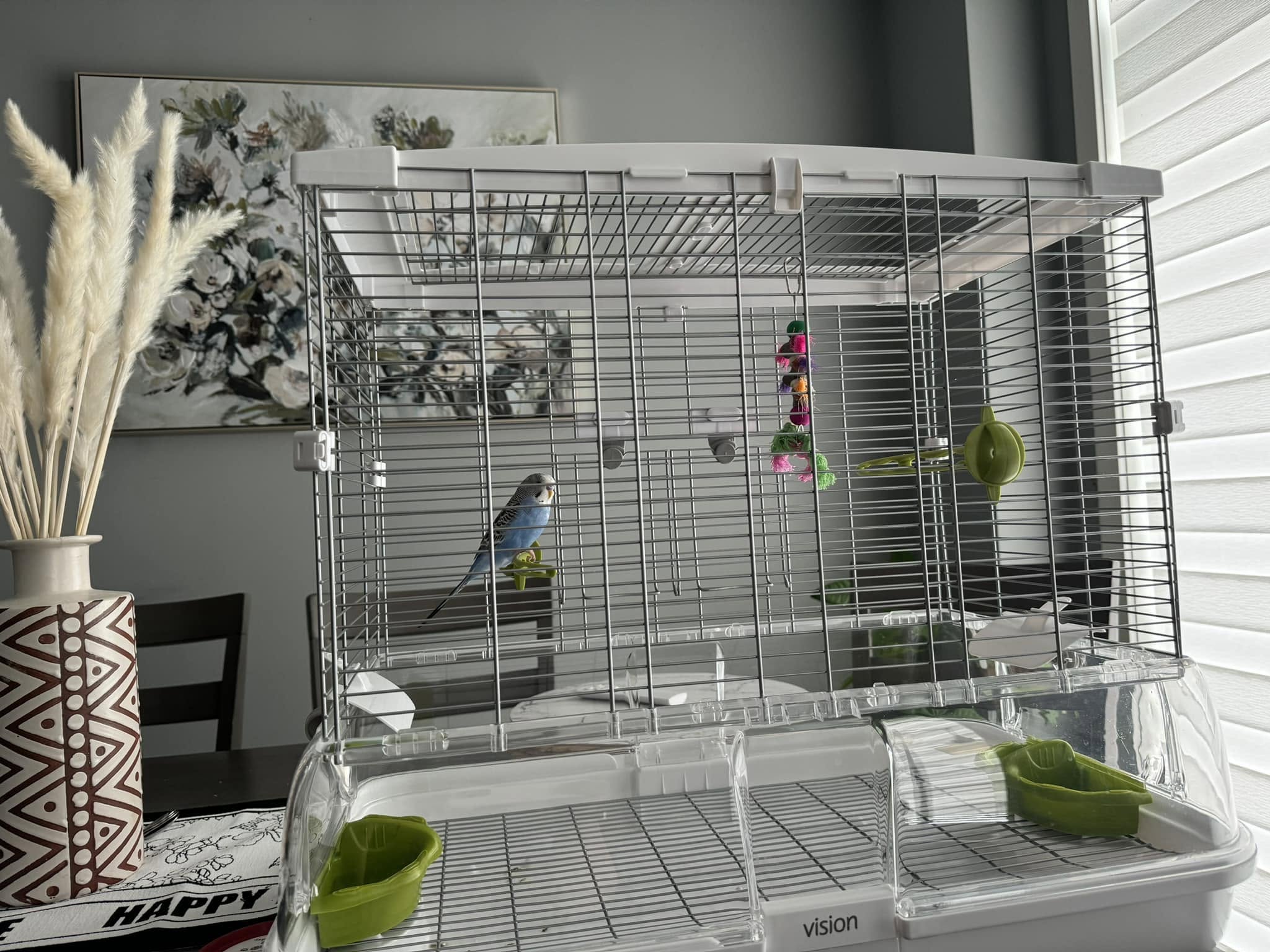
The honest reality is that a pet bird’s first week in a new UK home is the most stressful week of their entire life up to that point. Their previous environment — whether breeder facility, previous owner home, or shop — was familiar in every sensory detail. The new environment is unfamiliar in every sensory detail. The bird has no way to know they are safe, no knowledge of the daily rhythms of the new home, no established trust with the new humans, and no ability to communicate their distress in ways the new owner necessarily recognises.
What the bird genuinely needs during this period is not more human attention or intensive interaction. What they need is calm, predictable, low-pressure environmental stability that allows their sensory system to acknowledge that this new place is safe, that food and water are reliably available, that the humans present are not immediate threats, and that daily rhythms are consistent. This settling-in process cannot be accelerated by more interaction — it can only be accelerated by less interaction combined with more environmental consistency.
For more on UK pet bird welfare-led understanding, our article on why new research reveals pet birds are smarter than we thought covers the cognitive depth that makes these psychological considerations genuinely important.
The Welfare-Led UK New Bird First-Week Protocol
For UK new bird owners wanting to know what genuine welfare-led first-week behaviour looks like day by day, here is the honest practical protocol based on 35 years of watching what actually works.
- Days 1-2: Pure observation from distance only
Position cage in permanent location. Provide food and water. Do not interact beyond quiet observation from across the room. No hands in cage except essential food/water refill. - Days 3-4: Begin quiet vocal presence
Speak softly to bird from across the room during normal daily activities. Do not approach the cage for handling. Continue food/water routine consistently. - Days 5-7: Gradual cage-proximity introduction
Begin sitting near cage during quiet activities like reading. No direct interaction attempts. Let bird observe you being calm and non-threatening. - Week 2: Introduce hand presence gradually
Rest hand near or on outside of cage without reaching in. Continue quiet vocal presence. No handling attempts yet. - Week 3-4: First inside-cage hand presence
Hand slowly into cage without reaching for bird. Let bird observe hand as safe presence. Continue for many sessions before any handling attempt. - Week 4+: First step-up training attempts
Only after bird shows genuine curiosity about hand. Trust-based training rather than forced interaction. - Throughout: Maintain absolute environmental consistency
Same cage position, same food/water schedule, same household sounds, minimal visitor exposure. - Throughout: Never chase, grab, or trap the bird
Any forced handling damages weeks of trust-building work. - Throughout: Watch for positive settling signs
Eating normally, singing, preening, exploring cage, gradual approach to front of cage. - Throughout: Adjust timeline to bird’s individual pace
Some UK birds settle in 2 weeks, some need 6-8 weeks. Follow the bird’s cues.
The single most impactful welfare-led practice is the first-week withdrawal — allowing the new bird to observe you without you interacting with them. UK new owners often find this counter-intuitive because it feels like ignoring the new pet, but from the bird’s perspective it is exactly what allows them to conclude the environment is safe. The bird watches you being present, calm, non-threatening, and consistent, and gradually accepts that you are part of the safe environment rather than a threat within it.
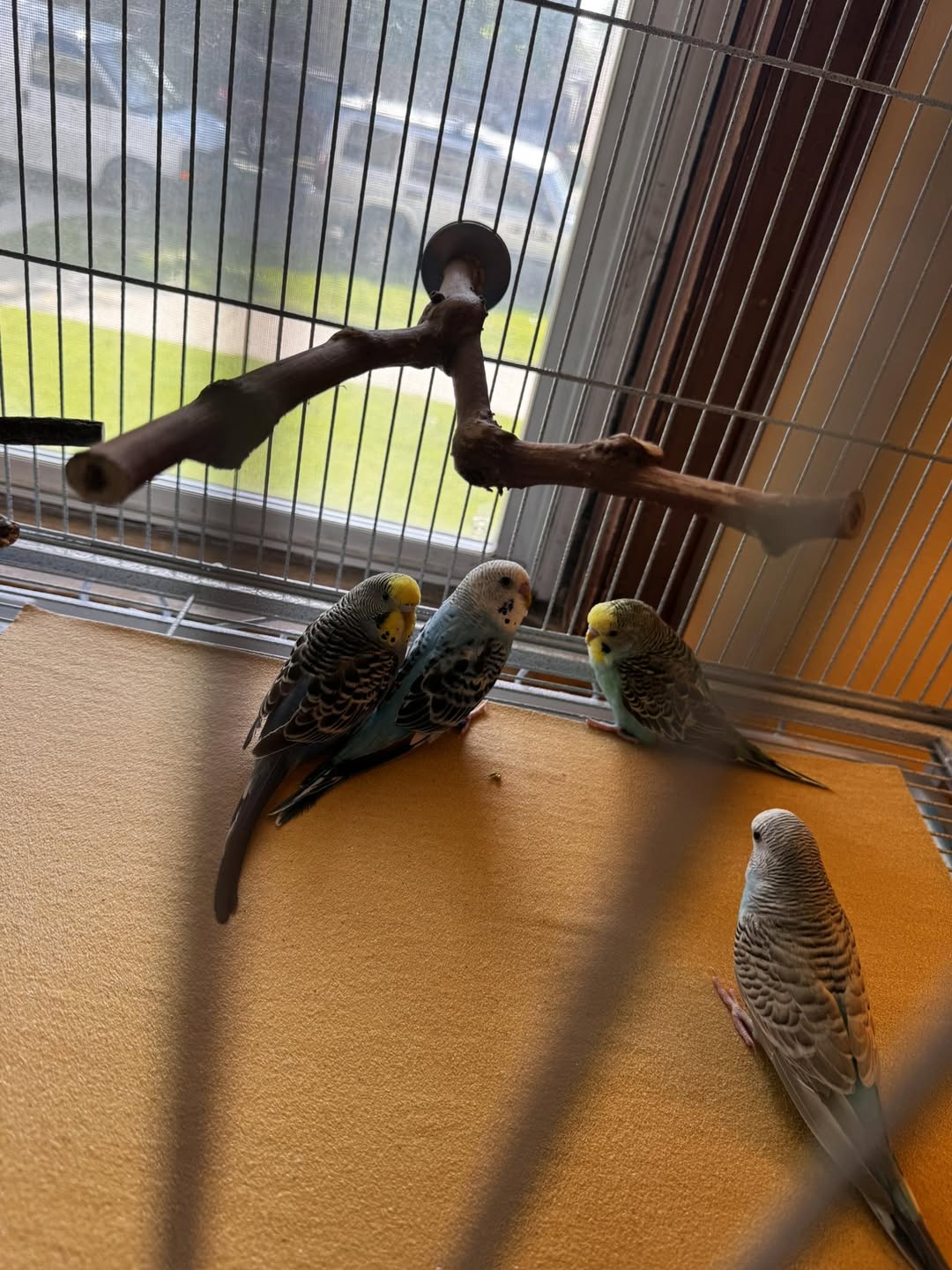 The protocol looks slow to UK new owners who expected immediate bonding, but it produces vastly better long-term outcomes. UK new bird owners who follow this welfare-led approach typically report that their birds show trust behaviours (approaching the front of the cage, taking food from hand, showing individual personality) within weeks 3-6, and that the eventual bond is genuinely deeper than birds who were pushed too quickly and required months to recover.
Signs Of New-Bird Stress UK Owners Need To Recognise
For UK new bird owners wanting to monitor their new pet’s welfare during the settling-in period, here are the honest signs that indicate the bird is genuinely stressed rather than settling well.
- Reduced or absent eating and drinking — particularly when owner is present
- Constant hiding at back or bottom of cage for extended periods
- Excessive alarm calls or silence extremes
- Feather plucking or over-preening — visible feather damage or bald patches
- Panting, wing-drooping, or open-mouth breathing without heat cause
- Refusal to explore the cage or stay in one spot for extended periods
- Aggressive fear responses when hand approaches — biting, lunging
- Weight loss visible over the first two weeks
- Reduced normal behaviours — no singing, no preening, no play
- Persistent flight-panic responses when approached
- Fluffed appearance sustained for hours — potential illness or extreme stress
- Complete withdrawal from any interaction attempts
The single most concerning combination is reduced eating combined with visible weight loss and constant hiding. This combination indicates a bird whose stress response has moved beyond adjustable settling into welfare-compromising sustained distress. If you see this combination in your UK new pet bird after 5-7 days of arrival, the honest answer is to review your first-week interaction pattern and consider whether over-handling has contributed. In severe cases, an avian vet consultation may be appropriate to rule out illness combined with stress.
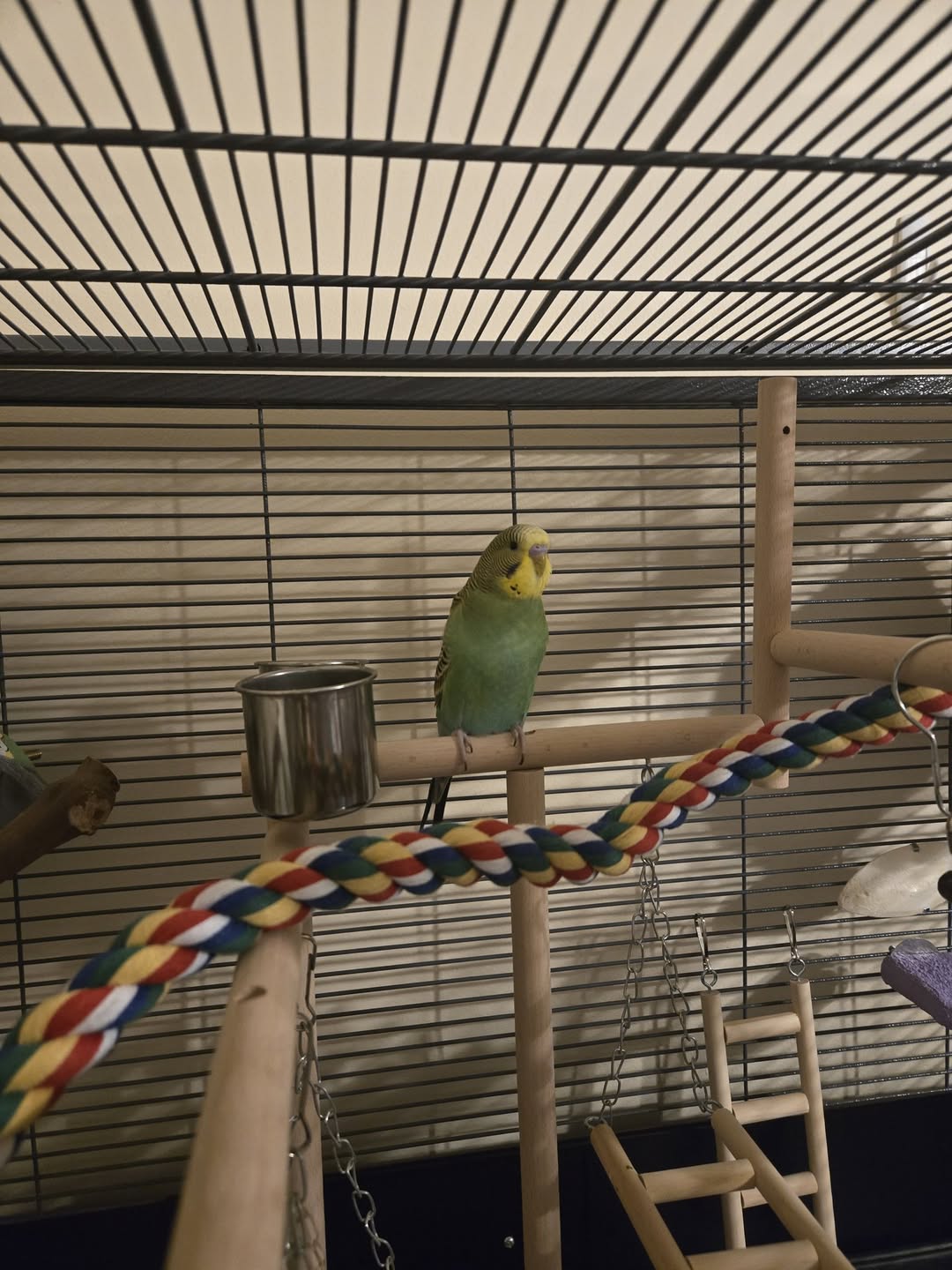 The important distinction UK new owners need to understand is that some level of settling behaviour — reduced eating in owner presence, initial hiding, alarm response to sudden movements — is normal for the first few days. What is not normal is these behaviours persisting or worsening after the first week, which typically indicates the settling process has been disrupted by over-interaction.
For more on UK pet bird welfare monitoring, our article on how to tell if your budgie is happy covers the positive welfare indicators to watch for as settling progresses successfully.
What To Do If You Have Already Made This Mistake
For UK new bird owners who read this article and realise they have already made the first-week mistake with their new pet bird, here is the honest reassurance and practical recovery guidance.
Reassurance for UK owners who recognise the mistake:
- The mistake is genuinely common — you are not alone
- The mistake is completely reversible in most cases
- Your bird has not been permanently damaged by early over-interaction
- Trust-building is still fully possible — it just needs to restart correctly
- The recovery timeline may be slightly longer than starting correctly
- UK new owners who recognise the mistake and correct it almost always achieve good outcomes
- The bird’s welfare capacity to recover is genuine — birds are more resilient than they appear
- Your relationship with the bird can still become deep and rewarding
Practical recovery protocol:
- Immediately reduce interaction to pure observation from distance for 3-5 days
- Stop all handling attempts until bird shows positive settling signs
- Restore environmental consistency — cage position stable, no visitor exposure
- Return to quiet vocal presence only after initial reset period
- Follow the standard first-week protocol from this article starting from Day 1
- Watch for positive settling behaviours returning before progressing
- Extend timeline as needed based on bird’s individual response
- Consider your bird’s specific stress signs when adjusting approach
- Consult welfare-led UK pet shop or avian vet if bird shows illness signs
- Be patient with the recovery timeline — it may take 4-6 weeks
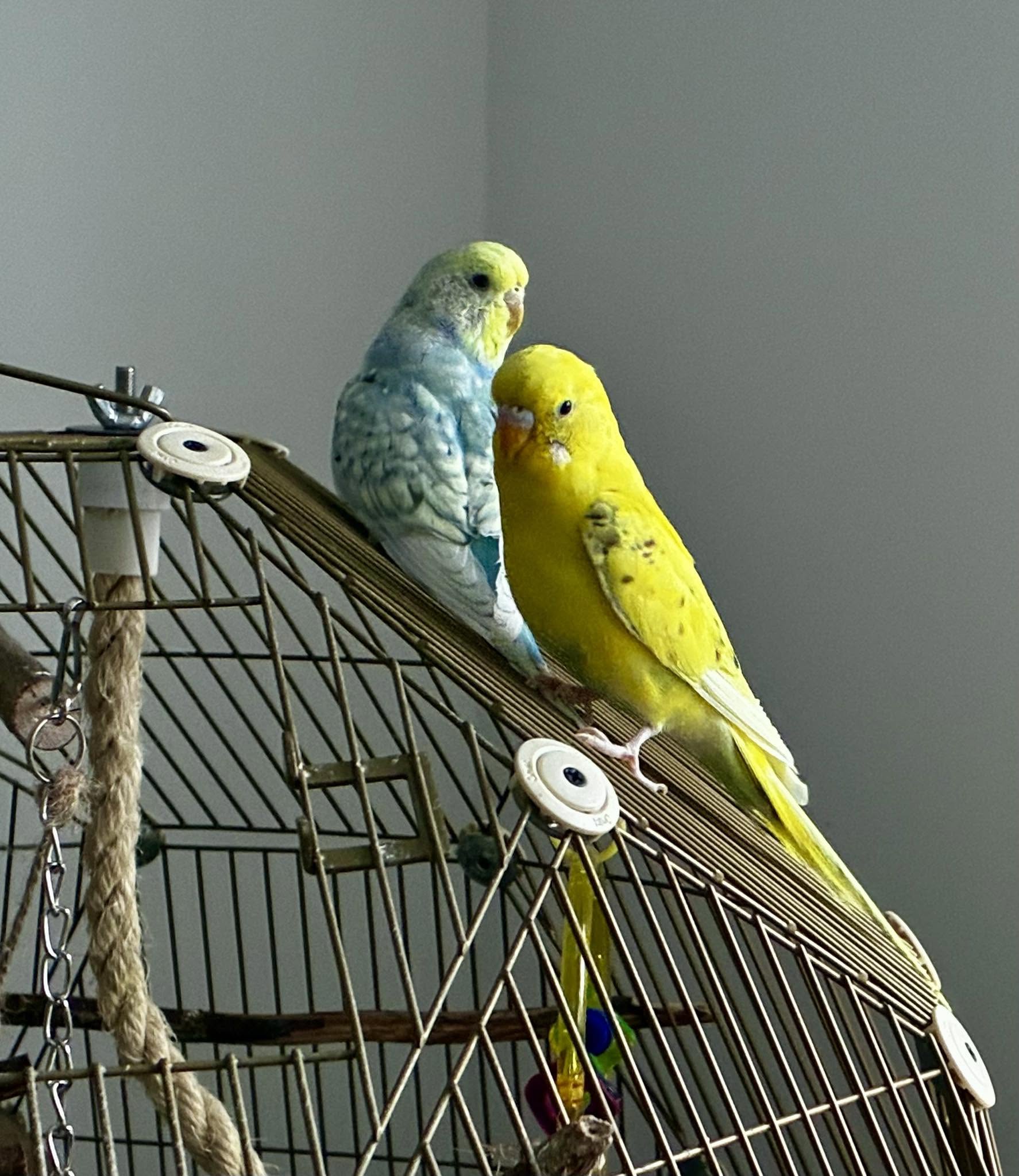
UK new owners who follow this recovery protocol typically see their bird’s welfare status improve within 2-3 weeks of implementing the reset, and see genuine trust-building begin within 4-6 weeks. The end result is usually a UK pet bird who has developed genuine trust rather than tolerating anxious human interaction.
The honest observation from 35 years at the counter is that UK new bird owners who recognise the first-week mistake and correct it early almost always end up with excellent long-term relationships with their birds. The mistake becomes a learning experience rather than a lasting welfare problem. What matters is recognising it, correcting it, and following the welfare-led approach going forward.
Common UK Owner Concerns About The Slow Approach
For UK new bird owners understandably worried about the slow approach, here are the honest answers to the most common concerns I hear at the counter.
- “But I want to bond with my bird immediately”
Meaningful bonding cannot happen in the first week regardless of how much interaction occurs. Slow settling produces stronger bonds than rushed contact. - “My bird will think I’m ignoring them”
Birds do not perceive quiet observation as ignoring. They perceive it as safety. This is welfare-led attention, not neglect. - “Won’t the bird become unfriendly if I don’t interact?”
Opposite pattern — birds who are given proper settling time become genuinely friendlier long-term than birds who were pushed early. - “How can I check my bird is OK if I’m not close to the cage?”
Observation from across the room is genuine welfare monitoring. Close proximity is not required to see eating, drinking, breathing, and behaviour. - “My children want to interact with the new bird”
Managed expectation is important. Children can be involved in observing and eventually feeding, but immediate handling is not appropriate for welfare reasons. - “I paid for this bird — shouldn’t I be able to enjoy it?”
Understandable feeling. Welfare-led first week enables a lifetime of enjoyment. Rushed first week can prevent that enjoyment developing. - “What if the bird never becomes friendly?”
Very unusual with proper welfare-led approach. Extreme cases sometimes reflect prior trauma rather than first-week issues. - “How will I know when to start increasing interaction?”
The bird will show you. Eating normally in your presence, singing, exploring cage, approaching front are the cues. - “Is this different for different bird species?”
Broadly similar for budgies, cockatiels, canaries. Larger parrots need even longer settling periods. - “What if I have to change something in the first week?”
Minimise changes. If genuinely necessary, do them slowly and calmly. Restore consistency immediately after.
The honest answer to most first-week concerns is that welfare-led patience produces vastly better outcomes than well-meaning intensive interaction. UK new bird owners who trust the process consistently report deeper, more genuine relationships with their birds than owners who rushed the first week.
Frequently Asked Questions
What is the most common UK new bird owner mistake in the first week?
The most common mistake is over-interaction — attempting to handle the new bird immediately, talking loudly to it constantly, inviting multiple family members and friends to meet it, moving the cage around, sticking hands into the cage frequently, attempting training exercises, and expecting immediate bonding. All of these behaviours reflect genuine well-meaning UK owner enthusiasm, but they overwhelm a naturally cautious prey species during a period of complete sensory upheaval. The mistake damages trust-building and produces stress behaviours that UK owners often misinterpret as illness or bad temperament. Welfare-led first-week behaviour requires much less interaction than most UK new owners expect.
How long should I wait before handling my new UK pet bird?
Genuine handling attempts should not begin until at least 3-4 weeks after arrival, and only after the bird shows clear positive settling signs — normal eating in your presence, singing, preening, exploring the cage, approaching the front of the cage voluntarily. Some UK birds settle faster and some slower. The bird’s behaviour, not the calendar, determines when handling can begin. Attempting handling before the bird is ready damages trust and typically extends the total time needed to build a genuine relationship.
My new UK budgie is hiding at the back of the cage — is this normal?
For the first few days after arrival, yes — hiding indicates settling stress that is genuinely normal. What is not normal is hiding that persists or worsens after the first week, which typically indicates the settling process has been disrupted by over-interaction. If your UK budgie is still constantly hiding after 7-10 days, review your first-week interaction pattern. Most likely you need to reduce interaction significantly and give the bird more environmental consistency. In some cases, combined with reduced eating or weight loss, avian vet consultation may be appropriate to rule out illness.
Should I cover my new UK pet bird’s cage during the first week?
Partial cage covering can genuinely help during first-week settling — covering the sides and top whilst leaving the front open provides a sense of security whilst allowing normal visibility and airflow. Night-time full covering supports natural sleep patterns. Full daytime covering is generally not necessary and can reduce the bird’s ability to observe the safe environment from which they need to conclude they are safe. Consistent covering timing supports predictable routine which aids settling.
Can I add a second UK bird as a companion during the first week?
No — introducing a second bird during the first week compounds the settling stress of both birds. Existing bird has not settled yet and cannot handle additional adjustment. New bird arrives into an already-unsettled environment. Proper companion introduction requires the first bird to be fully settled (typically 4-6 weeks minimum) followed by the standard 30-day quarantine and gradual introduction protocol for the second bird. This applies whether you were planning pair housing from the start or considering it later.
What if my UK children want to interact with the new bird immediately?
Manage expectations calmly. Explain that the new bird needs quiet time to feel safe before interaction can begin. Children can be involved in observing the bird from across the room, in participating in food/water provision, and eventually in the gradual proximity increases from week 2 onward. Immediate hands-on interaction with children is not appropriate for welfare reasons and typically produces the fear responses that damage long-term trust-building. This is a genuine welfare-led family lesson about patience and respect for the new pet’s needs.
Where can I get UK welfare-led new bird owner advice in Swindon?
Come and see us at Paradise Pets, Manor Garden Centre, Cheney Manor, Swindon SN2 2QJ. We provide honest first-week and ongoing UK new bird owner guidance to every household who brings a bird home from our shop, and to any UK new bird owner who visits with questions. Free thoughtful advice based on 35 years of helping UK families successfully welcome new pet birds into their homes. Ring us on 01793 512400.
One Last Thing From Me
“Why is my new UK budgie not bonding with me?” is the question I hear most often from UK new bird owners who have completed their first week and are worried they have somehow failed, and one I want to answer with complete clarity and without judgement. The honest answer, after 35 years of welcoming UK new bird owners through this shop door, is — you have almost certainly not failed. You have almost certainly done what most UK new bird owners do in the first week, which is exactly what UK point-of-purchase guidance has consistently failed to warn you against. Your new pet bird is not bonding because you have unintentionally overwhelmed them with attention and interaction during exactly the period when they needed quiet settling time to conclude your home was safe. This is genuinely correctable. The relationship you wanted with your bird is genuinely still possible. But it requires understanding what your bird actually needs in the first week — which is not more attention, but less — and applying welfare-led patience for the trust-building weeks that follow. UK pet bird ownership is at genuinely peak levels, with approximately 3 million pet birds across UK homes and over a million pet budgies alone. Every one of those UK birds began their relationship with their owner in a first week that either supported or damaged the foundation of the entire relationship. If you are about to bring a new UK pet bird home, please follow the welfare-led first-week protocol from this article. If you have already brought a new UK pet bird home and this article has made you realise the first week has not gone well, please implement the recovery protocol without guilt or panic — your bird can and will recover, and your relationship can genuinely become the rewarding one you hoped for.
The young couple with Kiwi that Saturday afternoon? Six weeks later, when they came back to the shop for supplies, they told me the recovery protocol had worked exactly as I had described. They had reduced interaction dramatically for the first week, restored environmental consistency, followed the standard first-week protocol as if starting over, and slowly rebuilt Kiwi’s sense of safety. Within two weeks Kiwi had stopped plucking. Within three weeks he was eating normally in their presence. Within five weeks he was coming to the front of the cage when they entered the room. Six weeks in, he was starting to show his individual personality — a quiet curiosity about their daily activities, distinctive vocalisations they were beginning to recognise, preferences for particular vegetables. The trust-building foundation had been rebuilt properly, and the relationship they had originally hoped for was now genuinely developing.
That is what I want for every UK new bird owner reading this article. Not the false start of over-interaction damaging trust-building. Not the guilt of realising the first week has gone wrong. But the welfare-led patience that produces the deep, rewarding, long-term UK pet bird relationship that most new owners genuinely want.
UK pet bird ownership is at peak levels. The community of UK new bird owners is growing month after month. Every one of those new UK bird owners deserves to receive honest welfare-led first-week guidance at point of purchase — but many do not. This article is my honest 35-year attempt to close that gap for the UK new bird owners who find it before they need to make the first-week mistake, and for the UK new bird owners who find it after and can still correct course.
If you are a UK new bird owner with specific questions about your particular first-week situation, or if you have just brought a new pet bird home and want honest welfare-led guidance about the days ahead, please come in for a chat. After 35 years at the counter, first-week new bird owner support is one of the most genuinely valuable things any independent UK pet shop can provide.
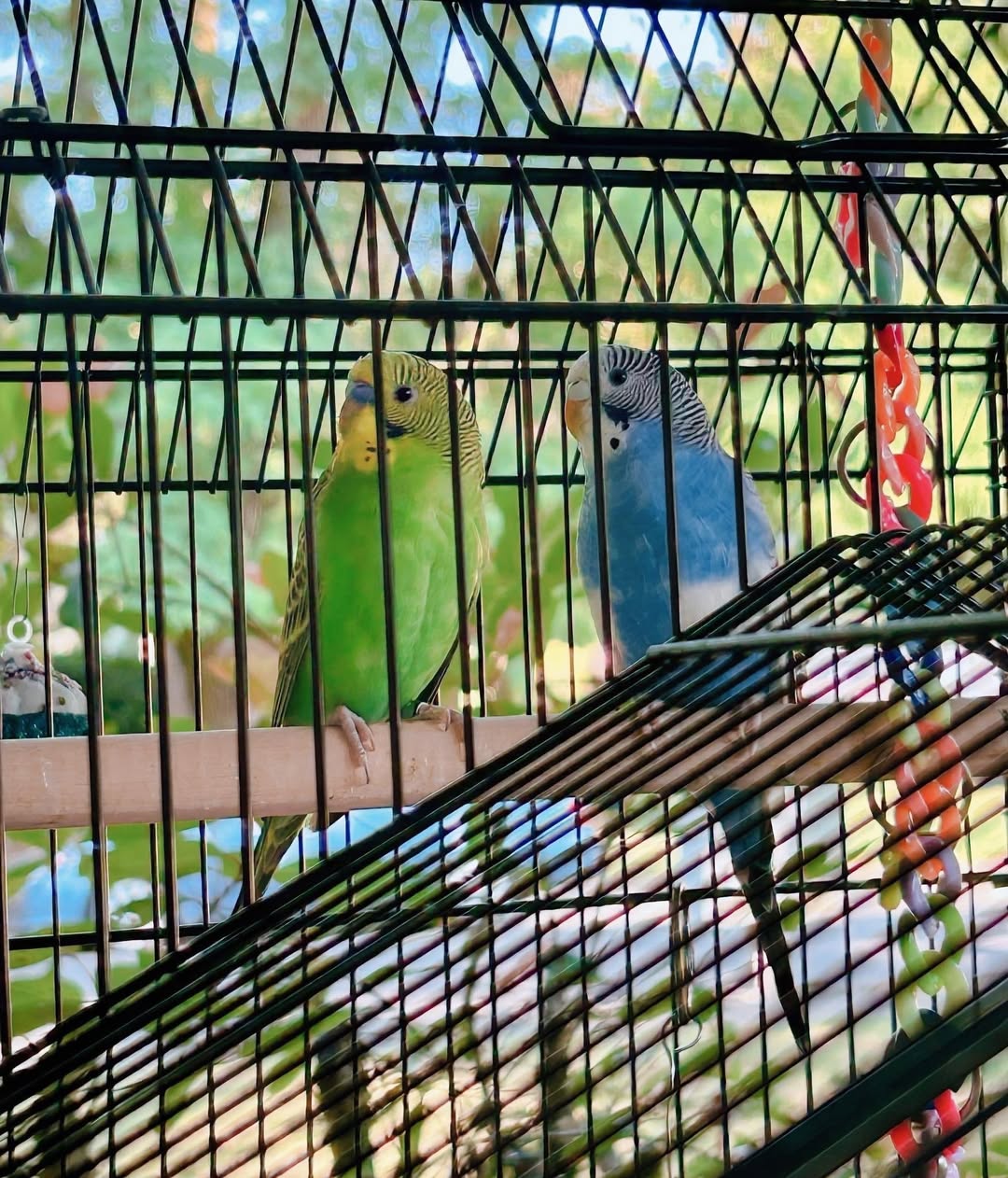
New UK Pet Bird Owner With Questions? Come And See Me
We provide honest welfare-led first-week guidance to every UK new bird owner who brings a bird home from our shop, and to any UK household with questions about their new pet bird. Free thoughtful advice based on 35 years of helping UK families successfully welcome new pet birds. That is how we have done things since 1988.