
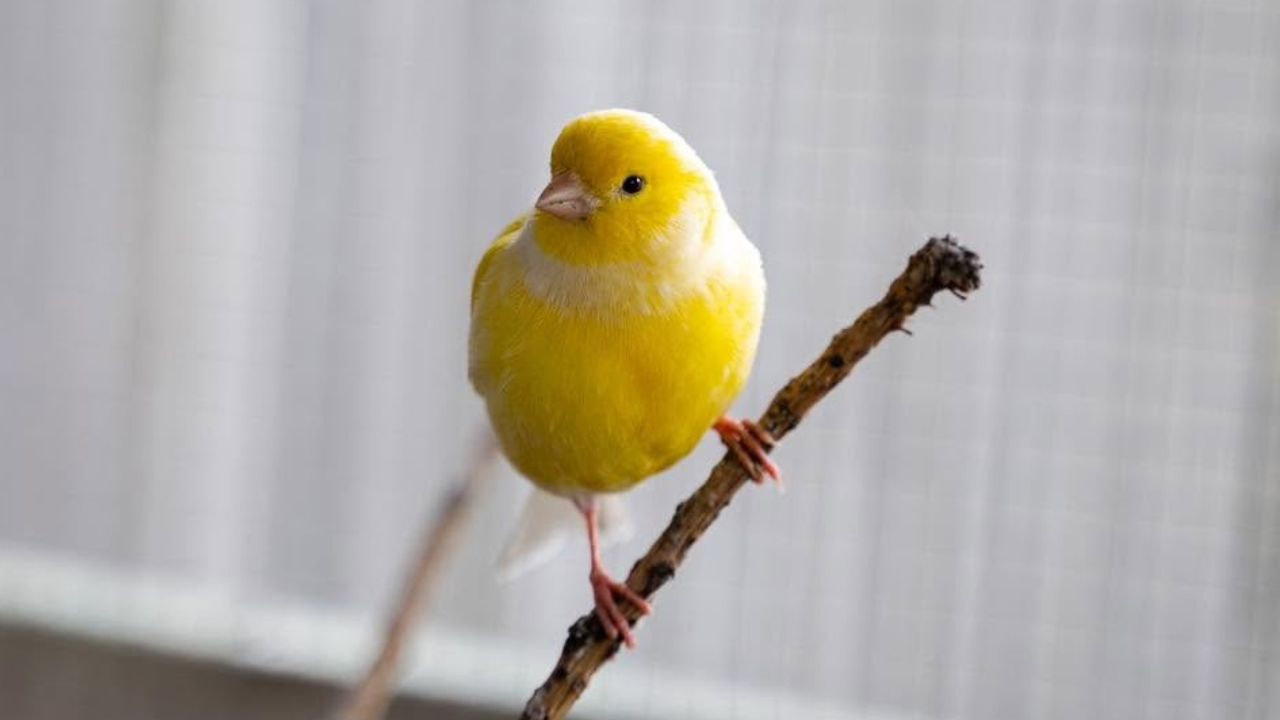

Neil has kept, bred, and sold cage birds at Paradise Pets Swindon since 1988 — over 35 years of first-hand experience with budgies, cockatiels, canaries, and aviary birds. The APHA’s bird flu prevention guidance was restructured and reissued in June 2026 following the lifting of the Avian Influenza Prevention Zone. This article is his honest guide to what it says, what it means for indoor pet bird owners specifically, and the part most people are not reading.
I want to be straightforward with you about something before I go any further.
When the bird flu zone lifted on 4 June 2026, I expected the questions at the counter to tail off. They have not. If anything, they have increased — because the zone lifting created a period of genuine confusion about what is still required, what is no longer required, and where indoor pet bird owners sit in all of this.
The APHA restructured and reissued its bird flu prevention guidance on 4 June 2026 alongside the zone revocation. The restructuring was explicitly described as responding to feedback from bird keepers who found the previous version difficult to navigate. That is, in itself, a useful admission — the guidance had become complicated, and the reorganisation was an attempt to make it clearer.
Whether it succeeded is a matter of opinion. What I can do is take you through the parts that are most relevant to someone who keeps a budgie or a cockatiel or a canary in their home, and explain what they actually require of you in plain terms.
What the Updated Guidance Actually Changed — and What It Did Not
The most important thing to understand about the June 2026 guidance update is that it did not introduce new requirements for pet bird owners. It restructured existing ones — reorganising the information, improving the clarity, and adding context that had previously been missing or difficult to find.
What changed in practice on 4 June 2026 was the revocation of the AIPZ. The housing measures had already been lifted in England and Wales from 9 April 2026. The zone itself — with its associated mandatory biosecurity requirements — was revoked on 4 June. That is the meaningful regulatory change.
What did not change — and this is the part that every bird keeper needs to understand — is the underlying legal requirement. The Animal Health Act 1981 and its associated regulations require all bird keepers to take steps to prevent bird flu and stop it spreading at all times. That requirement was not created by the AIPZ. It was not suspended when the AIPZ lifted. It exists independently of any prevention zone and it continues now.
The biosecurity measures that were listed as mandatory during the AIPZ period are, in substance, the measures that the government expects all bird keepers to maintain as a baseline regardless of whether a zone is declared. The zone made them explicitly mandatory and enforceable in a way that drew attention to them. The zone lifting did not repeal them.
The Section of the Guidance That Indoor Pet Bird Owners Are Not Reading
The restructured guidance has a section specifically on biosecurity for small-scale and pet bird keepers. It is not long. It is not complicated. And in my experience of the conversations I am having at the counter this month, most indoor pet bird owners have not read it.
The core of what it requires for any bird keeper — regardless of scale or whether the birds are pets or production birds — is this. You should not allow wild birds access to food or water intended for your birds. You should keep the areas around your birds clean and clear of material that might attract wild birds — droppings, spilt feed, standing water. You should be vigilant for signs of disease in your birds and report anything that concerns you. You should not introduce new birds to your existing birds without appropriate checks and a quarantine period.
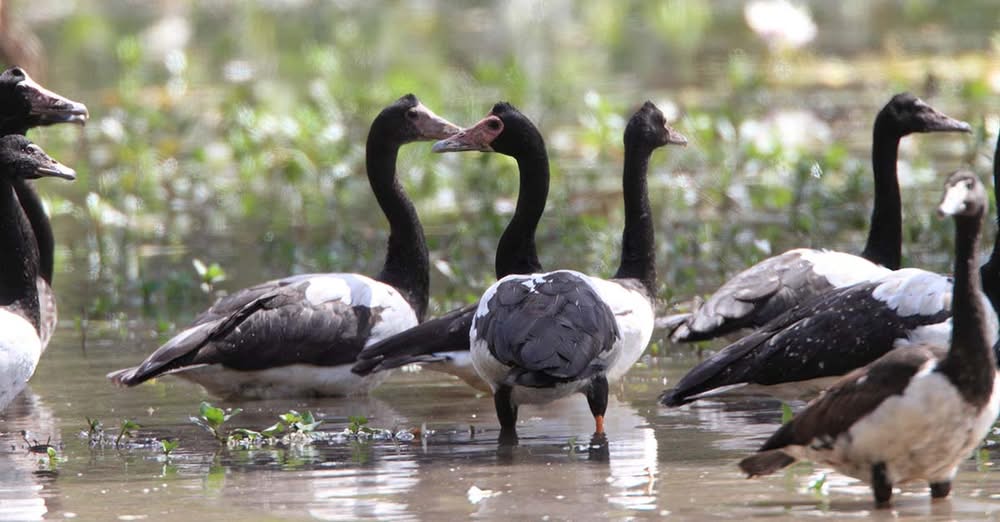
For an indoor pet bird owner, most of this is straightforward. Your budgie’s food and water is already indoors and inaccessible to wild birds in any normal household arrangement. Your cockatiel is not at risk of sharing a feeding surface with a wild goose. The practical implementation of the biosecurity guidance for an indoor bird owner is significantly lighter than for someone with a flock in an outdoor setting.
But two elements of the guidance do have real relevance for indoor bird owners, and they are the ones I want to focus on.
The Registration Question — Being Precise About Who Must Register
This has been one of the most persistent sources of confusion since mandatory registration was introduced in October 2024, and it continues to generate questions at the counter.
The legal requirement to register with APHA applies to all bird keepers in England. However, the registration guidance explicitly provides that birds that are kept without any access to the outside do not need to be registered. Budgies in cages. Cockatiels in indoor aviaries. Canaries kept entirely inside. These birds, kept in conditions where they have no contact with the outdoor environment, are exempt from the registration requirement.
This exemption is specifically articulated in APHA guidance and was confirmed through the restructuring of the June 2026 update. It is not an ambiguous area.
If you keep birds in an outdoor aviary, or if your birds have any access to outside space at any point, the exemption does not apply and registration is required. The exemption is based on whether the birds access the outside, not on their species. A cockatiel in an outdoor aviary is not exempt. A cockatiel in an indoor cage is.
If you are uncertain whether your specific setup qualifies for the exemption, the APHA can advise directly. Do not assume you are exempt without confirming — the registration process itself is straightforward and takes a few minutes, and registering when you do not strictly need to causes no harm.
The Wild Bird Surveillance Data — What It Is Telling Us Right Now
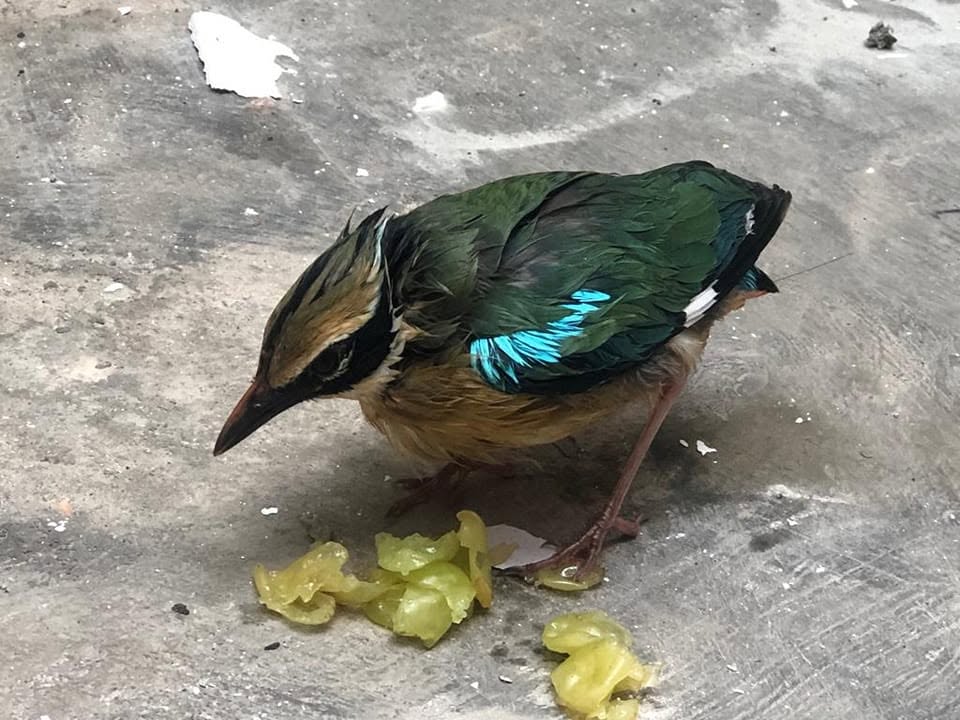
The APHA publishes weekly updates on HPAI detections in wild birds across Great Britain. Week 25 data — covering mid-June 2026 — was published on 19 June 2026. This is surveillance data that the APHA uses to track where the virus is circulating in wild bird populations, and it is publicly available on gov.uk.
The reason this matters for pet bird owners is not that the data directly tells you what to do on a given day. It is that the pattern of wild bird detections in your region is one of the factors that informs how vigilant it makes sense to be at any given point in the year. Detections in wild birds in your county or region do not mean your indoor bird is at risk — but they are information worth being aware of.
During the summer months, the volume of detections in wild bird populations typically reduces compared to winter and spring peaks. That reduction is real and it reflects genuine seasonal variation in how the virus circulates through migratory and resident wild bird populations. It is part of the reason the zone was lifted in June rather than maintained through summer.
It does not mean the risk is zero. It means the risk is lower than it was in winter. That is a useful distinction to maintain.
Buying New Birds — The Part of the Guidance Most Relevant to Pet Owners Right Now
With the zone lifted and the biosecurity landscape clarified, this is a period when many owners who delayed acquiring new birds during the outbreak season will be thinking about doing so. The guidance has something specific to say about this, and it is worth reading carefully.
The introduction of new birds to existing birds without appropriate precautions is identified in the guidance as one of the significant routes by which disease can enter a private bird collection. This applies not just to HPAI but to the range of diseases that circulate in bird populations generally.
What the guidance recommends, and what I have always recommended at the counter, is a quarantine period for any new bird before it is introduced to existing birds. A minimum of two to four weeks, ideally in a separate room rather than simply a separate cage in the same room. During the quarantine period, the new bird should be observed for any signs of illness — respiratory symptoms, changes in droppings, unusual behaviour, reduced eating or drinking.
This is good practice regardless of bird flu. It applies equally to a new budgie from a local breeder and to a bird with a more uncertain source history. The quarantine period protects existing birds and gives the owner time to establish whether the new bird is healthy before integration.
The sourcing question matters too. At Paradise Pets we source exclusively from UK breeders we have direct relationships with. We do not import. The bird flu guidance references the risk associated with sourcing from unknown or unclear origins — not in the pet bird context specifically, but the principle is the same across all bird keeping. A bird whose health history you can verify, from a source you can contact, is a different biosecurity proposition from a bird of unknown origin.
The Vaccine Trial — What It Means and What It Does Not
The government announced avian influenza vaccine trials in turkeys in England, with trials lasting twenty-four weeks. This has generated questions at the counter about whether pet birds can be vaccinated, and I want to be clear about the current position.
Pet birds — budgies, cockatiels, canaries, finches — cannot currently be vaccinated against HPAI under routine UK arrangements. Zoo birds in England can be vaccinated with APHA authorisation, but this applies specifically to zoo settings and not to private pet birds. The vaccine trials currently underway are focused on commercial poultry, specifically turkeys, and their purpose is to generate data on vaccine efficacy and integration into disease control strategy.
The trial results will inform future policy. Whether that policy will eventually extend to companion birds is not yet determined. For now, vaccination is not an option available to pet bird owners, and the management of bird flu risk for indoor pet birds remains based entirely on biosecurity practices rather than any immunological protection.
What the Guidance Requires of You This Week — A Plain English Summary
Having gone through the updated guidance in detail, here is what it actually requires of a pet bird owner with indoor birds in England right now, in plain terms.
Registration. If your birds are kept entirely indoors with no outdoor access — they are exempt from mandatory registration. No action needed on registration.
Biosecurity. Maintain practices that prevent wild birds from accessing your birds’ food, water, or living environment. For indoor birds, this means primarily window and door management — not leaving access routes open through which wild birds could enter the space where your cage is. Wash hands after any contact with garden feeders or wild birds before handling pet birds or their food and water.
Vigilance. Be aware of what your birds’ normal behaviour looks like. Know the signs of respiratory illness in birds — changes in breathing, nasal discharge, reduced activity, changes in droppings. Report anything that genuinely concerns you to APHA on 03000 200 301. Bird flu is a notifiable disease and there is a legal obligation to report a suspicion.
Reporting dead wild birds. If you find dead wild birds near your home — particularly more than one in the same location or species — report them to the Defra helpline on 03459 33 55 77. Do not handle them bare-handed. Do not bring them near your pet birds.
New birds. Quarantine any new bird for a minimum of two weeks before introducing it to existing birds. This applies regardless of source.
That is the complete practical picture for an indoor pet bird owner. It is not burdensome. It has not materially changed from the sensible practices that should be in place year-round.
Frequently Asked Questions
The guidance says all bird keepers must follow biosecurity measures — does that include me with one budgie indoors?
Technically yes, in the sense that the requirement to take steps to prevent bird flu and stop it spreading applies to all bird keepers under the Animal Health Act. Practically, the biosecurity measures relevant to a budgie kept entirely indoors are minimal — primarily hand hygiene if you also have contact with garden birds or their feeders, and basic window management to prevent wild birds entering. The guidance does not impose significant additional burden on indoor pet bird owners.
Has anything actually changed for indoor pet bird owners since the zone lifted?
Not materially, no. The zone lifting removed the explicit enforcement framework of the AIPZ, but the underlying biosecurity expectations were always based on ongoing statutory requirements rather than the zone alone. For indoor pet bird owners, the practical position before and after the zone lift is essentially the same.
Should I buy a new bird now that the zone has lifted?
The zone lift does not specifically change the advice around acquiring new birds. The relevant consideration is source — whether you are buying from a reputable seller who can provide health history and whose birds have appropriate provenance — and the quarantine practice after purchase. Both of those apply regardless of whether a zone is in force.
What is the current wild bird risk level in England?
APHA’s most recently published assessment indicates the risk to captive birds from wild bird contact is currently low — consistent with the seasonal pattern in which risk is lower in summer and higher in autumn and winter as migratory birds return. Low risk does not mean no risk. The appropriate response to low risk is not abandoning biosecurity but maintaining it as a baseline.
Where is the most reliable place to check the current bird flu situation?
The gov.uk bird flu page, which is updated regularly and links to the APHA interactive disease zone map, the weekly wild bird surveillance data, and the current biosecurity guidance. Signing up for APHA disease alerts — free, via email or text — is the most reliable way to be notified of changes. The link to sign up is on the gov.uk bird flu page.
One Last Thing
I have been reading APHA guidance on avian influenza for longer than most people who ask me about it have been keeping birds. The guidance has improved over that period — become more accessible, better organised, clearer about what applies to different categories of keeper. The June 2026 restructure is a genuine improvement on what came before, and I give credit for that.
What has not changed is the underlying situation. Bird flu is a seasonal, recurring feature of UK bird keeping. It is managed, not solved. The practices that protect birds — sourcing carefully, quarantining new arrivals, maintaining hygiene, watching the birds you have, knowing when and how to report — are not the practices of a crisis period. They are the practices of good bird keeping in a world where HPAI is now an endemic feature of wild bird populations across Europe.
If you have questions about any of this — what applies to your specific birds, what to do with a new bird you are thinking about buying, what you should be watching for — come and talk to us. That conversation is always free, always honest, and always based on thirty-five years of keeping birds through the full range of UK conditions.
We are at Manor Garden Centre, Cheney Manor, Swindon SN2 2QJ, every day. Get in touch here or call 01793 512400.
Questions About Bird Flu Guidance and Your Birds? Come In
No appointment needed. We will go through what the current guidance means for your specific birds, your setup, and what you should be watching for. Honest advice after 35 years is what we offer.