
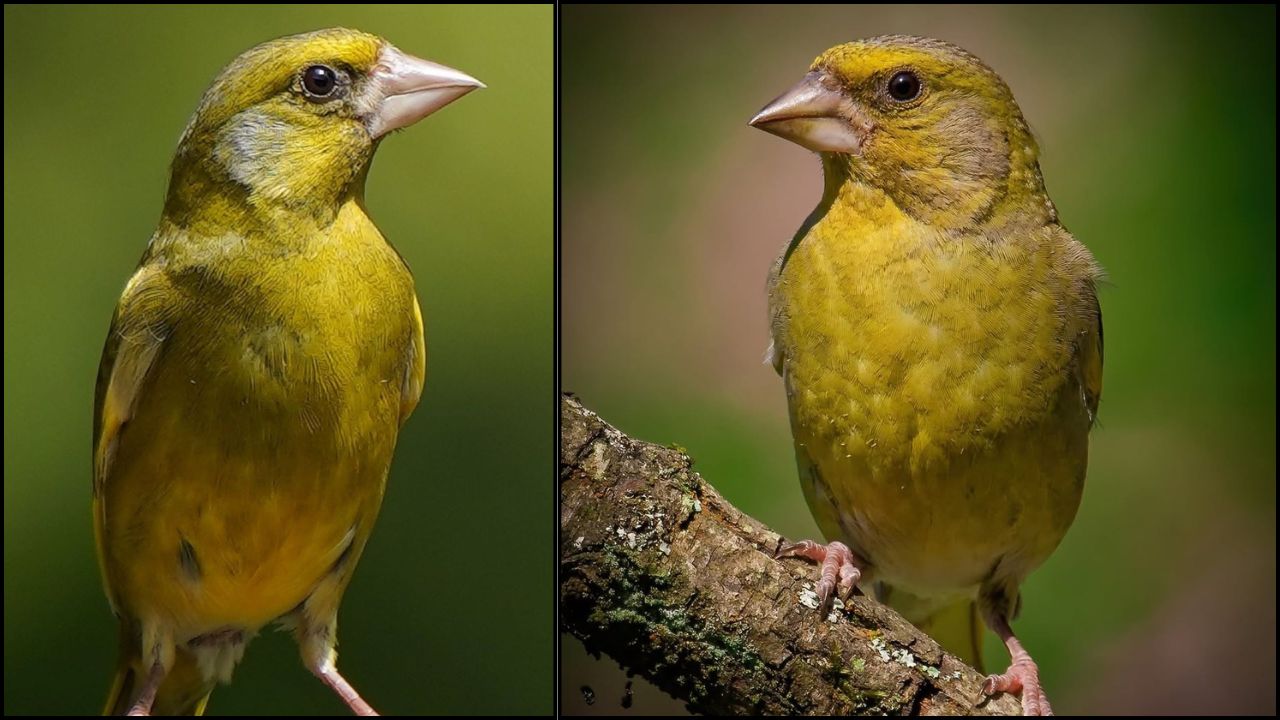

Neil has kept, bred, and sold cage and aviary birds at Paradise Pets Swindon since 1988 — over 35 years of first-hand experience with budgerigars, cockatiels, canaries, finches, and dozens of other species. The collapse of the UK greenfinch population due to trichomonosis is one of the most significant disease events in British bird life in living memory. This is his honest account of what it is, how it spreads, why pet bird owners should know about it, and what it tells you about the disease risk in your own setup.
A man came into the shop recently and mentioned, almost in passing, that he had not seen a greenfinch in his garden for two years. He used to have them regularly. Now they were gone.
He did not know why. He thought it might be cats, or habitat loss, or just bad luck. He did not know about trichomonosis.
I told him about it. And then I told him what I am going to tell you — because trichomonosis is not just a conservation story about wild birds in decline. It is a disease story with direct relevance to anyone who keeps finches, canaries, or other cage birds in the UK. And in 35 years of keeping and selling birds, I have never seen a wild bird disease event of this scale — and I have never encountered one that more clearly illustrates what infectious disease can do to a bird population when the conditions for transmission are allowed to persist.
The UK greenfinch population has declined by more than 65 percent since the early 1990s. The species now sits on the UK Red List — a list of birds of conservation concern, the most serious category available. The cause is a single protozoan parasite. And it has been spreading, largely unchecked, through garden feeding stations, for twenty years.
That story matters for pet bird owners. Let me explain why.
What Trichomonosis Actually Is
Trichomonosis is a disease caused by a microscopic protozoan parasite called Trichomonas gallinae. It has been known in birds for a long time — it was well-established in pigeons and doves, and in the birds of prey that feed on them, long before it became the conservation crisis it is now. In pigeons and doves, the disease is sometimes called canker. In birds of prey, it is called frounce. In finches, it has a different name but the same underlying biology.
The parasite causes lesions in the gullet, preventing the swallowing of food and water. Affected birds often become emaciated and may die of starvation. The progression can be rapid or slow — over days or weeks — but the outcome without treatment is almost always fatal, because a bird that cannot swallow cannot sustain itself.
The parasite is spread via regurgitated food and fresh saliva, both directly — through birds feeding each other, such as parents feeding young — and indirectly, by consuming contaminated food or water. This indirect route is what makes feeding stations the central problem. A single infected bird feeding at a communal feeding station deposits saliva on the food surface. Another bird consumes from the same location. The parasite passes. The infected bird moves on. The contamination remains.
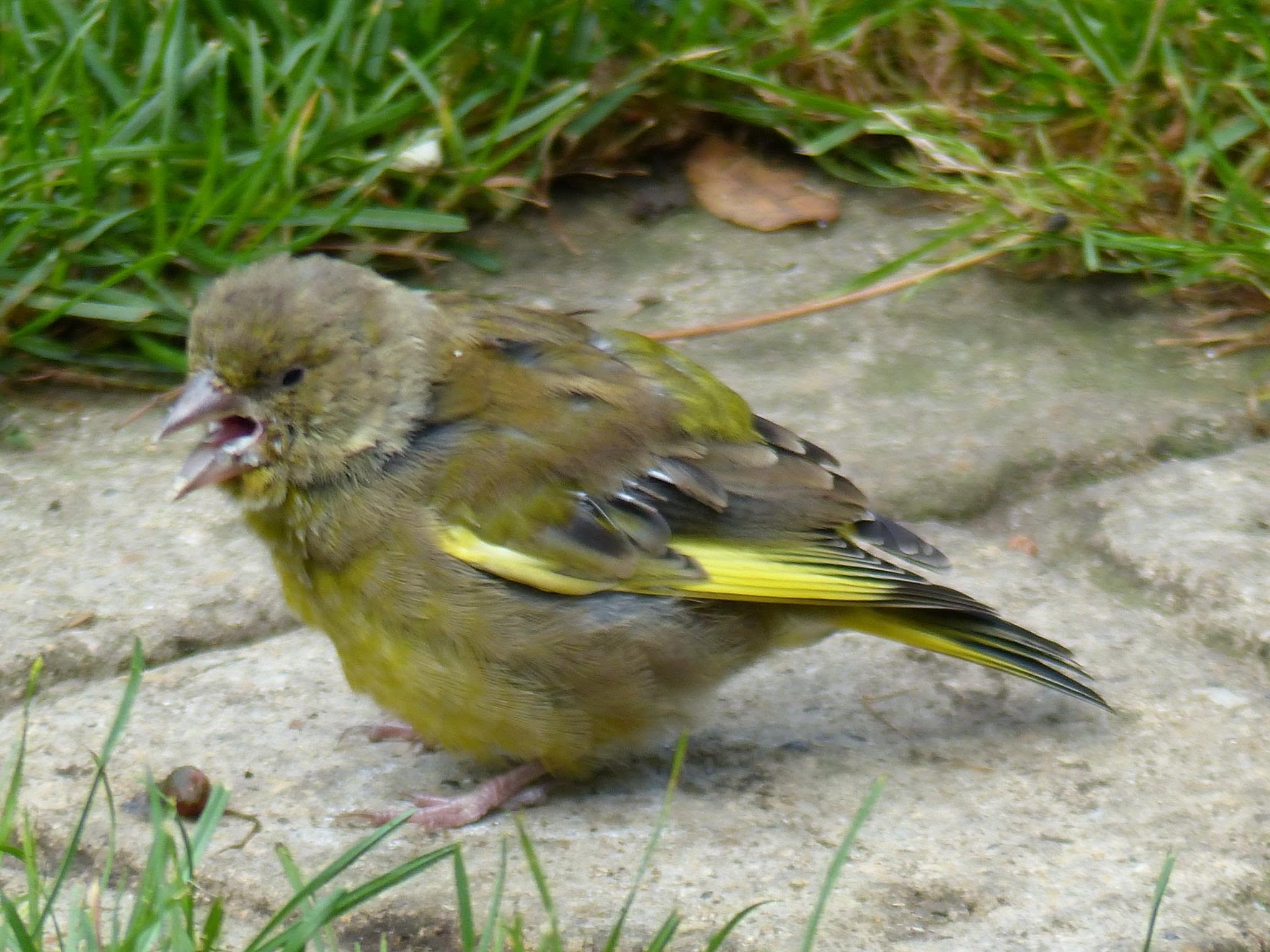
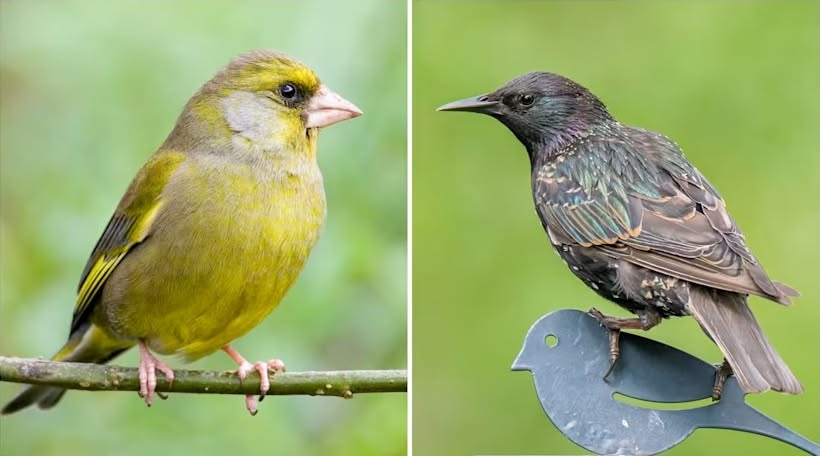
For many decades, garden bird trichomonosis was mainly observed in pigeons and doves, and birds of prey feeding on them. However, this changed in 2005 when increasing numbers of sick and dead songbirds — mainly greenfinches and chaffinches — began being reported from residential gardens in Great Britain.
What It Has Done To UK Greenfinches — The Numbers
The scale of what has happened to the UK greenfinch population since 2005 is difficult to convey without the numbers. They are stark.
According to the 2021 UK Breeding Bird Survey, the greenfinch population declined from circa 4.3 million to approximately 1 million birds — an overall decline of 77 percent. This is described as the largest scale population decline of British birds due to infectious disease on record.
In 2021, conservationists moved greenfinches into the Red List category in the Birds of Conservation Concern report due to this severe decline. Chaffinch numbers have begun to decrease too, with 39 percent being lost between 2012 and 2022. For both species, the cause is trichomonosis.
Greenfinch declines could be the largest scale mortality of British birds due to infectious disease on record.
These are not small numbers. The greenfinch was one of the most familiar birds in British gardens within living memory. The man who came into my shop missing his garden greenfinches is not unusual — greenfinches ranked seventh in the RSPB Big Garden Birdwatch in 1979 when the survey began. By 2025, they ranked eighteenth. That fall in ranking represents a real collapse in a species that most UK adults over 40 remember as a garden staple.
In December 2025, RSPB shops suspended the sale of bird tables, window feeders, seed catching trays and other items which have flat feeding surfaces — an acknowledgement that the design of feeding stations contributed to the conditions in which this disease spread so effectively.
Why This Matters For Pet Bird Owners
Let me be direct about the connection that most commentary on this disease does not make.
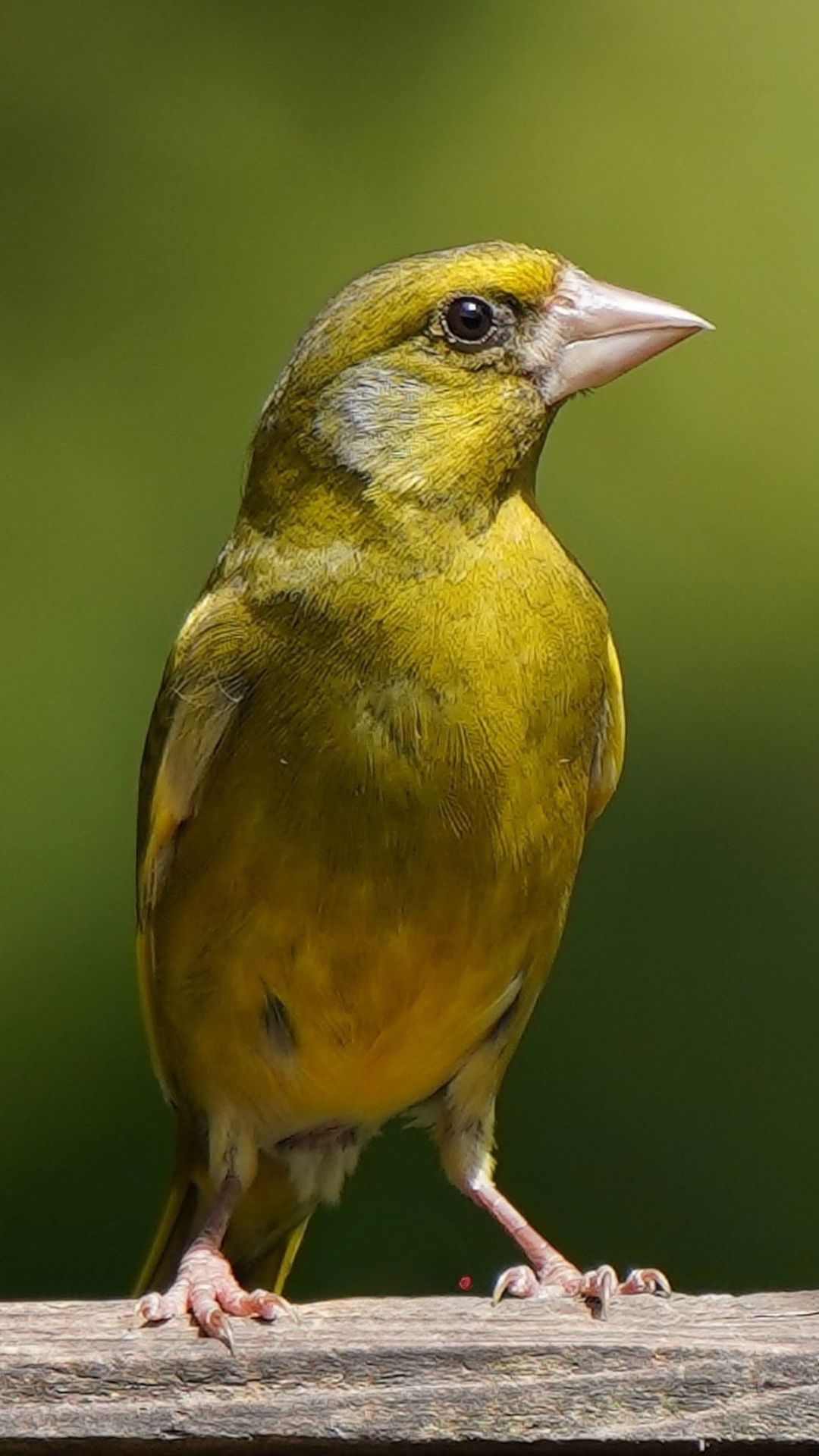
Trichomonosis is a disease of birds. It is found in caged birds, in birds of prey, and in pigeons and doves. It is not exclusively a wild bird problem. The protozoan parasite that has devastated the UK greenfinch population is the same parasite — or closely related strains of it — that can affect the finches, canaries, and doves kept as pets in UK homes.
Trichomonas gallinae is a parasite of birds and does not pose a health risk to humans or their mammalian pets. But it does pose a genuine risk to birds — caged and wild alike — when the conditions for transmission are present.
The conditions for transmission in a cage or aviary are very similar to the conditions that allowed trichomonosis to spread so effectively at wild bird feeding stations: shared food and water sources, close proximity between birds, the opportunity for a parasite deposited by one bird to reach another via contaminated surfaces.
The lessons the wild bird research has established about how this disease spreads are directly applicable to pet bird management. And the habits that protect a cage of finches or canaries from trichomonosis are exactly the habits that, had they been universally applied at garden feeding stations, might have slowed the decline of the greenfinch.
The Signs Of Trichomonosis In A Bird
Knowing what this disease looks like in an affected bird is important whether you keep birds indoors or manage a garden feeding station.
- Lethargy and fluffed-up plumage — the general signs of a sick bird, present in most cases of trichomonosis
- Difficulty swallowing or laboured breathing — caused by the lesions developing in the gullet and throat
- Wet plumage around the bill — as the bird drools saliva it cannot swallow normally
- Regurgitation of food — the bird attempts to eat but cannot swallow properly, and food is brought back up
- Swollen appearance around the throat or crop — sometimes visible as a puffed or swollen area below the bill, which is why the disease has sometimes been called “fat finch disease” despite the bird actually being emaciated
- Rapid weight loss — the bird cannot eat effectively and deteriorates quickly
- Sitting on the ground or at the lowest available position — too weak to maintain normal perching behaviour
- Sticky material around the beak — seed husks and material from the feeding station adhering to infected saliva around the bill
The disease may progress over several days or even weeks. Affected birds show signs of general illness including lethargy and fluffed-up plumage, may show difficulty in swallowing or laboured breathing, and may have wet plumage around the bill and drool saliva or regurgitate food that they cannot swallow.
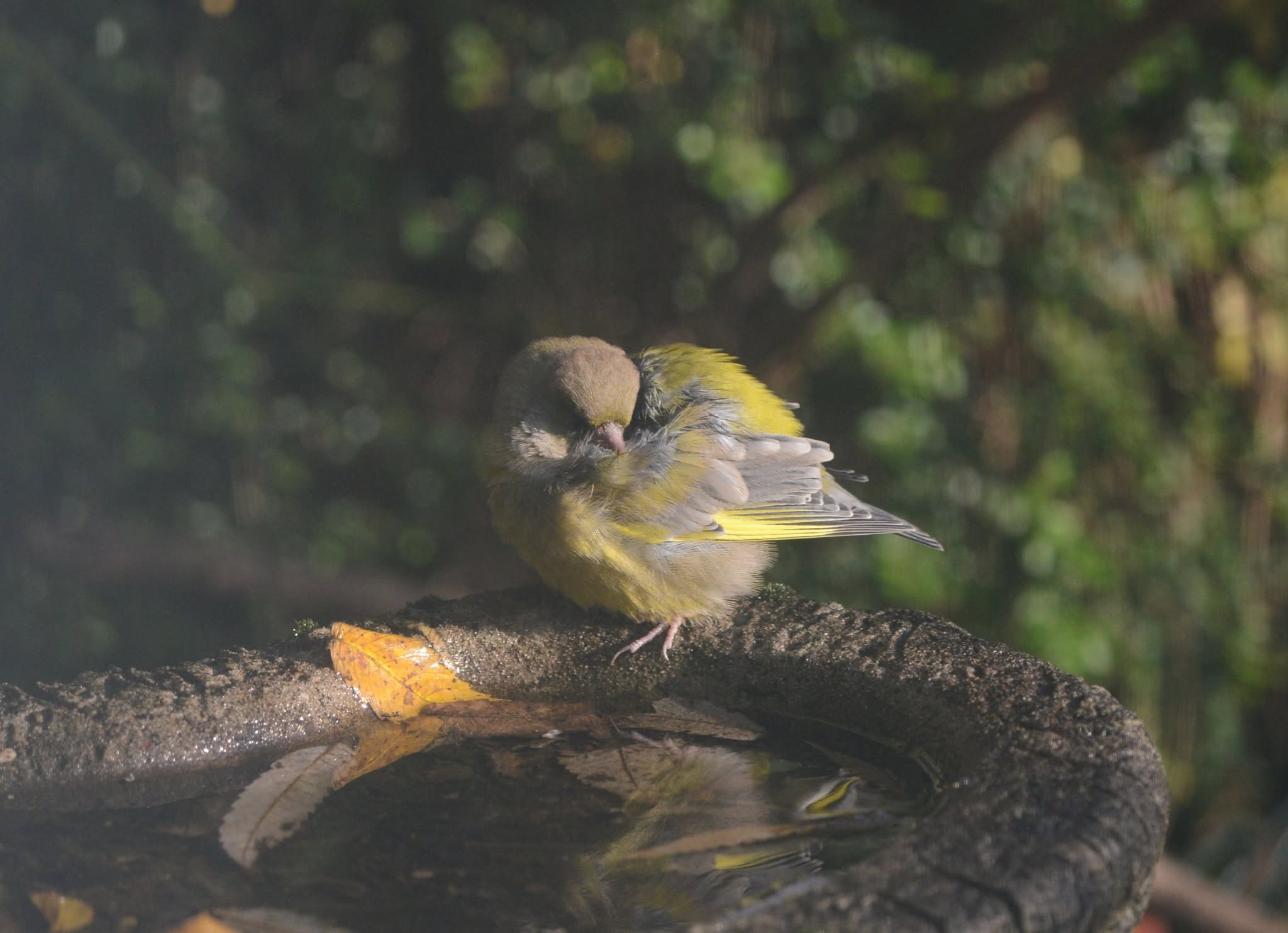 If you see a bird at a garden feeding station showing these signs, do not handle it directly. Report it to the Garden Wildlife Health project. If a caged bird is showing these signs, contact an avian vet the same day — the disease progresses and the window for effective treatment is not long.
How It Spreads — And What You Can Control
The transmission biology of trichomonosis is well-understood, and it is directly actionable for both garden bird feeders and pet bird owners.
The parasite is transmitted primarily through contaminated food and water — specifically, through the saliva and regurgitated material of infected birds reaching food or water that other birds then consume. The parasite does not survive long off the host in dry conditions, but on wet or damp food surfaces it can persist long enough to infect the next bird that feeds there.
A single sick bird, through its saliva, can create a chain reaction within feeders. Damp food becomes a host for the parasite, and husks stick to sick birds’ beaks and are then left around ports or dropped to the ground — in both scenarios they are infectious.
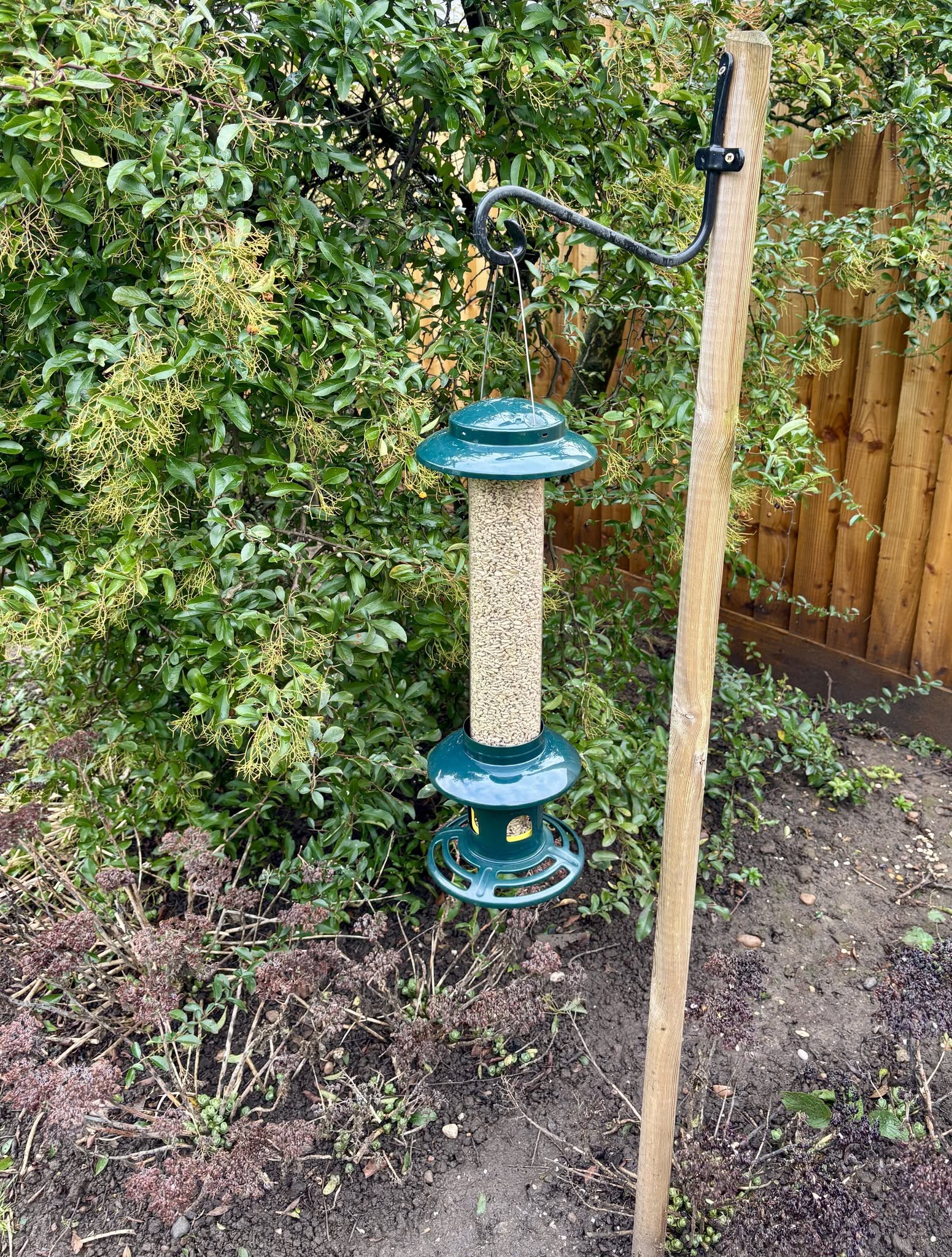
The design of feeding stations has been identified as a significant factor. Flat surfaces where multiple birds feed together, where food accumulates and gets wet, and where infected saliva has maximum opportunity to contact food consumed by other birds, are higher-risk than tube feeders where each bird accesses food individually from a separate port.
For pet bird owners, the equivalent risk factors are shared food dishes between multiple birds — particularly wet food, sprouted seeds, and soft foods that hold moisture — and shared water sources that are not changed frequently enough.
What Pet Bird Owners Should Do — The Practical Response
- Clean food and water containers daily, properly. Not just topped up — emptied, cleaned, and refilled. The parasite’s transmission route is through contaminated food and water surfaces. Removing that contamination daily is your primary defence.
- Be particularly careful with wet and soft foods. Sprouted seeds, soft fruits, egg food, and other high-moisture foods provide the damp surface conditions in which the parasite persists longest. These foods should be removed if not eaten promptly and should never be left in a cage to dry out and be eaten later.
- Quarantine new birds before introducing them to existing birds. A new bird carrying Trichomonas gallinae without yet showing signs of illness can introduce the parasite to an established group. A proper thirty-day quarantine period in a separate airspace is your protection against this route of introduction.
- Do not allow your caged birds to have contact with wild birds or pigeons. If you have an outdoor aviary, ensure wild birds — particularly pigeons and doves, which are known carriers — cannot access the food or water sources your birds use.
- Know the signs and act promptly. Trichomonosis in caged birds is treatable when caught early. A bird that is showing difficulty swallowing, regurgitating food, or has wet, sticky material around its beak needs to see an avian vet today, not in a few days.
- If you have garden feeding stations, apply good hygiene practices there too. The transmission routes at a garden feeder are the same as in a cage. Regular cleaning of feeding stations, daily changing of water, and avoiding flat feeding surfaces where food accumulates reduce the risk of creating the conditions that have been so damaging to UK greenfinch populations.
- Do not use shared equipment between different bird groups without cleaning. Perches, food dishes, and cage furniture moved from one group to another without proper cleaning are a potential transmission route for multiple diseases, including trichomonosis.
Garden Feeding Stations — The Specific Lessons From The Greenfinch Decline
For anyone who also feeds wild birds in their garden, the greenfinch story has produced specific, research-backed guidance worth knowing.
Choose feeders that keep food dry and limit access by birds to a perch. Moderate the volume of seed provision by using smaller feeders, and reduce the number of seed feeders in use, since congregation at high density for sustained periods might increase the risk of parasite transmission.
Ensure feeders visited by greenfinches or chaffinches do not allow access by pigeons or doves, due to the increased potential for transmission of trichomonosis as these species are prone to this disease.
Rotate the positions of feeders in the garden to prevent the build-up of contamination in any one area of ground below the feeders. Empty and air-dry any water feeders or bird baths on a daily basis.
These are not complex or expensive measures. They are hygiene habits applied consistently. The tragedy of the greenfinch situation is that the disease spread in precisely the environments — garden feeding stations — where well-informed, caring people were trying to help birds. The damage was done not through neglect but through absence of the specific knowledge that would have prompted different practices.
That knowledge now exists. Acting on it is a straightforward choice.
Quick Reference — Trichomonosis Facts For Bird Owners
| Question | Answer |
|---|---|
| What causes trichomonosis? | A protozoan parasite called Trichomonas gallinae |
| Which birds can be affected? | Finches, doves, pigeons, birds of prey, and caged birds including canaries and finches |
| How does it spread? | Contaminated food and water — primarily through infected saliva reaching shared food sources |
| Is it dangerous to humans or mammals? | No — it is a bird-specific parasite |
| Is it treatable? | Yes — with appropriate antiprotozoal medication from a vet, when caught early |
| What are the main risk factors in a cage or aviary? | Shared contaminated food/water, wet soft foods not removed promptly, new birds not quarantined, wild bird access to food sources |
| What is the single most protective habit? | Daily cleaning of food and water containers — properly, not just topped up |
Frequently Asked Questions
Can my pet canary or cage finch get trichomonosis?
Yes. Trichomonas gallinae affects caged birds including canaries and finches, not only wild birds. The parasite is the same one that has caused such devastating losses in wild greenfinch and chaffinch populations. The risk in a well-managed cage or aviary where new birds are quarantined and food and water are cleaned daily is lower than the risk at a busy, poorly managed wild bird feeding station — but it is not zero, and the disease is entirely serious if it reaches your birds.
If I see a sick greenfinch in my garden, what should I do?
Do not handle it directly. Birds can be moved with a cardboard box if necessary, using gloves. Report the sighting — and particularly any suspected trichomonosis — to the Garden Wildlife Health project, which is the national monitoring system for this disease. If you have a garden feeding station, clean it thoroughly and consider pausing feeding temporarily while the sick bird has been in the area, to reduce the risk of contaminating the station and infecting other birds.
How is trichomonosis treated in caged birds?
Treatment is with antiprotozoal medication — specifically metronidazole or carnidazole — prescribed by an avian vet. The treatment is effective when the disease is caught early, before the lesions in the gullet have advanced to the point where the bird cannot eat or drink at all. This is why prompt veterinary assessment on seeing the signs matters — the window for effective treatment is real but it is not unlimited.
Does cleaning with water alone remove the parasite from feeders?
Water alone is not sufficient. The BTO and Garden Wildlife Health recommend cleaning with a dilute solution of domestic bleach — roughly five percent sodium hypochlorite — or a purpose-designed bird feeder disinfectant. After cleaning, feeders should be rinsed thoroughly and allowed to dry fully before being refilled and returned to use. The drying step matters because the parasite does not survive well in dry conditions.
Is trichomonosis the reason I am seeing fewer greenfinches in my garden?
If you are in the UK and have noticed a decline in greenfinches at your feeding station over the past decade, trichomonosis is the most likely explanation. The disease has caused what is now described as the largest scale infectious disease impact on a European wild bird on record, with population declines of more than 65 percent since the early 1990s. The species is now on the UK Red List. The decline is real, it is happening across the country, and the cause is well-established.
Where can I get honest bird advice in Swindon?
Come and see us at Paradise Pets, Manor Garden Centre, Cheney Manor, Swindon SN2 2QJ. Or give us a ring on 01793 512400. We can advise on both cage and wild bird disease prevention and tell you honestly when something needs a vet. The advice is free and we have been giving it for 35 years.
One Last Thing From Me
The man who had not seen a greenfinch in two years went away understanding something that had been invisible to him before. He left with information he could act on — about his garden feeding station, about the birds he keeps indoors, about the habits that reduce risk in both settings.
The greenfinch decline is a conservation tragedy and it is ongoing. The species may recover if research produces effective interventions and if feeding practices change across the millions of UK households that feed garden birds. That recovery is not guaranteed and it will take time even if conditions improve.
What pet bird owners can take from this story is something more immediately actionable. The disease that devastated a wild bird population spread the way all contact diseases spread — through shared surfaces, contaminated food and water, and the repeated close contact of many birds in a small space. The habits that interrupt those transmission routes in a garden feeding station are the same habits that protect a cage of finches or a canary aviary.
Clean the food dishes properly. Change the water daily. Quarantine new birds. Do not let wild pigeons access your birds’ food. Know the signs. Act promptly when something looks wrong.
These are not complex. They are the same habits that, had they been universally practised at garden feeding stations from 2005 onwards, might have told a different story about the UK greenfinch. It is too late for that. It is not too late for the birds in your care.
Questions About Protecting Your Birds From Disease? Come And Talk It Through
Whether you keep cage birds, manage a garden feeding station, or both, we can advise on disease prevention honestly and practically. Free advice, no obligation. That is how we have done things for 35 years.