
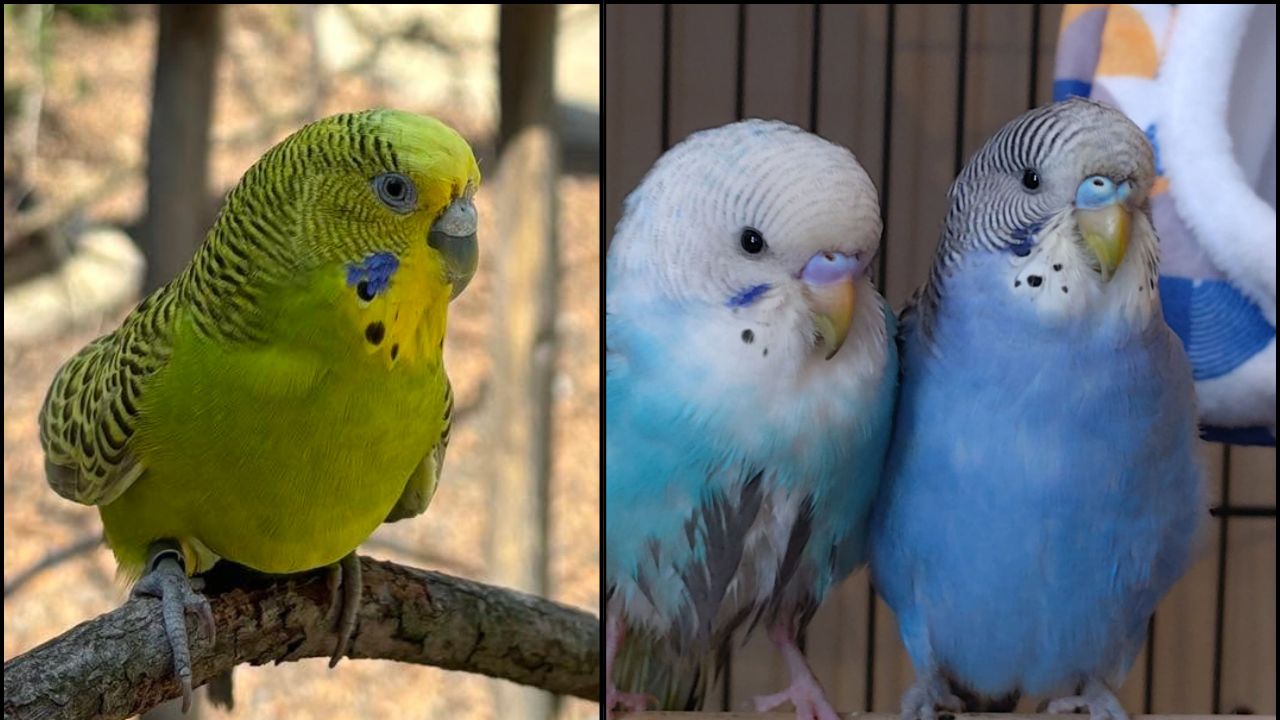

Neil has been keeping, breeding, and selling birds at Paradise Pets Swindon since 1988 — over 35 years of watching UK seasons, UK bird populations, and the slow change in what British bird keeping looks like from inside a shop that has been in the same place for all of that time. Climate change is not an abstract future concern for the birds he sells and the people who keep them. It is already showing up in how his birds behave, what health problems he sees in which months, and what owners ask him about. This is his honest take on what it means — for wild birds, for pet birds, and for the people who care about both.
A regular customer came into the shop last October — a woman who has been buying birds from us for about fifteen years. She has a cockatiel and two budgies, and she also keeps a garden log. She noted what birds visited, in what numbers, in which weeks. She had been doing it since 2009.
She showed me the log.
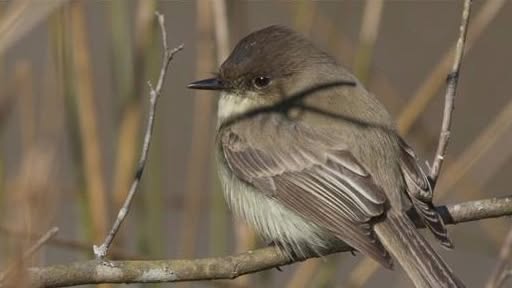
The swallows, she said, had been arriving two weeks earlier than they did when she started the log. The house martins had started leaving two weeks later. The fieldfare and redwing — winter thrushes that traditionally arrived in October — had been arriving later each year, with noticeably smaller numbers in the early arrival waves. The sparrowhawk that used to appear predictably in November had started appearing in September.
None of this proved anything on its own. But it matched, with uncomfortable precision, what the British Trust for Ornithology and the RSPB have been documenting across the country for years. UK birds are changing their patterns — arrival dates, departure dates, breeding timing, range. The changes are measurable, consistent, and accelerating.
And what I told her — what I genuinely believe after 35 years of watching this — is that these changes in wild bird patterns are not separate from the bird in her living room. They are part of the same picture. Understanding one helps you understand the other.
What Is Actually Happening To UK Wild Birds — The Honest Picture
Before coming to pet birds specifically, I want to be clear about what is happening in the wider picture — because the two are connected and because the wild bird changes help explain some of what pet bird owners are experiencing at home.
The evidence for climate-driven change in UK bird populations and behaviour comes from decades of systematic monitoring by the BTO, the RSPB, and networks of citizen science volunteers across the country. It is not speculative. The patterns are documented, peer-reviewed, and consistent over time.
- Breeding seasons are shifting earlier — many UK bird species are now breeding two to three weeks earlier than they did in the 1980s; this is a direct response to warmer springs, which cause earlier emergence of the insects that form the food base for chick-rearing; species that cannot shift their breeding timing fast enough to match insect emergence face mismatches that reduce breeding success
- Winter visitors are arriving later and in smaller early numbers — species like fieldfare, redwing, and waxwing that winter in the UK from Scandinavia and northern Europe are arriving later because milder conditions in their wintering regions mean they can survive there for longer before moving; when they do arrive here they face conditions that are also changing
- Some species are extending their ranges northward — species historically confined to southern England are now regularly recorded further north and in Scotland; the little egret is the most cited example but there are many others; warmer conditions are allowing these range extensions
- Species that depend on specific seasonal timing are under particular stress — where food availability, nesting sites, and migrant arrival times have historically been synchronised, climate change is disrupting that synchronisation; the knock-on effects run through food webs in ways that are still being understood
- Extreme weather events are increasing in frequency and severity — prolonged summer heat, late winter cold snaps, intense rainfall events; all of these affect bird populations directly and all are becoming more frequent in the UK
What This Means For The Bird In Your Living Room — The Direct Connection
The link between wild bird population changes and the health and welfare of pet birds in UK homes is not metaphorical. It is practical and in some cases immediate.
The Summer Heat Problem Is Already Here
The most immediate climate impact on UK pet birds is the heat. Summers in Britain are genuinely hotter than they were when I started in this business, and the pattern of extreme heat days — days over 30 degrees Celsius — has increased significantly. For budgies, cockatiels, and other birds from warm-climate species, this might seem irrelevant. These are birds that evolved in warm climates.
But this reasoning is wrong for two reasons. First, wild parrots and budgerigars in their native ranges have evolved the behaviour to seek shade, find cool microclimates, and move to avoid the hottest conditions. A cage is a fixed environment with no ability to self-select a cooler microclimate. Second, the heat problem in a UK home is not the ambient outdoor temperature — it is the amplified heat inside conservatories, south-facing rooms, and parked cars that create temperatures significantly above the outdoor level.
- Conservatories that were safe environments for cage birds in 2005 may no longer be safe in summer — the frequency and severity of hot days has increased enough that a positioning decision made years ago may now need to be revisited; I have written about this in more detail in the heat stress guide, but the broader point is that the baseline has shifted
- The range of temperatures UK pet birds experience across the year has widened — hot summers and mild winters mean the swing from the coldest to the hottest ambient temperature a cage bird experiences in a UK home is greater than it was a generation ago; birds that evolved for stable warm conditions are experiencing this full swing
- Owners need to actively manage summer positioning in ways that were not previously necessary — not as an exotic precaution but as routine summer care; check the temperature near the cage on hot days, ensure shade, provide ventilation, and know the early signs of heat stress
Winter Weather Is More Unpredictable, Not Just Milder
A common misconception about climate change in the UK is that warmer means more comfortable for birds year-round. This is not what the data shows. UK winters are becoming milder on average, but they are also becoming more variable — mild spells interrupted by sharp late cold snaps, wet winters with temperature fluctuations that create conditions no stable planning can account for.
- The late cold snap — cold weather in March or April after a mild February — is a documented pattern that affects both wild and pet birds — wild birds that have started breeding early based on mild conditions face the cold snap during a vulnerable period; pet birds whose owners have relaxed winter precautions during a mild February face unexpected cold exposure in March
- Unpredictable winters mean owners cannot rely on seasonal routines alone — the winter cage positioning and heating routine that kept a bird safe through three consecutive mild winters may fail in the fourth winter that has a sharp cold snap in late March; watching the actual temperature near the cage rather than relying on seasonal expectation is now more important than it was
- The combination of mild spells and cold snaps creates temperature fluctuations that are specifically stressful for respiratory health in birds — rapid swings between warm and cold are harder for birds to manage than sustained cold, and the UK climate is producing more of these fluctuations
New and Expanding Disease Risks
This is the connection most owners have not considered, and it is worth explaining carefully because the evidence for it is emerging and the practical implications are real.
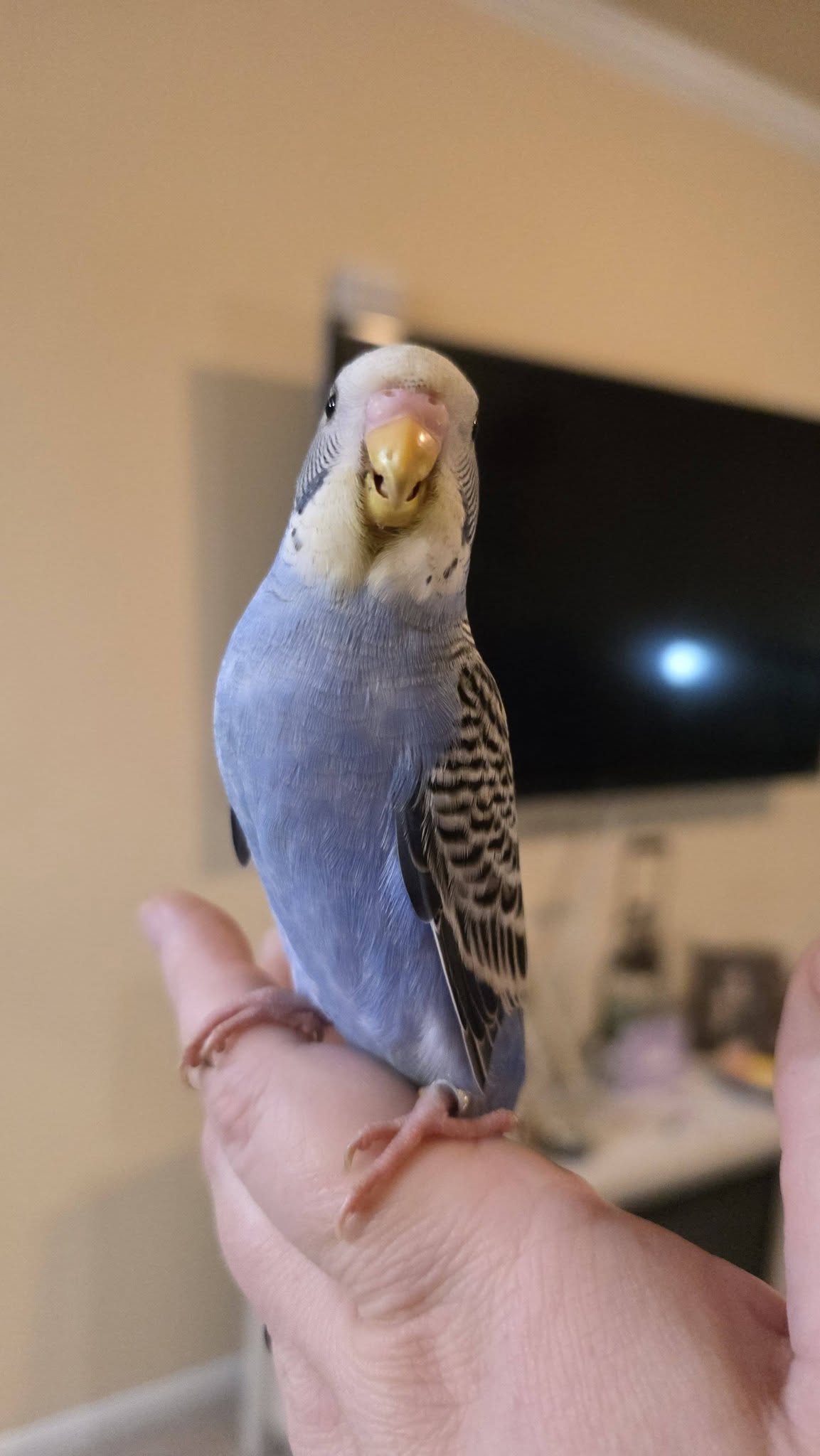
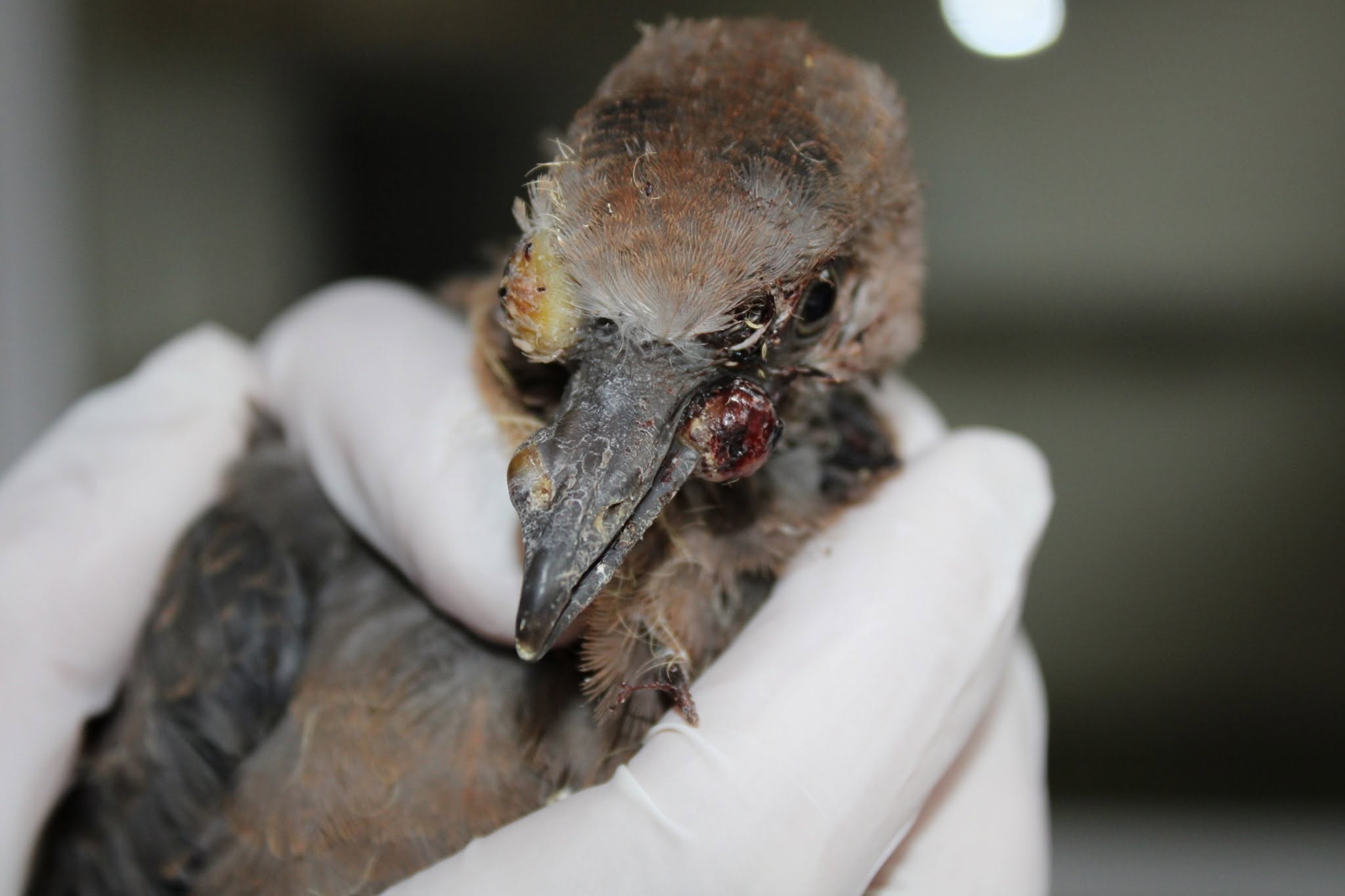
Climate change affects the distribution and survival of disease vectors — insects, particularly mosquitoes, that transmit pathogens. In the UK, rising temperatures are expanding the range and extending the active season of mosquito species that can carry avian diseases. This is not a hypothetical future risk. It is already changing disease dynamics in wild bird populations.
- Avian malaria in UK wild bird populations has increased in recent years — it is transmitted by mosquitoes, which are now active for longer periods and in more of the country than they were two decades ago; this affects wild bird populations and their health, which matters for pet birds kept outdoors or in environments where wild birds are present
- West Nile virus has been detected in UK mosquitoes in recent years — it has not produced significant outbreaks in UK bird or human populations to date, but its presence reflects the broader pattern of disease range expansion that warmer conditions enable; this is a situation worth monitoring
- Mosquito control around outdoor aviaries and hutches matters more now than it did a generation ago — reducing standing water near outdoor bird housing, using appropriate mesh to reduce insect access overnight, and being aware of new disease risks that may affect outdoor-housed birds are all practical responses to a changing risk environment
- For indoor pet birds, the risk is lower but not absent — a mosquito entering a house in a warm evening can access a cage bird; keeping windows and doors screened in warm months reduces this route of exposure
What This Means For How You Keep Your Bird — The Practical Changes
Understanding the climate picture changes some practical aspects of bird keeping in ways that are worth making explicit.
- Seasonal care routines need to be based on actual conditions, not calendar months — if your bird care routine says “open windows for ventilation from April” or “reduce winter heating precautions from March,” these calendar-based triggers are less reliable than they were; base decisions on actual measured temperature near the cage, not the month
- Summer positioning of cages needs annual review — where the cage is is a decision that should be revisited each spring as temperatures begin to rise, not set once and forgotten; what was safe last summer may not be safe this summer if the room’s summer peak temperature has changed
- A thermometer near the cage is no longer optional — if I could give every bird owner one piece of equipment they do not currently have, it would be a thermometer with a minimum/maximum function placed near the cage; knowing what the bird is actually experiencing, across the full 24-hour cycle and across the range of conditions that now characterise UK weather, is the foundation of responsive care
- Heat stress knowledge is essential, not specialist — understanding what heat stress looks like in a bird, at what temperatures it occurs, and what to do and not do about it is now basic care knowledge for UK bird owners; the conditions that produce it are occurring more frequently and more severely each year
- Outdoor aviary owners need to be thinking about insect management as disease mitigation — this was always good practice; it is now more important as the range and season of relevant insect vectors expands
The Wild Bird Connection — Why What Happens Outside Matters To The Bird Inside
I want to return to this connection because I think it is undervalued by most pet bird owners, and because it is one of the things I feel most strongly about after 35 years in this business.
The wild birds in UK gardens are the relatives and wild counterparts of the species most commonly kept as pets. Budgies, cockatiels, canaries, finches — the wild populations of these species, and the wild species most closely related to them, are responding to climate change in ways that are measurable and documented. The same pressures that are shifting wild bird behaviour and health are affecting the biology of the birds in British homes.
But there is also a more direct reason why the health of wild bird populations matters to pet bird owners.
- Wild birds carry and transmit diseases that can affect domestic cage birds — through insects that have fed on both, through faecal contamination near outdoor cages and aviaries, and in some cases through direct contact; a wild bird population under stress from disease, parasites, or environmental disruption is a disease reservoir that exists in closer proximity to pet birds than owners typically recognise
- The insects and invertebrates that wild birds depend on are affected by climate change — and many of these same insects are disease vectors for bird populations generally; changes in insect ecology driven by climate change affect disease dynamics for all birds, wild and domestic
- Paying attention to what is happening to wild bird populations is therefore not just an interest — it is a form of environmental monitoring that is relevant to the health of pet birds — an unusual disease event in local wild birds, a sudden change in the species or numbers visiting a garden, or the appearance of an unfamiliar insect in significant numbers near an outdoor aviary are all worth noting
- Supporting wild bird populations is not separate from caring about pet birds — they are part of the same avian world; what is good for the health, diversity, and resilience of wild bird populations generally is good for the broader environment in which all birds, including pet birds, exist
What I Tell Owners Who Ask What They Can Do
This question comes up more often than it used to, and I am glad it does. People who care enough about birds to keep them well are people who often care about the broader picture too.
- Garden for birds seriously, not decoratively — native plants, particularly those that support insect life, are far more valuable than exotic ornamental plants; a garden that supports insects supports the birds that eat them; this is the single most impactful thing most UK households can do for wild bird populations
- Feed garden birds year-round and with quality food — the old advice was to feed only in winter; the more current understanding is that year-round supplementary feeding supports birds through the stresses of breeding season, moult, and the disrupted seasonal patterns that climate change is producing
- Provide water consistently and clean it regularly — fresh water is as important as food for garden birds, and it is the element most often overlooked; a clean, filled bird bath maintained through summer is one of the most valuable things a garden can have for wild birds in the increasingly hot UK summers
- Support organisations doing the monitoring work — the BTO, the RSPB, and local wildlife trusts are doing the systematic work that documents what is actually happening and informs conservation responses; their work depends on membership, donation, and citizen science participation
- Participate in citizen science surveys — the Big Garden Birdwatch, the BTO’s Garden Birdwatch, and similar schemes are not just pleasant activities; the data they generate is genuinely used in conservation science and policy; an hour counting garden birds in January is a contribution to understanding that has real value
Frequently Asked Questions
Does climate change actually affect my pet budgie or cockatiel directly?
Yes, in practical and immediate ways. The most direct impact is the summer heat — UK summers are now reliably hotter than they were a generation ago, and cage birds that cannot move to seek shade are vulnerable to heat stress in conditions that would not have been a significant concern in the 1990s. There are also secondary effects through disease dynamics, insect vectors, and the general environmental changes that affect the health ecosystem in which all birds exist. This is not an abstract concern — it is already showing up in the health presentations owners bring to vets and to shops like this one.
How is climate change affecting UK garden birds specifically?
The most documented changes are shifts in breeding timing — many species are now breeding two to three weeks earlier than in the 1980s — and shifts in range, with some species extending northward as conditions allow. Winter visitor patterns are changing, with some species arriving later and in smaller early-season numbers. Extreme weather events are affecting breeding success in specific years. The overall picture is of a bird population in the process of adjusting to rapid environmental change, with some species managing the adjustment better than others.
Should I be worried about mosquitoes and my pet bird?
More so than previously, yes, though the risk remains relatively low for indoor-kept birds. Mosquitoes are active for longer and across more of the country than they were two decades ago due to warmer conditions. They are documented carriers of avian malaria and other pathogens. For outdoor aviaries, reducing standing water near the birds and using appropriate mesh to reduce overnight mosquito access is sensible practice. For indoor birds, window and door screening in warm months reduces the risk further. This is a situation that warrants awareness rather than alarm.
Is it still worth getting a pet bird if climate change is causing all these problems?
Yes. A well-kept pet bird has a better life than a wild bird in many respects, and the care that comes from genuine engagement with a pet bird is part of what builds the broader concern for birds generally that supports conservation. The answer to climate change impacts on birds is not to disengage from birds but to engage with them more knowledgeably — understanding the risks, adapting care accordingly, and using that connection to support the wider efforts that address the underlying causes.
Where can I get advice about adapting my bird’s care for changing UK conditions?
Come in to Paradise Pets at Manor Garden Centre, Cheney Manor Industrial Estate, Swindon SN2 2QJ — or call us on 01793 512400. If you want to talk through your specific setup — cage positioning, seasonal care routine, summer and winter preparations — I am happy to go through it. Free advice, no obligation. That is how we have done things here for 35 years.
One Last Thing From Me
The customer who showed me her garden log — the one tracking fifteen years of bird arrival and departure dates — is one of the people who reminds me why this work matters.
She keeps pet birds because she loves birds. She keeps the garden log because she loves birds. She supports the RSPB and participates in the Big Garden Birdwatch because she loves birds. For her, the pet bird in the living room and the fieldfare in the garden and the migratory patterns changing across Europe are all part of the same thing — a world of birds that she has paid attention to for a long time and that she is watching change.
I think more bird owners are like her than is sometimes assumed. The people who keep birds carefully and well are almost always people who are paying attention to something larger than the cage in their living room. They notice when the swallows arrive. They know which sparrows are regulars in their garden. They have opinions about nest boxes and supplementary feeding and what kind of seed attracts which species.
Climate change is not a separate issue for these people. It is a change happening to something they already care about.
After 35 years, my honest belief is that the people best equipped to notice what is happening to UK birds, and to respond usefully to it, are the people who have been paying close attention to birds all along. Not because they have any special power to reverse large-scale climate processes — they do not — but because they are already looking, already caring, and already understanding that what happens to the birds matters.
If you are keeping a bird carefully in your living room, you are already part of this.
Questions About Your Bird’s Care In A Changing UK Climate? Come In.
Whether you want to talk about summer positioning, winter routines, or anything else affecting your bird’s welfare as UK conditions change, I am happy to go through it. Free advice, no obligation. That is how we have done things here for 35 years.