
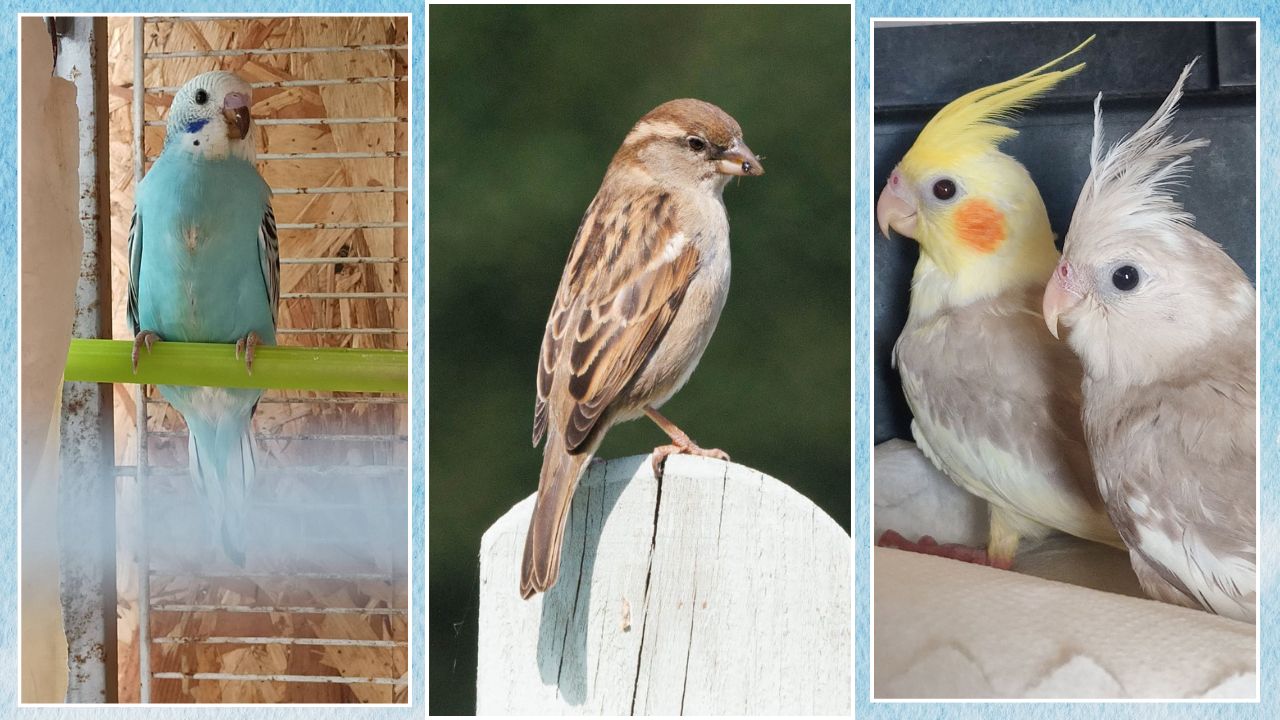

Neil has kept, bred, and sold cage and aviary birds at Paradise Pets Swindon since 1988 — over 35 years of watching what happens both in British gardens and in British homes. The 2026 Big Garden Birdwatch counted over 9.4 million birds across more than 80 species. This is his honest read on what that data actually tells anyone who keeps, or is thinking about keeping, a pet bird.
A customer asked me an unusual question recently. She had read the Big Garden Birdwatch results — more than 650,000 people, over 9.4 million birds counted, House Sparrows topping the rankings again — and wanted to know if any of that actually told her anything useful about her own budgie at home. It is not the obvious question, but I think it is a genuinely good one, and I want to answer it properly rather than brush it off.
The honest answer is: yes, quite a lot, once you know how to read it. The Birdwatch is not designed with pet bird owners in mind, but the patterns it reveals — which species thrive, which struggle, why, and how quickly things can change — carry real, practical lessons for anyone keeping a bird at home. This article is my attempt to translate that wild bird data into something genuinely useful for pet bird keeping.
What The 2026 Count Actually Found
More than 650,000 people took part in this year’s Big Garden Birdwatch, together counting over 9.4 million birds across more than eighty species — making it, by a wide margin, the largest event of its kind anywhere in the world. House Sparrows held onto the top spot as the most commonly recorded garden bird, with Blue Tits in second place and Starlings climbing into third.
Beneath that fairly stable top three, though, the data tells a much more varied story. Some species are thriving in gardens. Others, like the Greenfinch, have declined by more than 65% over the past three decades and now sit on the UK Red List of highest conservation concern. The gap between those two groups of birds is where I think the genuinely useful lessons for pet bird keeping actually live.
Lesson One — Sociability Is A Strength And A Vulnerability At The Same Time
House Sparrows and Starlings, both consistently near the top of the Birdwatch rankings, are highly social, flock-oriented birds. Greenfinches, also highly social, have suffered one of the steepest declines of any common garden species, driven by a disease called trichomonosis that spreads specifically through the close, repeated contact that sociable flock feeding involves.
The lesson here is not that sociability is bad — it clearly is not, given how well House Sparrows continue to do. The lesson is that a social species’ wellbeing depends enormously on the quality of the environment that sociability happens within. For pet bird owners keeping multiple budgies, cockatiels, or finches, this translates directly: the social interaction your birds have with each other is genuinely good for them, but only if the shared food, water, and contact points involved are kept properly clean and well managed. The same social closeness that makes a flock thrive in good conditions is exactly what allows problems to spread quickly in poor ones.
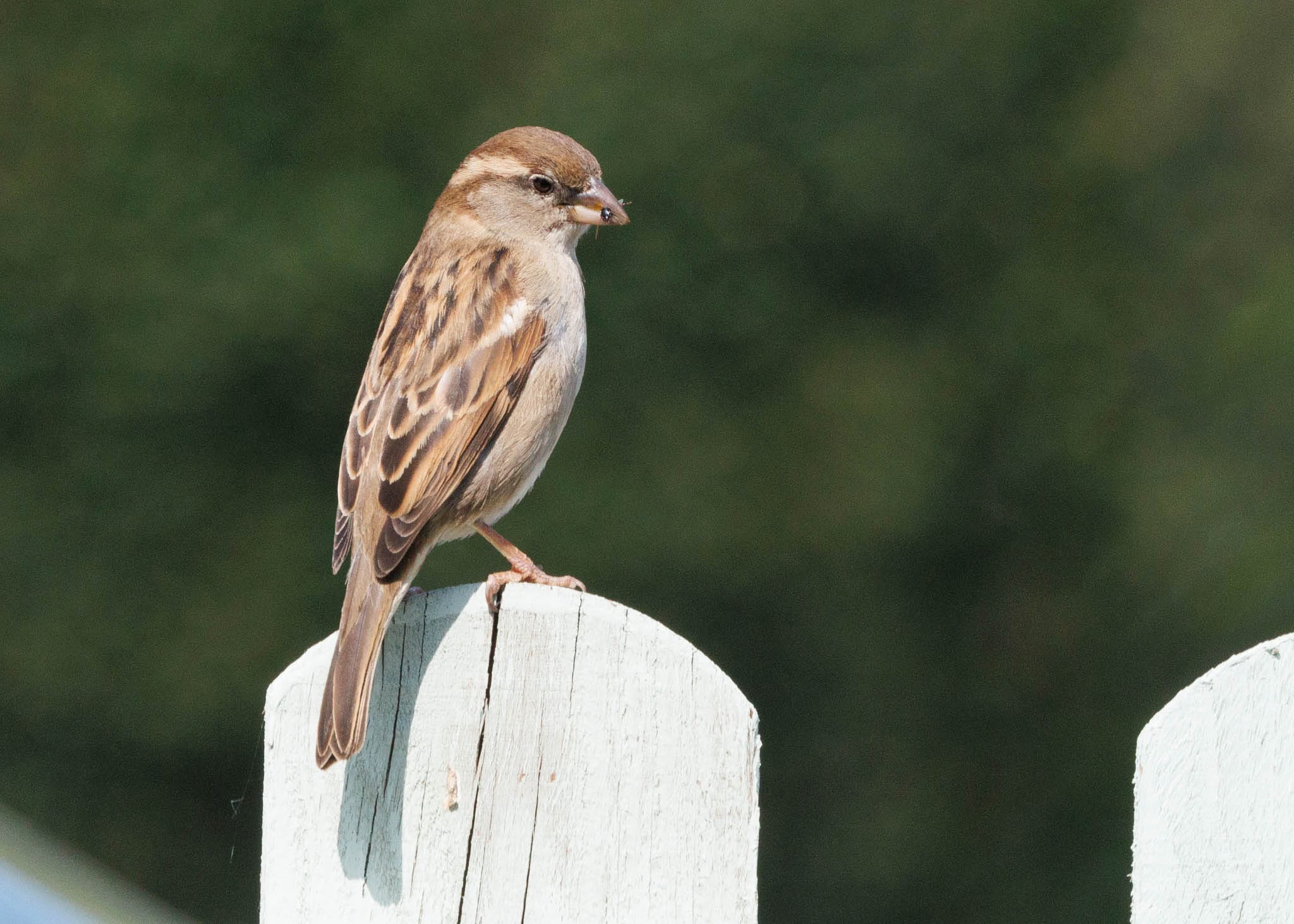
Lesson Two — A Species Doing Well Overall Can Still Be Struggling Locally
The national totals from the Birdwatch can mask a lot of local and individual variation. A species can be doing well across the country as a whole while still declining sharply in specific regions, gardens, or circumstances — and the reverse is true too.
This maps onto something I see constantly in pet bird keeping. An owner might know, in general terms, that budgies are a hardy, commonly thriving species — which they genuinely are. But that general fact says nothing about whether their own specific bird, in their own specific cage, with their own specific diet and routine, is actually thriving. I think this is one of the most important translations from the Birdwatch data: population-level health does not guarantee individual-level health, in wild birds or pet birds, and owners need to assess their own bird’s actual condition rather than relying on general reassurance about the species as a whole.
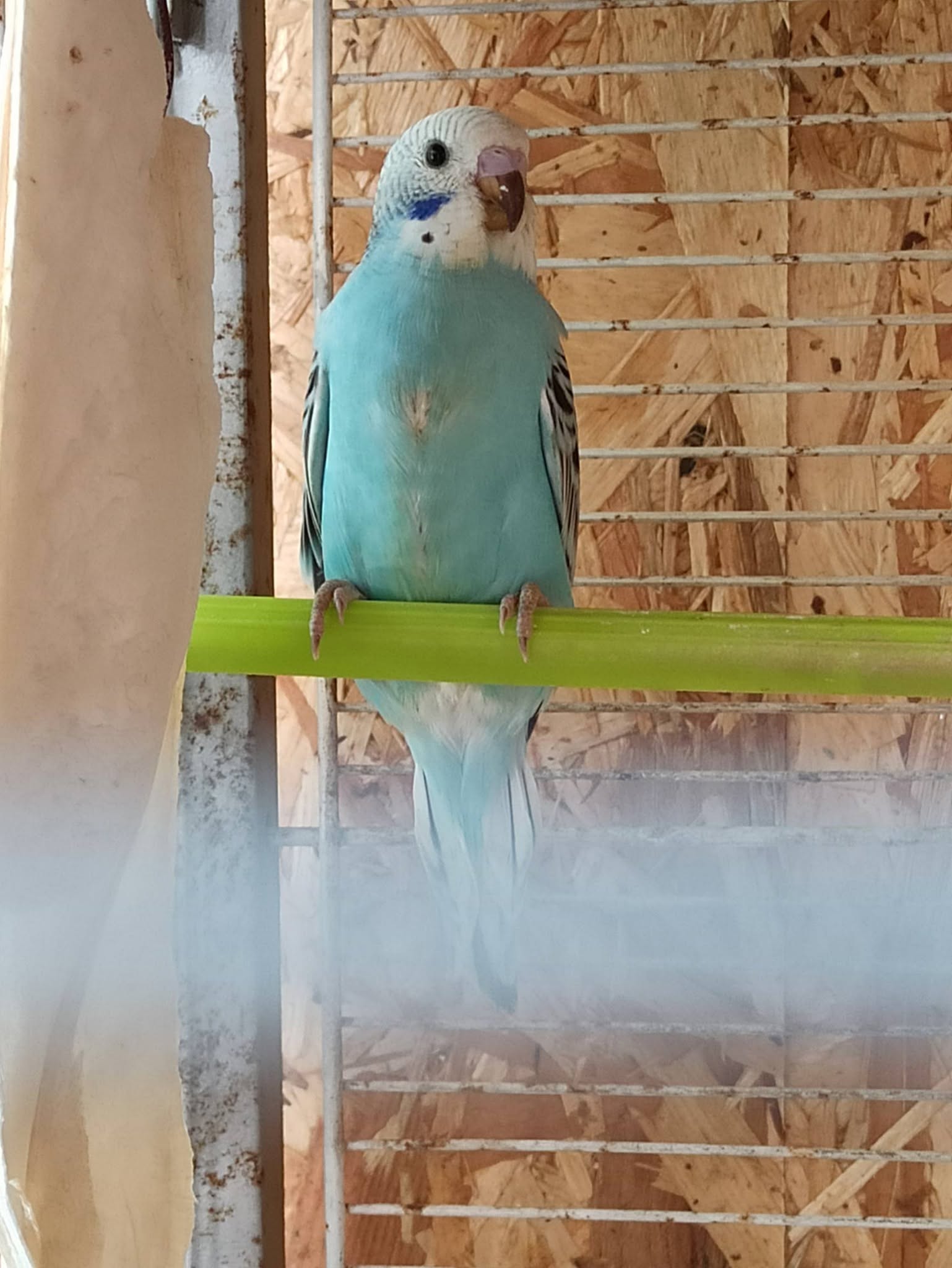
Lesson Three — Sudden Declines Often Have A Single, Identifiable Cause
The Greenfinch’s collapse was not a slow, mysterious fade. Population data shows numbers actually increased through much of the 1990s, followed by a sudden, sharp decline connected to one specific, identifiable disease that emerged in the mid-2000s. That is a useful pattern to recognise, because it cuts against the instinct to assume any decline must be complicated, vague, or impossible to pin down.
For an individual pet bird, a sudden, marked change in behaviour, appetite, or activity is far more likely to have a specific, identifiable cause — illness, an environmental change, a diet issue — than to be an unexplainable, gradual mystery. The Greenfinch data is, in a sense, a large-scale demonstration that sharp declines usually do have a findable answer if you look properly, rather than being something to simply accept as unexplained.
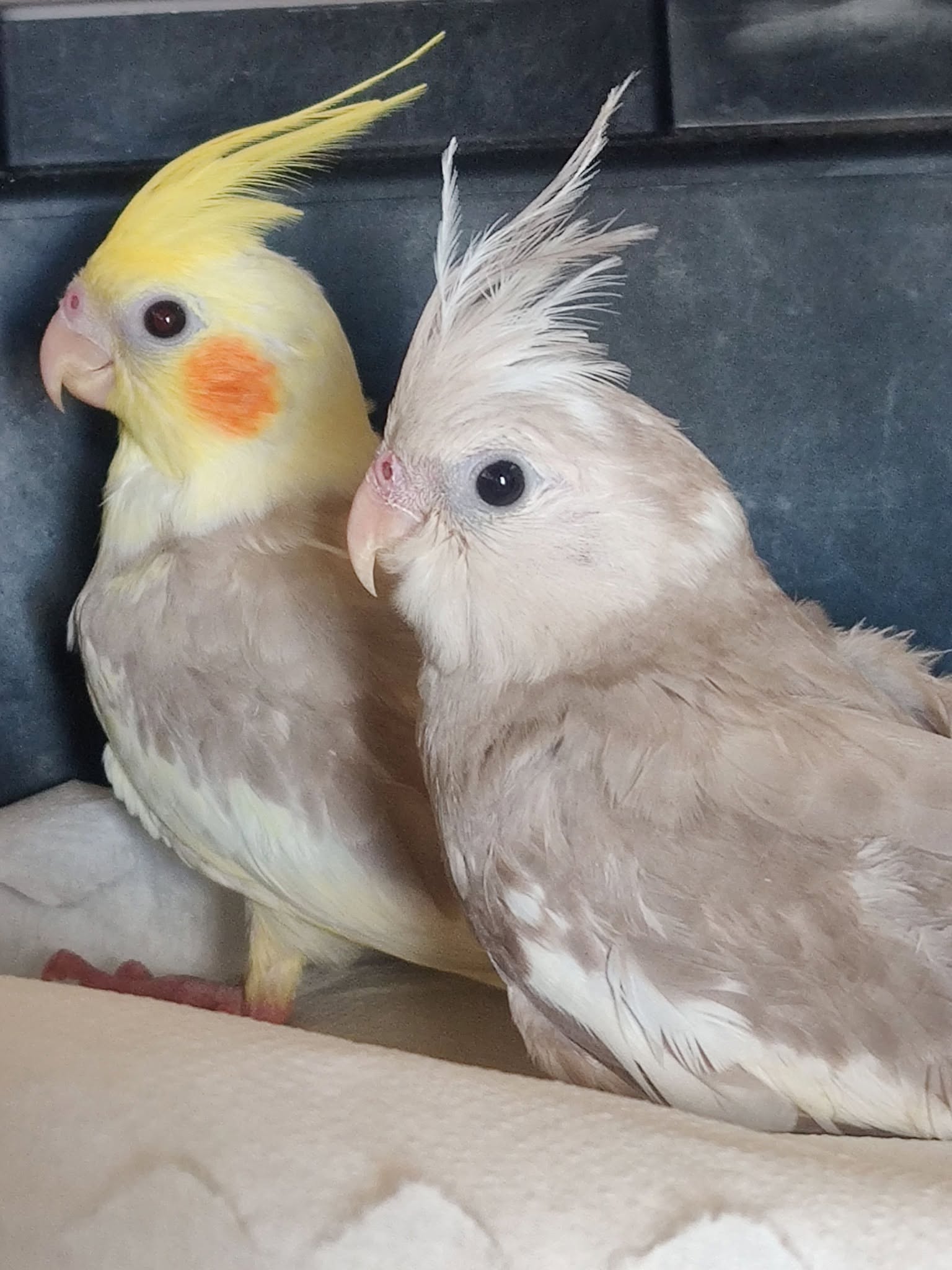
Lesson Four — Citizen Observation, Done Consistently, Genuinely Catches Things Early
The Big Garden Birdwatch works precisely because it is consistent, repeated observation by a huge number of ordinary people, year after year, building a dataset that reveals trends no single observer could ever spot alone. That principle of consistent, repeated observation revealing things a single glance never would is exactly as true at the scale of one household with one pet bird as it is at the scale of a national survey.
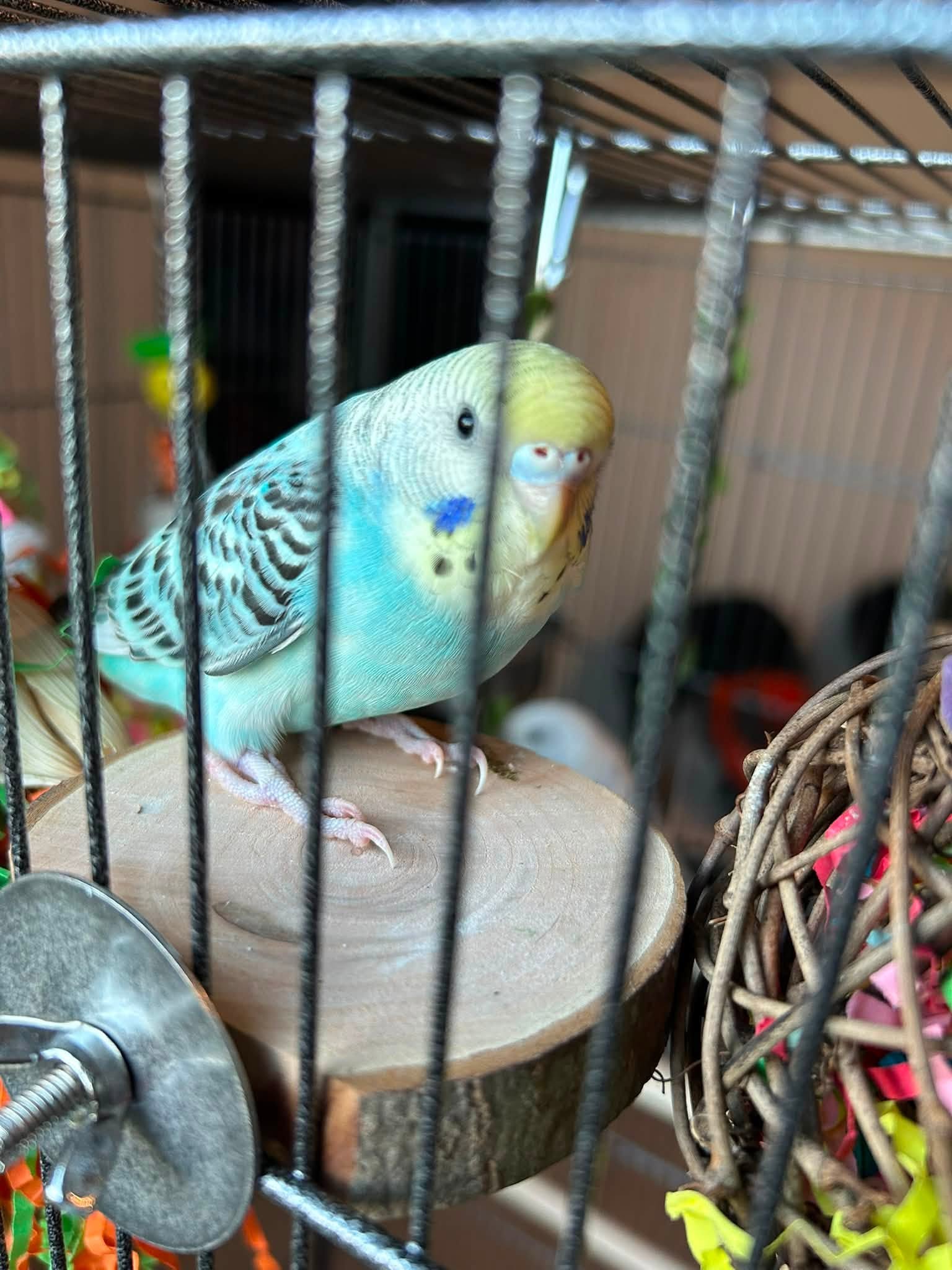
An owner who genuinely knows their bird’s normal weight, normal droppings, normal activity pattern, and normal vocalisation — through consistent, repeated observation rather than occasional glances — will spot a meaningful change far earlier than an owner relying on general impressions. The Birdwatch’s entire scientific value comes from exactly this principle, scaled up to millions of birds. Applying the same principle of consistent observation to a single pet bird is, in miniature, doing exactly what makes the Birdwatch so valuable at the national level.
Lesson Five — Good Intentions Without Updated Knowledge Can Make Things Worse
This is the lesson I think matters most, and it comes directly from how the RSPB has responded to this year’s data. Long-standing, well-meaning garden bird feeding practices — flat feeding surfaces, year-round seed, infrequent feeder relocation — turned out to be part of what allowed trichomonosis to spread as effectively as it has. The RSPB’s response was to overturn decades of established advice once the evidence was clear, rather than continuing established practice simply because it was established.
I think every pet bird owner, myself included, should take that willingness to update practice seriously. Cages once considered perfectly adequate that current welfare understanding now recognises as too small. Seed-only diets recommended for years before nutritional research caught up with what birds genuinely need. The Birdwatch data, and the RSPB’s response to it, is a clear demonstration that what was reasonable advice a decade ago is not automatically still the best advice today — and that principle applies just as much to how any of us care for the birds in our own homes.
What This Means Practically If You Keep A Pet Bird
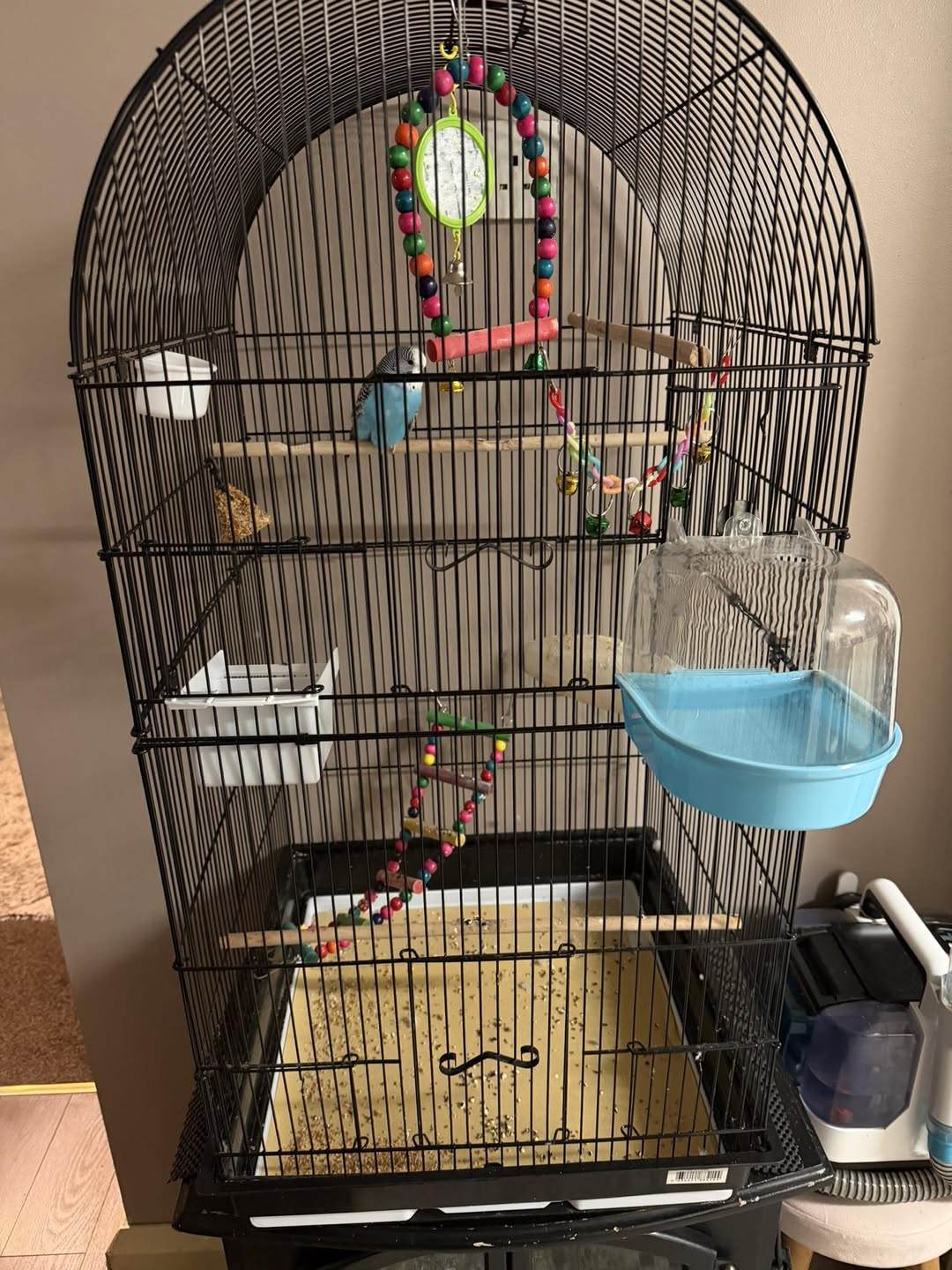
Pulling these lessons together: if you keep birds in any social group, take feeding and watering hygiene as seriously as the entire country is now being asked to in gardens. Do not assume your bird is thriving simply because its species generally does well — check your own individual bird’s actual condition directly. Treat sudden behaviour changes as having a findable cause worth investigating, rather than an unexplainable mystery to simply monitor. Build genuine, consistent observation of your own bird’s normal patterns into your routine, the same way the Birdwatch builds its picture through consistent, repeated counting. And stay open to updating how you do things, even practices you have followed for years, as better evidence and understanding becomes available.
Frequently Asked Questions
Does the Big Garden Birdwatch include pet birds in its count?
No, the Birdwatch specifically counts wild birds visiting gardens during a set one-hour period. It does not include pet birds kept indoors or in aviaries, but the patterns and trends it reveals about bird health and behaviour generally carry useful, transferable lessons for pet bird keeping, which is the focus of this article.
Is House Sparrow being the most-counted bird relevant to pet bird keeping at all?
Indirectly, yes — House Sparrows’ continued success reflects a highly social, adaptable species thriving under reasonably good conditions, which mirrors the broader point that sociable species generally do well when their environment, food sources, and hygiene are properly managed, whether wild or kept as pets.
How is the Greenfinch decline relevant if I don’t keep Greenfinches as pets?
The specific disease affecting Greenfinches, trichomonosis, is mainly a risk consideration for birds with genuine contact with wild bird feeding areas, which I have covered in more detail elsewhere on this site. The broader lessons in this article — about hygiene, individual observation, and updating outdated practices — apply to pet bird keeping generally, regardless of species.
How often should I be observing my own pet bird to catch problems early?
Daily observation of basic indicators — droppings, activity level, appetite, general demeanour — is a sound baseline, similar in principle to the kind of regular, consistent observation that makes citizen science surveys like the Birdwatch valuable at a larger scale.
Does this article suggest pet bird care advice changes as often as garden bird feeding advice has?
Not necessarily as frequently, but the underlying principle — that established practice should be revisited as better evidence emerges, rather than assumed to remain correct indefinitely — applies to pet bird care just as much as it does to garden bird feeding, and is worth keeping in mind regardless of how often specific updates occur.
Where can I find more detail on any of the specific issues mentioned in this article?
We have written in more depth elsewhere on this site about the RSPB’s updated feeding guidance, the Greenfinch decline specifically, and general pet bird health and housing topics, if you want to go further into any of the threads touched on here.
One Last Thing From Me
The customer who asked me that unusual question left with more than she expected from a survey she had assumed was only about wild birds in gardens. The Big Garden Birdwatch was never designed with pet bird owners in mind, but good data, properly read, tends to teach you more than the question it was originally built to answer.
After 35 years of watching both wild and kept birds, I think the most valuable thing any of us can take from a dataset like this one is not the specific numbers themselves, but the habit of paying that same close, consistent attention to the bird in front of us — whether it is one of nine million counted in gardens this January, or the one bird that lives in your own home.
If you want to talk through anything in this article, or have questions about your own bird’s care, come and find us at Manor Garden Centre, Cheney Manor, Swindon SN2 2QJ. Get in touch here or call 01793 512400.
Want To Talk Through Your Bird’s Care? Come And See Us
Whether it is garden bird feeding, pet bird care, or anything in between, we are happy to talk it through honestly. Come in and ask us anything.