
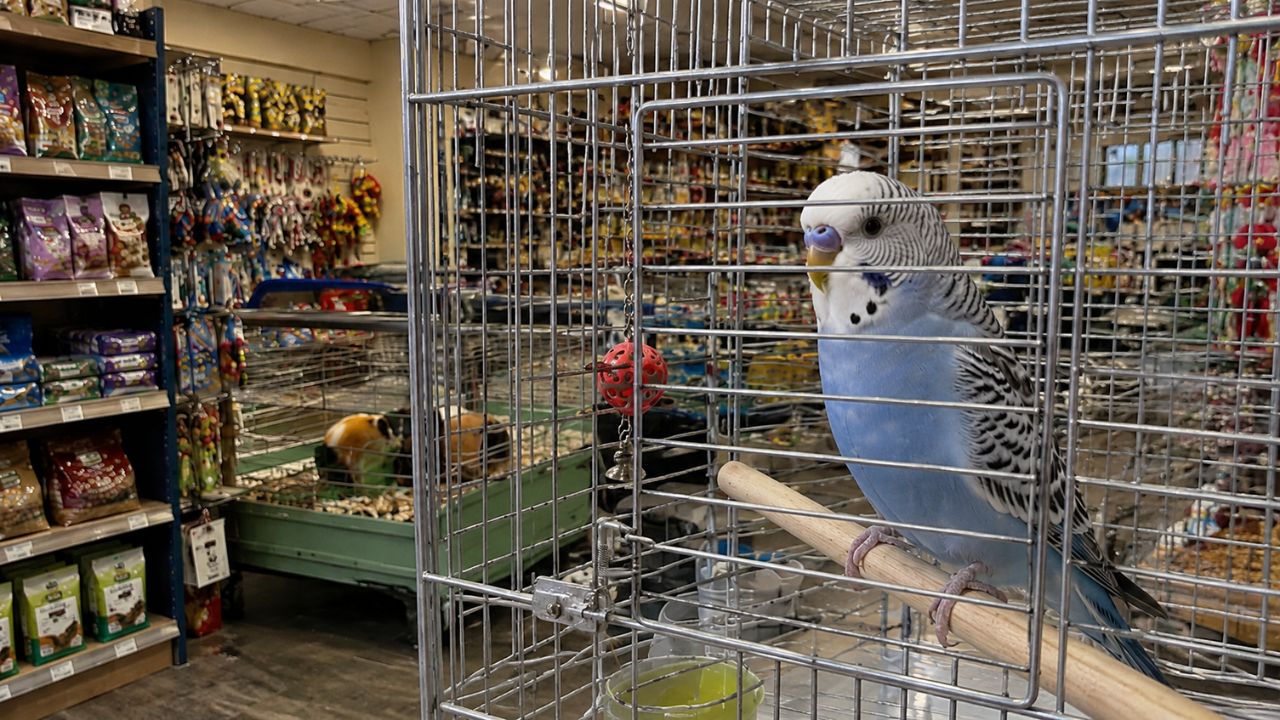

Neil has been running Paradise Pets Swindon since 1988 — over 35 years of daily conversations with owners, breeders, vets, and the animals themselves. He has kept, bred, and sold budgies, canaries, cockatiels, guinea pigs, rabbits, hamsters, gerbils, and a long list of other species. This article is something he has wanted to write for a while — not a care guide, not a health article, but the honest account of the things that still genuinely surprise him after all this time.
Someone asked me last year how long I had been doing this. Thirty-five years, I told them. They looked at me the way people look at someone who has said something slightly improbable. Thirty-five years of selling small animals in the same shop in Swindon. Thirty-five years of Tuesday mornings and Saturday afternoons and every kind of question that can be asked about a guinea pig.
“Do you still enjoy it?” they asked.
I told them honestly: yes. And one of the main reasons is that the animals keep surprising me.
Not in the dramatic sense — not revelations that overturn everything I thought I knew. More in the quieter sense of something you have observed for decades and still find genuinely interesting. A behaviour that keeps appearing in ways you did not fully account for. A pattern you notice that most owners never have the chance to see because they only keep one animal at a time, for a few years, and then move on. The perspective that comes from thirty-five years of daily observation of the same species is a different thing from the perspective of owning one animal for five years, however attentively.
This article is that perspective. Not a care guide — there are plenty of those, and I have written several of them. Something more personal than that. Seven things about small animals that still genuinely surprise me, after all this time.
1. How Much Individual Personality Varies — Even Within The Same Species
I have kept and sold budgies since 1988. I have had thousands of them pass through this shop. I know their biology, their behaviour, their health, their preferences, and their limitations in a way that comes from nothing but time and observation.
And I am still surprised, regularly, by how different individual budgies are from each other.
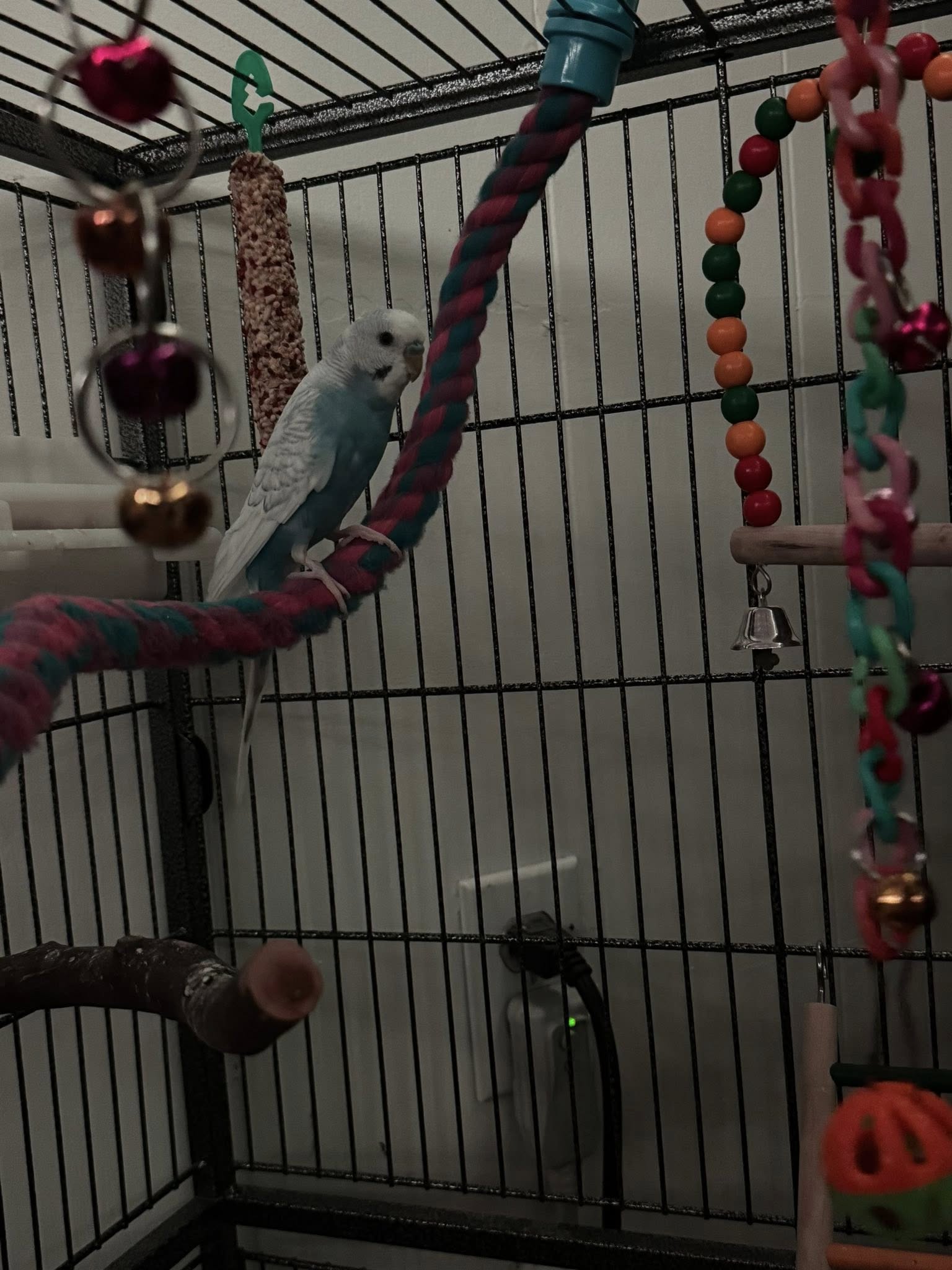
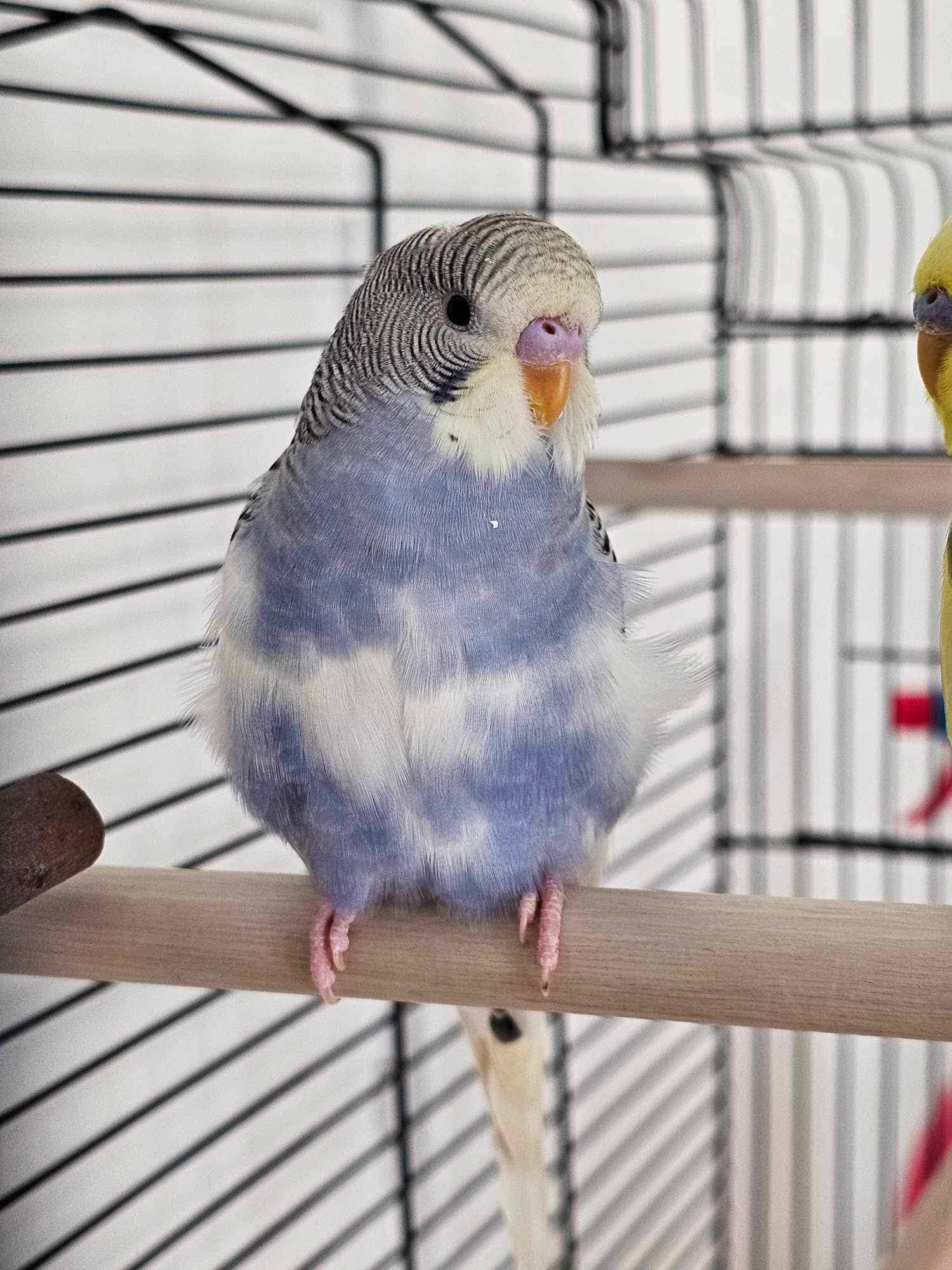
Not in the ways most owners expect — not just in colour or in how quickly they tame. In something deeper than that. There are budgies that are, for want of a better word, curious — that approach new objects immediately, investigate everything, seem to actively seek novelty. And there are budgies that are cautious — that take weeks to accept a new toy, that prefer the familiar so strongly that any change in the cage produces visible stress. These are not differences in tameness. They are differences in temperament that persist across the bird’s entire life.
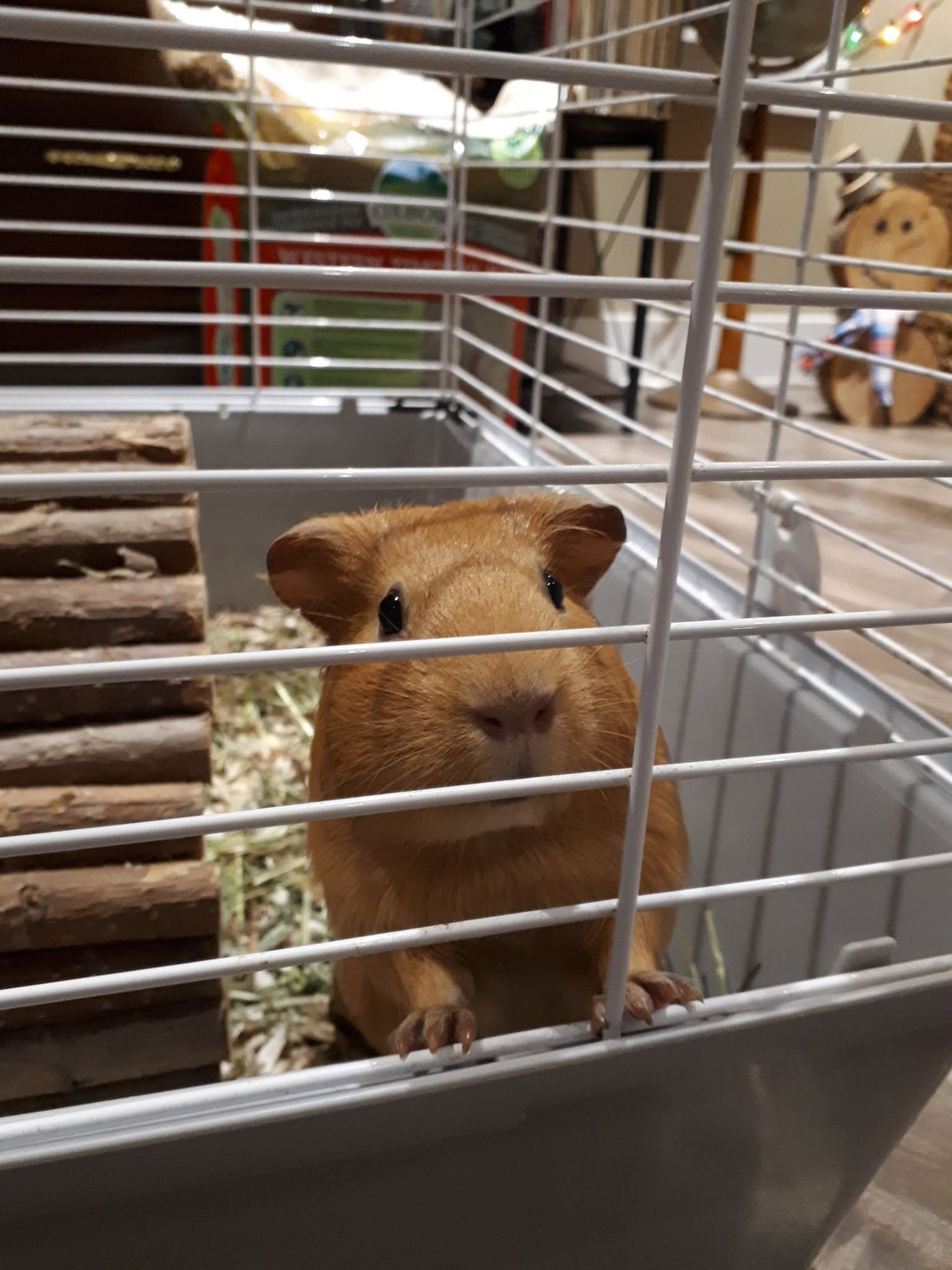
I see this in guinea pigs too. Two animals from the same litter, kept in identical conditions, with identical care, and one is bold and investigative — comes to the front of the enclosure when you approach, eats from your hand within a week — while the other remains at the back for months. Not because of anything done differently. Because they are different animals.
The surprise, after all this time, is not that this variation exists. The surprise is how consistent it is across species, across generations, and across decades of observation. Personality in small animals is real, it is stable, and it is individual in a way that most pet care advice completely fails to account for — because advice is written for species, not for individuals.
What this means practically: if your budgie or guinea pig or hamster behaves differently from what you read it should, it may simply have a different temperament. Not a problem to solve. A characteristic to understand.
2. The Relationships Between Bonded Animals Are More Complex Than Most Owners Realise
Bonded guinea pigs have a social structure. Not a complicated hierarchy in the way a wolf pack has, but a genuine set of established roles, preferences, and relationships that develop over time and that are clearly legible to anyone who watches closely enough.
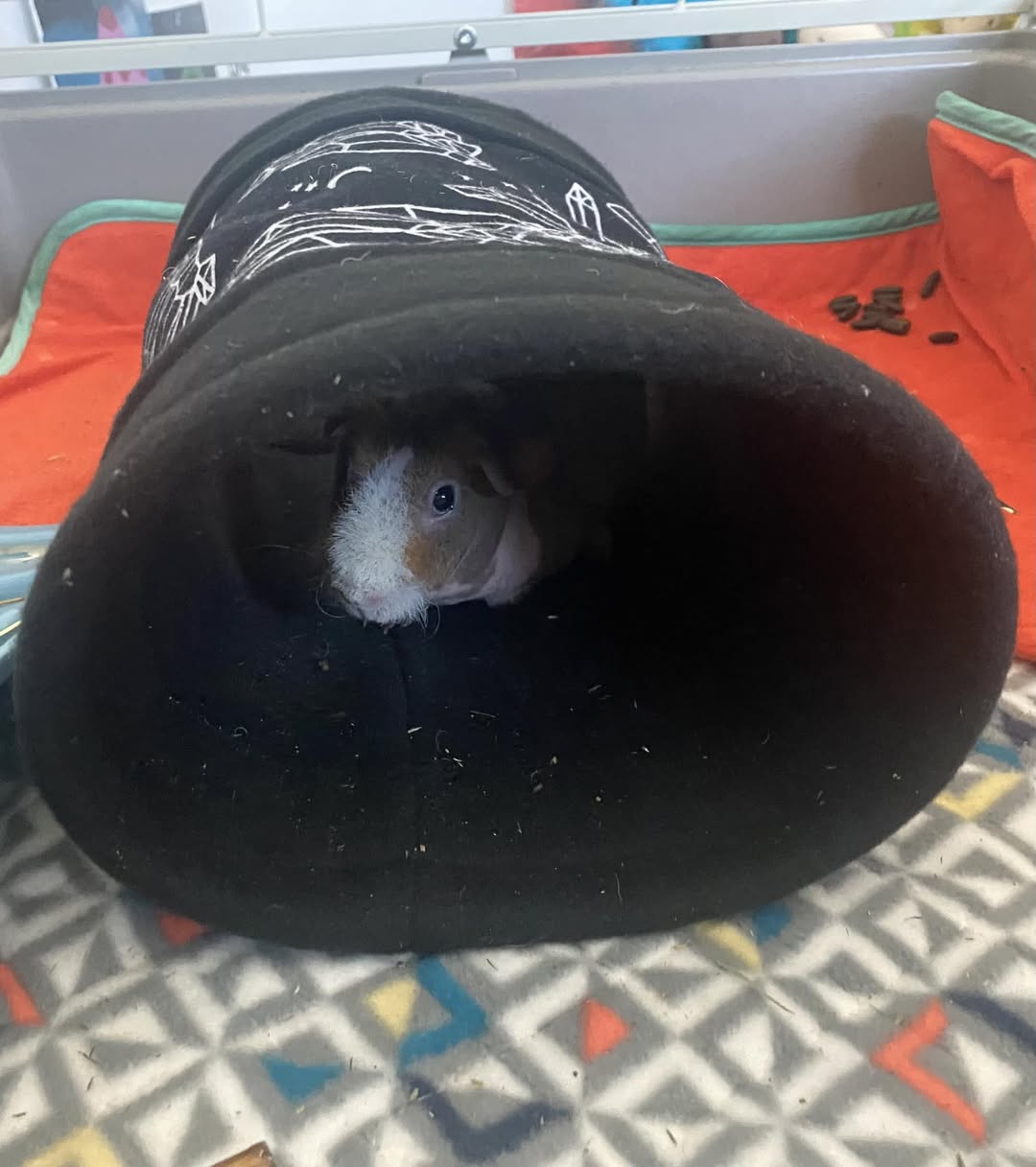
I have watched bonded pairs where one animal consistently initiates grooming and the other accepts it. I have watched trios where two animals consistently sleep in contact and the third maintains a slightly greater distance — not excluded, just separate in a specific way. I have watched pairs that have lived together for three years and still, reliably, one eats first while the other waits. Not because one is dominant in any dramatic sense, but because that is the relationship they have settled into.
The thing that still surprises me is how consistent these arrangements are once established, and how clearly distressed an animal can be when the arrangement is disrupted — when one of a bonded pair dies, for instance. The surviving animal’s response to the loss of its companion is, in my experience, something that most owners are not prepared for. It looks different in different species. In guinea pigs it is often reduced activity, reduced appetite, a kind of subdued quality that you can see in the animal’s movement and posture. In budgies it is sometimes an increase in calling — the bird looking for the companion it can no longer find.
I am not going to use the word grief without qualification, because I do not know with certainty that it is the right word. What I can say is that after 35 years of watching bonded animals lose their companions, the response I see is not nothing, and it is not simply a disruption to routine. It is something more specific than that, and it is consistent enough across individuals and species to be worth taking seriously.
3. How Much Small Animals Communicate — Once You Know What To Look For
This one genuinely surprised me in the early years, and continues to surprise me in the specificity of what I keep noticing.
I knew, going in, that animals communicate. That is not a surprise. What surprised me — and keeps surprising me in the detail — is how much information is conveyed through channels that most owners never learn to read.
The guinea pig that wheeeks — that particular pitch, that particular urgency, when it hears the fridge open — is communicating something specific about anticipation and association. The budgie that grinds its beak as it settles onto its sleeping perch is communicating something specific about its internal state. The hamster that freezes completely when it hears a particular sound and then continues normally a moment later has made an assessment and communicated its conclusion through its body.
What I have learned over 35 years is that these communications are not vague or general. They are remarkably specific, and they are consistent between individuals of the same species. The guinea pig that has learned to distinguish the sound of the fridge from every other sound in the house and responds to it specifically is not doing anything random. It has made a precise association and it is expressing it. The budgie that comes to the front of the cage specifically when it hears your footsteps — not other footsteps, yours — has made a specific auditory identification and is responding to it.
The surprise, after all this time, is still how much is being communicated in what looks, to an inattentive observer, like an animal just sitting there.
4. Wild Instincts Do Not Disappear In Captivity — They Go Somewhere Else
This is the observation that has influenced my thinking about keeping animals more than almost any other, and it is the one I find hardest to communicate briefly because it has so many practical implications.
A budgie in the wild spends the majority of its active life doing things that a cage cannot accommodate — foraging across large areas, flying significant distances, responding to the movements of a flock, making decisions about where to land and when to move. None of that disappears when you put it in a cage. The drives are still present. The needs are still present. The cage simply prevents the normal expression of them.
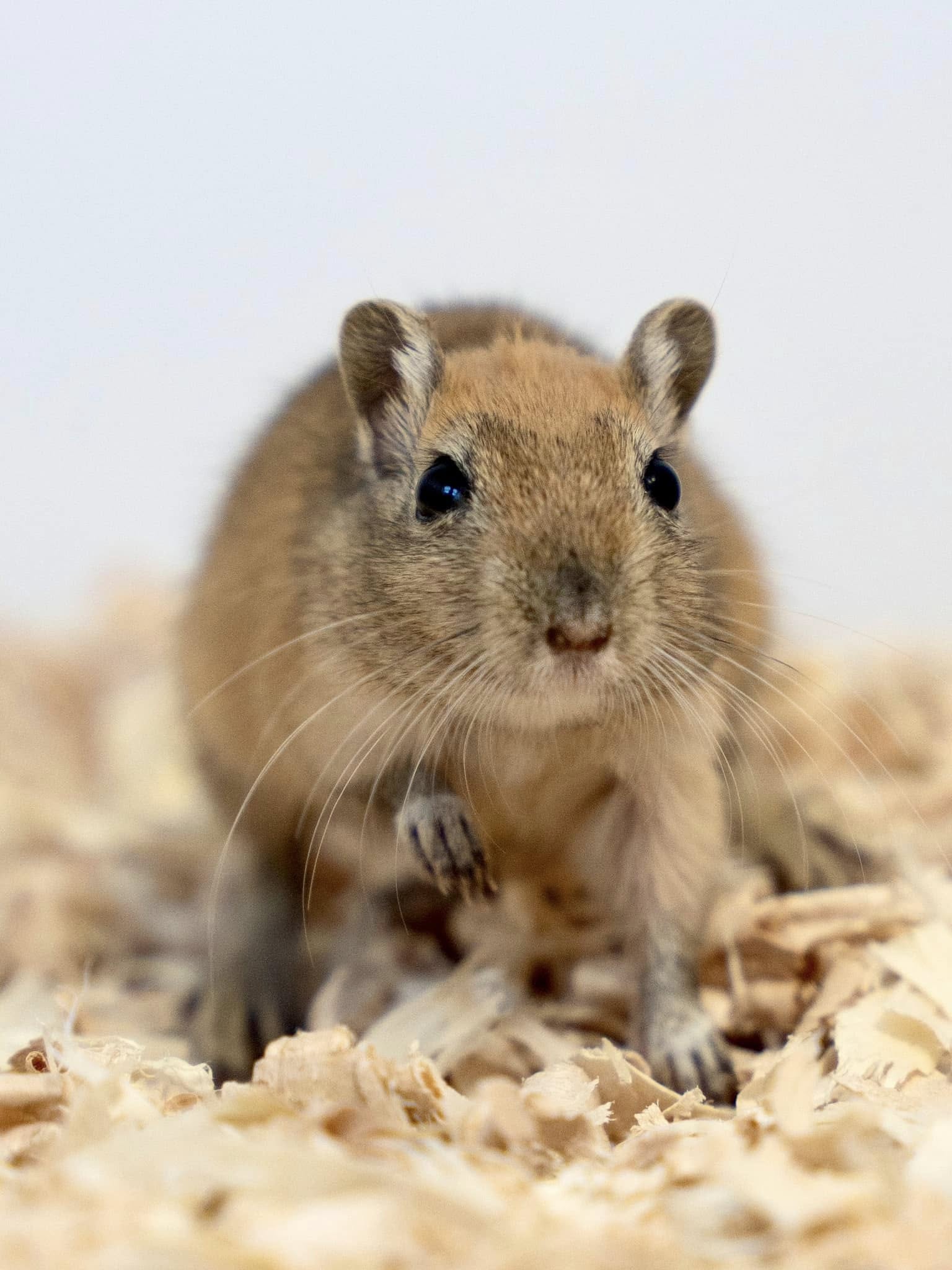
What I have observed across 35 years is that when a natural behaviour is prevented, the animal typically expresses the underlying drive in whatever way is available to it. A budgie that cannot forage across large distances may forage obsessively around the small space of its cage — moving from one corner to another, investigating the same perches repeatedly. A gerbil that cannot burrow a proper tunnel in inadequate substrate will scratch repetitively at a corner of the cage. A hamster in a wheel-less cage will run repetitive circuits of its enclosure.
These are sometimes called stereotypies and they are generally interpreted as behavioural problems. What surprises me — and has surprised me increasingly across 35 years — is how consistently they disappear when the animal is given appropriate opportunity to express the underlying behaviour normally. Give the gerbil deep enough substrate and the corner-scratching stops. Give the hamster a properly-sized wheel and the circuit-running stops. The behaviour was never the problem. The constraint was.
This changes how I think about what good husbandry means. Not just ensuring the animal has food, water, and adequate space. But ensuring the animal can do, in some meaningful form, what its biology designed it to do.
5. The Intelligence Of Small Animals Is Consistently Underestimated
I have heard people say — genuinely, without any sense of irony — that budgies are not really intelligent, they are just mimics. That guinea pigs are simple animals. That hamsters have no real memory.
None of these things is true in any meaningful sense, and thirty-five years of watching these animals closely has made me increasingly impatient with the casual dismissal of their cognitive capacities.
A budgie that has learned to associate your footsteps with a food reward has formed a specific sensory-to-outcome association across time. It is not simply responding to a stimulus. It anticipated. A guinea pig that knows which member of the family is likely to bring food and responds differently to different household members has made individual discriminations that require considerable processing. A hamster that returns to a food source it found yesterday and found depleted, before finding a new source, has held spatial and temporal information in a way that is not trivially simple.
I am not claiming small animals are as cognitively complex as primates or dogs. I am saying they are more cognitively complex than their reputation allows for, and that treating them as though they are simple has real welfare consequences — because a cognitively capable animal given nothing to engage its cognition will show this in its behaviour.
The intelligence is quieter than a dog’s. It operates on a different scale. But it is there, and after 35 years of watching it, I find the dismissal of it genuinely surprising every time.
6. How Strongly Environment Shapes Behaviour — In Both Directions
I have seen the same species — budgies, guinea pigs, rabbits — in conditions ranging from genuinely good to genuinely poor, and the difference in the animals’ behaviour is striking enough that they can seem like different animals altogether.
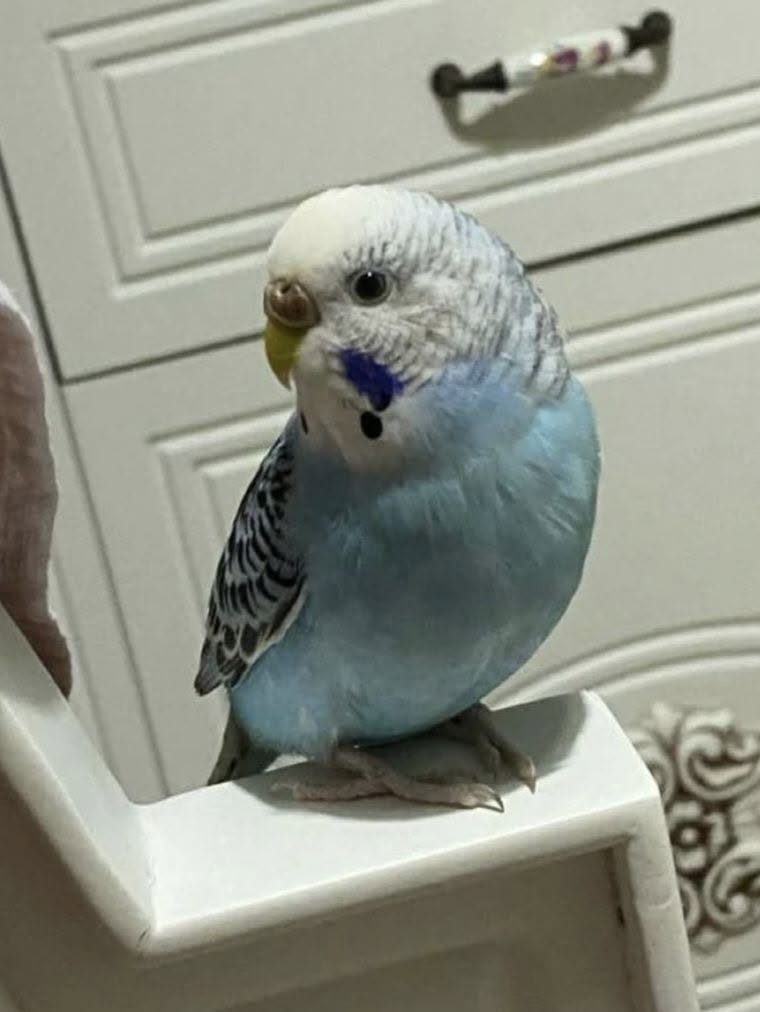
A budgie that has been kept in a too-small cage, on a seed-only diet, with no out-of-cage time, in a position where it is exposed to chronic environmental stress, does not behave like a budgie that has been kept in an adequate space, on a varied diet, with daily flight time, in a stable and enriched environment. The first bird is often inactive, repetitive in its limited movements, unresponsive to interaction, and in poor physical condition. The second is alert, curious, vocal, and physically healthy. The biology is identical. The environment has produced two entirely different animals.
What still surprises me — and I recognise this surprises me because it should not, but it does — is the speed with which an animal in poor conditions can respond to improvement. I have seen guinea pigs that were described as always hiding, never interacting, impossible to handle — and when I asked about the setup, there was a single pet cat that sat in front of the cage regularly. The cat was moved. Within two weeks the guinea pig was coming to the front of the enclosure. Not trained, not conditioned — simply freed from a chronic stressor that had been suppressing its normal behaviour.
The environment produces the behaviour. Change the environment and the behaviour changes. This is one of the most consistently demonstrated things I have observed in 35 years, and it is still the thing I find myself explaining at the counter most often.
7. The Depth Of Connection That Forms Between Owners And Small Animals — Which Most Owners Do Not Anticipate
This last one is the most personal, and the one I was least sure about including. But I have decided it belongs here because it is genuine, and because it is something I have observed so consistently across 35 years that leaving it out would make this article dishonest.
Most people who buy a small animal — particularly their first one, particularly on behalf of a child — do not anticipate a deep connection. They are buying something that is manageable. Something that will teach a child about responsibility without the full weight of a dog or cat. Something that will be pleasant to have around without becoming a significant emotional investment.
What happens, in very many cases, is different from that.
I have had people come back into the shop after losing a guinea pig of seven years and be genuinely, quietly devastated. Not in any way they are ashamed of — the grief is real and they know it is real — but in a way they did not expect when they bought the animal. I have had owners tell me that a particular budgie that lived for twelve years was one of the most consistently pleasant daily presences in their house across a decade that included major life events, illnesses, bereavements, and all the rest of what a decade brings.
The small animal becomes part of the daily rhythm of the household in a way that is easy to underestimate when you are deciding to buy one. It is there in the morning. It responds to you specifically. It has preferences and habits and a small personality that you know, after months and years, very well. The relationship is not the same as a relationship with a dog. It is its own thing. And when it ends — as every relationship with an animal ends, too soon, on a timeline not of your choosing — it turns out to have mattered more than most people anticipated.
This is the thing I have watched most consistently and that still surprises me in its reliability. The depth of what forms between a person and a small animal, given enough time and enough attention, is consistently greater than what most people imagined when they started.
What These Seven Things Have In Common
I want to say something about what connects these observations, because I think there is a thread running through all of them.
Every one of them requires time to see. You cannot notice individual personality variation from a single animal observed for a year. You cannot see the full shape of a bonded pair’s relationship without watching it across months. You cannot observe the speed with which environment shapes behaviour without seeing the same species in different conditions across years. You cannot understand the depth of the human-animal connection until you have watched it form and end dozens of times.
This is the advantage of 35 years. Not that I have learned more facts than someone who has kept one animal for five years. But that I have had enough time with enough animals to notice the things that only become visible across scale and duration.
Most owners will only keep a small number of animals in their lifetime, and only for a few years each. They will not have the perspective that comes from 35 years of the same shop, the same species, the same counter. But they can benefit from that perspective if someone who has it shares it honestly.
That is what this article is.
Frequently Asked Questions
Do small animals really have individual personalities?
Yes, and more distinctly than most care guides acknowledge. Within any species — budgies, guinea pigs, hamsters, gerbils — individual animals vary considerably in temperament, boldness, curiosity, and sociability. These differences are stable across the animal’s life and are not simply a product of handling or socialisation, though those things influence expression. Knowing your specific animal’s temperament rather than assuming it matches the species average makes for a significantly better relationship.
How do animals show grief when a companion dies?
The behavioural response to loss of a companion varies by species but is consistent enough within species to be clearly recognisable. Guinea pigs typically show reduced activity, reduced appetite, and a subdued quality to their movement. Budgies often increase calling behaviour and may search the cage systematically. Rabbits can stop eating. These responses are real, they are distinct from simple adjustment to a changed routine, and they deserve to be taken seriously in terms of whether to introduce a new companion and how quickly.
How can I tell if my small animal is bored or frustrated?
Stereotypic behaviours — repetitive, apparently purposeless actions like bar chewing, corner scratching, circuit running, or repetitive head movements — are the clearest indicators that the animal’s environment is not meeting its behavioural needs. These are not personality quirks. They are the expression of underlying drives that have nowhere normal to go. Identifying which natural behaviour the stereotypy is substituting for — burrowing, foraging, flying — and providing appropriate opportunity for that behaviour almost always reduces or eliminates the stereotypy.
Is it normal to grieve deeply for a small animal?
Completely normal, and more common than people expect when they first get one. The relationship that forms with a small animal over years is genuine and specific — the animal knows you, responds to you, is part of your daily rhythm in a way that becomes more significant than it seemed it would be. When it ends, the loss is real. The fact that it was a guinea pig rather than a dog does not make the grief less valid. I have watched this across hundreds of owners and 35 years. It is one of the most consistent things I have seen.
What is the most important thing you have learned in 35 years?
That animals are consistently more than they appear to be — more individual, more communicative, more cognitively capable, more emotionally present than their reputation typically allows for. And that the people who discover this, who take the time to notice it in their specific animal, almost always end up with a significantly better relationship than they anticipated. The animals offer this. The main requirement is the willingness to pay attention.
Do small animals know who their owner is?
Yes, in ways that are both clearly demonstrable and genuinely interesting. Budgies discriminate between specific voices and footsteps. Guinea pigs respond differently to different members of the same household. Rabbits show clear preferences for specific individuals. These recognitions are not simply conditioned responses to food — they are individual identifications that persist even when food is not involved. Your specific animal knows you in a real and specific sense. Whether that constitutes what we mean by knowing in a deeper sense is a philosophical question I am not going to settle here. What I can say is that the evidence of recognition is consistent and clear.
Why do animals behave so differently in different environments?
Because environment is not a neutral backdrop to behaviour — it is one of its primary determinants. An animal in chronic stress will not express its normal range of behaviour. An animal with adequate space, appropriate social companionship, and opportunities to express species-typical behaviours will express them. The biology is constant; the environment shapes what that biology produces. This is the practical argument for investing in the right setup from the start. The animal you get in good conditions is meaningfully different from the animal you get in poor conditions, and the difference is not about the animal’s nature — it is about what you gave it the opportunity to be.
Where can I visit Paradise Pets and talk to Neil directly?
We are at Manor Garden Centre, Cheney Manor Industrial Estate, Swindon SN2 2QJ. Or call us on 01793 512400. We have been here since 1988 and we are happy to talk about any of this — the animals, the keeping, the questions that do not fit neatly into a care guide. That conversation has always been free and it has never had a time limit.
One Last Thing From Me
I started this article by saying that the animals keep surprising me. I want to end by being more specific about what I mean by that.
It is not that I encounter things I cannot explain — after 35 years, the surprises are rarely the kind that leave me without a framework. It is more that the observation keeps revealing depth. A behaviour I have watched a thousand times reveals something on the thousand and first observation that I had not noticed before. A customer describes something about their animal that I recognise immediately and that I realise I have never articulated, or a conversation about a specific animal’s habits produces a formulation I had not found before.
The animals do not change. I keep changing — accumulating observations, refining understanding, developing a more precise language for what I am seeing. After 35 years, the process has not slowed down. If anything it has become more interesting because I have enough background to notice smaller and smaller distinctions.
I do not know what year 40 will bring. I know it will bring something I did not expect. That has been true of every year since 1988 and I have no reason to think it will stop being true.
If you have ever noticed something about your animal that surprised you — something it did that you could not entirely account for, something in its behaviour that seemed more than you expected — I would be interested to hear about it. Come in and tell me. Those conversations, across 35 years, are a significant part of what keeps this interesting.
Want To Talk About Any Of This? Come In And See Us
Whether you have a question about your animal, something you have noticed that you cannot explain, or you just want to browse what we have in — come in. We are here, we have been here for 35 years, and the conversation is always free.