
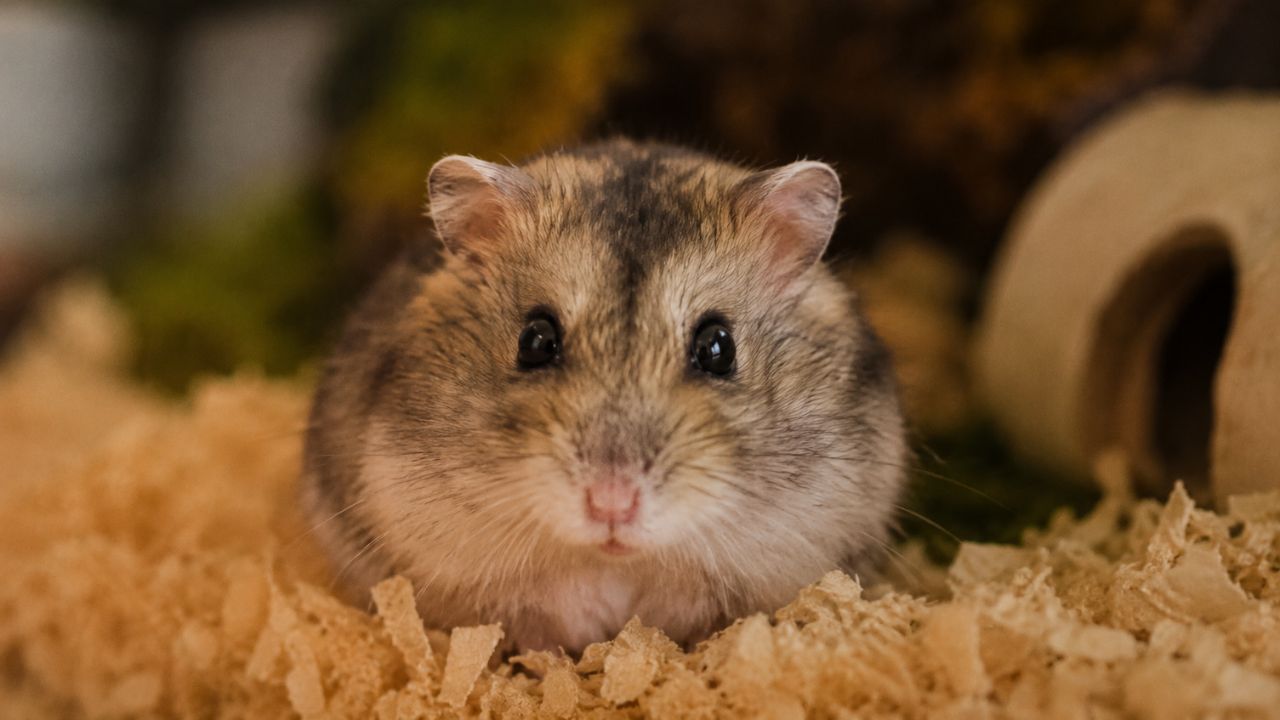

Neil has kept, bred, and sold hamsters at Paradise Pets Swindon since 1988 — Syrian hamsters, dwarf hamsters, and everything in between. In over 35 years, the question he is asked more than almost any other is some version of this one: are hamsters good pets for children? This is his honest answer.
A father came in a few years ago with his seven-year-old daughter. She had wanted a hamster for months, apparently. Had asked for one for her birthday, for Christmas, had brought it up at what he described as “every possible opportunity.” He had eventually agreed, on the condition that she did her research. She had written a list of questions. She was holding it.
They spent about twenty minutes at the counter. She asked her questions — what do they eat, how long do they live, do they like being stroked — and I answered them. Then I asked the father a few questions of my own. Mainly about who would be looking after it at night when his daughter was asleep, and what would happen during school holidays.
He bought the hamster. He came back eight months later to tell me his daughter still loved it, that she helped with the care every day, and that he had become, as he put it, “unexpectedly fond of it himself.”
That is the best version of how this goes. It does not always go that way. Understanding why is what this article is about.
The Honest Answer — Yes, But Not in the Way Most Parents Expect
Hamsters can be excellent first pets for children. But the reasons they work — and the reasons they sometimes do not — are almost never the ones parents have in mind when they walk through the door.
The assumption is usually that a hamster is a safe, simple, low-effort starting point. Small cage. Small animal. Child takes responsibility. Parent stays out of it. That version of hamster ownership does not work. Not because hamsters are difficult, but because that model underestimates what they actually need — and, more importantly, overestimates what children at most ages can reliably provide.
A hamster that is properly cared for, by a family where the adults are genuinely involved and the child’s interest is real and sustained, is a wonderful thing. It teaches responsibility in a genuine and tangible way. It gives a child something that is entirely theirs to understand and relate to. And a well-tamed Syrian hamster, handled patiently and correctly, can be a remarkably rewarding animal to spend time with.
The honest answer is: yes, hamsters can be good pets for kids. With the right age, the right setup, and the right parental involvement. All three of those things matter.
The Age Question — This Is Where Most Families Go Wrong
This is the conversation I have more than any other in the shop, and I am going to be direct about it.
Hamsters are not suitable pets for very young children. The age I usually give as a minimum is eight, and even that depends heavily on the child. Under that age, the combination of a hamster’s natural temperament, its nocturnal schedule, and the fine motor control required for safe handling makes things genuinely difficult.
Here is why.
Hamsters are prey animals. They startle easily, they bite when frightened, and they move fast. A young child who grabs at a hamster suddenly — which is exactly what young children tend to do — is very likely to get bitten. And a hamster that is grabbed suddenly, dropped, or squeezed is very likely to be hurt. Neither outcome is what anyone wanted, and both are entirely predictable with children who are too young to control their handling instincts.
A child of eight or nine, in my experience, can usually develop the patience and physical control that safe hamster handling requires — with guidance and practice. A child of five or six, however eager and however much they want the hamster, generally cannot. Not because they are badly behaved, but because the neurological development required simply is not there yet.
The children who do best with hamsters are the ones who can sit still and wait. Who can extend a hand and let the hamster come to them rather than reaching for it. Who understand, at a genuine rather than a performed level, that the hamster is a living animal with its own feelings rather than a toy.
If you are not sure whether your child is ready, come in and watch how they interact with the animals in the shop. That usually tells you more than anything else.
The Nocturnal Problem — Nobody Warns Parents About This
This is the thing that catches families out most consistently, and I mention it with almost every hamster sale.
Hamsters are nocturnal. They are naturally active between dusk and dawn. During the day — the hours when a child is home from school and most wants to play with a new pet — the hamster is asleep. Not just resting, but in a genuine sleep cycle that, if disrupted repeatedly, causes stress and can affect the animal’s health.
A child who wakes a hamster during the day to handle it will often find the animal grumpy, disoriented, and more likely to bite than it would be if approached during its natural active hours. This is not the hamster being unpleasant. It is the hamster responding to being woken up in the middle of what should be its night.
The practical upshot is that the window for child-hamster interaction is mostly in the evening — from around 7pm onwards, when the hamster naturally becomes active. For younger children with an early bedtime, this window barely exists.
It does not make a hamster a bad pet. It makes it a different kind of pet than children typically expect. Managing that expectation honestly before purchase is something I always try to do.
Which Hamster Is Right for a Child — Syrian vs Dwarf
This matters more than most people realise, and it is worth being specific.
Syrian Hamsters — My Recommendation for Families
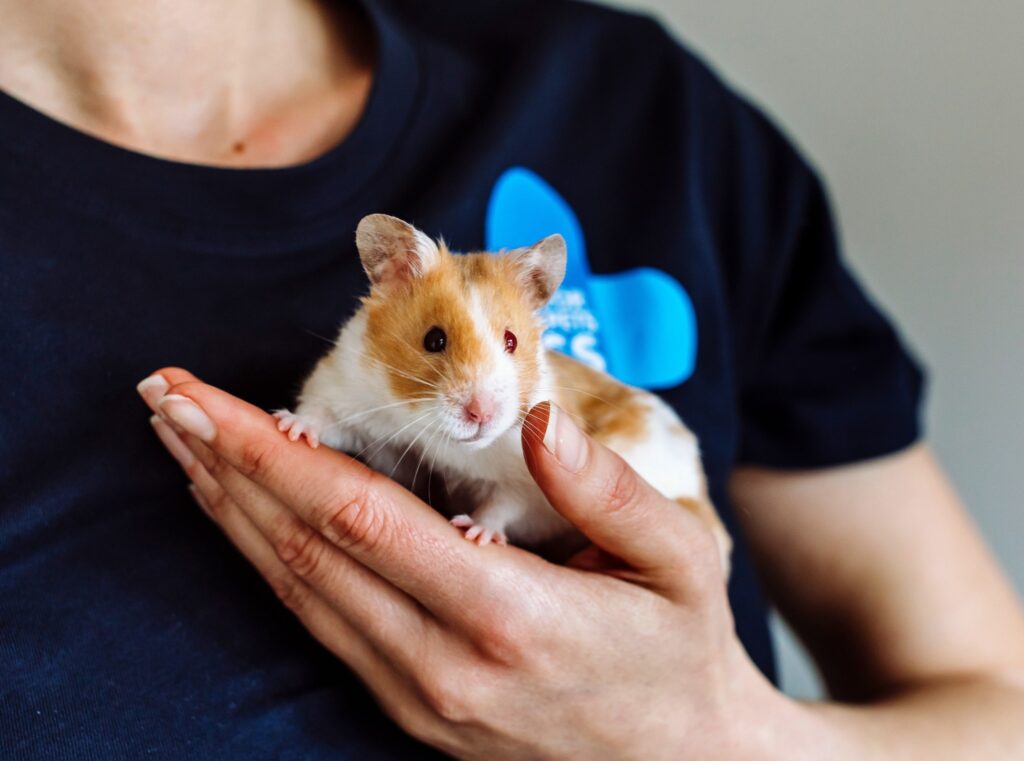
Syrian hamsters are the larger variety — the classic “golden hamster” that most people picture. They are significantly calmer and easier to handle than dwarf varieties. Their larger size means they are less easily injured by clumsy handling, and their temperament is generally more tolerant of the patience-testing that comes with children learning to handle them correctly.
Syrians are solitary animals — they must be kept alone, which simplifies the setup. They are also, in my experience, the variety most likely to become genuinely tame and interactive with a child who handles them consistently and correctly. A well-tamed Syrian hamster that knows its owner is a genuinely lovely thing for a child to experience.
For any family buying a first hamster for a child, my recommendation is almost always a Syrian.
Dwarf Hamsters — More Challenging Than They Look
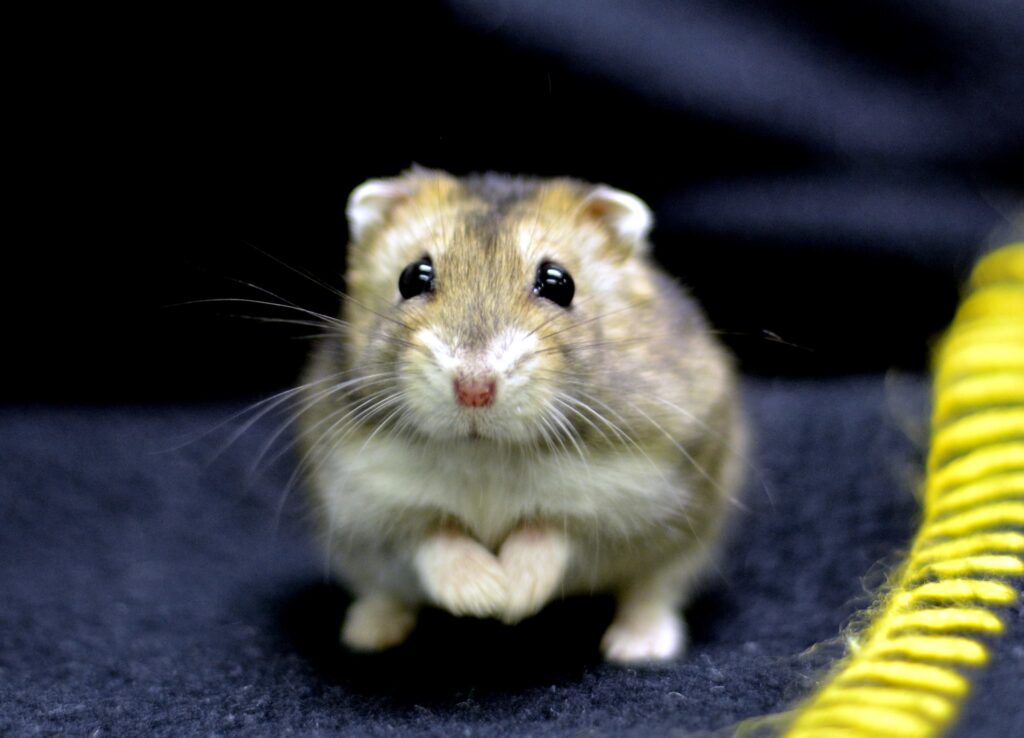
Dwarf hamsters — Roborovski, Campbell’s, Winter White — are smaller, faster, and significantly harder to handle than Syrians. They are entertaining to watch, but they are not easy to tame, they move quickly in a way that makes them difficult for children to hold safely, and they can be nippy with people they do not know well.
I do not recommend dwarf hamsters as a first pet for children. They are better suited to older children and adults who understand small animal behaviour and have the patience to work with an animal that is less naturally inclined to enjoy handling.
If a family specifically wants a dwarf hamster, I will have an honest conversation about why. In most cases, once parents understand the difference in temperament and handling challenge, they opt for a Syrian.
What Parents Are Actually Signing Up For
I say this gently but directly, because I think it is the most useful thing I can tell a parent who is about to buy a hamster for their child.
You are not signing up to watch your child look after a hamster. You are signing up to look after a hamster, with your child’s involvement varying depending on their age, their current enthusiasm level, and what else is going on in their life.
That is not a criticism of children. It is just the reality of how pet ownership works with young people. The initial excitement is real and usually genuine. The day-to-day reality of cage cleaning, fresh food, water changes, and noticing when something is not quite right — that is where adult involvement becomes essential, not optional.
The hamster that suffers is always the one where the parent assumed the child would handle everything and then did not check. The water goes unchanged. The cage gets cleaned less and less frequently. The food bowl goes empty for a day. None of these things are catastrophic in isolation, but together they add up to a hamster that is not being properly cared for.
Before you buy a hamster for your child, ask yourself these questions honestly.
Am I prepared to take over the care entirely if my child’s interest fades — which it may? Am I willing to be involved in the daily routine, not just the nice moments? Do I have time to learn what healthy hamster behaviour looks like, so I can notice when something is wrong? Is there someone who can care for the hamster when we go on holiday?
If the answer to all of those is yes, you are ready. If you are hoping the hamster will be entirely the child’s responsibility, you should think about that a bit more before proceeding.
The Handling Question — How to Do It Right From the Start
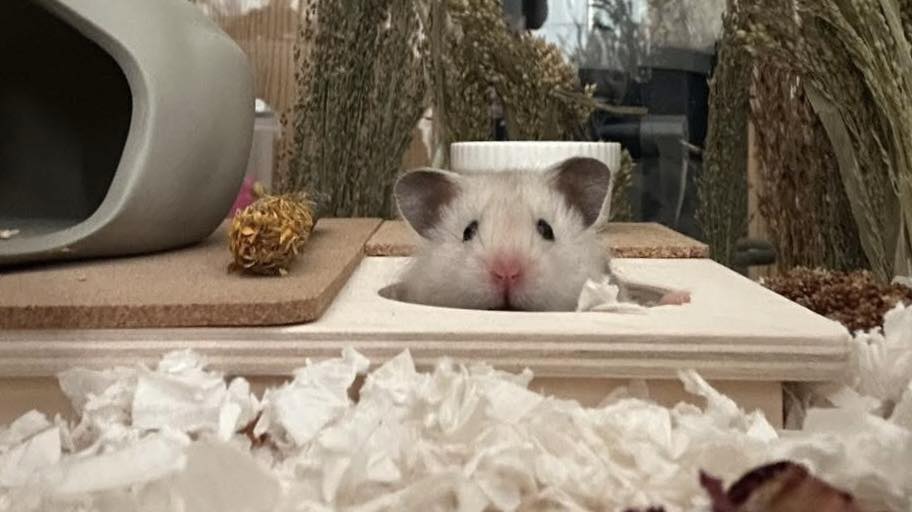
This is the thing that determines whether a child ends up with a hamster they can hold and interact with, or one that bites and hides whenever it sees them. Getting it right at the beginning makes everything else easier.
A new hamster needs at least three to five days to settle into its new environment before any handling attempt is made. This is the stage where most families go wrong — the hamster arrives, the child is excited, and the instinct is to take it out immediately. Doing so puts the animal into an already stressful situation before it has any sense of safety or familiarity. The result is a hamster that associates human contact with stress from the very start.
After the settling period, the taming process needs to be gradual. Offer a treat through the cage bars first. Let the hamster take it from your hand. Then rest your hand in the cage and let the hamster come to it rather than reaching for the hamster. Move to cupping it in the palm of both hands — not gripping, cupping — and lifting it only once it is calm enough to sit still voluntarily.
Children find this harder than adults, because patience is genuinely difficult at that age. This is where parental involvement is most valuable — sitting with the child, modelling the correct approach, helping them understand why going slowly produces better results than rushing.
The signs that handling is going well: the hamster approaches your hand rather than retreating from it, it sits calmly in the palm without trying to escape, it accepts food from the hand during and after handling.
The signs that handling needs to be slowed down: the hamster bites, freezes, or tries to run every time it is picked up, the child is getting scratched or bitten regularly, the hamster puffs up or hisses when approached.
Cage Setup — Getting This Right Before the Hamster Comes Home
The cage should be set up and ready before the hamster arrives, not assembled on the day. This is practical advice as much as anything else — a family scrambling to put a cage together with a hamster in a box nearby is not the calm introduction anyone needs.
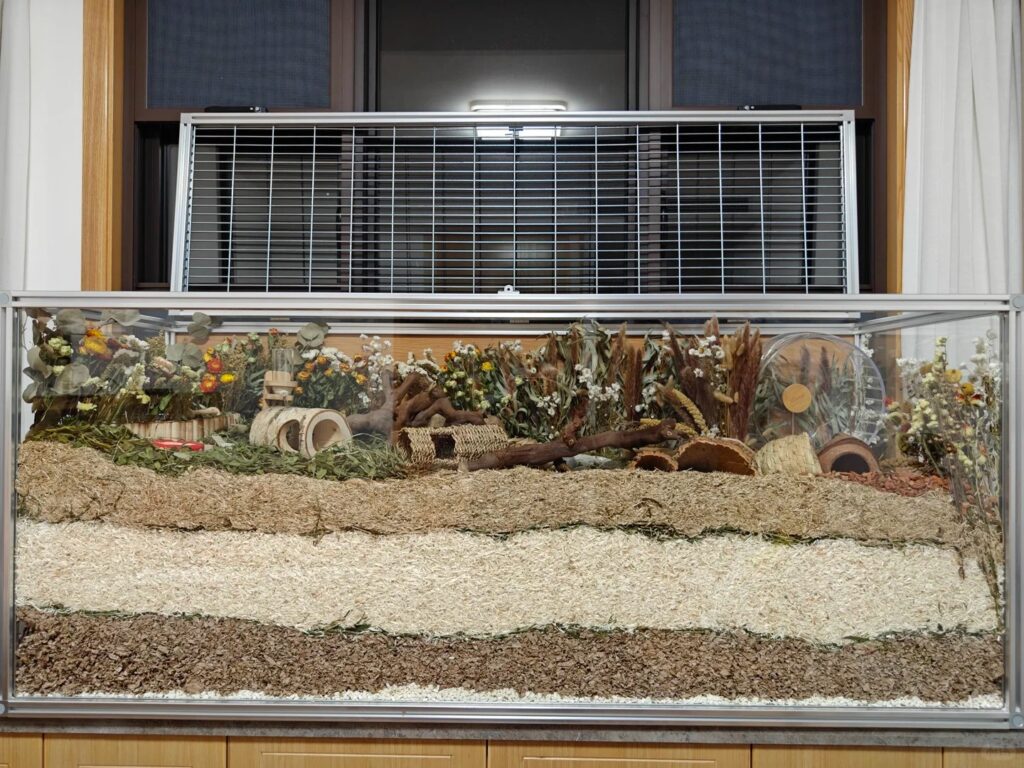
The minimum cage size I recommend for a Syrian hamster is 80cm by 50cm floor space. The cages sold in most chain pet shops as “hamster cages” are frequently too small. A hamster in a cramped cage will develop stress behaviours — bar chewing, repetitive pacing, excessive wheel use — that make it harder to handle and less pleasant to live with.
Deep bedding matters as much as floor space. Hamsters are natural burrowers. They need a bedding depth of at least 15 to 20cm to express that behaviour properly. A shallow layer of bedding in a large cage is better than no bedding in a small one, but both are wrong.
A solid-surface running wheel — not a wire one, which can trap legs and tails — is essential. A hideout or nest box. Fresh water from a bottle rather than a bowl. A scatter of good quality hamster food mixed into the bedding so the hamster has to forage rather than just eating from a bowl.
Setting this up properly before purchase is something I always encourage. Come and talk to us about what you need. We stock everything and we will tell you honestly what is worth spending money on and what is not.
The Lifespan Conversation — Have It Before, Not After
A Syrian hamster lives, on average, two to three years. That is not a long time. And for a child who has genuinely bonded with their hamster, the end of that lifespan can be a significant loss — often the first significant experience of an animal dying that a child has.
I raise this not to put anyone off, but because how families handle it matters. The parents who have talked about it honestly beforehand — who have acknowledged to their children that hamsters do not live as long as dogs or cats, and that caring for something means eventually losing it — tend to navigate it far better than those who have not.
It is also, handled well, a genuine opportunity. Learning to care for something, to take responsibility for it, to lose it and grieve it and recover from that — these are formative experiences. A hamster’s short life can teach a child things about love and loss that are genuinely valuable, if the adults around them approach it thoughtfully.
I have had many conversations with parents whose children were devastated by a hamster’s death. Almost all of them said, looking back, that it had been an important experience. That is worth knowing going in.
Frequently Asked Questions
What age is right for a first hamster?
My honest answer is eight as a working minimum for a child to be meaningfully involved in the care. Younger children — five, six, seven — can enjoy a hamster as a family pet with adult involvement, but should not be the primary carer and should always be supervised during handling. The key factor is not age exactly but whether the child has the patience and fine motor control for safe, calm handling. Some eight-year-olds are ready. Some ten-year-olds need more time.
Do hamsters bite children?
They can, yes — and it is worth being honest about that rather than pretending otherwise. A hamster that is startled, woken suddenly, grabbed too firmly, or handled before it has been properly tamed will bite. A well-tamed hamster that is approached calmly and handled correctly very rarely bites. The difference is in the taming process and the handling technique, not in the animal’s nature. With children, supervised handling and a proper introduction process makes biting uncommon.
Syrian or dwarf hamster for a child?
Syrian, every time, for a family buying a first hamster for a child. Larger, calmer, more tolerant of handling, and significantly easier to tame. Dwarf hamsters are faster, smaller, harder to hold safely, and generally less inclined to become tame and interactive. They are more suitable for older children and adults who want to observe rather than handle.
Do hamsters like being held?
A properly tamed hamster, yes — or at least tolerates and accepts it without stress, which is what matters. A hamster that has not been tamed, or that has had negative handling experiences, will not enjoy being held and will show that clearly. Taming takes patience — typically two to three weeks of gradual, consistent, positive interaction — but the result is an animal that is genuinely comfortable around people.
Are hamsters easy to look after?
Easier than many pets, but not as simple as they are often presented. Daily food and water, regular cage cleaning, out-of-cage time, and paying attention to the animal’s health and behaviour are all part of the routine. The simplicity comes from the fact that these tasks do not take long once you are in the habit of them. What is not simple is doing them consistently over two or three years, including during school holidays, when the child is ill, and when the novelty has worn off.
Where can I buy a hamster for my child in Swindon?
We stock Syrian and dwarf hamsters at Paradise Pets — all UK-bred, all in excellent health. Come and visit us at Manor Garden Centre, Cheney Manor, Swindon SN2 2QJ, or call 01793 512400 to find out what we currently have available. We are happy to answer questions before you come in, and we will always tell you honestly if we think a different animal might be a better fit for your family.
One Last Thing
Every time I sell a hamster to a family with children, I try to do two things. The first is make sure they have the information they need to set things up properly from the start — the right cage, the right bedding, the right handling approach, the right expectations. The second is make sure the adults understand that they are part of this, not observers of it.
The families who come back to tell me it has gone well are almost always the ones where the parents were involved. They helped with the taming. They checked the cage. They were the ones who noticed when the hamster seemed off and rang the vet. They made it work.
The hamster is your child’s. The responsibility is shared. That is the honest version of what you are signing up for, and it is well worth it.
If you want to come and have a look at what we have in stock, or if you want to talk through whether a hamster is right for your family before committing, come and find us. We are at Manor Garden Centre, Cheney Manor, Swindon SN2 2QJ, every day. Get in touch here or call 01793 512400.
Visit Us at Paradise Pets Swindon
We stock Syrian and dwarf hamsters year-round — all UK-bred, all handled from young. Come and spend some time in the shop before you decide. We will answer every question honestly, including the ones that might change your mind.
⭐ Customer Reviews
Amazing Bird Selection
Had a lovley visit today,staff were very friendly and very helpful,such a great petshop,their selection of birds is incredible,really impressed,thank so much to the staff at Paradise Pets

Friendly Helpful Staff
I have been coming to this place for years and they have a great stock of food for all types of pets. Have a great selection of small mammals and a lot of birds. Staff are friendly and helpful.

Great Quality Hutch
Bought a guinea pigs hutch and run combo, very happy with the service, the hutch was put in my car for me without even asking for help. The wood quality is very good, the instructions easy to follow and we are extremely happy with the fully built hutch. A good size for 2 guinea pigs

Response from Paradise Pets | Wiltshire
Thank you Melanie Latus Nice to provide services to you.
Best Bird Shop Around
It’s the best pet shop in and around Swindon. They always have an amazing selection of birds and all you need to keep them happy. I keep birds myself and the guys there are happy to answer questions and really know their stuff. I have seen budgies etc. in chain pet shops in the area looking really unhealthy and ill – I wouldn’t go anywhere else than Paradise Pets for animals.

Highly Recommended Bird Shop
I could not praise this shop enough. Really helped my Grandson buy his first bird and he’s loving it. Travelled from Somerset and was welcomed with open arms.

Great Shop with Competitive Prices
Great shop with amazing selection for small animals, hamsters, mice ect, highly recommend!
Also has a great selection for dogs & cats too & very competitive prices! 💖

