
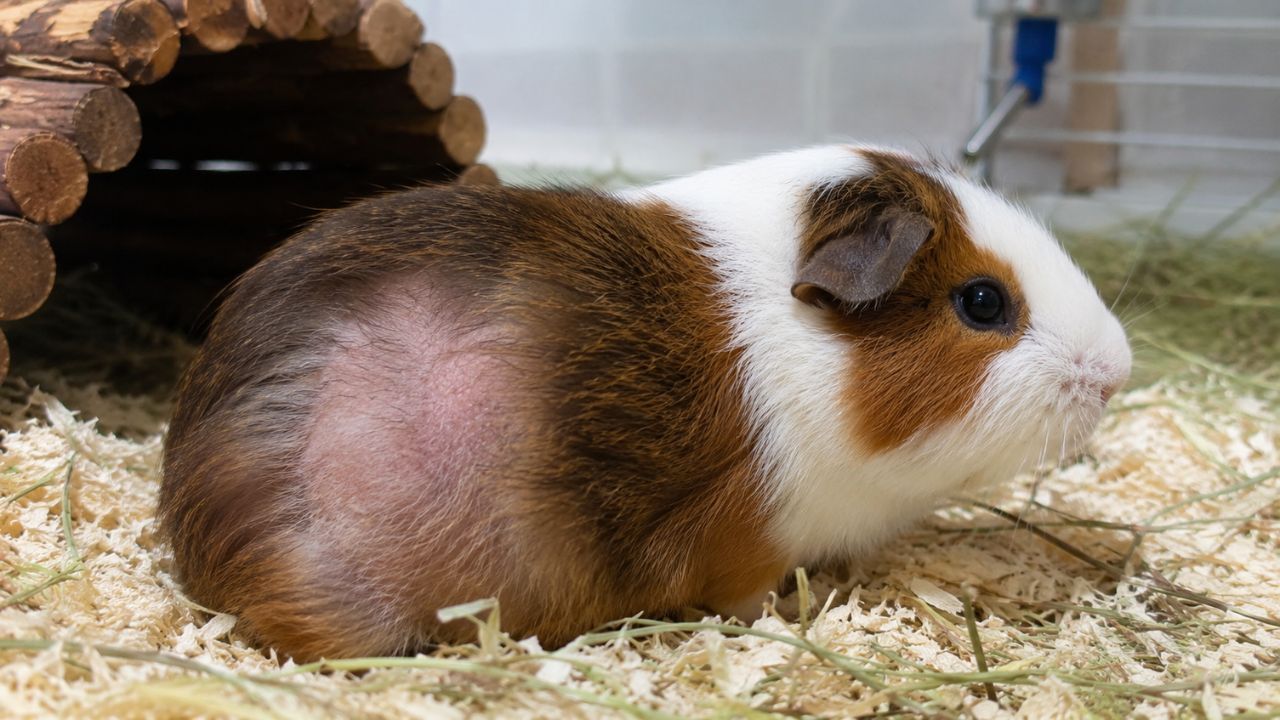

Neil has kept, bred, and sold guinea pigs at Paradise Pets Swindon since 1988 — over 35 years of first-hand experience with these animals. Hair loss is one of the questions he gets most often, and one of the most misunderstood. This guide covers every cause he has seen in that time, in the order he actually sees them.
It comes up more than almost any other guinea pig question. An owner walks in — sometimes calm, sometimes clearly worried — and says: “One of our guinea pigs has started losing its fur. I have no idea why.”
Sometimes it is something simple and easily fixed. Sometimes it needs a vet the same week. And occasionally it is something most owners have never even heard of — a cause that is extremely common in guinea pigs but almost never comes up unless you know to look for it.
The problem is that all three of those situations can look similar from the outside. Patchy fur. Bald spots. A coat that used to look healthy and now does not. Knowing which category you are dealing with changes everything about what happens next.
I have been selling and advising on guinea pigs for thirty-five years. Here is what I actually tell people when they ask me this.
The First Question I Always Ask
Before I ask anything about the hair loss itself, I ask: how many guinea pigs do you keep, and are they kept together?
This is not a random question. It goes straight to the most common cause of hair loss I see in guinea pigs, which is something called barbering — and it only happens when guinea pigs are housed with other guinea pigs.
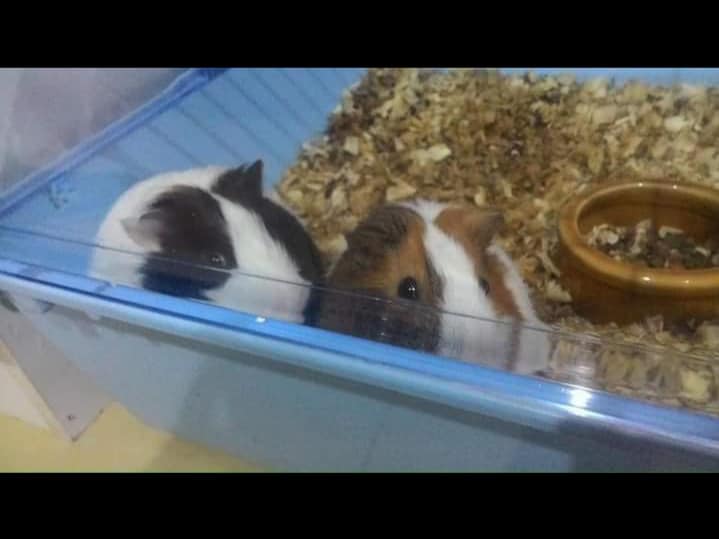
Guinea pigs are social animals. They should always be kept in pairs or small groups — a lone guinea pig is not appropriate, and it is something I talk about with every new buyer. But being social does not mean every guinea pig relationship is straightforward. There is always a dominant animal. And dominant guinea pigs sometimes chew the fur of the animals below them in the group hierarchy.
This is barbering. It is not aggression in the traditional sense. There is no fighting, no squealing, no injury. One guinea pig simply chews another’s fur — usually around the back, the sides, and the rump. The result is patchy hair loss in those areas. The skin underneath is completely normal. The barbered guinea pig often does not seem distressed at all.
If you have more than one guinea pig and the hair loss is in patches around the back and sides — particularly if it looks like the fur has been chewed rather than fallen out naturally — barbering is almost certainly the explanation.
It is not always easy to fix. The dominant animal is doing something that comes naturally to it. Giving the group more space, more enrichment, and more hiding places to break line of sight can reduce it. Separating the animals is an option but a last resort — guinea pigs genuinely need company, and the stress of being alone is worse than mild barbering. Come and talk to us if you are not sure what the right approach is for your specific situation.
Mites — The Most Serious Common Cause
If barbering is the most frequent cause I see, mites are the one I take most seriously when they appear.
Guinea pig mites — particularly Trixacarus caviae, the sarcoptic mite specific to guinea pigs — cause a level of itching that is genuinely severe. A guinea pig with a significant mite infestation is not mildly uncomfortable. It is scratching constantly, sometimes frantically, often to the point of breaking its own skin. In serious cases, the itching can trigger seizure-like episodes — the guinea pig twitches or spasms in response to the sensation. If you have ever seen this and not known what it was, it is alarming. It is also a clear sign that this needs a vet the same day.
The hair loss from mites tends to start around the shoulders, back, and sides. The skin underneath looks rough — thickened, flaky, possibly red and scabbed where the animal has scratched itself. Unlike barbering, the coat does not look chewed. It looks damaged and thinning, often with a dry, crusty quality to the skin beneath.
A second mite species, Chirodiscoides caviae, causes milder symptoms — less intense scratching, a generally dull and thinning coat — but should still be treated.
Both need a vet and an appropriate antiparasitic treatment. Do not attempt to treat mites with over-the-counter products designed for cats or dogs — many of these are toxic to guinea pigs. Go to a vet who sees small animals and let them prescribe the right treatment. It works well when it is the right thing.
Ringworm — Common, Treatable, and Worth Acting On Quickly
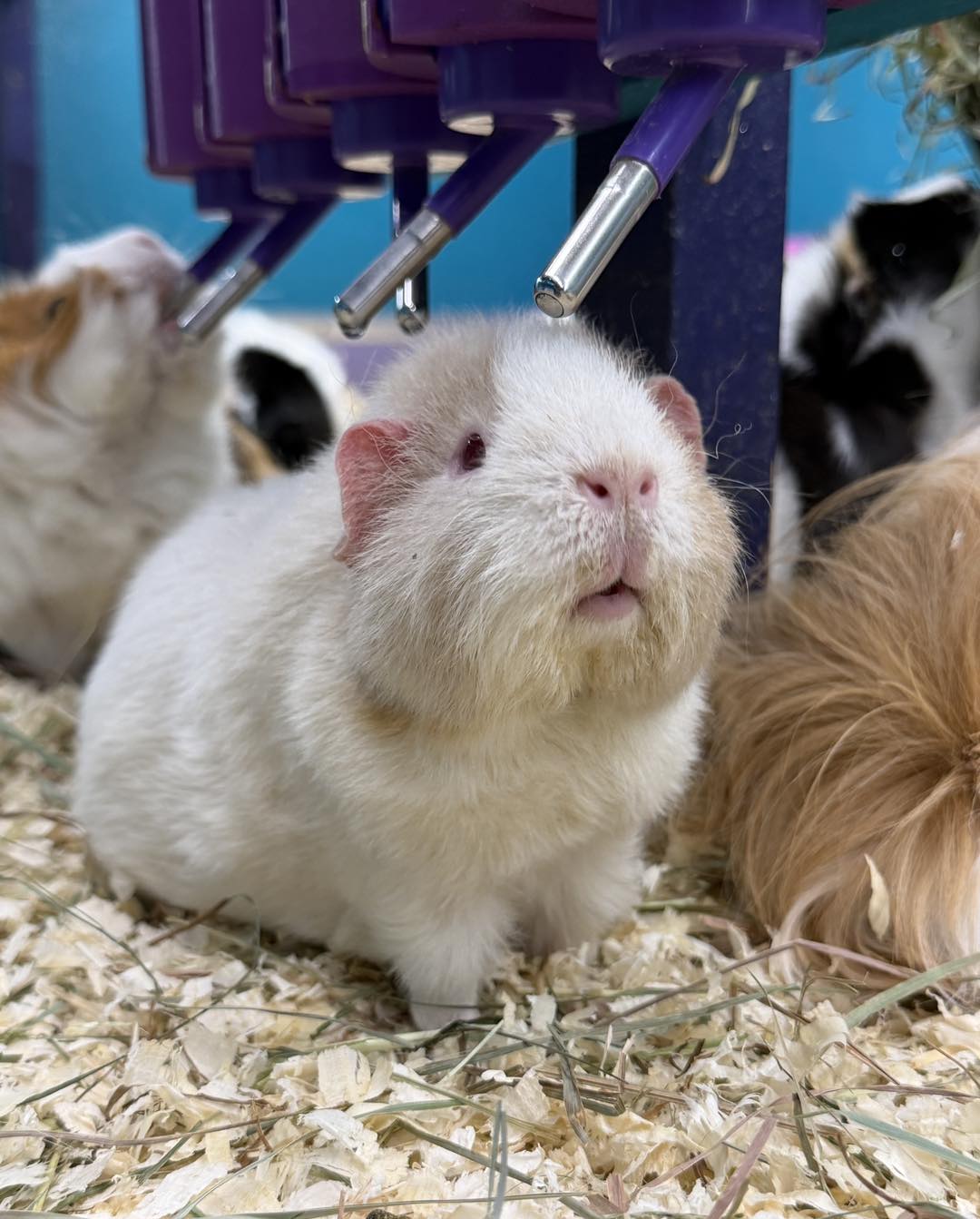
Ringworm in guinea pigs is more common than most owners expect. It is a fungal infection — not a worm — and it causes the same characteristic circular, defined bald patches it causes in other animals. The edges of the bald area are often slightly raised, crusty, or scaly. The patches can appear anywhere on the body but are often seen around the face, ears, and back.
Two things are worth knowing clearly.
First: ringworm is zoonotic. It spreads from guinea pig to human. If you are seeing circular bald patches with defined edges on your guinea pig, wear gloves when handling it until you have seen a vet and confirmed the diagnosis. Children who handle the guinea pig regularly are particularly at risk.
Second: it responds well to antifungal treatment. A vet will confirm it — sometimes through a simple examination, sometimes with a Wood’s lamp or skin scrape — and prescribe the appropriate medication. It clears up reliably with the right treatment.
The key is not to wait. Ringworm spreads — between guinea pigs in the same group, and from guinea pig to owner. If you see circular patches, see a vet this week.
Ovarian Cysts — The Cause Most Female Guinea Pig Owners Have Never Heard Of
This is the one that surprises people every time. And it is extremely common.
Ovarian cysts develop in unspayed female guinea pigs — sows — and they are remarkably prevalent. Studies suggest the majority of unspayed females will develop ovarian cysts at some point, most commonly from around two years of age. Despite how common they are, most owners have no idea they exist until their guinea pig is already showing symptoms.
The presentation is distinctive once you know what to look for. The hair loss is symmetrical — the same patches on both flanks of the body, roughly mirrored. The belly may appear distended or swollen. The sow may seem quieter than usual, less interested in food, or uncomfortable when picked up around the abdomen. She may also show skin changes in the bald areas, and occasionally a crackling, dry skin texture.
The symmetry is the giveaway. Barbering is patchy and uneven. Mites cause generalised thinning with itching. Symmetrical flank hair loss in a female guinea pig over two years old — that is ovarian cysts until proven otherwise.
This needs a vet with small animal experience. Diagnosis is usually confirmed via ultrasound. Treatment options include surgical spaying or hormone implants, depending on the individual animal and the vet’s recommendation. Both can be very effective. The condition left untreated will worsen, and the cysts can become large enough to cause serious discomfort and internal complications.
If your guinea pig is female, over two years old, and showing symmetrical hair loss on her flanks — book a vet appointment. Do not wait to see if it improves.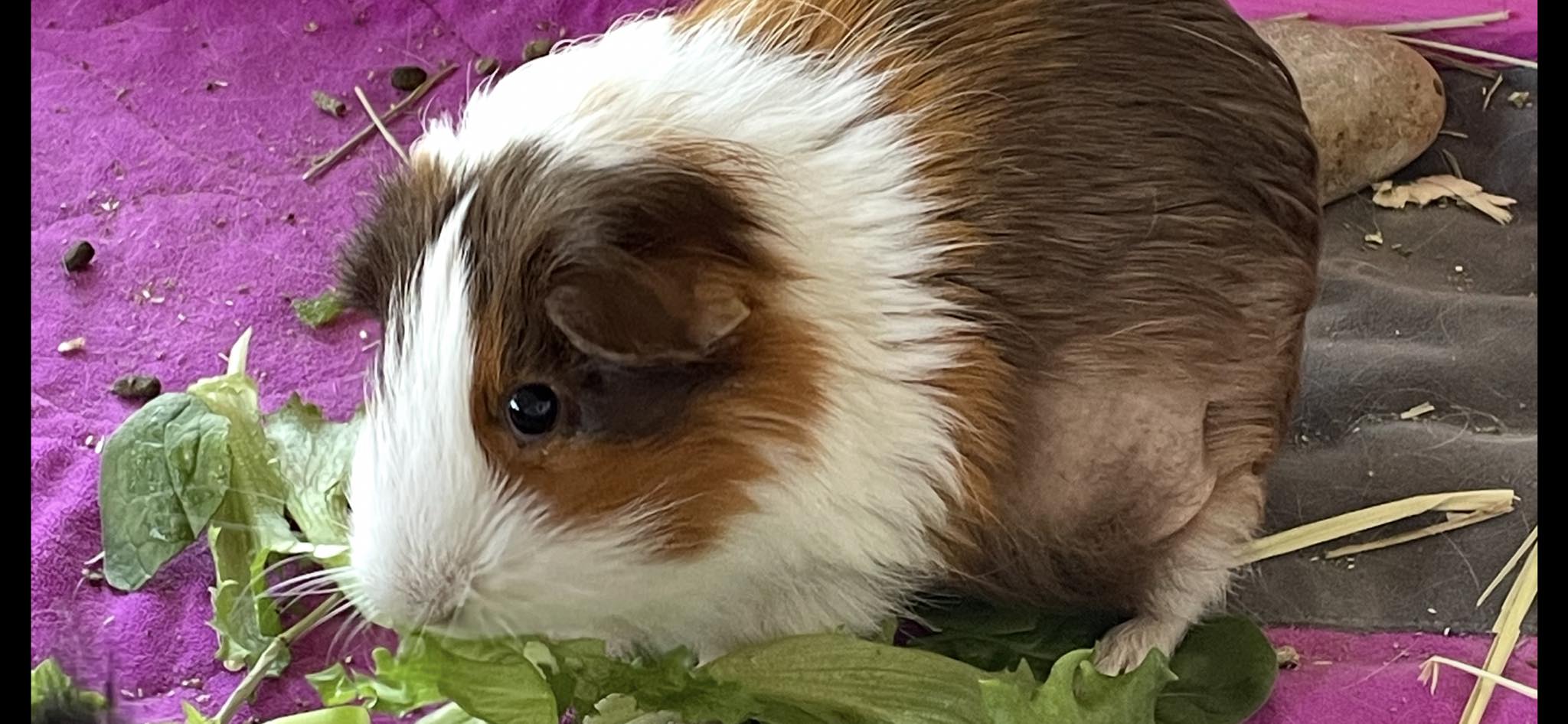
Vitamin C Deficiency — A Cause Unique to Guinea Pigs
This is something that does not apply to hamsters, rabbits, or most other small animals. Guinea pigs are one of the few mammals — along with humans and a handful of others — that cannot synthesise their own vitamin C. Every milligram they need has to come from their diet.
When vitamin C intake is inadequate, the effects are gradual but real. A guinea pig in the early stages of deficiency will often show a dull, rough coat — fur that looks coarser than normal, loses its sheen, and begins to thin overall. This is not the same as patchy hair loss from mites or barbering. It is a general deterioration in coat quality across the whole body. As deficiency progresses, other signs appear — lethargy, swollen joints, a reluctance to move, and a generally unwell quality.
The fix is straightforward: get the diet right.
Guinea pigs need a daily source of vitamin C. Fresh leafy greens — kale, romaine lettuce, spinach in moderation — are excellent sources. Bell peppers, particularly red ones, are exceptionally high in vitamin C and most guinea pigs eat them enthusiastically. A small piece daily makes a real difference.
Do not rely on vitamin drops added to water. Vitamin C degrades rapidly in water, especially in sunlight, and the dose a guinea pig actually receives is impossible to control. Fresh food is always the better approach.
Coat condition improves with diet, but give it time. Six to eight weeks of consistent, correct feeding will show a visible change. If improvement is not happening within that window, there is likely another cause involved.
- “It must be stress — she’s been on her own since her companion died” — Loneliness and grief are real for guinea pigs, and a guinea pig that has lost its companion is genuinely suffering. But stress does not directly cause hair loss in the way people describe. What a bereaved guinea pig needs is a new companion, not a longer wait. Come and talk to us about the right way to introduce a new guinea pig.
- “He’s moulting — guinea pigs moult in spring” — Guinea pigs do change their coats, but significant visible hair loss is not normal seasonal moulting. If patches are appearing or the coat is visibly thinning, there is a cause worth finding.
- “I put some cat flea treatment on — it was all I had” — Please do not do this. Permethrin-based products, which are found in many cat and dog flea treatments, are toxic to guinea pigs and can be fatal. If you suspect parasites, use a vet-prescribed product only. Nothing from the cat aisle.
- “She’s spayed so it can’t be ovarian cysts” — Correct — a spayed sow will not develop ovarian cysts. But not all female guinea pigs presented to me as spayed actually are. If there is any doubt, a vet can confirm via examination or ultrasound.
- “They’re friends — they would never do that to each other” — Barbering is not unfriendly behaviour. It happens between guinea pigs that have lived together for years. Being bonded does not prevent a dominant animal from chewing its companion’s fur. The relationship is still a hierarchy, regardless of how affectionate it looks the rest of the time.
- “I’ll wait and see if it gets better on its own” — For barbering, waiting is reasonable. For mites, ringworm, or ovarian cysts — waiting means the animal is uncomfortable for longer than necessary, and the condition progresses. Identify the cause first, then decide whether watchful waiting is appropriate.
When to See a Vet — The Honest Summary
- You have more than one guinea pig, the hair loss is patchy and around the back and rump, the skin looks normal, and there is no scratching.
This is almost certainly barbering. No vet needed immediately. Increase space and enrichment, monitor the situation, and come and talk to us if it is getting worse. The skin staying healthy is the key thing to watch. - The guinea pig is scratching constantly, and the skin beneath the hair loss looks rough, red, flaky, or scabbed.
This is mites. See a vet who sees small animals as soon as you can — ideally the same week, sooner if the scratching is severe or if you are seeing spasm-like episodes. Do not use cat or dog flea products. - The bald patches are circular and clearly defined with crusty or raised edges.
Ringworm. Wear gloves when handling, see a vet this week. It spreads between guinea pigs and to people. It is treatable but needs the right antifungal prescribed. - Your guinea pig is female, over two years old, the hair loss is symmetrical on both flanks, and her belly looks rounder than normal.
Ovarian cysts. Book a vet appointment — ideally one with small animal or exotic experience. Ultrasound confirms it. Treatment is effective when started in good time. - The coat is generally dull and thinning across the whole body rather than in patches, and the diet is mostly dried food with little fresh food.
Review the diet first. Introduce daily fresh vegetables — particularly red bell pepper and leafy greens. Give it six to eight weeks of consistent correct feeding before concluding the diet was not the issue. - Any hair loss combined with weight loss, a guinea pig that has stopped eating, or one that seems in pain when picked up.
Vet the same day. Guinea pigs that stop eating can deteriorate rapidly. Do not wait overnight.
What We See Most Often at Paradise Pets
In thirty-five years of selling and advising on guinea pigs, the hair loss cases I see most often come down to three things: barbering between guinea pigs in the same group, mites, and ovarian cysts in older females.
Barbering is manageable with the right approach to housing. Mites need a vet but respond well to treatment. Ovarian cysts are extremely common and very treatable when caught at the right time — the difficulty is that most owners have never been told to look for them.
That last point matters. A lot of what I do at the counter is not complicated — it is simply telling people things they were never told when they bought the animal. Guinea pigs are not low-maintenance pets, and their health needs are more specific than most people realise going in. Understanding that changes how quickly problems get spotted and dealt with.
If you have bought a guinea pig from us and something does not look right, come back in. We would rather you ask than worry, and we would rather see it early than late. If you are not local, call us on 01793 512400 and we will do our best to point you in the right direction.
Visit Us at Paradise Pets Swindon
We stock guinea pigs year-round — all sourced from UK breeders, all checked carefully before they go to a new home. If you have a question about your guinea pig’s health, coat, or care, come in and talk to us. No rush, no pressure. Thirty-five years of doing this means we have seen almost everything, and we are always happy to help.
We also stock a full range of gerbils and hamsters, rabbits, and an extensive selection of cage and aviary birds.
⭐ Customer Reviews
Amazing Bird Selection
Had a lovley visit today,staff were very friendly and very helpful,such a great petshop,their selection of birds is incredible,really impressed,thank so much to the staff at Paradise Pets

Friendly Helpful Staff
I have been coming to this place for years and they have a great stock of food for all types of pets. Have a great selection of small mammals and a lot of birds. Staff are friendly and helpful.

Great Quality Hutch
Bought a guinea pigs hutch and run combo, very happy with the service, the hutch was put in my car for me without even asking for help. The wood quality is very good, the instructions easy to follow and we are extremely happy with the fully built hutch. A good size for 2 guinea pigs

Response from Paradise Pets | Wiltshire
Thank you Melanie Latus Nice to provide services to you.
Best Bird Shop Around
It’s the best pet shop in and around Swindon. They always have an amazing selection of birds and all you need to keep them happy. I keep birds myself and the guys there are happy to answer questions and really know their stuff. I have seen budgies etc. in chain pet shops in the area looking really unhealthy and ill – I wouldn’t go anywhere else than Paradise Pets for animals.

Highly Recommended Bird Shop
I could not praise this shop enough. Really helped my Grandson buy his first bird and he’s loving it. Travelled from Somerset and was welcomed with open arms.

Great Shop with Competitive Prices
Great shop with amazing selection for small animals, hamsters, mice ect, highly recommend!
Also has a great selection for dogs & cats too & very competitive prices! 💖

