
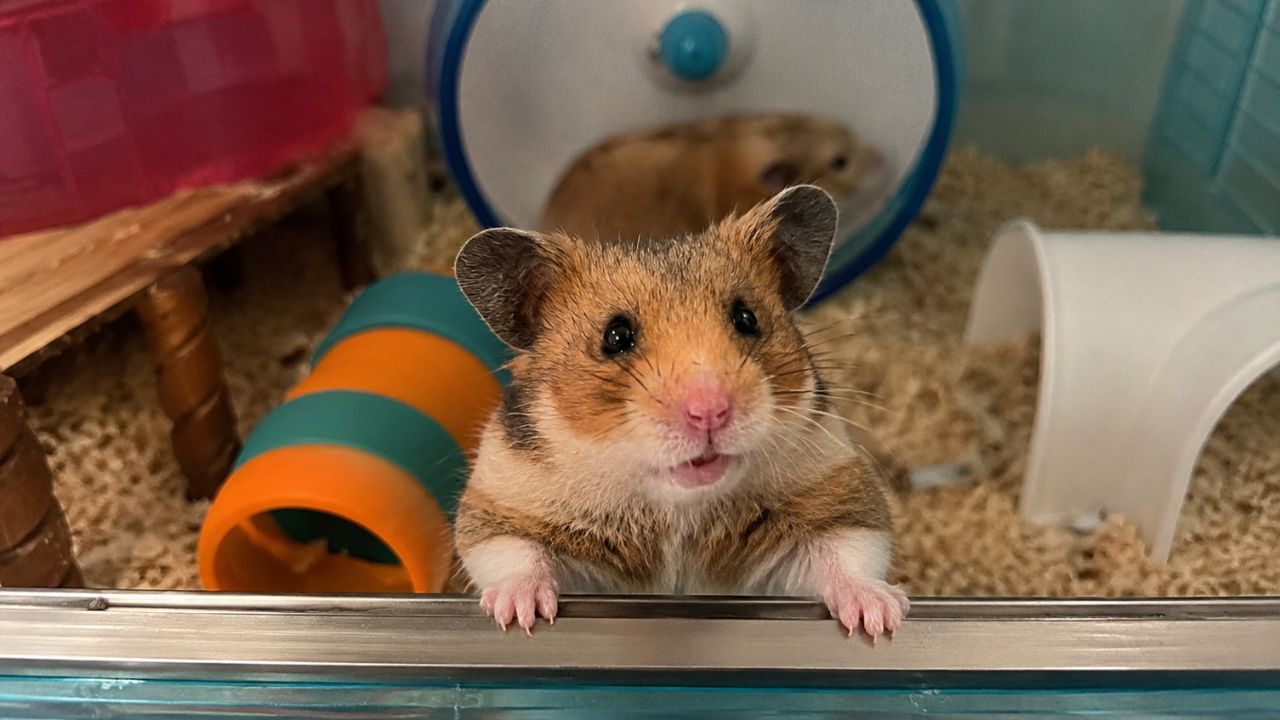

Neil has kept, bred, and sold hamsters at Paradise Pets Swindon since 1988 — Syrian hamsters, dwarf hamsters, and everything in between. In over 35 years, one of the most common questions he gets from new owners is about the sounds their hamster makes. This article is his complete, honest guide to what every hamster sound actually means — and which ones should send you to a vet.
A customer came in last year with a look I recognise immediately. Half worried, half embarrassed to be worried.
Her daughter’s hamster had started making a sound she had never heard before. A kind of squeaking, she said. Sometimes at night, sometimes when she picked it up. She had looked it up online and found seventeen different explanations ranging from “completely normal” to “take it to a vet immediately.” She had no idea which one applied.
That is the problem with hamster sounds. There are several of them, they can mean very different things, and the information available to most owners is either too vague to be useful or too alarming to be reassuring.
After 35 years of selling hamsters and answering questions about them, I want to give you something more useful than that. A clear, practical guide to what each sound actually means — and what to do about it.
First: Why Hamsters Make Sounds at All
Hamsters are not naturally vocal animals. In the wild, a hamster that makes noise is a hamster that attracts attention — and attention, for a small prey animal, is dangerous. So hamsters have evolved to be largely silent. They communicate mostly through scent, posture, and behaviour rather than sound.
This means something important: when your hamster does make a sound, it is usually communicating something specific. It is not chattering away for the pleasure of it. There is a reason for the noise — and understanding what that reason might be is genuinely useful information for any owner.
The sounds hamsters make fall into a handful of categories. Some are normal and not a cause for concern. Some are worth paying attention to. And some are signs that something is wrong and needs addressing promptly.
The Squeak — What It Means Depends Entirely on Context
Squeaking is the sound owners ask about most, and it is the one where context matters most. The same basic sound can mean three completely different things depending on when it happens and what else the hamster is doing.
Squeaking when handled — fear or discomfort
If your hamster squeaks when you pick it up, the most common reason is that it does not want to be handled at that moment. This is particularly common with new hamsters that have not been fully tamed yet, or with hamsters that have been startled from sleep — which is easy to do with a hamster, since they are naturally active at night and genuinely disoriented if woken abruptly during the day.
A single squeak when picked up from a hamster that is otherwise healthy and behaving normally is not a cause for alarm. It is the hamster telling you it would prefer to be left alone right now.
Repeated squeaking every time the hamster is handled, or squeaking accompanied by biting, is telling you the taming process needs more work. I have a guide on this in our hamster care guide — the short version is: slow down, use treats, build trust gradually. Forcing handling on a hamster that is not ready makes the problem worse, not better.
Squeaking when touched in a specific spot — pain
This is the one to take seriously. If your hamster squeaks specifically when you touch a particular part of its body — its abdomen, its flank, its back legs — and does not squeak at other times, that is a localised pain response. The hamster is telling you that area hurts.
Check the area visually for anything obvious — a wound, a swelling, matted fur. If you cannot see anything but the squeaking when touched continues, this is a vet visit. Internal pain, a tumour, or an injury that is not visible on the surface can all produce exactly this response.
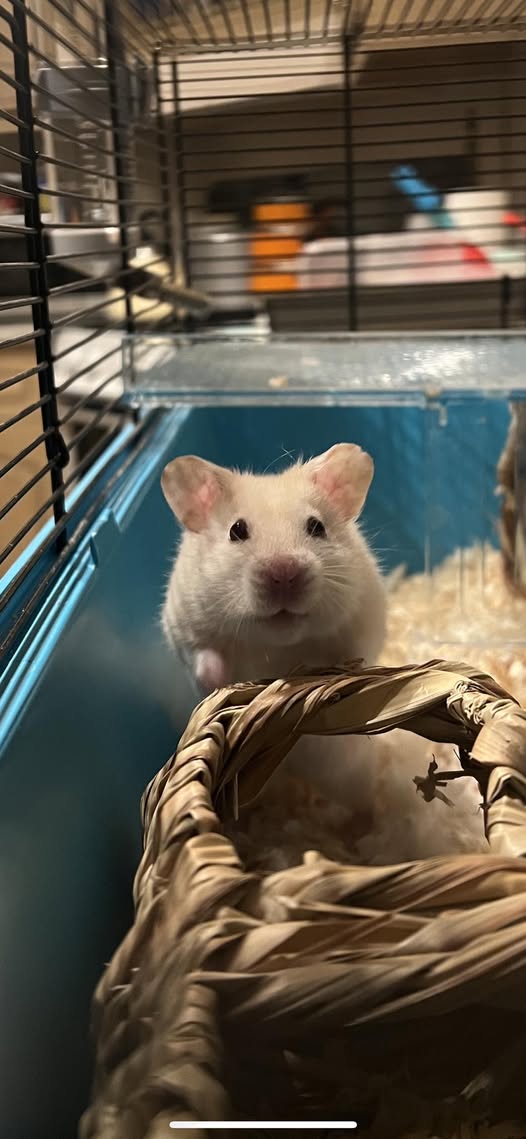
Squeaking during play or exploration — usually normal
Some hamsters, particularly younger ones, make brief squeaking sounds when they are active and engaged — running, burrowing, exploring a new object in the cage. This is generally normal excited vocalisation and not a concern unless it is accompanied by other changes in behaviour.
- Occasional squeak when handled: Normal, especially in less tame or recently woken hamsters. Work on taming gradually.
- Squeaking every time handled, with biting: Fear response. Slow down the taming process.
- Squeaking when a specific body area is touched: Possible pain. Check the area. If no obvious cause, see a vet.
- Squeaking during active exploration: Usually normal vocalisation in an engaged, active hamster.
The Hiss — What It Means and Why You Should Listen to It
A hamster hissing at you is one of the clearer communications in a hamster’s repertoire, and it means one thing: back off.
Hissing is an aggressive warning sound. The hamster is telling you that it feels threatened, that it does not want you to come any closer, and that if you do not respect that, it will defend itself. It is almost always accompanied by other warning signals — standing on the hind legs, ears flattened back, teeth showing.
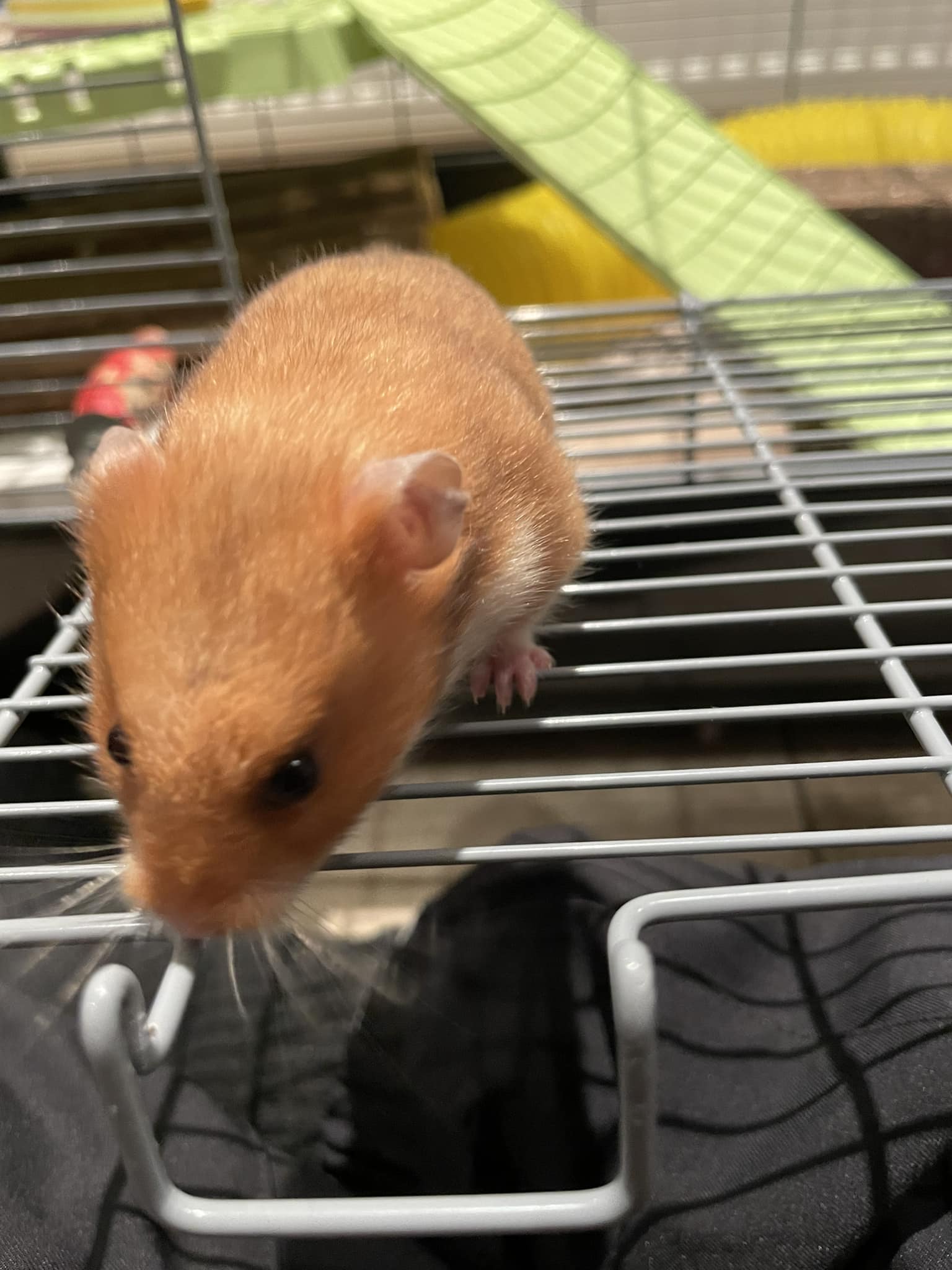
New owners sometimes try to push through a hissing hamster — to pick it up anyway, to keep approaching. This is the wrong response. A hamster that is ignored when it gives a clear warning signal learns that warnings do not work, which usually leads to biting without warning next time.
The right response to a hissing hamster is to stop what you are doing, give the animal space, and let it settle. Then approach again, more slowly, using a treat to build a positive association before attempting to handle it.
A hamster that is hissing regularly — at you, at cage mates, at nothing obvious — is a hamster that is stressed. Check the environment: is the cage large enough, is there adequate bedding for burrowing, is it being disturbed during the day when it should be sleeping? These are the most common causes of chronic stress in hamsters, and I cover them in detail in our hamster care guide.
The Clicking or Chattering Sound — Take This One Seriously
This is the sound I most want owners to recognise, because it is the one most commonly associated with a health problem that needs prompt attention.
A clicking, rattling, or chattering sound — sometimes described as a crackling — coming from a hamster at rest, or noticeable when you hold the hamster close to your ear, is frequently a sign of a respiratory problem. It is the sound of laboured or obstructed breathing.
- A clicking or crackling sound when the hamster breathes — audible without picking it up
- Wheezing — a faint whistling quality to the breath
- Any clicking sound accompanied by laboured breathing, flared nostrils, or visible effort with each breath
- A hamster that is clicking and also sitting hunched, less active than usual, or not eating normally
Respiratory infections in hamsters can progress quickly. A hamster that is clicking or wheezing today and left untreated can deteriorate significantly within 48 hours. This is a same-day vet call — not a wait-and-see situation.
The other thing that can cause a clicking sound is a bedding or environmental issue — some hamsters are sensitive to dusty or strongly scented bedding materials, and respiratory irritation can cause clicking sounds that resolve when the bedding is changed. Cedar and pine shavings in particular are known to cause respiratory problems in small animals. If you are using either of these, switch to a dust-extracted paper-based bedding and see if the sound improves. If it does not improve within 24 hours, or if the hamster seems unwell in any other way, get it seen.
The Teeth Chattering Sound — Different from Clicking, Different Meaning
Teeth chattering — a rapid clicking specifically from the front teeth — is different from the respiratory clicking I described above, and it is worth knowing the difference.
Teeth chattering in hamsters is usually an aggressive or defensive signal. It sounds like rapid, light clicking coming from the front of the face rather than from the chest or throat. It is often seen when two hamsters are near each other, when the hamster feels cornered, or when it is being approached in a way it does not want.
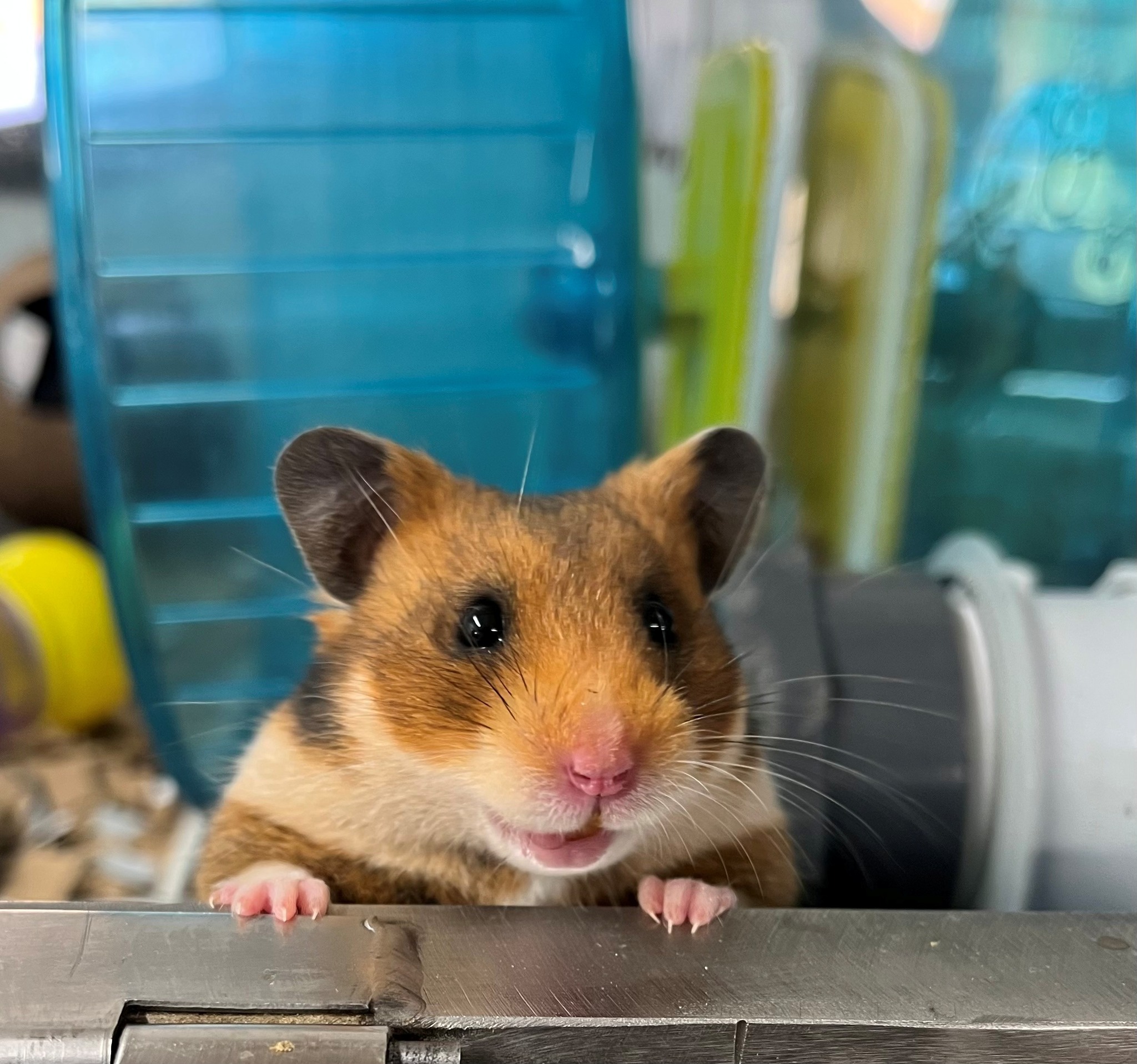
The key distinction from respiratory clicking is location and context. Teeth chattering comes from the mouth and tends to happen in specific social or threatening situations. Respiratory clicking comes from the chest or throat and happens at rest, during normal breathing, without an obvious social trigger.
If you are not sure which one you are hearing, put your ear close to the hamster’s side — not the face — when it is calm and resting. If the clicking is there, it is respiratory. If it only appears when the hamster is being approached or is near another animal, it is teeth chattering.
The Scream — Rare but Unmistakable
Some owners describe hearing a sound from their hamster that they can only call a scream — a sharp, high-pitched sound that is clearly distress rather than ordinary vocalisation.
This is rare, but it happens, and it is always significant. A hamster screaming is a hamster in acute fear or acute pain. Common causes include being dropped or injured, being grabbed suddenly, a sudden severe fright, or being attacked by another animal.
If your hamster has screamed and you cannot identify an obvious physical cause — a fall, an injury you can see — handle it gently, check it carefully for signs of injury, and watch it closely for the next hour or two. A hamster that screamed due to fright and is otherwise uninjured will usually settle and return to normal behaviour relatively quickly. A hamster that continues to seem distressed, is not moving normally, or is hunched and unresponsive after the initial shock has passed needs veterinary attention.
- Check for visible injuries — bleeding, limping, abnormal posture, swelling
- Place the hamster back in its cage quietly and leave it undisturbed for at least an hour
- Watch for normal return to behaviour — moving, grooming, showing interest in food
- If the hamster remains hunched, still, or unresponsive after an hour — call a vet
- Never attempt to handle a hamster immediately after a scream unless to check for injury — give it time to recover from the shock first
Squeaking at Night — Should You Be Worried?
This is worth addressing separately because it is one of the most common things owners notice and one of the most commonly misread.
Hamsters are nocturnal. They are naturally active between roughly dusk and dawn. If your hamster is making sounds at night — running, burrowing, occasionally squeaking — that is normal. That is the hamster doing what hamsters do. The solution, if the sounds are disturbing your sleep, is not to worry about the hamster but to move it to a room where you will not hear it.
The sounds to pay attention to at night are the ones that are not activity sounds. A hamster that is clicking or wheezing in the dark, a hamster that screams in the night, a hamster that is making sounds of distress rather than sounds of a busy animal going about its business — those are different. If you hear sounds at night that do not sound like normal activity, check on the hamster.
A Quick Reference Guide to Hamster Sounds
| Sound | What It Usually Means | What To Do |
|---|---|---|
| Single squeak when handled | Mild protest — does not want to be handled right now | Put it down, try again later with a treat |
| Repeated squeaking + biting when handled | Fear — taming not complete | Slow down taming process, use positive association |
| Squeak when specific body area touched | Localised pain | Check the area — if no obvious cause, see a vet |
| Hissing | Aggressive warning — feels threatened | Back off immediately, give space, address stress causes |
| Clicking / rattling at rest | Respiratory problem | Same-day vet call — do not wait |
| Teeth chattering | Aggressive or defensive warning signal | Remove threat — check for cage mate conflict or stress |
| Scream | Acute pain or fear | Check for injury — monitor closely — vet if distress continues |
| Night-time activity sounds | Normal nocturnal behaviour | Nothing — this is a healthy, active hamster |
When Any Sound Needs a Vet — The Rule I Give Every Owner
The principle I give every hamster owner is simple. A sound that is new, that is getting worse, or that is accompanied by any change in the hamster’s behaviour or appearance is worth acting on the same day — not watching for a few days to see if it improves.
Hamsters are small animals. Their bodies have limited reserves. The window between early-stage illness and a crisis is short. A hamster that is clicking today and seems a little quieter than usual could be in serious difficulty by tomorrow morning if left untreated.
I know that sounds alarming, and I do not say it to alarm people — I say it because it is true, and because the owners who act early are almost always the ones whose hamsters recover. The ones who wait and see are the ones who come in a few days later devastated.

If you are ever unsure — if a sound is new and you cannot place it, if your hamster seems different and you cannot say exactly how — call a vet and describe what you are hearing. Most vets who see small animals regularly would rather take a two-minute phone call than see a hamster that has been left too long.
Frequently Asked Questions
My hamster makes a clicking sound when it breathes — is this serious?
Yes, take it seriously. A clicking or crackling sound during normal breathing is one of the most reliable signs of a respiratory problem in hamsters. It can indicate an infection, an irritant in the environment, or another underlying health issue. Check your bedding first — cedar and pine shavings are common culprits. If switching to a dust-free paper bedding does not resolve it within 24 hours, or if the hamster seems unwell in any other way, this is a same-day vet visit. Respiratory infections in hamsters can deteriorate quickly.
Why does my hamster squeak when I pick it up?
The most common reason is that the hamster is not fully comfortable with being handled yet, or has been picked up at a moment when it does not want to be — often during the day when it would naturally be sleeping. A single protest squeak is not a cause for concern. Repeated squeaking every time, especially combined with biting or trying to escape, means the taming process needs more work. Our hamster care guide covers taming in detail.
My hamster hisses at me — what am I doing wrong?
Probably nothing specific — hissing is a warning that the hamster feels threatened in that moment. The most common causes are approaching too quickly, disturbing the hamster during its sleeping hours, or a hamster that simply needs more time to feel settled and safe in its environment. Back off when it hisses, give it space, and work on building trust slowly. A hamster that hisses chronically at everything is a stressed hamster — look at cage size, bedding depth, and whether it is being disturbed during the day.
Can hamsters make sounds that humans cannot hear?
Yes. Hamsters communicate partly through ultrasonic vocalisations — sounds above the range of human hearing. This is why a hamster can appear completely silent while actually communicating with other hamsters nearby. It is also part of why hamster communication is easy to miss — much of it happens outside the frequency range we can detect. What you can hear is just a portion of their full vocal range.
My hamster squeaks at night but seems healthy — should I move it?
If the sounds at night are activity sounds — the wheel, burrowing, occasional squeaking while exploring — your hamster is healthy and doing exactly what hamsters are supposed to do. Moving it to a room where you will not be disturbed is a perfectly sensible solution. If the sounds at night include clicking, wheezing, or anything that sounds like distress rather than activity, check on the hamster and assess whether it needs veterinary attention.
Where can I get a healthy hamster in Swindon?
We stock Syrian and dwarf hamsters at Paradise Pets — all from UK breeders, all in the best possible health when they leave us. Come and see us at Manor Garden Centre, Cheney Manor, Swindon SN2 2QJ, or call 01793 512400 to find out what we currently have available. We are happy to answer questions before you visit.
Worried About Your Hamster? Come and Talk to Us
If your hamster is making a sound you cannot place and you want an honest opinion from someone who has kept and sold hamsters for over 35 years — come in. Bring a short video on your phone if you can. I will tell you honestly what I think. No charge for the conversation.
⭐ Customer Reviews
Amazing Bird Selection
Had a lovley visit today,staff were very friendly and very helpful,such a great petshop,their selection of birds is incredible,really impressed,thank so much to the staff at Paradise Pets

Friendly Helpful Staff
I have been coming to this place for years and they have a great stock of food for all types of pets. Have a great selection of small mammals and a lot of birds. Staff are friendly and helpful.

Great Quality Hutch
Bought a guinea pigs hutch and run combo, very happy with the service, the hutch was put in my car for me without even asking for help. The wood quality is very good, the instructions easy to follow and we are extremely happy with the fully built hutch. A good size for 2 guinea pigs

Response from Paradise Pets | Wiltshire
Thank you Melanie Latus Nice to provide services to you.
Best Bird Shop Around
It’s the best pet shop in and around Swindon. They always have an amazing selection of birds and all you need to keep them happy. I keep birds myself and the guys there are happy to answer questions and really know their stuff. I have seen budgies etc. in chain pet shops in the area looking really unhealthy and ill – I wouldn’t go anywhere else than Paradise Pets for animals.

Highly Recommended Bird Shop
I could not praise this shop enough. Really helped my Grandson buy his first bird and he’s loving it. Travelled from Somerset and was welcomed with open arms.

Great Shop with Competitive Prices
Great shop with amazing selection for small animals, hamsters, mice ect, highly recommend!
Also has a great selection for dogs & cats too & very competitive prices! 💖

