
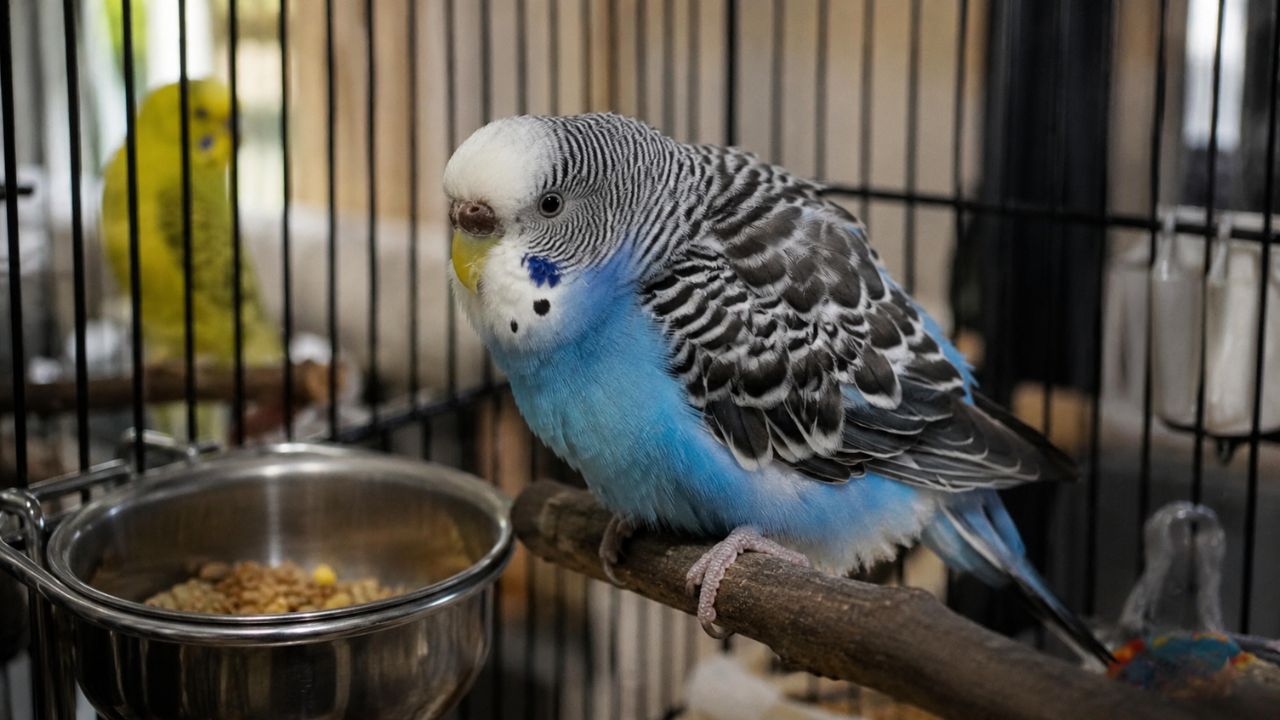

Neil has kept, bred, and sold budgies at Paradise Pets Swindon since 1988 — nearly 40 years of first-hand experience with these birds. In that time, he has sat with more grieving owners than he can count. This article is the one he wishes every budgie owner would read before something goes wrong — not after.
There is a particular kind of conversation I have had more times than I care to remember. Someone comes into the shop — sometimes they ring first, sometimes they just appear at the counter — and the first thing they say is some version of the same sentence. “He was fine yesterday. I don’t understand what happened.”
Their budgie has died. Suddenly, as far as they could tell. No warning. No obvious illness. Just there one day and gone the next.
I have had this conversation with hundreds of people over nearly 40 years. Young owners, elderly owners, people who had kept budgies for decades, people who had only just got their first bird. It cuts across all of them the same way. The grief is real. The guilt is real — because almost always, the first question after the shock is “did I do something wrong?”
Sometimes the answer is no. Sometimes a bird dies and there was nothing anyone could have done. But more often — and I say this with kindness, not judgement — the signs were there. Small things, easy to miss, easy to explain away. And by the time anyone realised something was genuinely wrong, it was already too late.
This article is my attempt to change that. Not for the bird you have already lost — I am sorry for that, truly. But for the next one. Because the thing that makes me saddest in this job is not the birds I cannot save. It is the birds that could have been saved, if someone had known what to look for just a few days earlier.
Why Budgies Seem To Die “Suddenly” — The Real Explanation
The first thing I want you to understand is this — budgies almost never die truly suddenly. What looks sudden to us is almost always the final stage of something that has been developing for days, sometimes weeks.
The reason for this is hardwired into the bird. In the wild, budgies live in flocks, and a sick bird is a target. A bird that looks weak gets separated from the flock, picked off by a predator, or driven away by healthier birds. So over thousands of years of evolution, budgies have become extraordinarily good at hiding illness. They mask the symptoms. They keep eating when they can, keep moving when they can, keep looking normal until their body simply cannot maintain that effort any longer.
By the time a budgie looks visibly sick — properly fluffed up, sitting on the floor of the cage, not moving — it has usually been unwell for several days already. And at that stage, even with immediate veterinary care, the odds are not good.
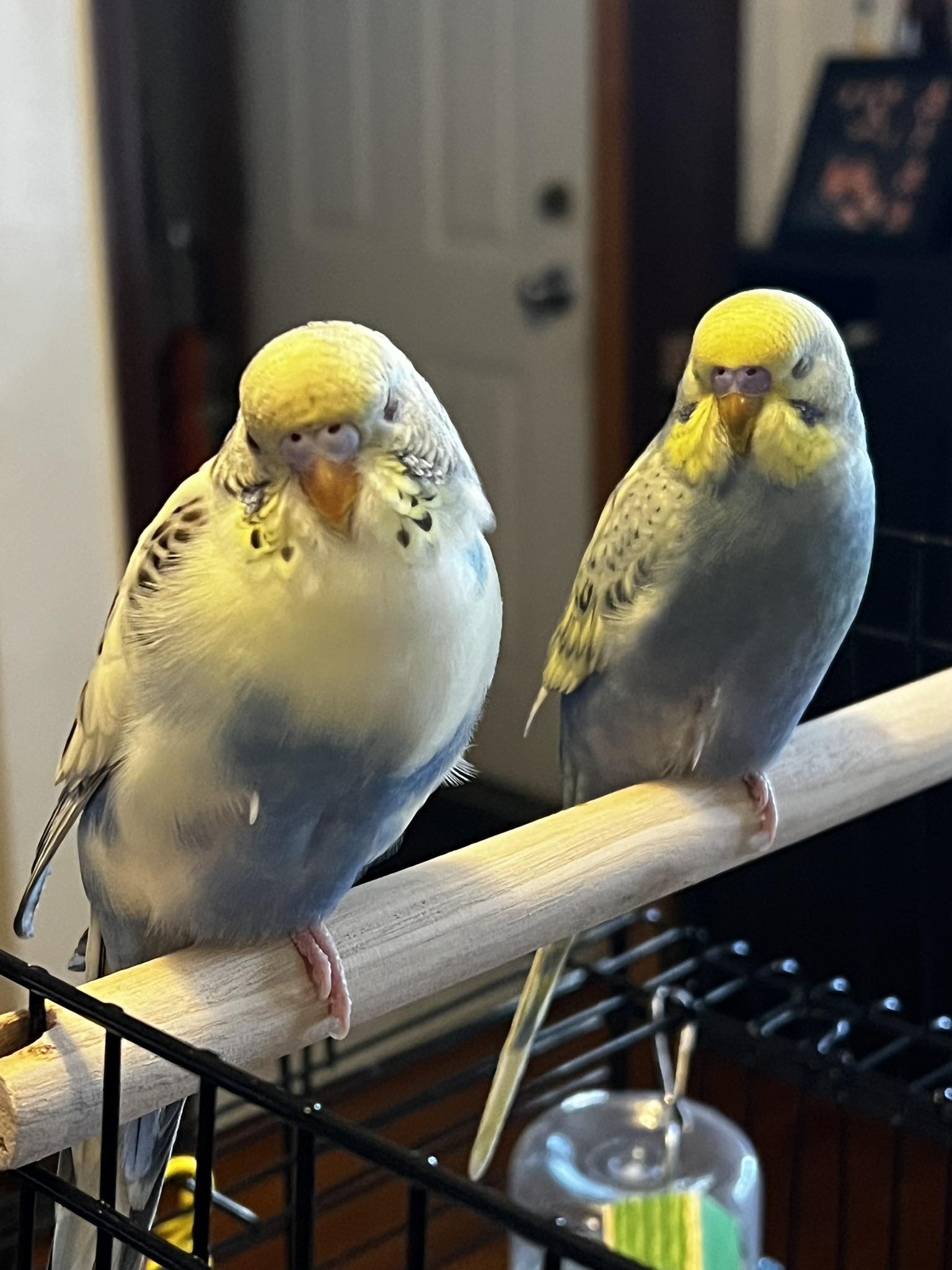
This is why “he was fine yesterday” is so common. The owner is not wrong, exactly — the bird was doing an excellent job of appearing fine. But underneath, something was already going wrong. The question is always: were there earlier signs that, with hindsight, make sense?
In my experience, there almost always are.
The Warning Signs Most UK Owners Miss
These are the signs I go through with every owner who comes in after losing a bird. Almost every time, when we talk through the last week or two, at least two or three of these were present. At the time, they did not seem significant enough to act on. With hindsight, they were the bird’s way of asking for help.
- Sleeping slightly more than usual — even an extra hour during the day. A budgie that is alert and active during daylight hours is a healthy budgie. One that is dozing when it should not be is telling you something.
- Quieter than normal in the morning — budgies should be noisy when the light comes on. A bird that is subdued at wake-up, even briefly, is worth watching.
- Feathers slightly fluffed, even for short periods — a healthy budgie keeps its feathers flat against its body when awake. Fluffing is how birds conserve heat when they are cold or unwell.
- Sitting lower on the perch than usual — or gripping the perch differently, with both feet flat rather than curled properly around the bar.
- Eating slightly less — not dramatically, just a little less interest in food than usual. Combined with anything else on this list, it matters.
- Change in droppings — normal budgie droppings are small, dark green with a white centre and a tiny amount of clear liquid. Anything wetter, darker, greener, or almost absent is a flag.
- Tail bobbing — a rhythmic bobbing of the tail when the bird is at rest often indicates the bird is working harder than it should to breathe. This is a serious sign.
- Less interest in toys or interaction — a budgie that normally plays, climbs, and engages but has become quieter and more withdrawn has changed. Changes matter.
Not one of these signs on its own is necessarily cause for panic. But two or more together, or any one of them getting worse over a few days, should send you to a vet or at the very least to someone like me at the shop. Same day. Not next week.
The Most Common Causes of Sudden Death in Budgies
When owners come in after losing a bird, and we piece together what happened, the causes I see most commonly are these. I am going to be direct about all of them, because I think you deserve honest information rather than vague reassurance.
1. Undetected Illness That Progressed Too Fast
Respiratory infections, bacterial infections, and viral diseases can move very quickly in a small bird. A budgie with an untreated respiratory infection can go from “slightly quiet” to gone in 48 hours. The infection was almost certainly brewing for longer — but without visible symptoms, and without an owner who knew what to look for, it went undetected until it was too late.
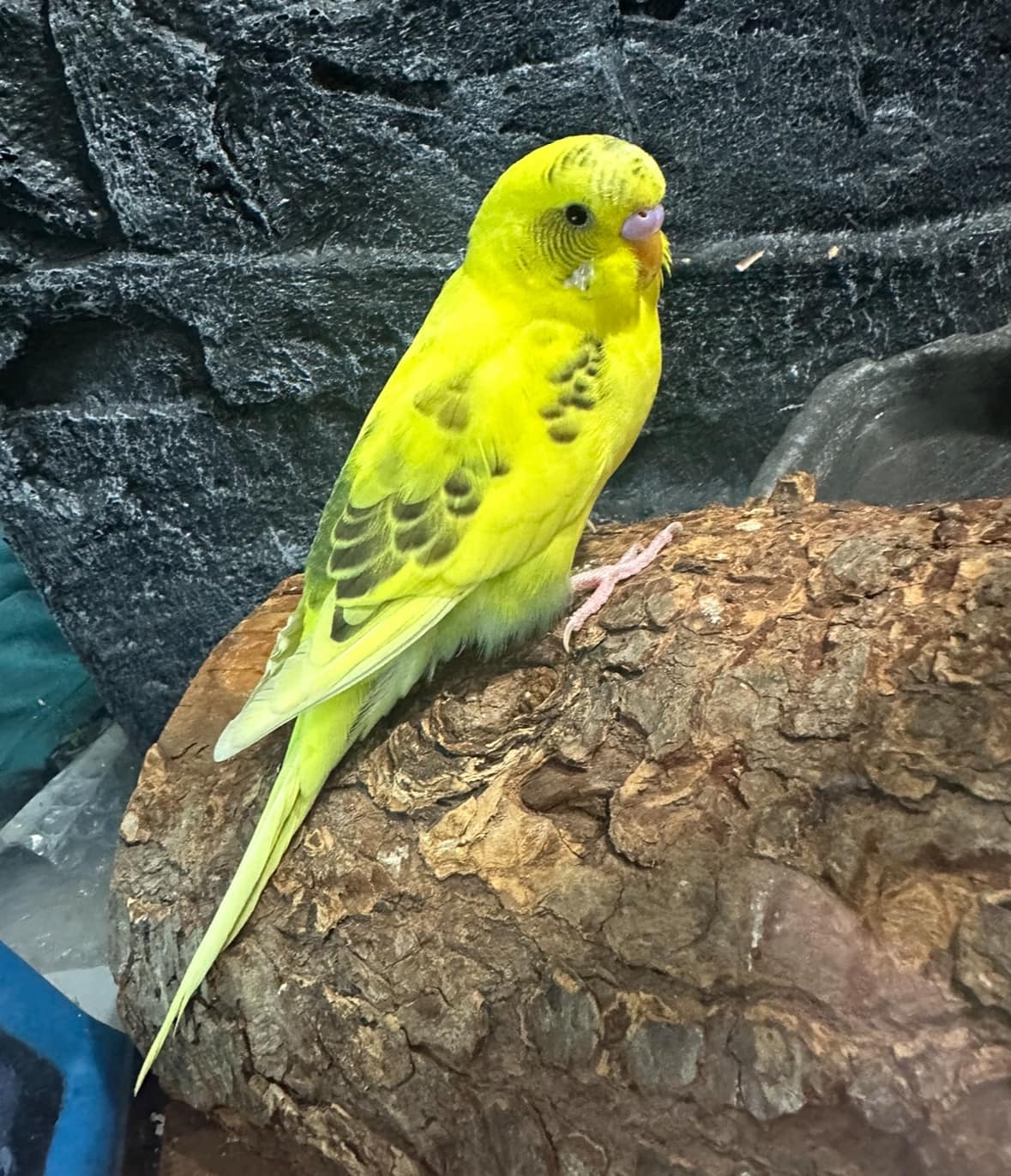
The lesson here is not that you should have been a vet. The lesson is that the subtle signs — the extra sleeping, the quieter mornings, the slightly fluffed feathers — were the window for intervention. If those had been caught and acted on, there would have been time.
2. Liver Disease From Long-Term Poor Diet
This is the one I find hardest to talk about, because it is so preventable and so common. A budgie that has been on a seed-only diet for years is developing liver disease slowly and silently. The bird can look perfectly normal for a long time. Then, often with very little warning, the liver can no longer cope and the bird deteriorates rapidly.
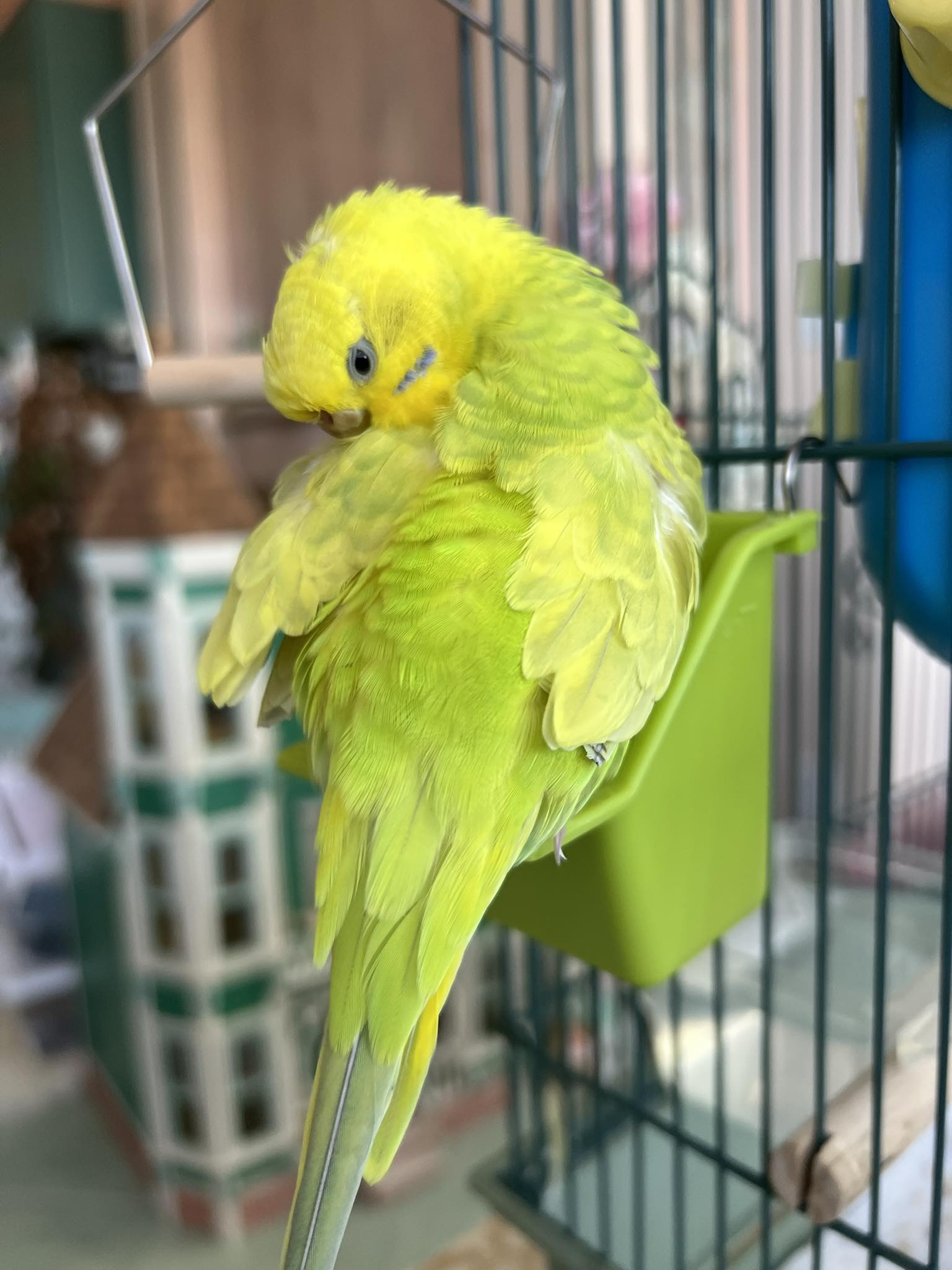
I have written about the seed-only diet problem in detail in our article on the 5 mistakes UK budgie owners still make. If you are still feeding seed only, please read it. The diet is the single most fixable thing in a budgie’s life, and it is the one owners most consistently get wrong because the bag of seed says it is sufficient.
It is not sufficient. It has never been sufficient. And the birds pay the price for it, usually after several years of quiet damage that the owner never sees coming.
3. Egg Binding in Female Budgies
This one is worth knowing about specifically if you have a female budgie. Egg binding — when a hen cannot pass an egg — is a life-threatening emergency that can kill a bird within hours. It is more common than people realise, particularly in females that have been exposed to triggers for hormonal behaviour such as long light hours, mirrors, or nesting material.
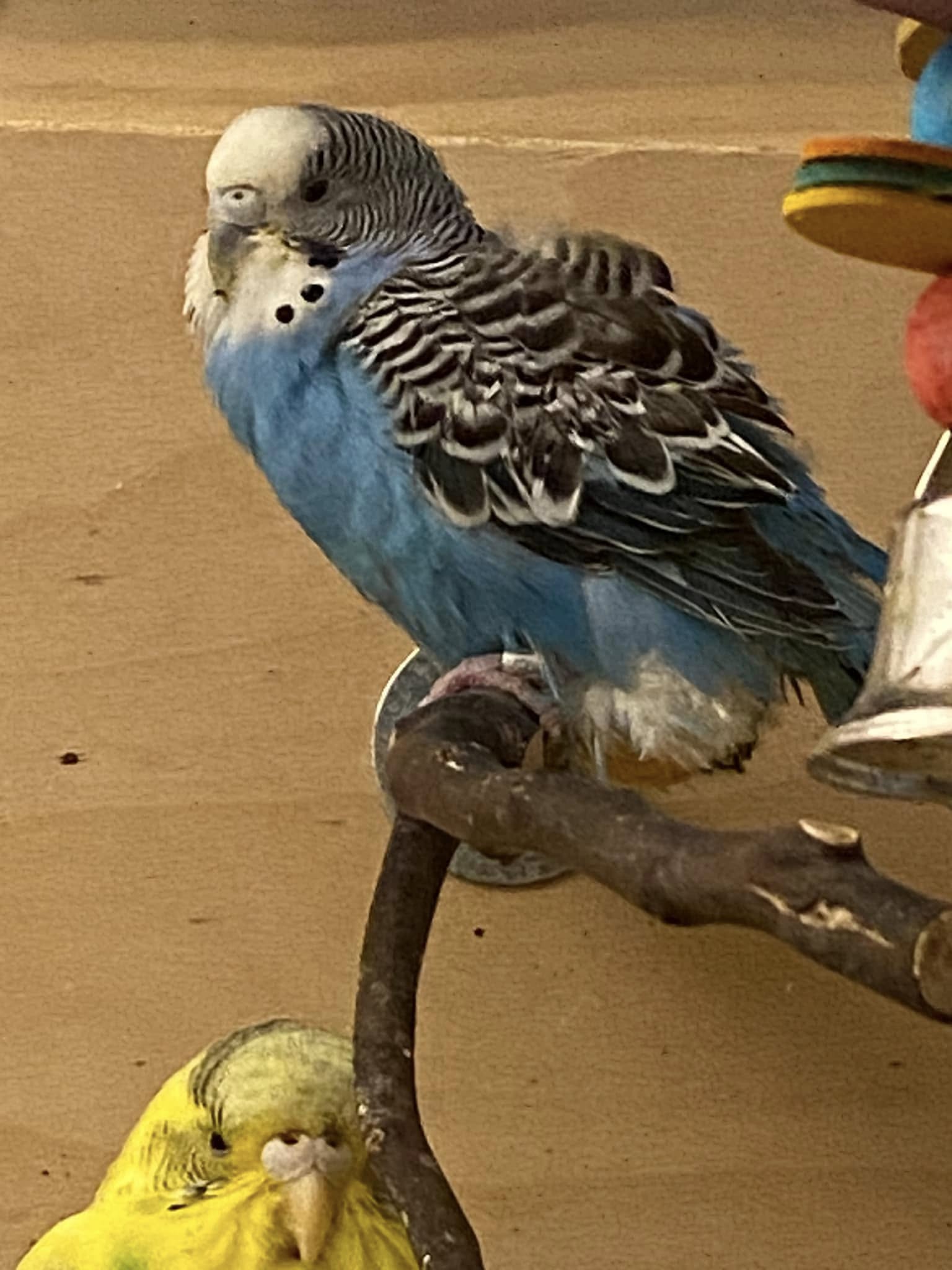
Signs of egg binding include the bird sitting very low or on the floor of the cage, a swollen or distended abdomen, straining, and loss of coordination. If you see these signs in a female budgie, it is a same-day emergency vet visit. Not tomorrow. Today.
4. Toxic Exposure
Budgies have extraordinarily sensitive respiratory systems. Substances that are harmless to humans can be lethal to a small bird, and the death can come very quickly — sometimes within minutes of exposure.
- Overheated non-stick cookware (PTFE) — the fumes released when non-stick pans overheat are odourless to humans and can kill a bird in the same room within minutes. This is one of the most common causes of sudden death I hear about.
- Scented candles, plug-in air fresheners, and reed diffusers — chronic exposure causes respiratory damage; high exposure can be acutely toxic.
- Aerosol sprays — cleaning products, deodorants, hairspray, furniture polish. Never use these in a room where a budgie is present.
- Self-cleaning oven cycles — release fumes that are lethal to birds. Always move the bird out of the house during a self-cleaning cycle.
- Cigarette and vape smoke — chronic exposure causes serious respiratory damage and significantly shortens lifespan.
- Carbon monoxide — a faulty boiler or gas appliance in the same room as a budgie can be fatal to the bird long before it affects the humans in the house.
If your budgie died very suddenly — within minutes or an hour — and was otherwise in apparently good health, toxic exposure is worth considering seriously. Think about what was happening in the house in the hours before.
5. Night Fright
This one is less well known but worth understanding. Budgies can experience sudden panic at night — triggered by a noise, a passing car’s headlights, a shadow, a moth hitting the window. The bird thrashes around the cage in the dark, can injure itself badly, and in some cases the shock alone can be fatal — particularly in older birds or birds that were already slightly unwell.
Signs that night fright has occurred include feathers on the cage floor in the morning, the bird in an unusual position, or obvious distress when you come down in the morning.
The fix is a very low nightlight near the cage — just enough that if the bird wakes, it can see where it is and calm itself. It sounds simple. It works.
What To Do If Your Budgie Is Showing Warning Signs Right Now
If you are reading this because something feels off about your bird today — stop reading and act. Do not finish this article first. Do not wait until tomorrow to see if it improves.
Here is exactly what I would tell you to do.
- Look at the bird properly. Is it upright or sitting low? Feathers flat or fluffed? Eyes open and alert or half closed? Tail still or bobbing? This takes thirty seconds and tells you a great deal.
- Check the droppings. Tip the cage paper and look. Normal is small, dark green, white centre, small clear liquid. Anything else is a flag.
- Check the food bowl properly. Tip out the contents — not just look at it. A bowl full of husks looks full but is empty. A bird that has genuinely not been eating is a bird in trouble.
- Take a short video on your phone. Even thirty seconds of the bird sitting on its perch. This is invaluable for a vet or for me at the shop — we can often see things in a video that are hard to describe in words.
- Call an avian vet or come into the shop. If you are seeing two or more warning signs, or anything that feels wrong in your gut — do not wait. Get advice today.
I would rather you came in and I told you the bird is fine than have you wait three days and come in when it is too late. I mean that. The advice here is free, and it takes five minutes.
How To Give Your Budgie The Best Possible Chance
Right. If you have got to this point in the article and your bird is still with you, here is the honest summary of what actually makes the difference between a budgie that lives a long, healthy life and one that does not.
| What To Do | Why It Matters | When To Start |
|---|---|---|
| Observe the bird every morning | Catches changes early, when they are still fixable | Today |
| Fix the diet — add pellets and fresh food | Prevents liver disease, the silent long-term killer | This week |
| Remove non-stick cookware from the kitchen | Eliminates one of the most common causes of sudden death | Today |
| Add a low nightlight near the cage | Prevents night fright injuries and shock | Tonight |
| Find an avian vet before you need one | When time matters, you do not want to be searching | This week |
| Act on warning signs the same day | The window for intervention in a small bird is very short | Every time |
If You Have Already Lost a Budgie — Please Read This
If you have come to this article because you have already lost a bird, I want to say something directly to you.
Grief for a small pet is real grief. I have watched people cry at this counter over budgies, and I have never once thought it was an overreaction. These birds become part of a household. They have personalities. They know your voice. Losing them hurts, and it is supposed to hurt.
The guilt is harder. Almost every owner asks some version of “could I have done something?” And the honest answer, as I said at the start, is sometimes yes — a sign was missed, a vet visit was delayed. But I want you to hear this clearly: you were not a bad owner. You did not know what you did not know. Nobody taught you what a budgie’s early warning signs look like. The pet shop where you bought the bird probably did not tell you. The internet is full of information but not always the right information in the right order.
You know now. And that is the thing that matters for the next bird, or for someone you know with a budgie who might benefit from reading this.
Related Articles Worth Reading
These are the articles I would recommend reading alongside this one — they cover the specific warning signs and causes in more detail.
Our guide on why your budgie sleeps too much covers the earliest and most commonly missed warning sign in detail — with exactly what to look for and when to act.
Our guide on why your budgie is not eating covers the food refusal signs that often appear in the days before a bird becomes seriously unwell.
Our article on the 5 mistakes UK budgie owners still make covers the diet and environment issues that are behind the majority of preventable budgie deaths in the UK.
Frequently Asked Questions
Why did my budgie die so suddenly with no warning?
In most cases, there were early warning signs — but they were subtle enough to miss. Budgies are hardwired to hide illness, which means by the time they look visibly unwell, they have often been unwell for several days. The most common early signs are sleeping slightly more, being quieter in the morning, briefly fluffed feathers, and slightly changed droppings. None of these are obvious on their own, which is why sudden death feels so unexpected.
Could my non-stick pan have killed my budgie?
Yes, this is entirely possible and more common than most people realise. When non-stick cookware overheats, it releases fumes that are odourless to humans but lethal to birds. The bird can die within minutes. If your budgie died suddenly and non-stick cookware was being used nearby, this is a very likely cause. Switch to stainless steel or cast iron cookware if you have birds in the house.
My budgie died overnight — what happened?
Two common causes are night fright and an illness that progressed rapidly during the night. Night fright is when a noise or light disturbance causes the bird to panic and thrash around the cage in the dark — the shock and injury can be fatal, especially in older birds. If you found the bird in an unusual position or saw feathers scattered, night fright is worth considering. A low nightlight near the cage can prevent this in future.
How long does it take for a budgie to die from illness?
This depends entirely on the illness. A respiratory infection can progress from subtle symptoms to critical condition in 48 to 72 hours. Egg binding can be fatal within hours. Liver disease develops silently over months or years before the bird collapses. This is why acting on even subtle warning signs the same day you notice them is so important — the window for intervention can be very short.
Should I get another budgie after losing one?
There is no right answer to this, and I would never pressure anyone either way. Some owners find it helps to have a bird in the house again — it gives them something to care for and focus on. Others need time. What I do say is this — if you do get another bird, use what you have learned. The knowledge you have now about warning signs and proper care will make you a better, more attentive owner than you were before. That is not nothing. That matters for the next bird’s life.
Where can I get honest budgie advice in Swindon?
Come and see us at Paradise Pets, Manor Garden Centre, Cheney Manor, Swindon SN2 2QJ. Or give us a ring on 01793 512400. The advice is free and I have been doing this for nearly 40 years.
Worried About Your Budgie? Come And See Me
Bring your bird, bring a video, or just bring your questions. I will have a proper look and tell you honestly what I think. Free advice, no obligation. That is how we have done things for nearly 40 years.