
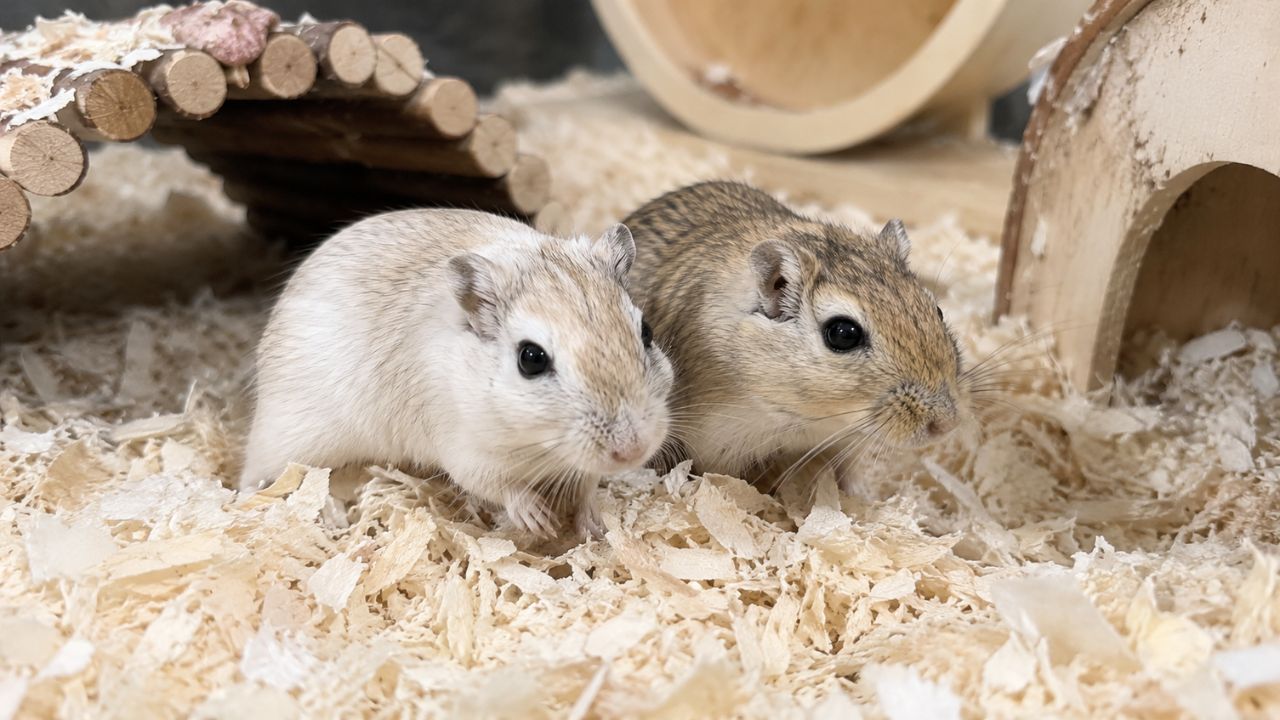

Neil has been keeping, breeding, and selling gerbils at Paradise Pets Swindon since 1988 — over 35 years of daily first-hand experience with these animals and the owners who keep them. In that time, he has watched gerbils thrive for five years in the right hands, and seen them decline at two or three in the wrong conditions — almost always through avoidable mistakes that owners never knew they were making. This is his honest guide to gerbil lifespan, what is actually possible, and what makes the difference between a gerbil that reaches its potential and one that does not.
A father came in with his two children — a boy and a girl, both primary school age — about three years ago. They had just lost their gerbil. It had lived for a little under two years. The boy was quietly upset about it in the way that children often are, and the father was asking the question that most parents ask in that situation: was two years normal? Had they done something wrong? Should they expect the same thing to happen with the next one?
I asked a few questions. What had they fed it? Seed mix from the pet shop. Had they given it anything else? Occasional sunflower seeds as treats. What was the bedding like? The shredded paper that had come with the cage kit. Had there been a second gerbil? No — they had bought one because the children had wanted one each but the shop had only had singles.
By the end of those four questions I had a reasonable picture of what had probably happened. Not dramatic neglect. Not cruelty. A well-intentioned family following the advice available to them, which was incomplete in several key areas, and an animal that had lived a shorter life than it needed to as a result.
The honest answer to the father’s question was: no, two years is not normal for a well-kept gerbil. But it is common. And the gap between what is common and what is possible is almost entirely explained by a small number of things that most gerbil owners never get told clearly enough, early enough.
The Honest Numbers — What Gerbil Lifespan Actually Looks Like
Let me give you the clear picture first, because most owners genuinely do not know what is possible and cannot assess whether their animal is thriving or simply surviving.
The Mongolian gerbil — which is the species almost universally kept as a pet in the UK — lives approximately 1 to 3 years in the wild. Its natural environment is the semi-arid grasslands of Mongolia and northern China. Predators, temperature extremes, food scarcity, and physical demands of wild life all contribute to a relatively short natural lifespan.
In good captive conditions, those pressures are removed. The animal has consistent food, water, shelter, and safety. There is no biological reason it should live only as long as its wild counterpart. And in genuinely good captive conditions, it does not.
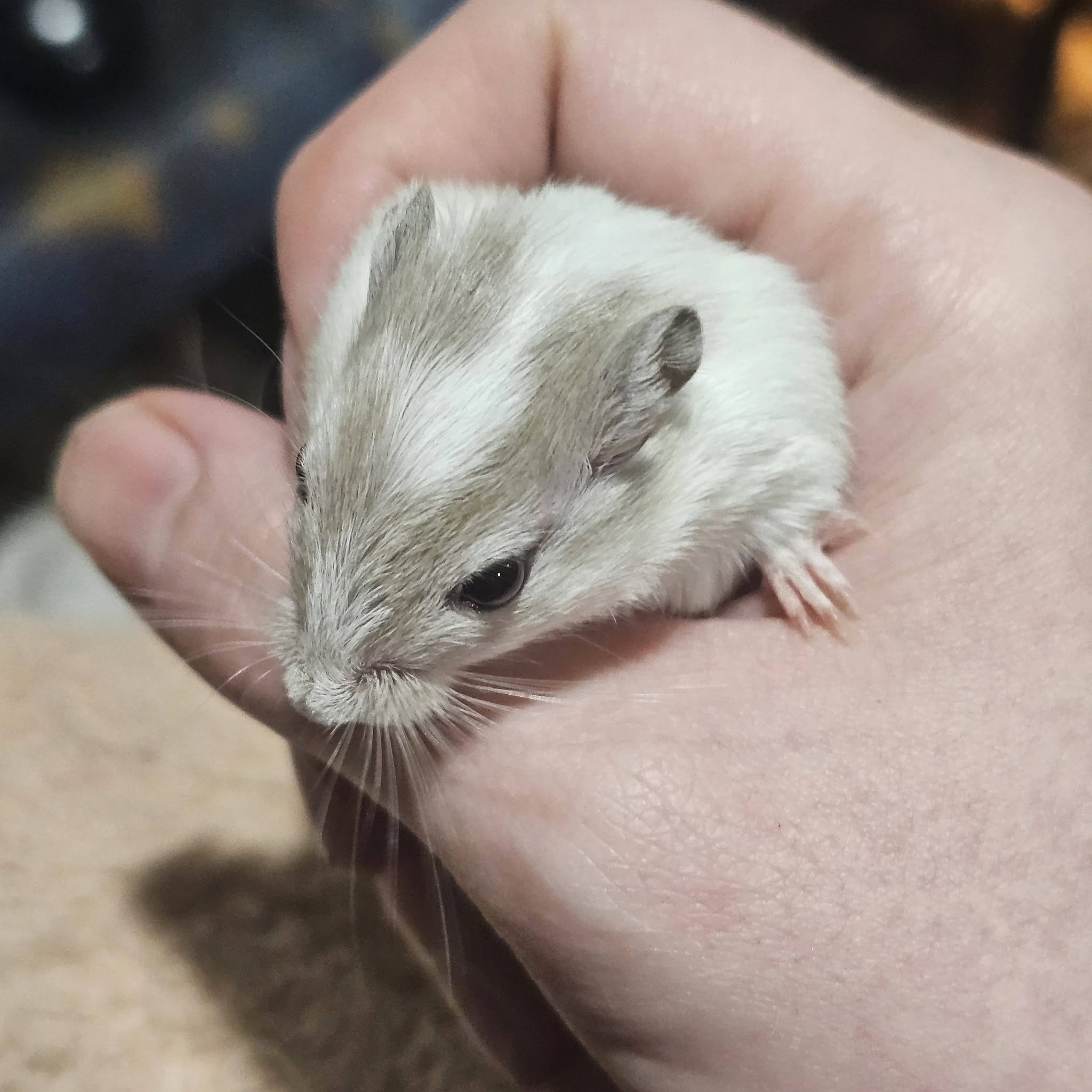
The pattern should look familiar. I see it with budgies, with guinea pigs, with hamsters. UK captive animals routinely living only as long as their wild counterparts, despite the protection captivity provides, because the care they receive does not compensate for what captivity also removes — natural foraging variety, physical challenge, appropriate social environment, and the dietary complexity that wild animals obtain automatically.
Understanding this is the starting point for understanding what you can change.
Why Gerbils Die Earlier Than They Should — The Honest Explanation
The gerbil has a reputation as a simple, low-maintenance pet. That reputation is not entirely wrong — gerbils are considerably less demanding than rats or larger rodents, they are clean by small animal standards, and they are genuinely entertaining to watch. But simple and low-maintenance has been interpreted by most of the UK pet industry as meaning almost anything goes, and that interpretation has consequences that show up in lifespan.
The specific problem is this. Gerbils are adaptable animals. They will survive — for a while — on an inadequate diet, in insufficient space, without appropriate company, in conditions that do not meet their needs. They will not complain visibly. They will go about their lives in a way that looks normal to an owner who has never seen a genuinely thriving gerbil. And the consequences of inadequate care will accumulate silently over months, producing an animal that reaches two years rather than four without any obvious moment where things went wrong.
This adaptability is simultaneously what makes gerbils resilient and what makes their welfare easy to underestimate. An animal that survives poor conditions for two years has not been adequately cared for. It has been cared for just enough to survive, which is not the same thing.
The 5 Things That Shorten A Gerbil’s Life
These are the most consistent causes of shortened lifespan in UK pet gerbils, in order of how often I see them. None of them is dramatic. All of them are avoidable.
1. Being Kept Alone
This is the single most consistently important factor in gerbil lifespan and welfare, and the one most owners either do not know about or discount because it does not seem urgent.
Gerbils are among the most socially dependent small animals commonly kept in the UK. In the wild they live in family groups — cohesive social units that forage together, sleep together, groom each other, and maintain constant social contact. The neurological and physiological effects of this social structure run deep. A gerbil kept singly is not a gerbil experiencing a mild preference unfulfilled. It is a gerbil experiencing chronic social deprivation — a physiological state that has measurable consequences for immune function, stress hormone levels, behavioural health, and ultimately lifespan.
The family that came in three years ago had one gerbil. Their animal had lived less than two years. Whether single-keeping was the primary factor I cannot say with certainty — but the combination of a seed-only diet and solitary housing is one I have seen produce short lifespans consistently across 35 years.
- Gerbils should always be kept in pairs or small groups — not as a preference, as a welfare requirement; single keeping is now considered inadequate by most small animal welfare organisations
- Same-sex pairs avoid unwanted breeding — two males or two females from the same litter, introduced young, is the most reliable setup; introducing adult gerbils to each other requires a careful introduction process
- A bonded pair is not harder to keep than a single gerbil — in most respects it is easier; paired gerbils entertain each other, are less demanding of human interaction, and are measurably calmer and healthier
- If one of a pair dies — introducing a new companion requires care; adult gerbils can be territorial with strangers; the split cage method of gradual introduction is the safest approach
2. A Seed-Only Or Nutritionally Narrow Diet
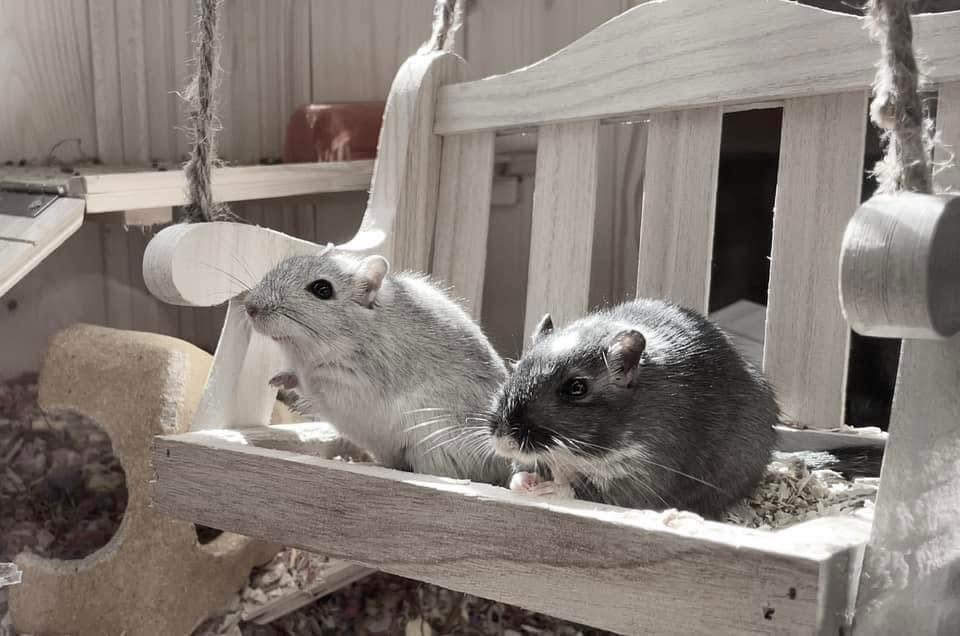
The second most consistent factor, and one that applies across almost every small animal species I sell. The seed mixes sold as complete gerbil diets are not complete. They are nutritionally adequate for survival — which is not the same as nutritionally adequate for a long, healthy life.
- Quality pellets or block food as the dietary base — a good quality extruded pellet or feeding block designed for gerbils provides balanced nutrition that seed mixes cannot; the gerbil cannot selectively eat only the high-fat seeds from a mix, which is what most of them do given the choice
- Fresh vegetables in small quantities regularly — broccoli, kale, carrot in small pieces, cucumber; gerbils are from an arid environment and do not need or tolerate large quantities of moisture-rich food, but small regular amounts of fresh vegetable variety add meaningful nutritional breadth
- Protein sources — mealworms occasionally; small pieces of hard-boiled egg; gerbils in the wild eat insects and are not purely herbivorous; occasional protein supports coat condition and general health
- Avoid high-sugar foods — fruit in excess, sweet treats, honey drops marketed as gerbil treats; gerbils are susceptible to insulin dysregulation and high-sugar diets contribute to health problems over time
- Fresh water always available — gerbils drink less than many small animals due to their arid origins, but fresh water must always be present; water bottles should be checked daily for blockages
- Sunflower seeds as a very occasional treat, not a dietary staple — high in fat; most gerbils will eat them in preference to everything else if given free access; limit to a few seeds as occasional enrichment
3. Insufficient Space And Burrowing Opportunity
This is the factor most owners have never considered and that surprises them most when I raise it.
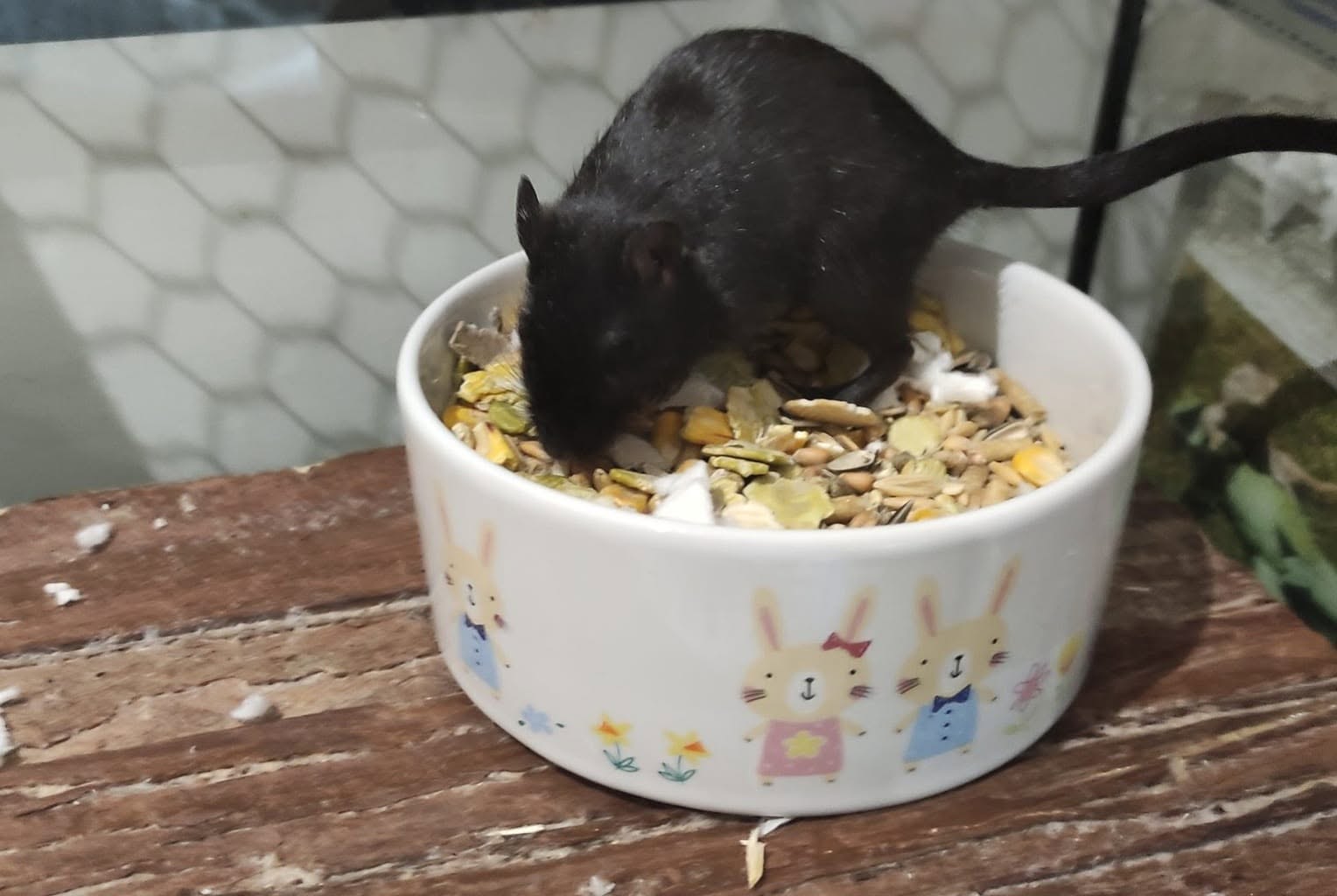
Gerbils are burrowing animals. In the wild, they construct complex multi-chamber burrow systems that provide temperature regulation, predator protection, sleeping areas, and food storage. The drive to burrow is not a quirky behaviour — it is a fundamental part of what it means to be a gerbil, and denying it produces chronic frustration and stress that accumulates over the animal’s life.
Most commercially sold gerbil cages either do not accommodate burrowing at all, or provide a substrate depth that allows only superficial scratching rather than genuine burrowing.
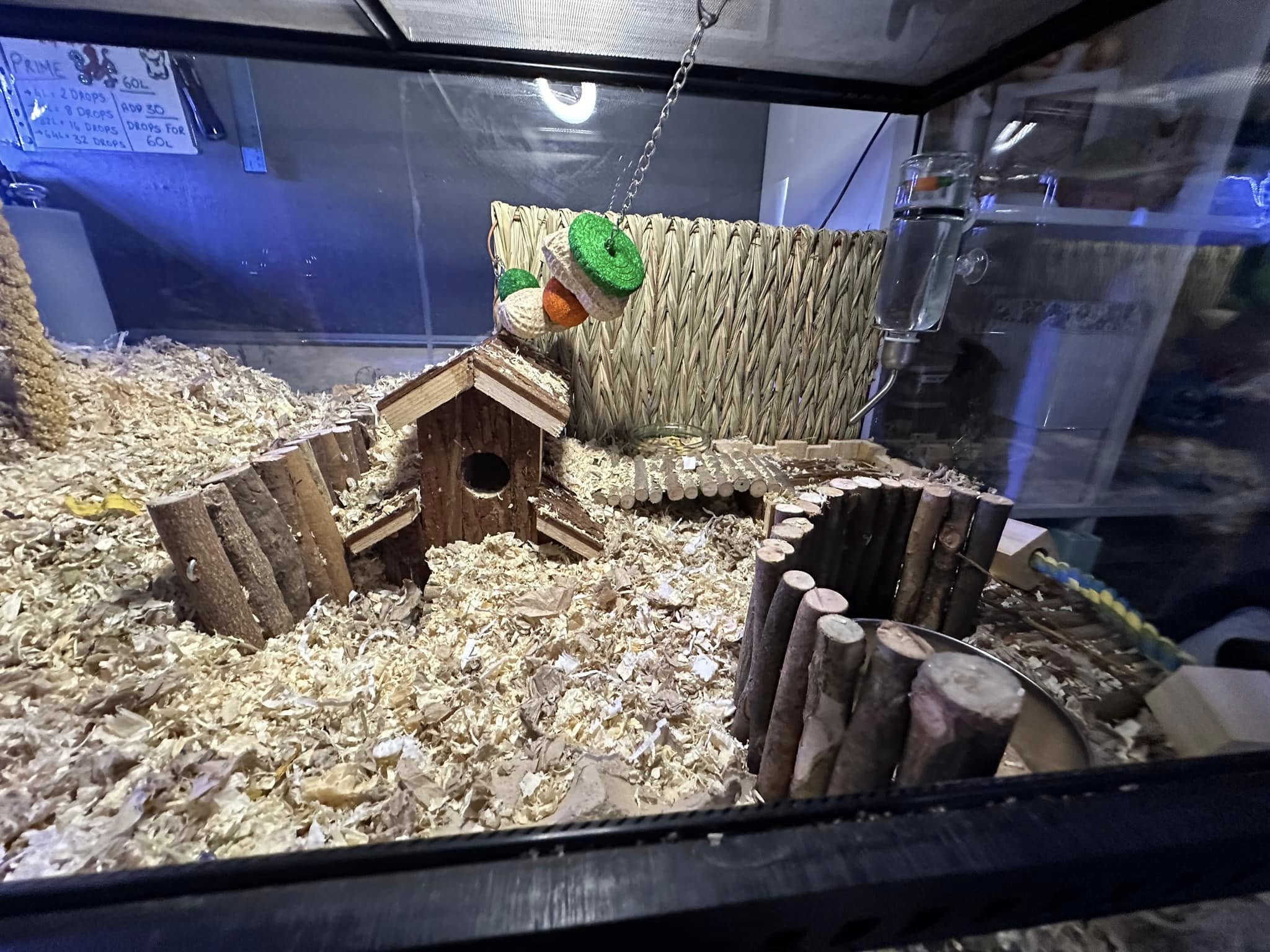
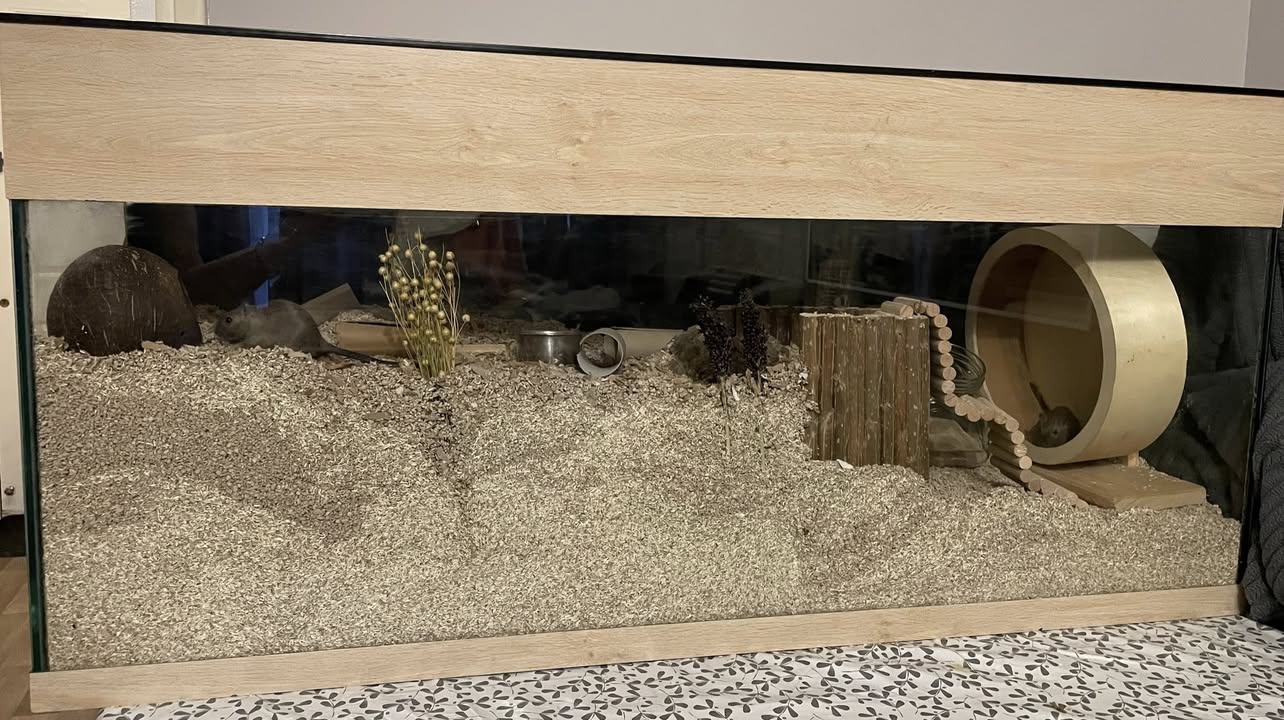
- Substrate depth matters more than cage footprint — gerbils need a minimum of 20 to 30cm of deep substrate to burrow meaningfully; most standard cages provide 5 to 10cm; the difference in behavioural expression and stress level is significant
- The right substrate — a mixture of dust-free bedding and hay works well; the hay adds structural integrity that allows tunnels to hold their shape; shredded paper alone collapses too easily to support meaningful burrowing
- A tank or deep-sided enclosure works better than a standard wire cage for burrowing — wire-floored cages prevent deep substrate entirely; a glass or plastic tank with a mesh lid allows the deep substrate gerbils need
- Floor space — a minimum of 70 by 40cm for a pair as a starting point; more is always better; gerbils are active and cover significant territory in their natural environment
- Stereotypic behaviours indicate insufficient environment — repetitive digging at a corner or glass wall, bar-chewing, repetitive pacing; these are stress responses to an environment that does not meet the animal’s needs; they are not personality quirks
4. The Wrong Environment — Temperature, Humidity, And Positioning
Gerbils are from an arid, continental climate — hot summers, cold winters, low humidity year-round. UK homes are generally too humid for their long-term respiratory health, and certain positions within UK homes make this significantly worse.
- Avoid damp rooms — bathrooms and rooms with consistently high humidity are poor choices for gerbil housing; respiratory problems are a common cause of early death in gerbils, and chronic humidity exposure is a consistent contributing factor
- Avoid direct sunlight — gerbils overheat quickly; a tank in direct sun can reach lethal temperatures within minutes on a warm day; position away from windows or ensure the enclosure is never in direct sun
- Consistent temperature between 18 and 24°C — significant temperature fluctuations stress the immune system over time; an enclosure in a draughty hall or near an external door experiences more temperature variation than one in a central, well-insulated room
- At a stable height, away from floor-level disturbance — dogs, cats, children running past at floor level; the chronic stress of perceived predator threat from nearby animals or activity reduces both quality of life and lifespan in a prey species
5. No Veterinary Care
The fifth factor, and the one that produces the same uncomfortable conversation I have about every small animal species I sell.
Gerbils are inexpensive. Vet bills are not. The economics of taking a small rodent to an exotic animal vet feel uncomfortable to most owners, and I understand that. But the pattern I have seen across 35 years is consistent — gerbils that receive any veterinary attention during their lives almost always outlive gerbils that do not, because the conditions that kill gerbils early are almost always treatable when caught before they become advanced.
- Annual check with a vet experienced in small exotic animals — not all small animal vets have strong gerbil knowledge; it is worth asking before registering
- Common conditions that benefit enormously from early detection — epileptiform seizures (a genetic condition in Mongolian gerbils that is manageable if identified), dental problems including overgrown incisors, Tyzzer’s disease, respiratory infections, and the tumours that older gerbils are prone to
- Act quickly when behaviour changes — a gerbil that has become less active, is eating less, has developed an unusual posture, or is showing any neurological signs needs vet attention within 24 to 48 hours; small rodents deteriorate quickly once illness progresses past the compensation point
- Seizures in gerbils — a notable specific point; Mongolian gerbils have a genetic predisposition to epileptiform seizures, typically first appearing in young animals aged 2 to 6 months; these range from mild hypnotic episodes to full convulsions; most gerbils with this condition live normal lives with appropriate management, but owners need to know it can happen and what to do when it does; vet advice is important
The Early Warning Signs Every UK Gerbil Owner Should Know
As with all small prey animals, gerbils hide illness effectively. By the time obvious signs appear, the condition has typically been developing for some time. These are the early signs worth knowing.
| Sign | What It May Indicate | What To Do |
|---|---|---|
| Reduced activity — less burrowing, less exploring | Early illness or pain; sometimes dental problems making eating difficult | Monitor closely; vet within 24–48 hours if persists |
| Weight loss — keel bone or spine becoming prominent | Systemic illness, dental problems preventing adequate eating, or internal tumour | Vet within 24 hours |
| Wet or stained nose, sneezing, laboured breathing | Respiratory infection — progresses quickly in small rodents | Vet within 24 hours |
| Overgrown or misaligned incisors | Dental malocclusion — common cause of weight loss and reduced eating | Vet for trimming; provide adequate gnawing material to prevent recurrence |
| Seizure or hypnotic episode | Epileptiform seizures — genetic; manageable but requires vet guidance | Do not handle during episode; vet advice for management |
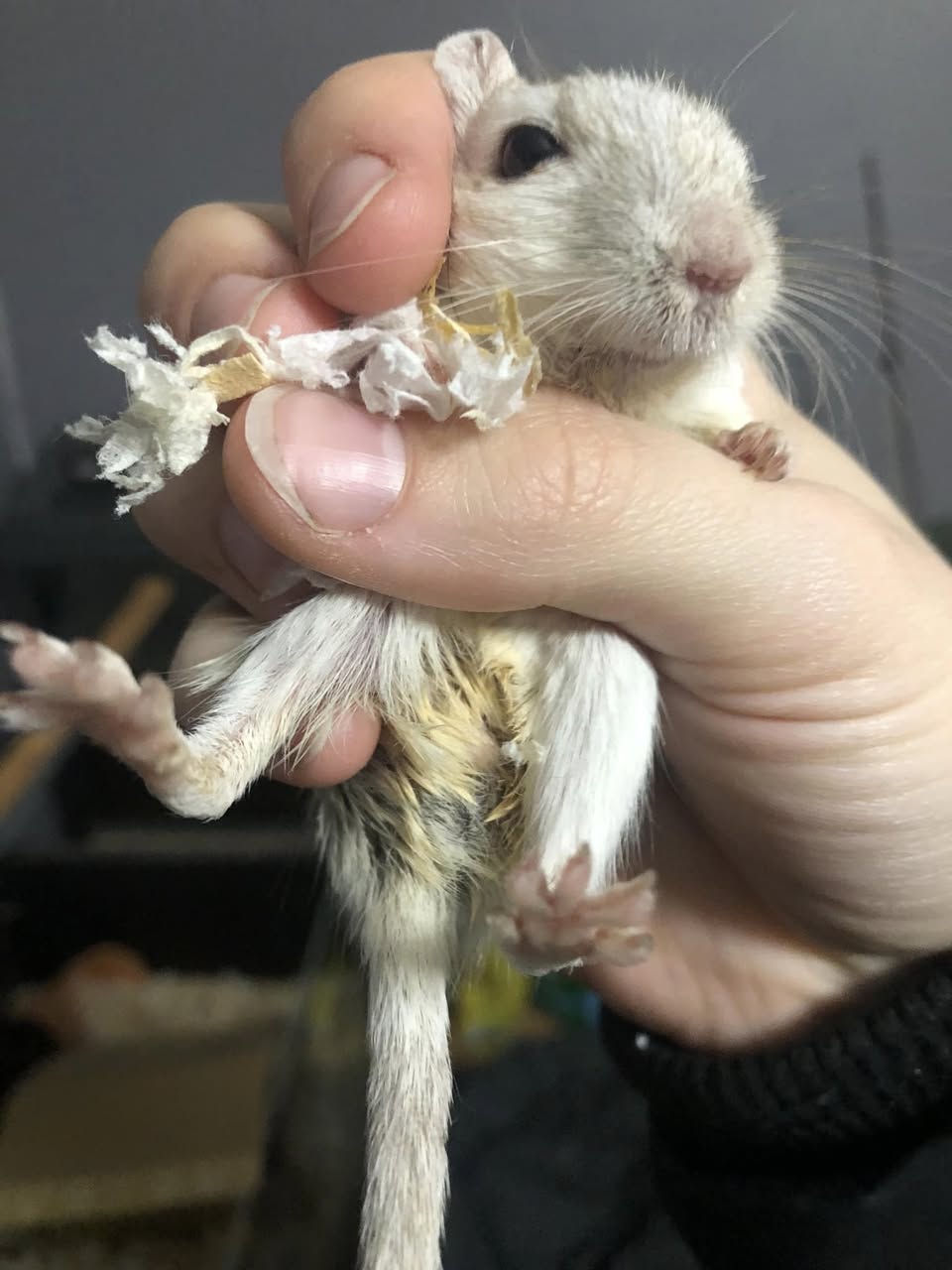
| Lump or swelling, particularly on the abdomen | Tumour — common in gerbils over two years old | Vet promptly; some are operable depending on location and size |
| Scent gland discolouration or enlargement | Scent gland tumour — the orange-yellow gland on the belly; common in older gerbils | Vet check; these can become malignant |
| Loss of fur in patches, scratching excessively | Mites, fungal infection, or nutritional deficiency | Vet for diagnosis; treatment depends on cause |
What A Long-Lived Gerbil’s Life Actually Looks Like
I want to make this concrete, because abstract advice is easier to follow when you can see clearly what following it produces.
The gerbils that reach four and five years in my experience are almost uniformly kept in the following conditions. None of it is extraordinary. All of it requires the right information applied consistently from the beginning.
- Kept as a bonded pair from the start — same-sex, ideally from the same litter, introduced when young
- A deep-substrate tank or enclosure — not a wire cage with shallow bedding; a setup that allows genuine burrowing behaviour
- A varied diet — quality pellets as the base, small amounts of fresh vegetable variety, occasional protein, fresh water daily; seed mix as a supplement rather than the entire diet
- A well-positioned enclosure — stable temperature, away from humidity, away from direct sun, away from persistent predator-adjacent stress
- An owner who knows the early warning signs — and acts on them promptly rather than waiting until something is obvious
- At least one vet check during the animal’s life — ideally annual, but even a single check in the first year establishes a baseline and catches anything that is developing quietly
A Note On Gerbil Lifespan And Children
I want to add this specifically because gerbils are very commonly bought as children’s pets, and the lifespan question has a particular dimension in that context that is worth addressing honestly.
A gerbil that lives two to three years is a relatively short emotional commitment compared to a dog or cat. For many families that is part of the appeal. But a gerbil that lives three to five years in good conditions gives children more time to develop a genuine relationship with the animal, more time to observe its behaviour and personality, and more time to develop the habits of attentive, responsible care that are among the genuinely valuable things a child can learn from keeping a pet.
The difference between a gerbil that lives two years and one that lives four is not just a quantitative difference in time. It is a qualitative difference in what the child’s experience of that animal amounts to. An animal that is thriving — active, engaged, clearly healthy — across four years is a different relationship from one that declines at two and leaves a child wondering what went wrong.
Getting the care right from the start serves both the animal and the child’s experience of keeping it.
Frequently Asked Questions
How long do gerbils live on average in the UK?
In practice, most UK pet gerbils live 2 to 3 years. This is roughly equivalent to wild lifespan — which, for a captive animal removed from predators and food scarcity, should not be the case. A gerbil in genuinely good conditions — appropriate company, varied diet, deep-substrate housing, stable environment, and at least some veterinary care — can live 3 to 5 years. The gap between the average and the achievable is almost entirely explained by care rather than genetics.
Is 2 years a normal age for a gerbil to die?
It is common, but it is not what good captive care produces. A gerbil dying at two has either been unlucky — which happens — or has been kept in conditions that did not support its full potential lifespan. The most common factors are single keeping, seed-only diet, insufficient burrowing substrate, and no veterinary attention for developing conditions. None of these is irreversible. Getting them right from the start changes the outcome meaningfully.
Do gerbils need to be kept in pairs?
Yes. This is not a preference — it is a welfare requirement for a species that is among the most socially dependent commonly-kept small animals in the UK. A single gerbil experiences genuine chronic social deprivation with measurable consequences for health and behaviour. Same-sex pairs from the same litter, introduced young, is the simplest and most reliable setup. Two females or two males both work well. An opposite-sex pair will breed prolifically unless one is neutered.
What is the best diet for a long-lived gerbil?
A quality extruded pellet or block as the dietary base — one formulated specifically for gerbils rather than a generic rodent mix — supplemented with small amounts of fresh vegetable variety several times a week, occasional protein such as a mealworm or small piece of hard-boiled egg, and fresh water always available. Seed mix can be offered as enrichment in small quantities. Sunflower seeds should be a rare treat, not a regular food. Avoid fruit in large quantities, sweet treats, and high-sugar foods.
Can gerbils have seizures?
Yes — Mongolian gerbils have a genetic predisposition to epileptiform seizures that is quite common in the species. The episodes typically first appear in animals between 2 and 6 months old and range from mild — the animal freezes, stares, or appears hypnotised for a few seconds — to more significant convulsions. Most gerbils with this condition live normal, healthy lives with appropriate management. If your gerbil has a seizure, do not handle it during the episode; keep the environment calm; and speak to a vet about management. The condition does not automatically mean a shortened life.
How do I know if my gerbil is getting old?
Signs of ageing in gerbils typically become apparent from around two to three years. They may become less active, sleep more, and slow down in their digging and exploration. The coat may become slightly less lustrous. They may eat less. These changes alone are not alarming — they are the normal progression of an ageing animal. What warrants attention is weight loss that becomes visible, lumps or swellings appearing particularly around the abdomen or scent gland area, breathing changes, or any sudden change in behaviour. Older gerbils benefit from slightly softer food options if dental condition declines.
Should I replace a gerbil that has died when it was kept in a pair?
This is a question I get asked regularly and there is no universally right answer. The surviving gerbil will often show signs of grief — reduced activity, less eating, searching behaviour. Introducing a new companion is possible but requires careful management; adult gerbils can be territorial with strangers and introductions need to be done gradually using the split cage method. Whether to attempt it depends on the age of the surviving animal, its temperament, and your willingness to manage a careful introduction. A very old gerbil may be more stressed by a new introduction than comforted by it. A younger surviving animal will often benefit significantly. Come in and talk it through if you are in this situation — there is no one-size answer.
Where can I get honest advice about my gerbil’s health in Swindon?
Come in to Paradise Pets at Manor Garden Centre, Cheney Manor Industrial Estate, Swindon SN2 2QJ — or call us on 01793 512400. We have been keeping and selling gerbils for 35 years and we are happy to talk through your specific animals, their setup, their diet, or anything that is concerning you. The advice is free and it is always honest.
One Last Thing From Me
The father and his two children came back about six weeks after that first visit. They had taken two young male gerbils from us — brothers from the same litter. They had a proper tank setup with deep substrate. The children had watched the burrowing with visible delight.
The boy — the one who had been quietly upset about the first gerbil — told me they had already named one of the tunnels. I did not ask which tunnel or what name. It seemed private in the way that children’s relationships with their animals sometimes are.
About two and a half years after that, the father rang to say both gerbils were still doing well. He mentioned it almost in passing — he had rung about something else entirely — but he wanted me to know.
“The kids are genuinely attached to them,” he said. “I think it helps that they’re actually thriving. The first one always seemed a bit… quiet. These two are different.”
That is the difference good care makes. Not just in years, though the years matter. In the quality of the relationship those years contain. An animal that is thriving — active, engaged, burrowing, interacting, doing what its species does — is a different experience for a child than one that is surviving. That difference is available to every gerbil owner who has the right information from the start.
You now have that information.
Questions About Your Gerbil’s Health or Setup? Come And See Me
Whether you are setting up for the first time, thinking about a companion for a single gerbil, or something about your animal’s behaviour or health is worrying you — come in or ring us. Honest advice, 35 years of experience, no obligation.
⭐ Customer Reviews
Amazing Bird Selection
Had a lovley visit today,staff were very friendly and very helpful,such a great petshop,their selection of birds is incredible,really impressed,thank so much to the staff at Paradise Pets

Friendly Helpful Staff
I have been coming to this place for years and they have a great stock of food for all types of pets. Have a great selection of small mammals and a lot of birds. Staff are friendly and helpful.

Great Quality Hutch
Bought a guinea pigs hutch and run combo, very happy with the service, the hutch was put in my car for me without even asking for help. The wood quality is very good, the instructions easy to follow and we are extremely happy with the fully built hutch. A good size for 2 guinea pigs

Response from Paradise Pets | Wiltshire
Thank you Melanie Latus Nice to provide services to you.
Best Bird Shop Around
It’s the best pet shop in and around Swindon. They always have an amazing selection of birds and all you need to keep them happy. I keep birds myself and the guys there are happy to answer questions and really know their stuff. I have seen budgies etc. in chain pet shops in the area looking really unhealthy and ill – I wouldn’t go anywhere else than Paradise Pets for animals.

Highly Recommended Bird Shop
I could not praise this shop enough. Really helped my Grandson buy his first bird and he’s loving it. Travelled from Somerset and was welcomed with open arms.

Great Shop with Competitive Prices
Great shop with amazing selection for small animals, hamsters, mice ect, highly recommend!
Also has a great selection for dogs & cats too & very competitive prices! 💖

