

Neil has kept, sold, and advised on cage and aviary birds at Paradise Pets Swindon since 1988 — over 35 years of direct experience with birds of every kind. The question about exotic parrots comes up more often than people might expect, and the answer is always the same. This is the full version of that answer — including the parts that most pet shops will not say out loud.
It comes up at least once a week. Someone walks in, looks around at the budgies and cockatiels and canaries, and then asks whether we stock African Greys. Or Amazons. Or Macaws. Or one of the other large exotic parrot species that tend to appear on social media looking extraordinary and making people want one.
The answer is no. We do not stock them. We have never stocked them. And every time someone asks, I give them the same answer — an honest one, not a sales pitch in disguise.
This is that answer in full.
What People Actually Mean When They Ask for a Parrot
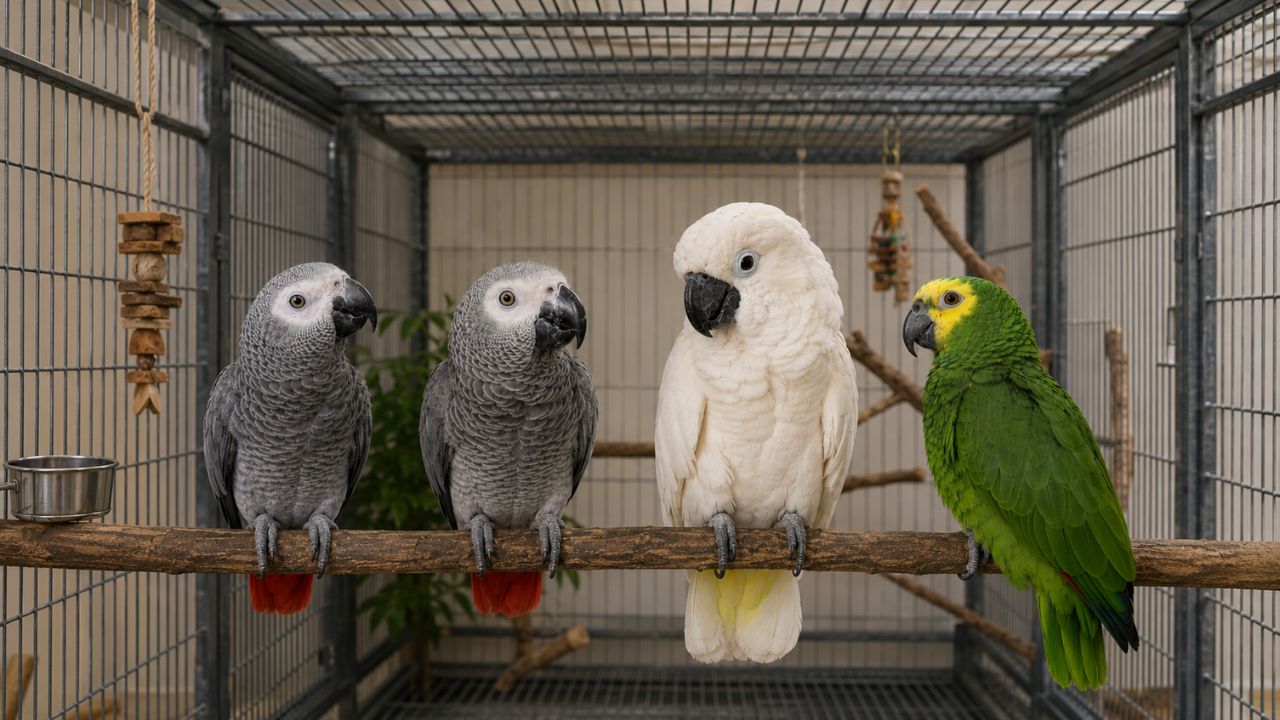
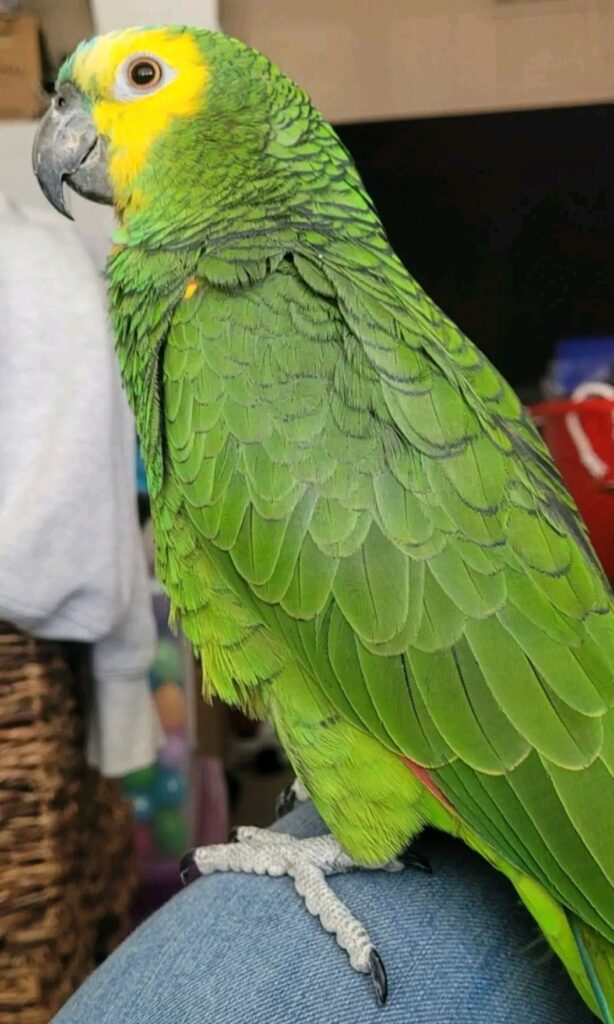
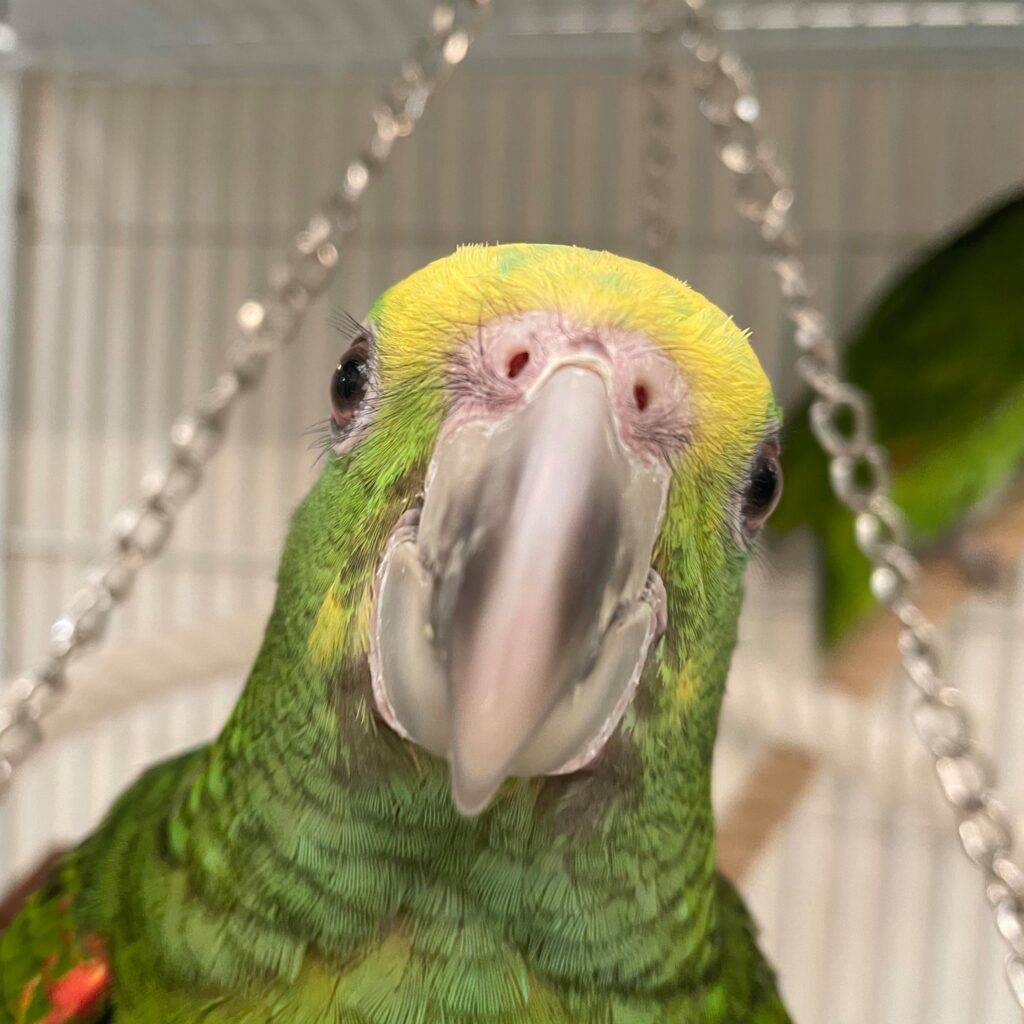
When someone asks at the counter whether we stock parrots, they usually mean one of the large, charismatic exotic species — African Greys, Blue-fronted Amazons, Macaws, Cockatoos, Eclectus parrots. Birds they have seen on YouTube being remarkably intelligent, talking in full sentences, performing tricks, forming deep bonds with their owners.
What they have usually not seen is the same bird three years into a home where the owner underestimated the commitment involved.
I am not being dismissive of people who want these birds. I understand the appeal completely — they are extraordinary animals. I am being honest about what the gap between expectation and reality looks like in practice, because I have seen that gap play out more times than I would like over thirty-five years.
The birds I do not stock are not stocked for specific reasons. Those reasons are worth understanding before you decide whether one of these birds is genuinely right for your situation.
The Welfare Reality of Large Exotic Parrots in UK Homes
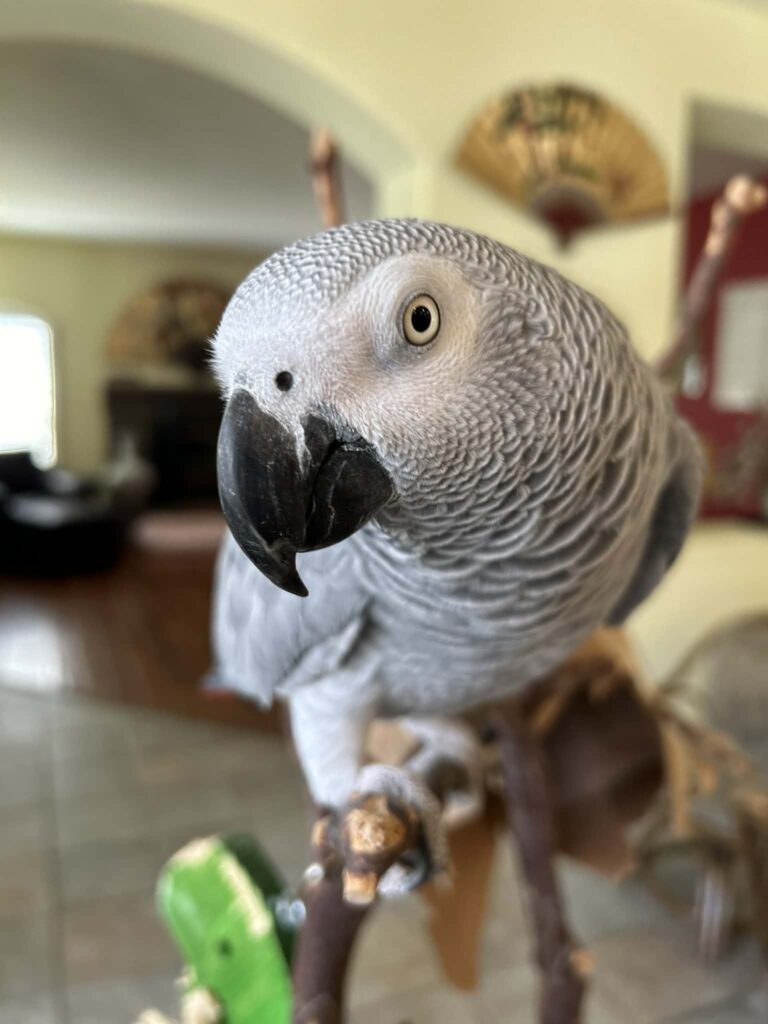
Large parrots — African Greys in particular, but also the larger Amazons, Macaws, and Cockatoos — are among the most cognitively complex animals kept as pets anywhere in the world. An African Grey has been compared, in terms of cognitive capacity and emotional sophistication, to a three to five year old child. That comparison is not flattering hyperbole. It is a reasonably accurate description of what you are taking on.
A three to five year old child requires constant engagement, consistent routine, social interaction, mental stimulation, and emotional security. Remove those things, and the child becomes distressed. A large parrot kept without adequate stimulation, without sufficient social interaction, without the environmental complexity it requires — does the same. The distress in a parrot manifests as feather destructive behaviour, screaming, aggression, self-mutilation, and psychological deterioration that in severe cases is genuinely difficult to reverse.
I have been asked to take in birds in this state. Birds that have been in a cage in a corner of a living room for years with insufficient interaction, whose feathers are destroyed, whose psychological state is profoundly abnormal. These are not rare extreme cases. They are the outcome of a predictable mismatch between what the bird needs and what the average household is able to provide.
That mismatch is not always the owner’s fault. Sometimes people take these birds on with genuinely good intentions and then find that their life circumstances — work, family, housing, time — are not compatible with what the animal actually requires. The problem is that by the time that becomes apparent, a bond has formed and rehoming is traumatic for everyone involved, including the bird.
Lifespan — The Part That Changes the Entire Conversation
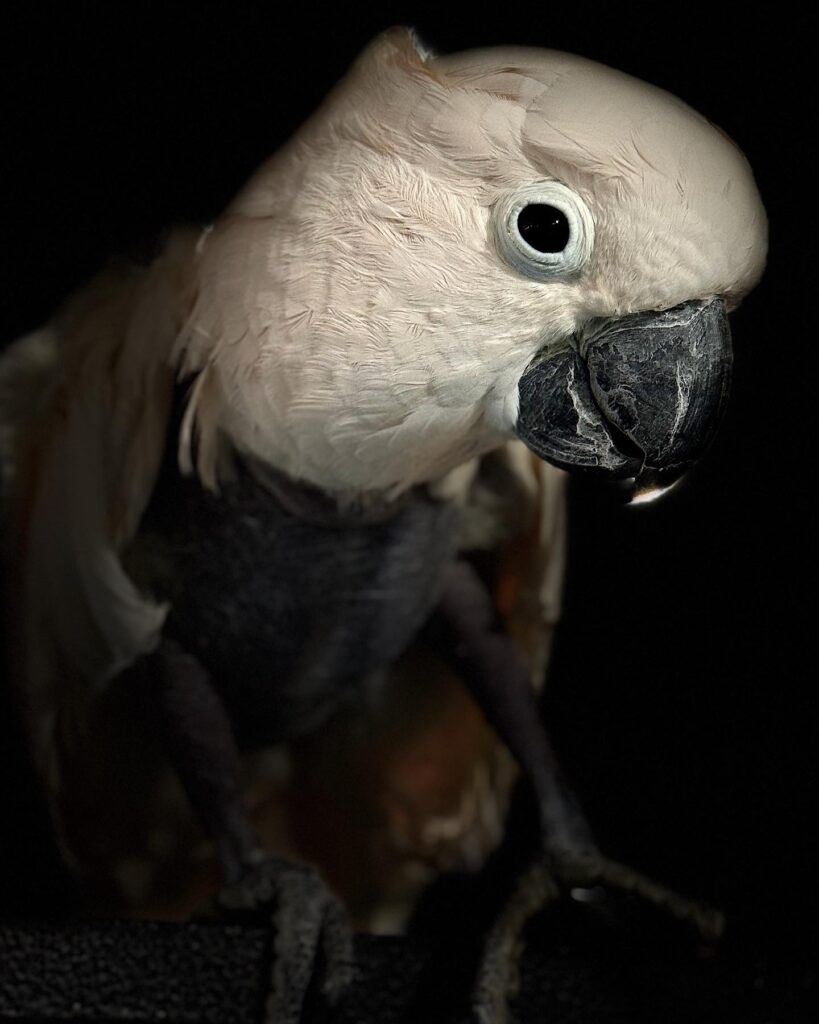
An African Grey parrot has a lifespan of fifty to seventy years in captivity. A Macaw can live eighty years or more.
I say this clearly because I find that when people ask about these birds, they have often not genuinely absorbed what that number means. It means the bird you buy at twenty-five may still be alive when you are in your eighties. It means the bird will outlive most of the circumstances you are currently imagining it fitting into — the flat, the relationship, the job, the available time. It means if you take this bird on, you are making a commitment that needs to be planned for in a will.
That is not a reason no one should ever keep a large parrot. It is a reason the decision needs to be made with the full weight of that reality considered, not set aside.
When someone comes in and asks about an African Grey in the same breath as asking about a cockatiel — as though the comparison is straightforward — the lifespan conversation is usually where the tone of the discussion changes.
The Import Question — Why Source Matters
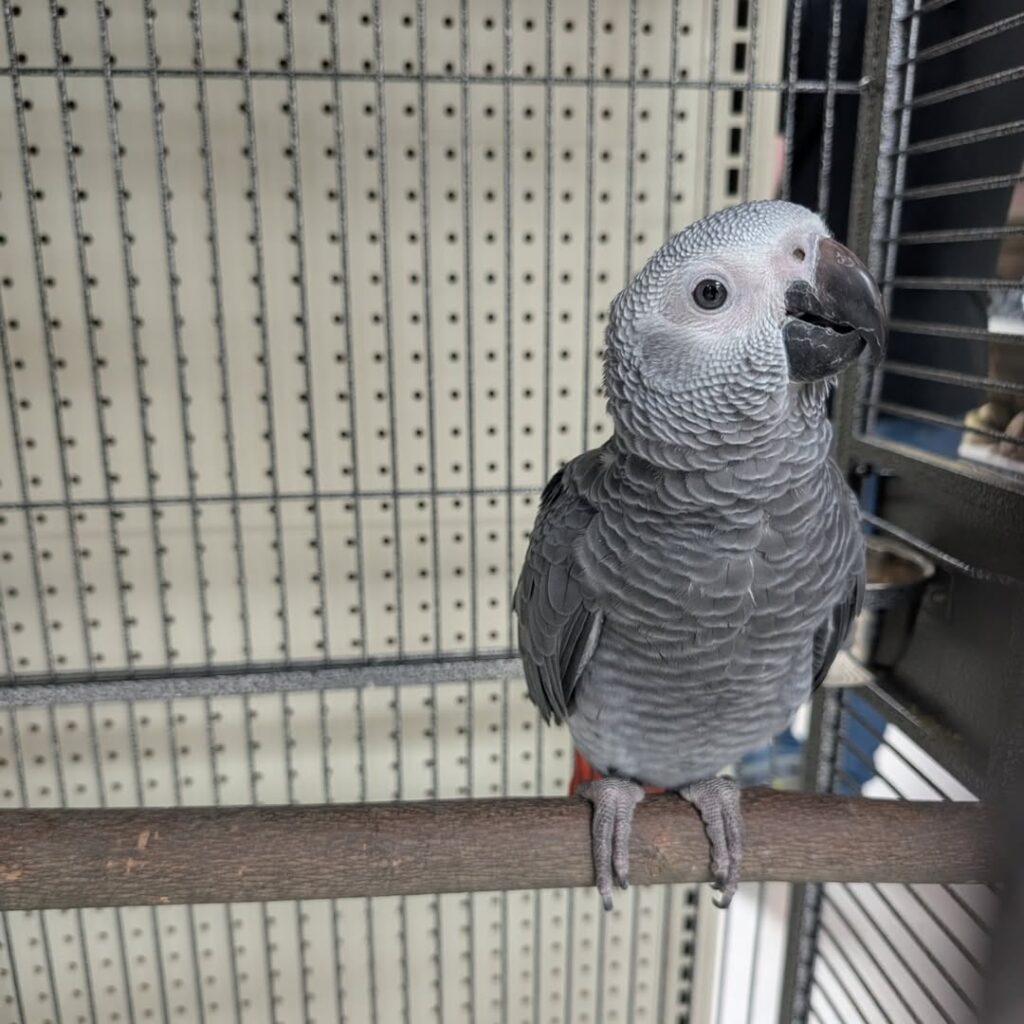
A proportion of exotic parrots available in the UK — particularly through less scrupulous sources — are wild-caught birds that have been imported through routes that are, at best, legally questionable and, at worst, part of a trade that causes serious damage to wild parrot populations in their countries of origin.
I have never imported an animal. I have written about why elsewhere on this site and my position on it has not changed. For exotic parrots specifically, the concern is acute. Wild-caught parrots have not been socialised to human contact from a young age. They are often profoundly stressed by captivity. They can carry diseases. They are significantly harder to tame and more likely to become aggressive, self-destructive, or psychologically disturbed in a domestic setting.
A captive-bred, hand-reared exotic parrot from a reputable UK breeder is a very different animal from a wild-caught import. If you are ever going to consider one of these species, the source needs to be verified and understood completely. A price that seems surprisingly low for the species is almost always a signal worth examining carefully.
What I Suggest Instead — And Why These Birds Are Not a Compromise
When someone comes in wanting the intelligence, the personality, the interaction, and the bond that draws people to large exotic parrots — I do not tell them they cannot have any of that. I tell them where they can get most of it without the specific welfare and commitment risks that make large exotics genuinely unsuitable for the majority of households.
A well-handled, well-socialised cockatiel is an intelligent, interactive, affectionate bird that will form a genuine bond with its owner. Cockatiels whistle, some learn to talk, they enjoy interaction, they are curious and characterful. They are also manageable in terms of noise, space, lifespan, and cost. A cockatiel is not a watered-down parrot. It is a genuinely excellent bird for the situation most people are actually in.
A budgerigar, handled from a young age and kept with appropriate interaction, can learn to talk — often more clearly than many larger parrot species. Budgies are often underestimated because they are so familiar and so widely available. The assumption is that common means unremarkable. That assumption is wrong.
Conures — particularly the Sun Conure and Green-cheeked Conure — sit between the small cage birds and the large exotics in terms of personality and requirements. They are genuinely characterful, interactive, and engaging birds that are manageable in a domestic setting for an owner who is prepared for their specific needs, including noise.
None of these are a consolation prize. They are birds with genuine character that suit the reality of most UK homes.
If You Have Already Made the Decision — What I Would Tell You
Some people come in having already decided they are getting an African Grey or a Macaw. The question is not whether but where from and how to set things up correctly.
If that is you, the most important things I would say are these.
Find a reputable UK breeder — not a dealer, not an import source, not someone selling at prices that suggest the bird’s origin is unclear. A hand-reared bird from a breeder who has socialised it from hatching is the only starting point that gives you a reasonable chance of a good outcome. Expect to wait. Expect to pay accordingly.
Find a specialist avian vet before you bring the bird home. Not a general practice that will occasionally see birds. A vet with genuine avian expertise, ideally one that is familiar with the specific species you are getting. These birds need specialist care when they need care — a vet who treats cats and dogs primarily is not the right resource for a sick African Grey.
Understand the housing requirements in full before you commit. The cage size appropriate for a large parrot is substantial. The enrichment requirements — foraging toys, chewable materials, varied perches, daily out-of-cage time — are ongoing and non-negotiable. Cutting corners on housing and enrichment is how these situations deteriorate.
Come and talk to us before you finalise anything. I am not going to sell you one of these birds, but I am genuinely happy to talk through what you are planning, point you toward reputable resources, and help you think through whether the specific bird and situation are likely to work.
What I Tell Everyone Who Asks
The conversation at the counter about exotic parrots almost always ends the same way. Once the lifespan is on the table, once the noise levels and the social requirements and the specialist care needs have been described honestly, once the welfare reality of these birds in average domestic settings has been explained — most people arrive at a different question.
Not “can I have one of these” but “what would actually suit my situation.”
That is the right question. And it is one I am always glad to help with.
Come and see us at Manor Garden Centre, Cheney Manor Industrial Estate, Swindon, SN2 2QJ — open every day. Or call on 01793 512400. If you want to talk through what bird would genuinely suit your household, that conversation is always worth having before any decision is made.
- “African Greys are the most intelligent pet you can own” — Intelligence in a pet is not straightforwardly a positive thing without the commitment to match it. An African Grey’s cognitive capacity means it needs substantially more mental engagement than most pets — and is capable of substantially more psychological damage when that engagement is absent. Intelligence in this context is a welfare requirement, not just an appealing trait.
- “I’ve done loads of research online so I know what’s involved” — Online research about these birds is heavily skewed toward the positive. The forums and videos show the exceptional bonds, the talking, the tricks. They do not adequately represent the feather-destructive birds, the screaming at 5am, the rehoming situations, the birds that have been in the same too-small cage for a decade. The people in those situations are less likely to be posting content about it.
- “It’ll be fine — I’m home most of the time” — Being home most of the time is a start, not a solution. A large parrot’s social and cognitive needs require active, engaged interaction — not simply proximity to a human who is in the same building. A bird whose owner is home all day but working at a desk is not a bird receiving adequate social engagement.
- “If it doesn’t work out I can always rehome it” — Rehoming a large parrot that has formed a bond with its owner is genuinely traumatic for the animal. These birds form deep attachments. Disrupting those attachments causes significant psychological distress that can take years to partially resolve in a new home — if it resolves at all. Rehoming should not be treated as a fallback option when the decision is being made.
- “The pet shop near me has them so they must be fine to keep” — A shop stocking something is not evidence that the thing is appropriate for the average buyer. It is evidence that the shop has judged there is demand. Those are different things. I have made a considered decision not to stock these birds. That decision is based on what I have seen happen when the match between bird and household is not right — not on the existence of demand for them.
- You want intelligence, talking ability, and genuine interaction — household with adults, stable routine, good amount of time available.
An African Grey from a reputable UK hand-rearer is the pinnacle of what is possible — but go in with full understanding of lifespan, noise, specialist care, and social requirements. Talk to experienced keepers before committing. - You want personality and interaction — family household, children involved, normal domestic noise levels, moderate time available.
Cockatiel. Genuinely interactive, characterful, manageable noise level, suitable lifespan. Not a compromise — the right bird for this situation. - You want talking ability specifically — modest space, first bird, reasonable time but not exceptional availability.
A well-sourced budgerigar, hand-tamed from young. Often overlooked for talking ability. Frequently better at clear speech than much larger species. Manageable in almost every domestic situation. - You want something between a cockatiel and a large parrot — more personality, more noise, more engagement, prepared for the additional requirement.
Green-cheeked Conure or similar mid-sized conure. Characterful, interactive, manageable for a prepared owner. More demanding than a cockatiel but a realistic step up rather than a leap into large-exotic territory. - You want a large parrot and you are genuinely prepared — stable long-term housing, specialist vet identified, reputable breeder sourced, lifespan planned for.
Come and talk to us first. We will not sell you one, but we will help you think through the decision and point you toward the right resources. Better that conversation happens before the purchase than after it.
Visit Us at Paradise Pets Swindon
We stock budgerigars, cockatiels, canaries, and a range of cage and aviary birds year-round — all UK-sourced, all kept and handled correctly before they go to a new home. If you want to talk through what bird would genuinely suit your situation, come in. That conversation costs nothing and is always worth having before a decision is made.
We also stock a full range of gerbils and hamsters, guinea pigs, rabbits, and an extensive selection of cage and aviary birds.