
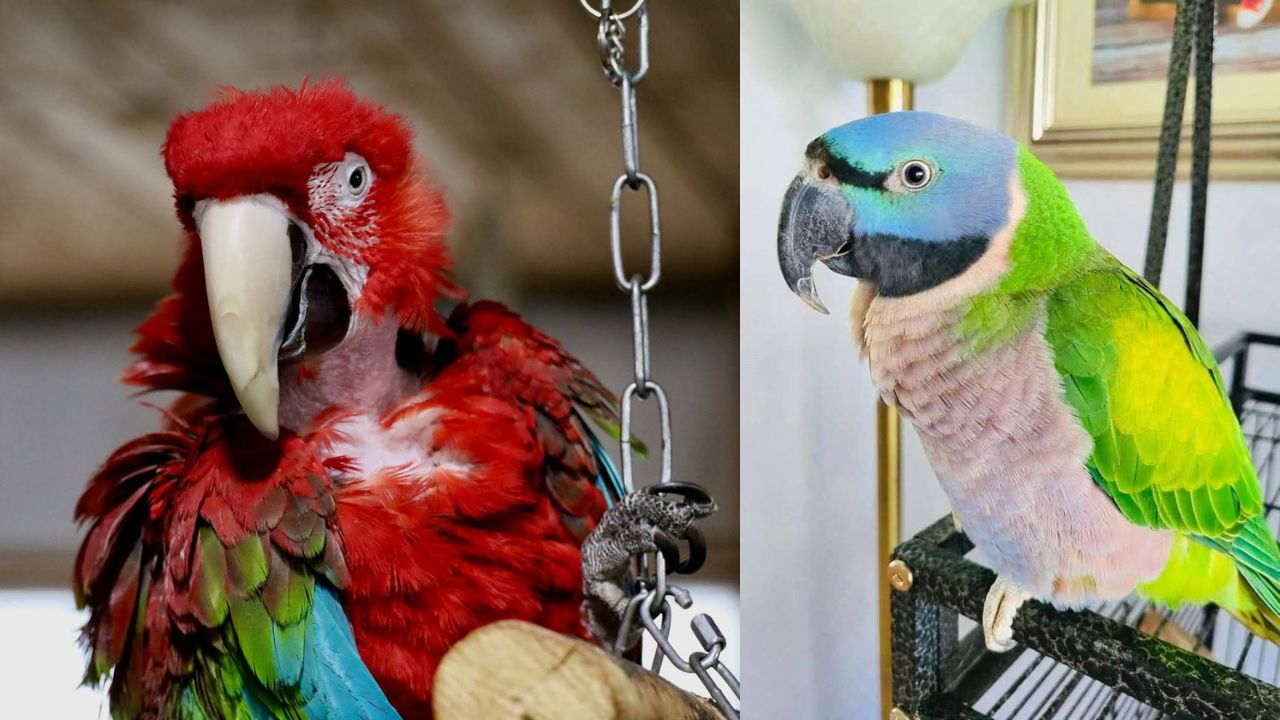

Neil has kept, bred, and sold cage and aviary birds at Paradise Pets Swindon since 1988 — over 35 years of watching what happens when a bird outlives an owner’s patience, circumstances, or finances. Recent reporting from UK welfare charities has put numbers and named cases behind a problem he has watched building for years. This is what the evidence actually shows, why it has got worse, and what I think genuinely needs to change.
I want to start with something a welfare officer for one of the UK’s parrot rescue charities said recently, because it has stuck with me. African grey parrots and cockatiels are the most rehomed birds, she said, and her charity has birds coming in all the time — we are full to the brim. That is not a one-off comment from one overstretched volunteer. It reflects a pattern that has been building across multiple UK parrot welfare organisations, and it is worth taking seriously rather than treating as an isolated story.
The broader UK pet welfare picture this year is genuinely concerning. Blue Cross has reported a staggering 122 per cent increase in dogs and an 80 per cent rise in cats arriving at its rehoming centres, driven overwhelmingly by the rising cost of living and the costs of caring for pets and veterinary fees. Parrots sit within that same pressure, but with a specific complication that dogs and cats do not generally share — many of them are expected to live for decades, which means the gap between what an owner signed up for and what they end up living with can take years to fully reveal itself.
The Specific Trigger — What Happened to Pandemic-Bought Parrots
One identifiable thread running through a lot of current parrot welfare concern traces directly back to a specific period: the Covid-19 lockdowns, when a great many people had time on their hands in a way that does not happen often, and a number of them used that time to buy a parrot.
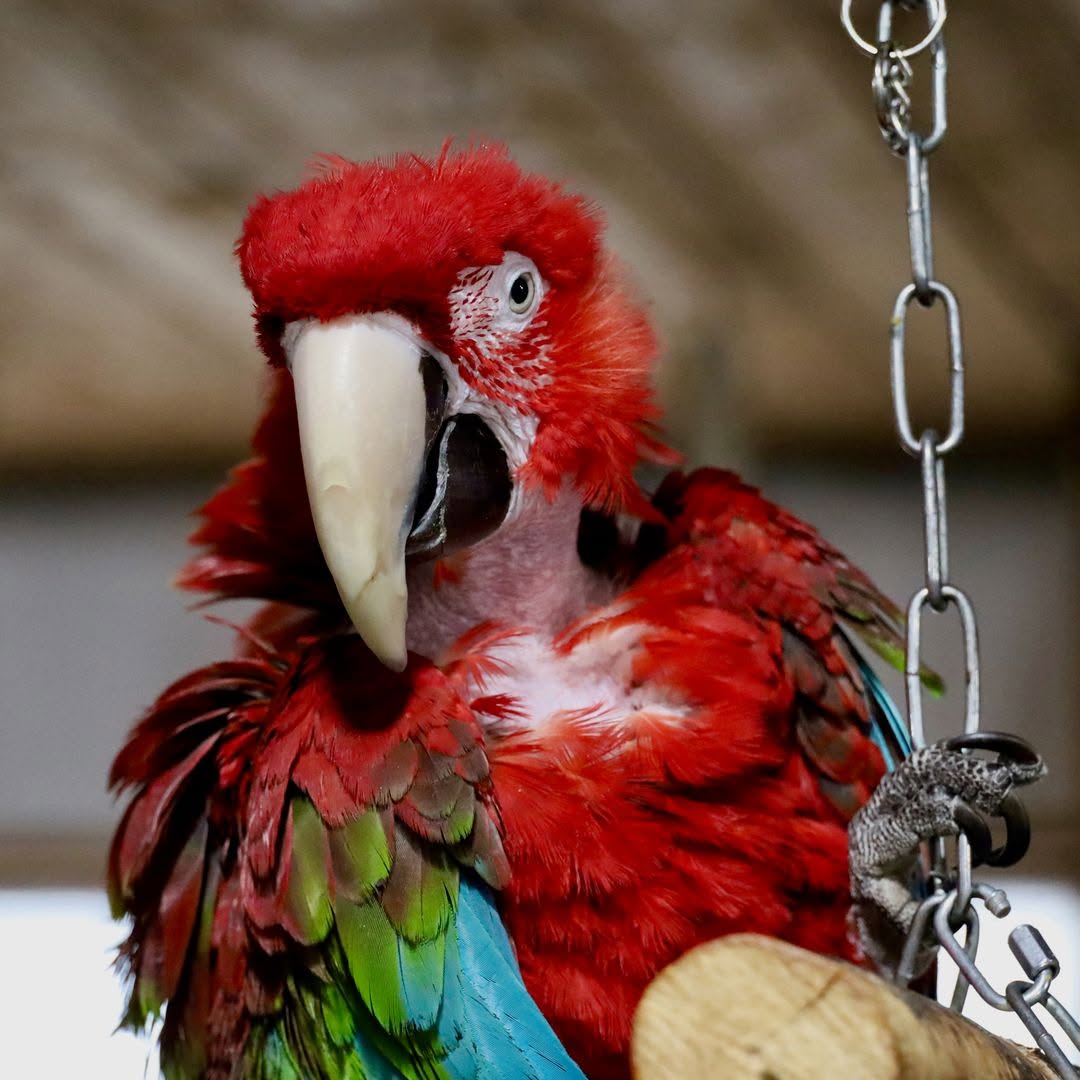
Lincolnshire Wildlife Park, which is now home to around thirteen hundred unwanted birds, has been explicit about this connection. Its founder put it plainly: people bought them as chicks when they had time on their hands during the pandemic, and now owners are seeing the effects of not giving parrots enough time — self-mutilation, screaming and biting.
That sequence is worth sitting with for a moment, because it tells you something important about why this particular welfare crisis has a different shape from the broader cost-of-living pressure affecting dogs and cats. A parrot bought during lockdown, when its owner had unusual amounts of free time available, received a level of attention and stimulation in its first months that was never going to be sustainable once ordinary life resumed. The bird formed expectations — about company, about interaction, about stimulation — based on conditions that disappeared the moment the owner went back to work, back to a normal social life, back to a normal pattern of being out of the house for most of the day.
What follows from that mismatch is depressingly predictable in welfare terms. Self-mutilation, typically feather plucking or skin damage, screaming that escalates as the bird tries to recapture attention it is no longer getting, and biting, often born of frustration and a bird that has not had its social and behavioural needs met. None of this happens because the bird has suddenly become a problem animal. It happens because the conditions it was originally given have been withdrawn, and the bird has no other way of expressing the resulting distress.
The Lifespan Mismatch — Why Parrots Are a Different Kind of Welfare Problem
This is the issue I think gets least understood by people who have not spent significant time around parrots, and it underlies almost everything else in this crisis.
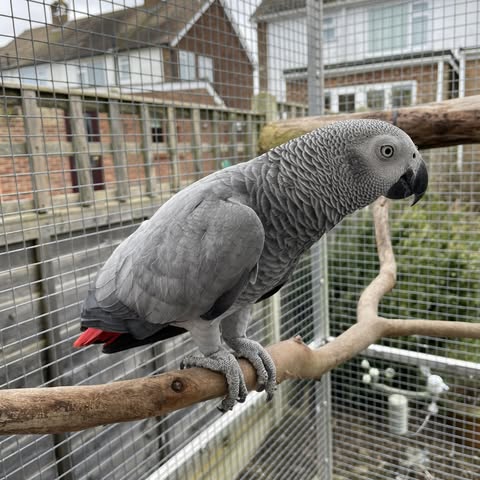
Many parrot species genuinely outlive their owners. African grey parrots in captivity commonly live into their sixties. Larger species like macaws and cockatoos can live even longer. This is not a minor footnote to mention when someone buys a parrot — it is, in my view, the single most important piece of information a buyer needs before the sale goes ahead, and it is routinely under-communicated or simply not absorbed by buyers focused on the immediate appeal of the bird in front of them.
The practical consequence is that decisions about a parrot’s future care need to account for circumstances the original owner cannot fully predict — house moves, changing family situations, illness, ageing, and eventually death, all of which a dog or cat owner also has to consider, but over a timeframe that is typically a fraction as long. A parrot bought by someone in their thirties may very plausibly need a new home before that person reaches old age, through no failure of care or commitment at all, simply because the maths of the two lifespans do not line up.
Some UK organisations have started responding to this specific problem directly. A Lincolnshire-based sanctuary set up a scheme explicitly promising never to rehome the animals in its care, instead committing to look after parrots permanently when an owner can no longer do so — a direct response to the understanding, shared by behaviourists working in this space, that each and every time a parrot suffers another rehoming, it becomes more traumatised. That is a significant statement from people who work with these birds professionally, and it reflects how seriously the repeated-rehoming problem is now being taken within the welfare community.
What Actually Drives Owners to the Point of Giving Up
Talking to people in this trade, and reading what the rescue charities themselves are reporting, a fairly consistent picture emerges of what actually pushes an owner to the point of surrendering a parrot, beyond the pandemic-specific story above.
Behavioural difficulty is the most commonly cited immediate trigger — screaming, biting, feather plucking, and self-mutilation, almost always traceable back to unmet social, environmental, or stimulation needs rather than to any inherent flaw in the individual bird. Hormonal behaviour, which often intensifies as a parrot reaches sexual maturity at somewhere between three and five years old, frequently coincides with the point many owners first seriously consider rehoming, precisely because the bird’s behaviour at this stage can shift quite dramatically from what the owner experienced when it was younger.
Financial pressure sits underneath a great deal of this, in exactly the way the Blue Cross figures describe for dogs and cats more broadly. Caring for a parrot properly is not inexpensive — quality diet, an appropriately sized enclosure, enrichment, and veterinary care for a species where specialist avian vets are not universally easy to find, all add up, and a household under genuine financial strain may simply no longer be able to sustain it.
And then there is simple unpreparedness for the scale of commitment involved, which several charities and welfare commentators describe in almost identical language — owners who did not fully grasp, at the point of purchase, quite how long-lived, how socially demanding, or how loud some species genuinely are. A noisy Amazon parrot or a screaming cockatoo in a terraced house with close neighbours is a very different proposition from the same bird in a detached rural property, and that practical mismatch between bird and living situation is a recurring theme in why rehoming happens.
What the Charities Are Actually Asking For
It is worth being specific about what the organisations dealing with this crisis day to day are actually calling for, because the solutions they are pointing toward are practical rather than abstract.
More safe houses and foster placements. Problem Parrots, the Midlands-based charity working with welfare officers across the UK, has been explicit that it currently has a list of birds waiting to come in, but we don’t have enough safe houses — a capacity problem that mirrors what is happening across the rescue sector more broadly, where demand for rehoming has outpaced the available space to take birds in responsibly.
Better owner education before purchase, not after a problem has developed. Several of the charities working in this space describe their core mission explicitly in terms of education — helping current and prospective owners understand what a specific species actually requires, ideally before a bird is purchased rather than once behavioural problems have already set in. Problem Parrots specifically frames its work as trying to keep pets in their homes once difficult behaviours emerge, rather than treating rehoming as the automatic first response.
Long-term planning built into the original purchase decision, including practical contingency arrangements — who would care for this bird if your circumstances changed, and at what point would that handover need to happen. This is the kind of forward planning that responsible buyers of any long-lived exotic pet are increasingly being encouraged to think through at the point of sale rather than only once a crisis is already underway.
What I Think Needs to Change at the Point of Sale
Having watched this pattern build over many years, I think the responsibility for addressing it sits substantially with how these animals are sold in the first place, not solely with the rescue sector picking up the consequences afterward.
Every parrot sale should involve an honest, specific conversation about lifespan, noise level, social needs, and the realistic financial commitment involved for that particular species — not a generic gesture toward these issues, but a conversation specific enough that a buyer genuinely understands what they are taking on before they commit. I have that conversation at the counter as a matter of course, and I would rather lose a sale to someone who decides, having heard the full picture, that this is not the right time in their life for this commitment, than make a sale that becomes a welfare statistic five years from now.
Sellers should also be honest about the post-pandemic pattern specifically. If someone is buying a parrot during a period of unusual free time — a career break, an extended period working from home, anything that creates conditions that will not be permanent — that is worth raising directly, precisely because it is exactly the scenario that produced so much of the current welfare crisis the rescue charities are now managing.
And I think the industry as a whole needs to take the rehoming and education work these charities are doing seriously, supporting it rather than treating it as someone else’s problem once a sale has gone through. The pattern described by the welfare manager I quoted at the start of this piece — full to the brim, with a waiting list and not enough safe houses — is not a problem that resolves itself. It needs more capacity in the rescue sector and, just as importantly, fewer parrots arriving there in the first place because the original sale was done properly.
What I Tell Customers at the Counter
When someone comes in wanting a parrot, particularly one of the longer-lived or more vocal species, I do not rush that conversation, and I do not soften the parts of it that are inconvenient to hear.
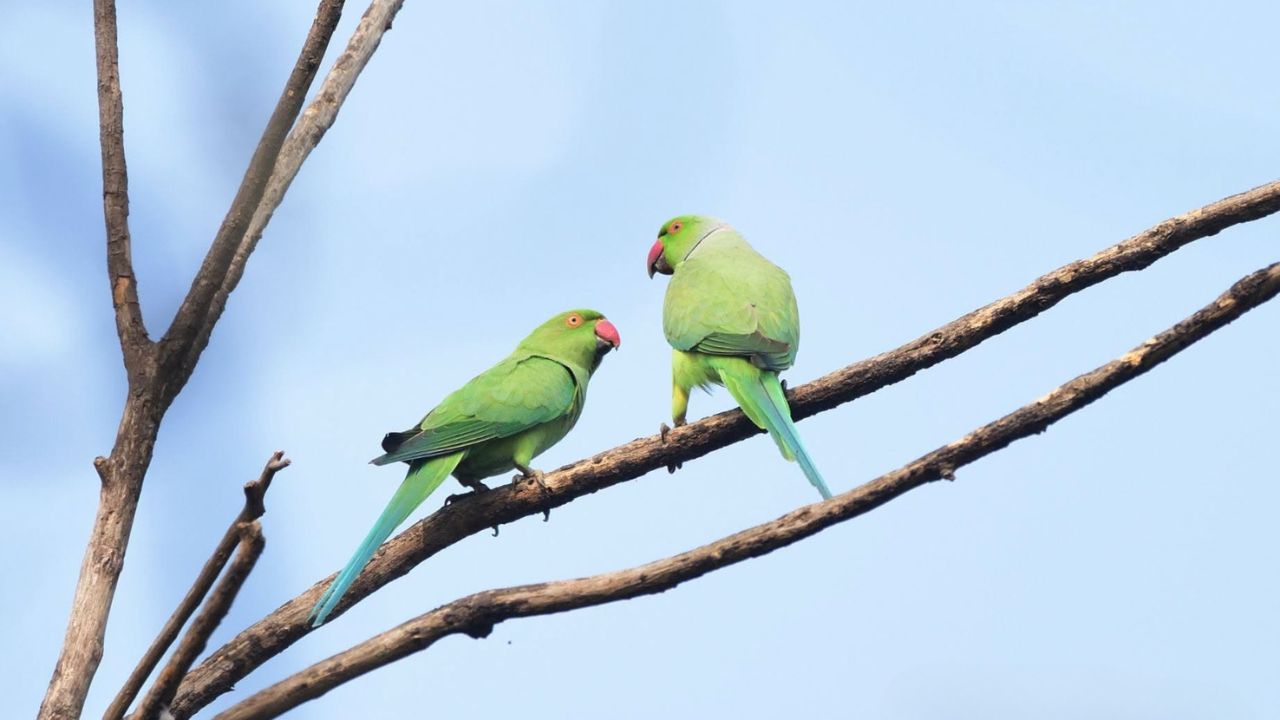
I tell them how long this bird may realistically live, and ask them to genuinely think through what their life might look like in ten, twenty, even fifty years, because for some species that is a completely reasonable question to ask. I tell them how loud certain species can become, and ask them to think honestly about their neighbours and their living situation, not just their own tolerance for noise. I tell them what happens, behaviourally, to parrots that do not get enough social engagement and stimulation, because that is precisely the mechanism behind the post-pandemic crisis the rescue charities are currently managing.
Most people, faced with the full picture rather than the curated version, make a genuinely well-considered decision either way — sometimes that means committing fully and properly, and sometimes it means choosing a different species, or deciding the timing is not right after all. Both of those outcomes are good outcomes, in my view. The bad outcome is the one we are seeing reported now — a bird that ends up as one more entry on a rescue charity’s waiting list, traumatised by a rehoming that good information at the point of sale might genuinely have prevented.
Come in if you are thinking about a parrot and want the honest version of what that commitment involves before you decide. We are at Manor Garden Centre, Cheney Manor Industrial Estate, Swindon, SN2 2QJ — open every day. Or call us on 01793 512400.
- “Birds that get rehomed must have been badly behaved to begin with” — Charities working directly in this space are consistent that behavioural problems like screaming, biting, and feather plucking are overwhelmingly the result of unmet social and environmental needs, not an inherent flaw in the individual bird. Most parrots surrendered into rescue come from what were originally loving homes facing a genuine change in circumstances.
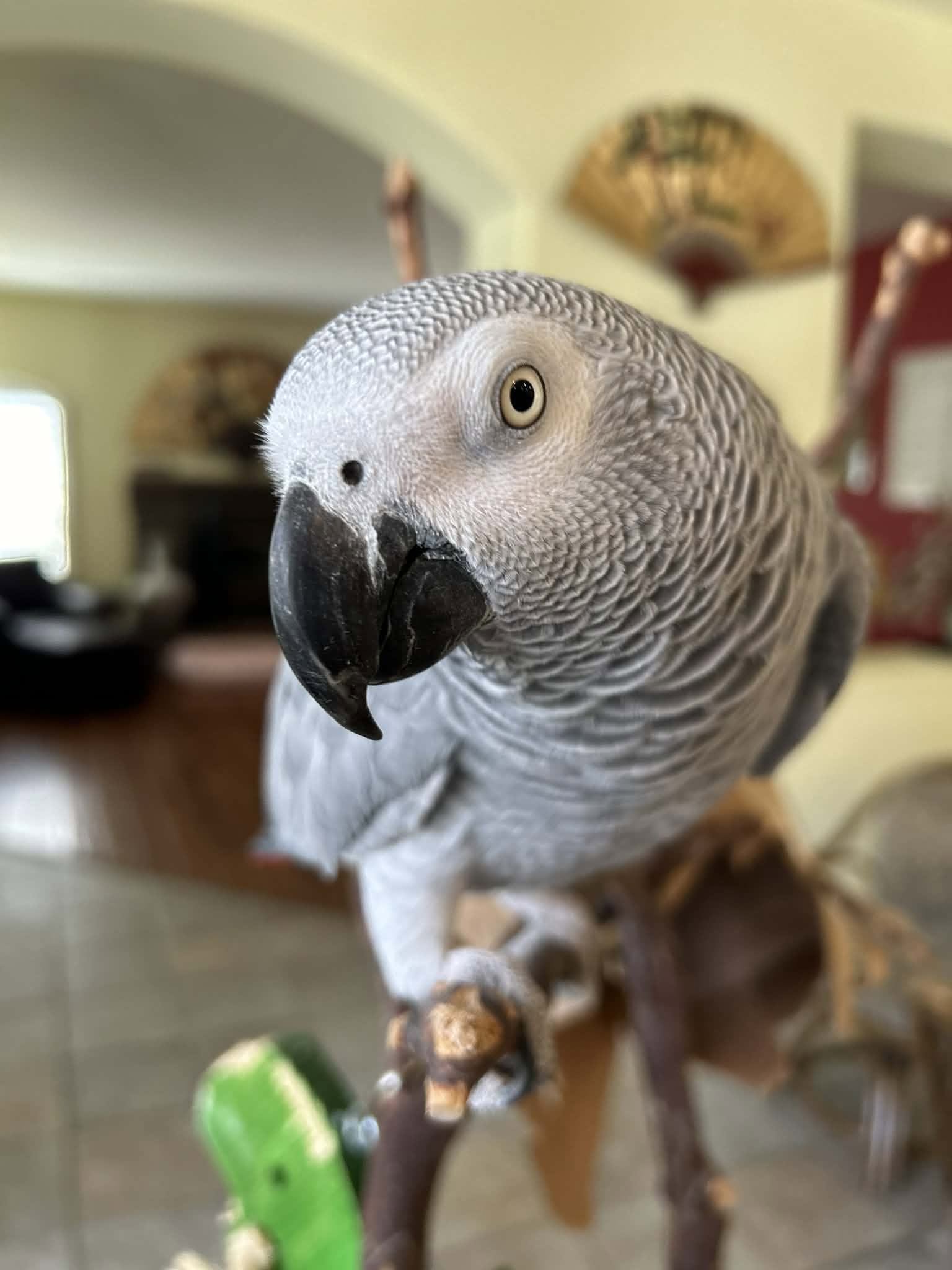
- “This is only a problem for exotic, rare parrot species” — African grey parrots and cockatiels — among the most commonly kept and sold pet parrot species in the UK — are specifically identified by welfare organisations as the most frequently rehomed birds, not unusual or specialist species.
- “The pandemic parrot problem is old news, it’s resolved by now” — Lincolnshire Wildlife Park’s current population of around thirteen hundred unwanted birds, with ongoing intake linked directly to pandemic-era purchases, indicates this remains a live and unresolved issue several years on, not a problem that has already worked its way through the system.
- “Rehoming a parrot once it’s grown up isn’t a big welfare issue” — Animal behaviourists working with these charities describe repeated rehoming as directly traumatic for the bird, with each move increasing distress — which is precisely why some sanctuaries have moved to a permanent no-rehoming model for birds in their long-term care.
- “Buying a parrot is basically the same commitment as buying a dog” — Many parrot species have lifespans measured in decades, commonly outliving their original owner, which creates a fundamentally different long-term planning requirement compared to a dog or cat, whose typical lifespan is far shorter and far more predictable relative to a human owner’s own lifespan.
Visit Us at Paradise Pets Swindon
We sell cage and aviary birds with an honest conversation about what each species actually involves — lifespan, noise, social needs, and realistic cost. If you are thinking about a parrot or any bird, come in and talk to us before you decide.
We also stock gerbils and hamsters, guinea pigs, and rabbits.