
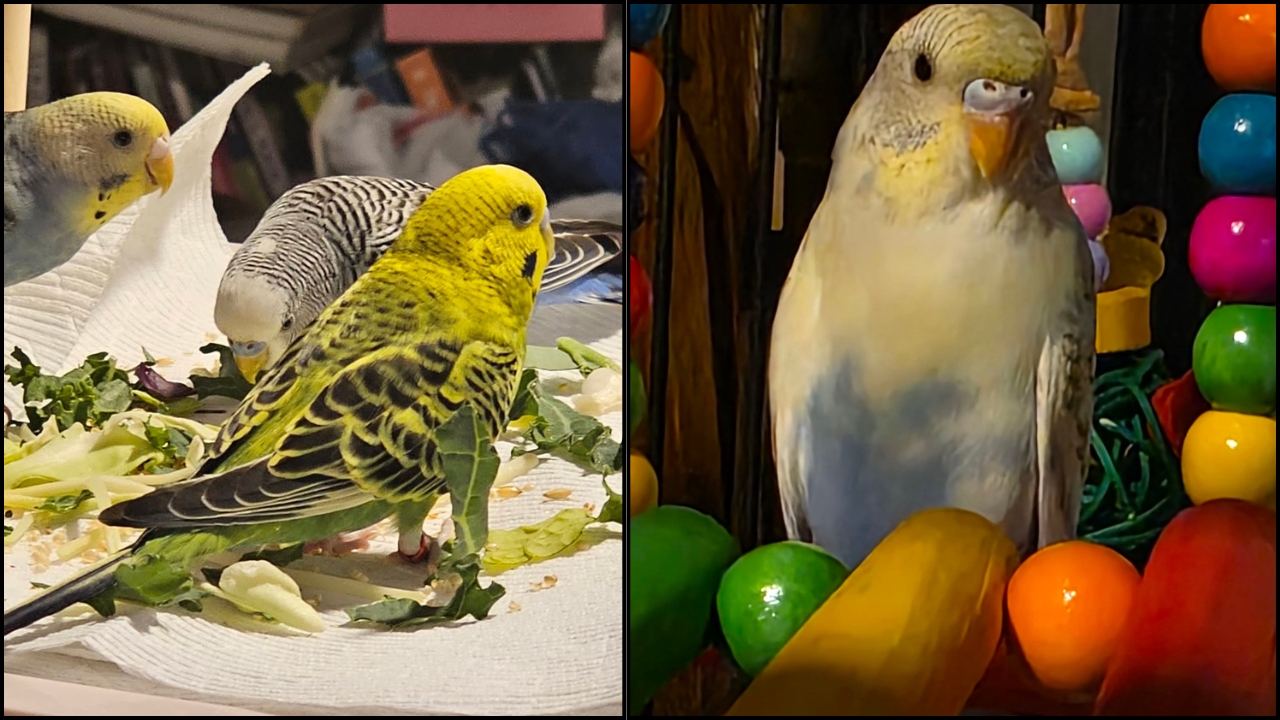

Your screenshot shows searches for budgie tongue. It is a tiny detail, but owners often notice it when the bird yawns, eats or opens its beak.
A budgie’s tongue can look strange to owners who have never looked closely before. The concern is when the tongue suddenly looks swollen, injured, discoloured, dry, stuck, bleeding or linked with eating trouble.
This guide is not a diagnosis. It is a practical owner checklist from Neil, based on common questions people ask at the counter and the kind of behaviour changes bird owners often notice at home.
The Quick Answer
If the tongue simply looks unfamiliar but the bird eats, drinks and behaves normally, observe calmly. If eating changes or the tongue looks injured, contact a vet.
Do not try to pull, scrape or treat the tongue at home.
What Can Be Normal
Owners may notice the tongue more during yawning, beak cleaning, crop movements or excited calling.
Lighting and seed dust can also make the mouth look different for a moment.
What Is Not Normal
Bleeding, swelling, trapped material, drooling, difficulty eating, repeated beak opening or weight loss are not normal.
Mouth issues can quickly affect food intake.
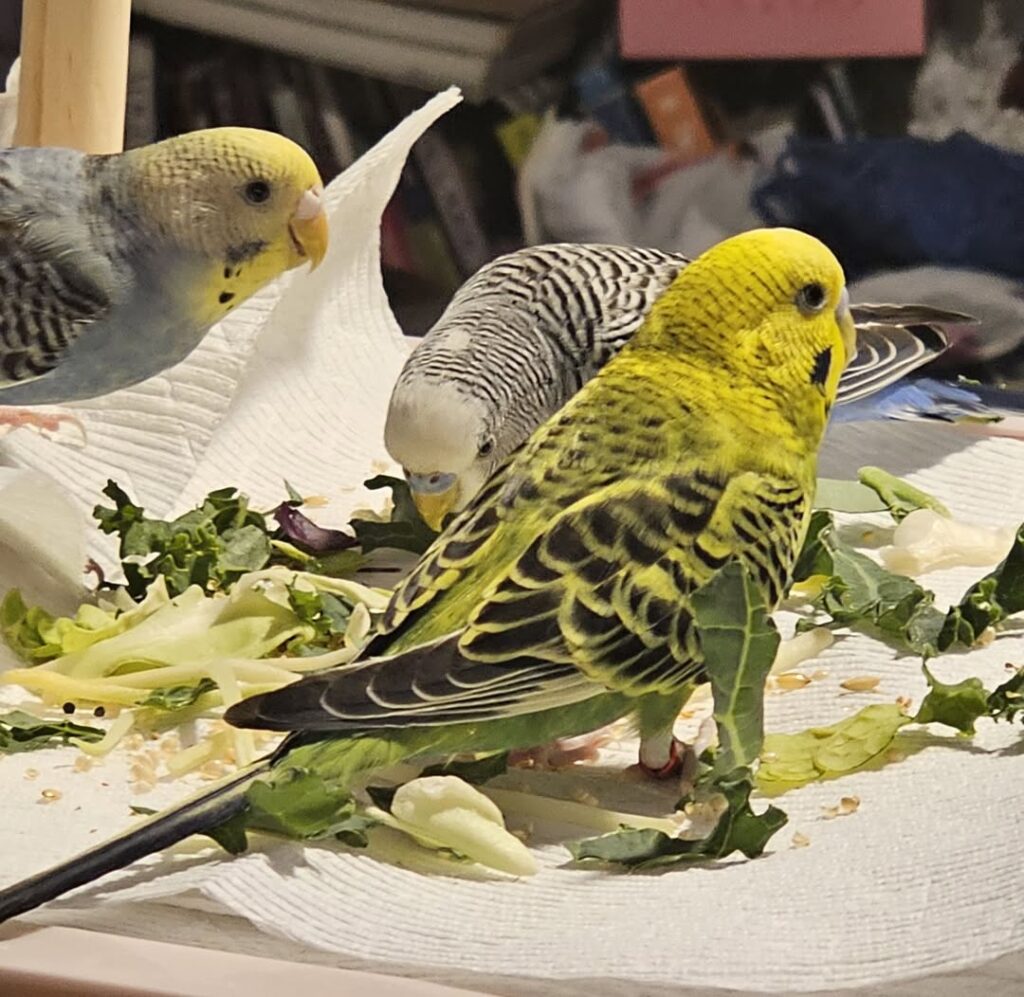
The 60-Second Owner Check
- Watch eating
Can the bird pick up and swallow food normally? - Check beak movement
Repeated odd beak motions may suggest discomfort. - Look for injury
Do not handle roughly, but note visible blood or swelling. - Check toys
Frayed rope, sharp toys or damaged accessories can hurt mouths. - Check weight if possible
A bird with mouth pain may eat less.
What To Do Today
- Remove sharp hazards
Take out damaged toys or rough items. - Offer familiar food
Do not introduce hard new foods while monitoring. - Take a clear photo
A close photo can help a vet without prolonged handling. - Call a vet if eating changes
Food intake matters quickly in birds. - Do not apply human products
Human gels, antiseptics or oils can be unsafe.
The Mistake Neil Sees Most Often
The common mistake is poking inside the beak to get a better look. That can injure or stress the bird.
Another mistake is ignoring eating changes because the bird still seems bright.
When To Contact A Vet
Contact a vet quickly if the bird cannot eat, is bleeding, has swelling, has material stuck in the mouth, or is losing weight.
A mouth problem can become a whole-bird problem if food intake drops.
Neil’s Honest Advice
Neil’s advice is to observe carefully, photograph once if safe, and avoid amateur mouth treatment.
If the bird’s eating changes, do not wait for the tongue to look worse.
Need practical budgie advice in Swindon?
Bring your questions to Paradise Pets. Neil can help with cage setup, daily care, food, enrichment and when a symptom should be checked by a qualified vet.