

Neil has run Paradise Pets Swindon since 1988 — over 35 years of watching which birds come into fashion, which ones stay, and which ones produce a wave of rehoming enquiries six months after the trend peaks. Lovebirds have been gaining ground in the UK pet bird market in 2026, driven by social media visibility, their striking appearance, and a reputation for affection that is — in Neil’s honest view — both accurate and significantly incomplete. This is his verdict.
The question I am being asked most often at this counter in the summer of 2026, by people who would not have asked it two years ago, is about lovebirds.
Not budgerigars. Not cockatiels. Lovebirds. The small, vivid, intensely characterful birds that have been appearing with increasing frequency on social media feeds — paired up in photographs that justify the name, looking at the camera with an alert and slightly indignant expression, wearing colour combinations that a budgerigar, for all its variety, cannot match.
I have been selling lovebirds for decades. I know the species well. I know what they offer and I know what they demand, and I am aware that those two things are not always communicated in the same proportion. The photographs that are driving the current interest show the offer clearly and attractively. They do not typically show the demand, because the demand does not photograph as well.
So this is my honest verdict on whether the lovebird trend is one to follow, based on 35 years of watching what happens when people buy birds for the right reasons and what happens when they buy them for the wrong ones. I am going to tell you what I tell people at this counter — the complete picture, not the photogenic half of it.
What Is Actually Driving The Lovebird Trend In 2026
I want to be honest about the mechanism here, because understanding why a trend is happening is useful context for deciding whether to follow it.
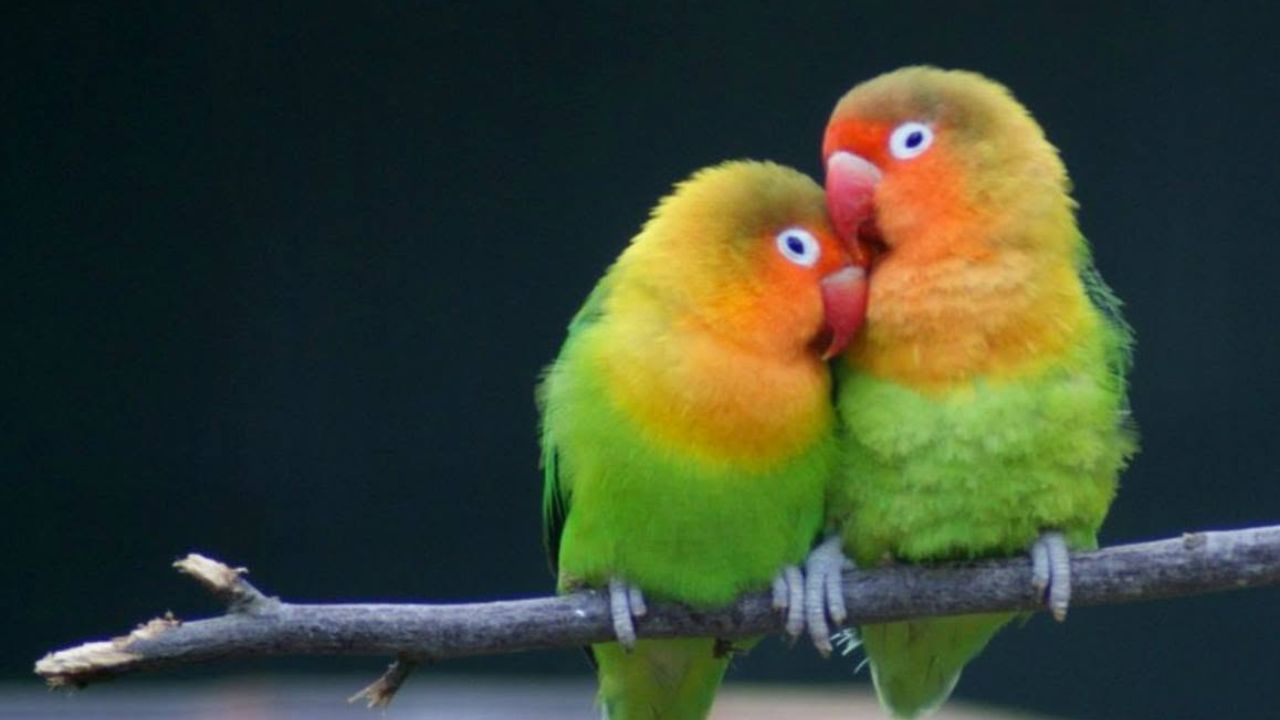
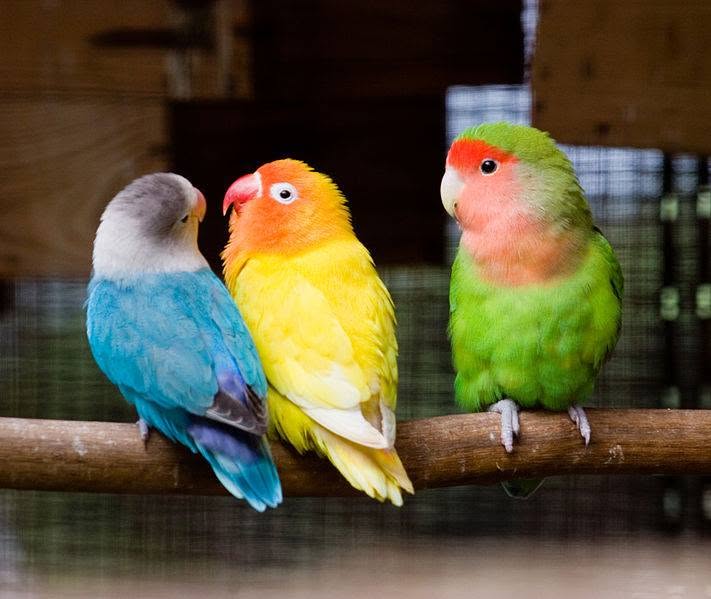
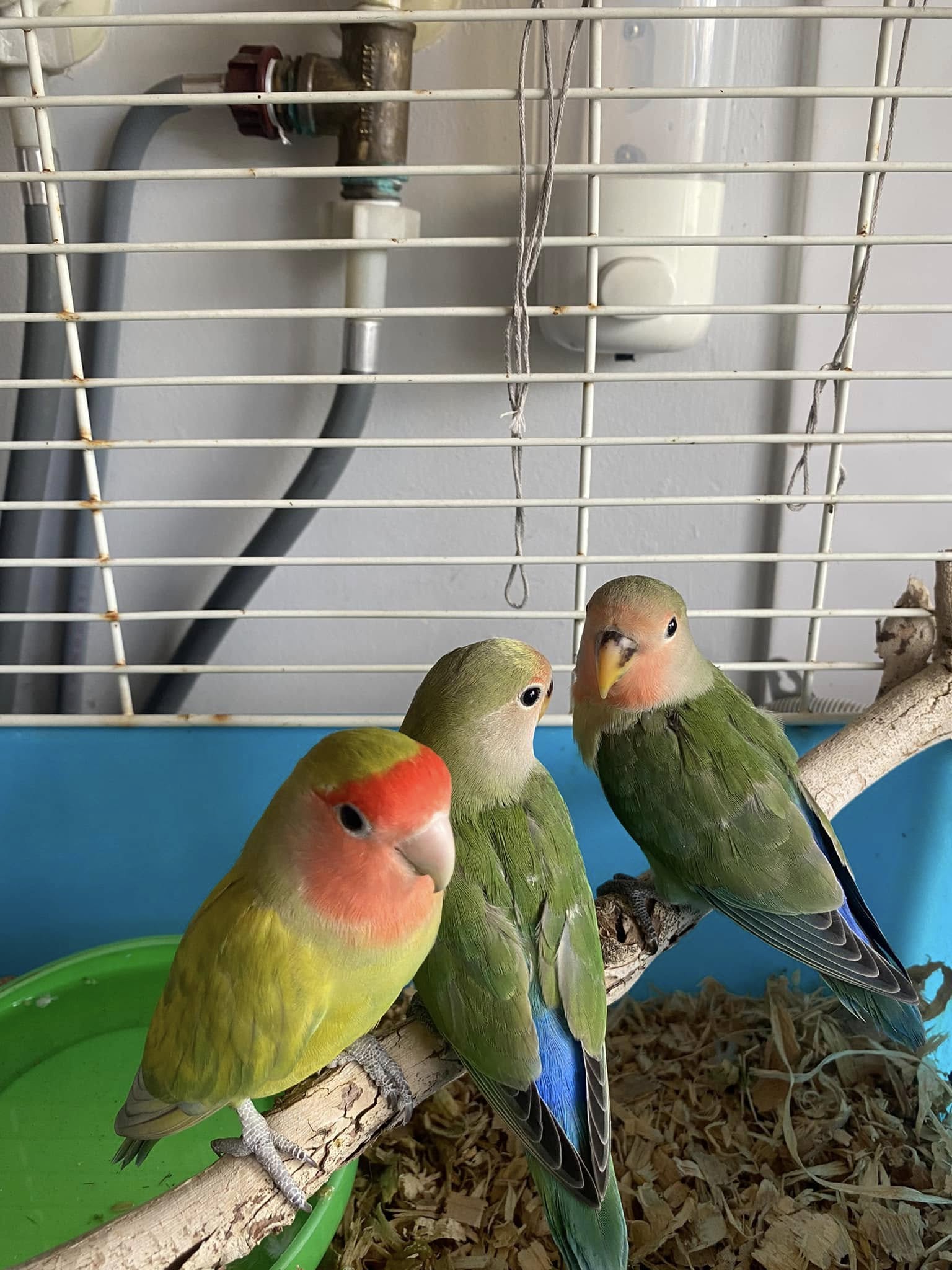
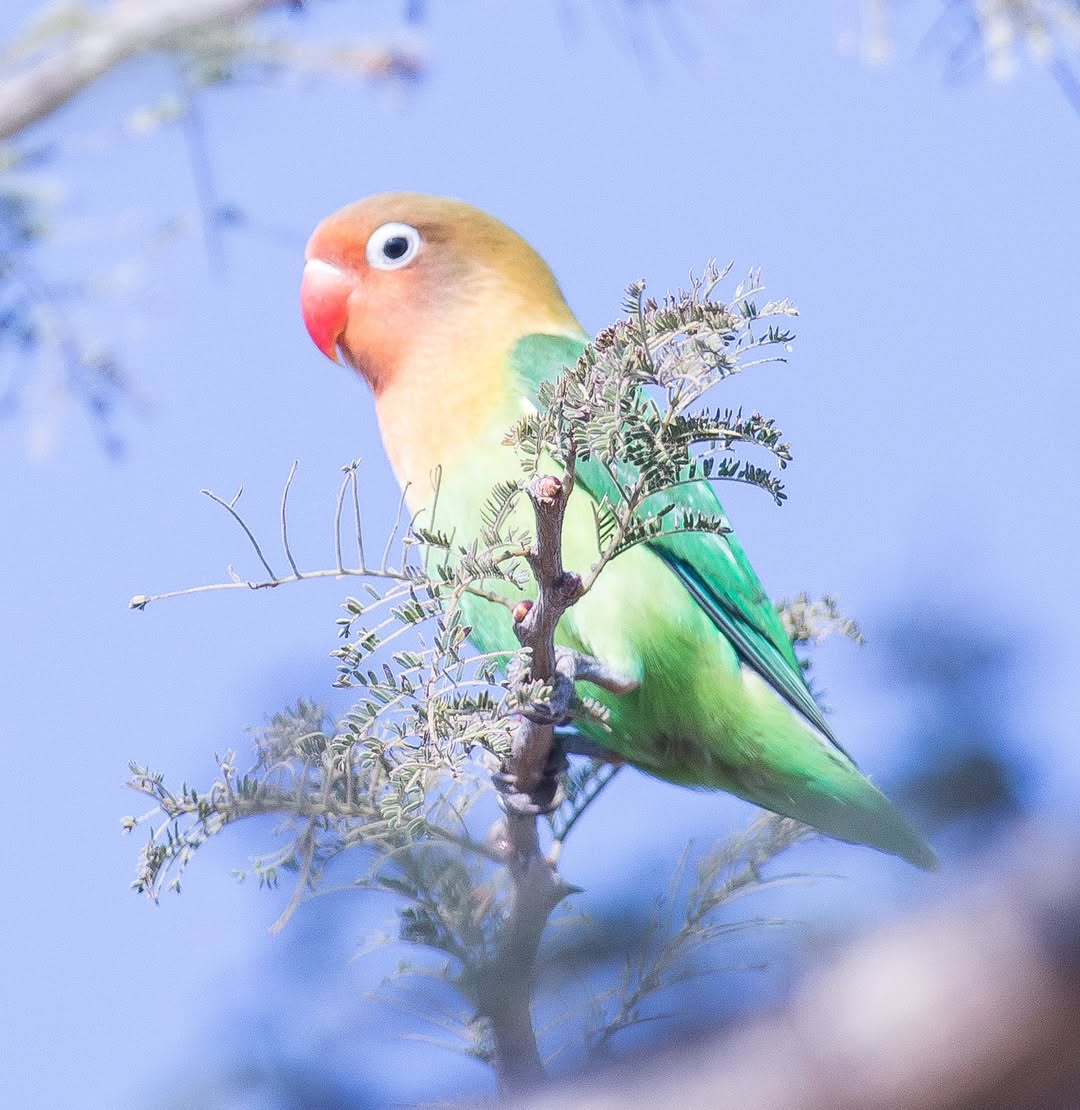
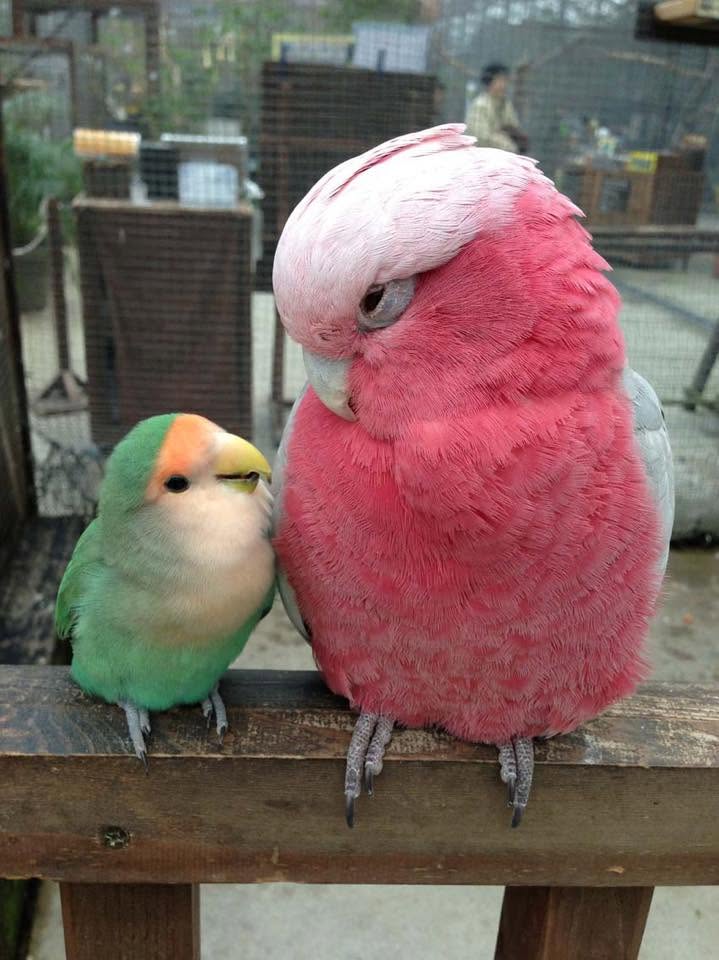
Lovebirds are visually arresting. The peach-faced lovebird — the most commonly kept species in the UK — combines colours in a way that photographs exceptionally well: vivid green body, orange-red face, blue rump visible in flight. The masked lovebird adds a dramatic dark head to a yellow body. Fischer’s lovebird layers green, orange, and red in a compact package that looks, to anyone who has not spent time with them, like an exotic tropical bird that belongs in a wildlife documentary rather than a living room in Swindon.
They also behave in a way that is extremely compelling on a short video. Two lovebirds together preen each other, sit pressed against each other, and interact with an obvious intensity of connection that reads as deeply affectionate — because it is. The bond between a bonded pair of lovebirds is real and visible and remarkable. It is genuinely one of the most striking things in aviculture to observe.
What a thirty-second video does not show is the noise. Or the bite. Or the particular version of “affection” that a lovebird directs at its human owner when it has decided to claim that owner as its primary bond — which involves a degree of intensity, possessiveness, and occasional aggression toward anyone or anything it perceives as a rival that is not covered by the word “affectionate” in the way most people use it.
The lovebird trend in 2026 is being driven by the visual and the performative. The people following it are responding to something real — lovebirds are genuinely remarkable birds. The question is whether what they are responding to represents the full picture of what keeping one involves. In my experience, in most cases, it does not.
What Lovebirds Actually Are — The Complete Picture
Lovebirds are small African parrots, ranging in length from about thirteen to seventeen centimetres depending on species. The three species most commonly kept as pets in the UK are the peach-faced lovebird, the masked lovebird, and Fischer’s lovebird. All three are members of the genus Agapornis — a name that translates directly from the Greek as “love bird,” which tells you something about how the species’ behaviour has been perceived for as long as humans have kept them.
They are genuinely intelligent. They are capable of strong, specific bonds — with another bird, with a human, or both, depending on how they are kept and socialised. They are active, curious, and entertaining to watch. A well-kept, well-socialised lovebird kept as a single bird with daily human interaction can be one of the most engaged and engaging small companions available. I have watched people develop relationships with lovebirds that they described, without exaggeration, as one of the most rewarding animal relationships of their lives.
That is the true part of the picture, and I want to say it clearly before I say everything else, because the honest verdict on lovebirds is not that they are bad pets. It is that they are demanding pets, in ways that are specific and consistent and not always communicated by the people selling them or the content that promotes them.
The lifespan is fifteen years or more with good care. Some individuals reach their mid-twenties. This is not an eight-year commitment like a budgerigar or a ten-year commitment like a canary. A lovebird bought on the strength of a trend in 2026 may still be in the buyer’s household when their children leave for university. The commitment behind the purchase is a long one, and it deserves to be understood as such before the purchase rather than discovered afterwards.
The Noise Question — Why This Matters More Than Most People Expect
I want to be direct about noise, because it is the factor that most consistently surprises new lovebird owners and the one that generates the most calls to me in the weeks after purchase.
A budgerigar is a vocal bird. Its vocalisations are, in the main, a pleasant babble — a rolling, conversational sound that most people find agreeable and some find genuinely soothing. A lovebird is also a vocal bird, but its primary vocalisations are not a babble. They are a screech. High-pitched, penetrating, and produced with the kind of conviction that a small bird with a large personality can generate when it wants attention, feels excluded, or is simply expressing itself at full volume.
This is not a minor consideration. Lovebirds are considerably louder than budgerigars. They are described consistently in avian welfare literature and in the advice of experienced bird keepers as inappropriate for flats with thin walls, for households with noise-sensitive family members, or for anyone who expects a relatively quiet home. Aviculture guidance explicitly notes that lovebirds and cockatiels should be avoided in flats where noise may affect neighbours.
The volume of a lovebird at full expression is not something that can be adequately conveyed in a short video, because the videos are not made when the bird is screaming. They are made when it is doing something beautiful or affectionate or amusing. The screaming, which is a consistent feature of lovebird keeping rather than an occasional aberration, is simply not represented in the content that is driving the trend.
I am not saying this to discourage the right owners from getting a lovebird. I am saying it because I have had too many conversations with people who were blindsided by the noise level, who live in situations where the noise level creates genuine problems, and who did not know — because nobody told them — that this was a significant feature of the species before they brought one home.
The Bite — And Why It Is Specific To Lovebirds In A Way That Matters
Lovebirds have beaks that are, relative to their body size, considerably more powerful than those of a budgerigar. A budgerigar bite is unpleasant — a sharp pinch that leaves a mark. A lovebird bite from a bird that is genuinely trying to bite — rather than exploring with its beak, which is a different thing — is an event that can draw blood and that leaves a more lasting impression than most first-time owners anticipate.
This is not a reason not to keep a lovebird. It is a reason to understand the species’ capacity for territorial behaviour, the circumstances in which biting is most likely, and how to manage those circumstances rather than simply hoping they do not arise. A well-socialised lovebird that has been handled correctly from a young age and that has an owner who understands its signals can be an entirely safe and affectionate companion. An unsocialised lovebird, a lovebird that is hormonal, or a lovebird that feels its bond or territory is under threat is a different situation.
The species is described consistently in aviculture literature as “nippy” — a word that I think understates the reality somewhat. “Nippy” suggests occasional light contact. What a lovebird can deliver when it is motivated is more than that. The key is understanding when and why it happens — and the key to that is, again, knowing your specific bird well enough to read its signals before they escalate. A lovebird that is about to bite tells you, if you are watching. The owner who has never been told to watch is the owner who gets bitten without warning and then describes the bird as aggressive. The bird is not aggressive. The owner was not reading it.
Children and lovebirds require careful management. I do not automatically recommend a lovebird as a family bird in the way I would recommend a budgerigar, because the bite dynamic is different and because the territorial behaviour that sometimes accompanies lovebird ownership — the bird that claims one family member and actively resents everyone else — can create household dynamics that are difficult to manage well.
The Pair Myth — The Most Common Lovebird Misunderstanding
The name “lovebird” has created a persistent assumption that these birds must be kept in pairs — that a single lovebird is somehow incomplete, or lonely, or ethically problematic. This assumption is so common that I address it in almost every conversation I have with someone considering a lovebird.
It is not accurate, and acting on it produces the opposite of the outcome the buyer intends.
A single lovebird that bonds closely with its human owner is not a lonely bird. It is a bird that has formed its primary attachment — the attachment that for a wild lovebird would go to a paired mate — with the person who keeps it. That bond, when it develops, is the thing that makes a lovebird genuinely remarkable as a companion. It is intense, specific, demonstrably affectionate, and produces the kind of relationship that the photographs and videos that are driving the trend are actually showing — a bird wholly focused on its person.
A pair of lovebirds bought together bond to each other. That is what lovebirds do when given a choice — they form a mate bond with the most suitable available partner, and in a household with two lovebirds in the same cage, the most suitable available partner is the other lovebird rather than the human. The pair will be charming together. They will preen each other, sit together, interact with each other in the ways that make lovebirds worth watching. They will also have significantly less interest in their human owners than a single bird kept alone with daily interaction.
This is not a welfare argument against keeping pairs — pairs of lovebirds are perfectly content and perfectly healthy. It is an argument about what the buyer actually wants. If the goal is a bird that has a deep relationship with you specifically, a single bird handled and socialised from a young age is the right choice. If the goal is to watch two beautiful birds interact with each other, a pair is the right choice. These are different goals, and they produce different outcomes, and the person buying a pair because they thought single lovebirds were lonely and then discovering that the pair has limited interest in them has ended up with the wrong thing for their actual reasons.
Lovebird Versus Budgerigar — The Honest Comparison
I am asked this comparison question regularly, and I want to give the honest version rather than a diplomatic one that hedges everything into meaninglessness.
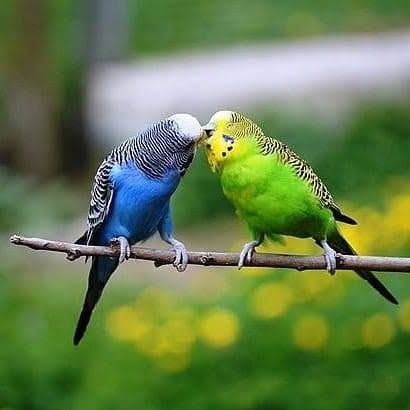
A budgerigar is more forgiving of first-time ownership. It tolerates the inevitable small mistakes of someone learning how to keep a bird with more resilience than a lovebird does. It is quieter. Its bite, when it happens, is less significant. It is smaller and requires less space. Its lifespan, while still a meaningful commitment, is shorter — which matters when life circumstances change, as they do. It socialises more readily with multiple family members rather than potentially fixating on one. It is, in the language I have used elsewhere on this site, the animal that fits the widest range of UK homes and lifestyles most reliably.
A lovebird offers something a budgerigar does not. The depth of bond that a single, well-socialised lovebird forms with its owner — when it forms — is more intense than the bond most budgerigar owners describe. The personality is bigger, louder, more insistent, more present. The visual impact is, in many colour mutations, more dramatic. The engagement level of a lovebird that has decided you are its person is something that budgerigar owners sometimes find themselves slightly envious of when they see it.
The question is not which bird is better. It is which bird is better for you, specifically, given your home, your household, your experience, your noise tolerance, and your honest assessment of how much time and consistent daily interaction you can provide. For an experienced owner, in a house rather than a flat, who understands the noise and the bite dynamic and wants the intensity of relationship that a lovebird offers — the lovebird is a genuinely excellent choice. For a first-time owner in a flat, with limited daily time, who wants an engaging and interactive bird that is manageable from day one — the budgerigar is still the right answer.
Following the trend without asking which category you fall into is the mistake I am trying to help people avoid. Not the trend itself. The unexamined following of it.
My Honest Verdict — Who Should Get A Lovebird And Who Should Not
I said at the start that this was going to be a verdict, and I want to make it one rather than a list of considerations that leaves the decision entirely to the reader. After 35 years, I have enough conviction about this to say something direct.
You should get a lovebird if: you live in a house rather than a flat with thin walls; you want a single bird that you can invest significant daily time in handling and socialising; you have some experience with birds or are genuinely committed to learning; you have realistic expectations about noise and are not going to be surprised by the screech at full volume; you understand the bite dynamic and are prepared to manage it rather than hoping it will not apply to you; and you are making a fifteen-year commitment with clear eyes about what that means when your life circumstances change.
You should not get a lovebird — or should think very carefully before doing so — if: you live in a flat or a terraced house with shared walls and noise-sensitive neighbours; you have young children who will not be consistently supervised in their interactions with the bird; you are buying because of the trend rather than because you have done the research and concluded the species suits your situation; you want a bird that multiple family members will interact with equally; or you are comparing the lovebird to a budgerigar primarily on visual grounds and have not yet read the part of the comparison that covers noise, bite, and commitment length.
That is the honest verdict. The lovebird is a remarkable bird. It is not the right bird for everyone who currently wants one. Those are both true at the same time, and I would rather say so plainly than let the trend carry people into a decision they will revisit in six months.
Frequently Asked Questions
Are lovebirds actually replacing budgies in popularity in the UK?
No — not in the data. The budgerigar remains the most popular pet bird in the UK by a very significant margin, with over a million kept compared to lovebirds, which appear in the lower tiers of pet bird population estimates. What has changed is the visibility of lovebirds in online content and the frequency with which I am asked about them at this counter, which has increased noticeably in 2026. They are trending in terms of interest and enquiry. They have not displaced the budgerigar in terms of actual ownership, and in my view they should not become the default choice for people who would be better served by a budgerigar — which is most first-time owners.
Can lovebirds learn to talk?
Lovebirds have limited speech ability compared to some parrot species. They can mimic sounds and some individuals learn a small number of words or phrases, but they are not reliable talkers in the way that budgerigars — which can develop surprisingly extensive vocabularies with patient training — can be. If talking ability is a significant part of the appeal, a budgerigar is actually the more suitable choice. If the appeal is the visual and the bond rather than the speech, the comparison holds differently.
What is the best species of lovebird for a first-time owner?
The peach-faced lovebird is the most commonly kept and, in my experience, the most consistent in temperament for a hand-raised individual. Masked and Fischer’s lovebirds can be excellent but are considered by many experienced keepers to be less likely to maintain tameness into adulthood if handling is not maintained consistently. Whatever species you choose, the source matters enormously — a hand-raised bird from a reputable breeder who has invested time in early socialisation is a fundamentally different starting point from a parent-raised bird with limited human contact. Come and talk to us about what is available and from where before you decide.
How much daily time do lovebirds need?
A single lovebird kept as a companion pet requires a minimum of one to two hours of daily interaction outside the cage to maintain its tameness and social bond. This is more than most budgerigar owners would typically provide and considerably more than the “low maintenance” framing sometimes applied to small birds. A lovebird that does not receive consistent daily handling from a young age will lose its tameness. That regression is gradual rather than sudden, which means it is easy to miss until the bird that used to step up readily is a bird that bites when approached. Daily interaction is not optional for a single lovebird kept as a companion.
Is a lovebird better for someone who has already kept budgies?
Often yes — provided the previous budgerigar experience has built the observation skills, daily routine habits, and general bird literacy that make stepping up to a more demanding species manageable rather than overwhelming. Someone who has kept budgies well, who knows what early illness looks like, who has built a daily care routine, and who understands the basics of bird nutrition and environment is in a considerably better position to take on a lovebird than a complete first-timer. The experience transfers, even though the species are different. If you are a current or former budgerigar owner who wants something with more personality and intensity, the lovebird is a legitimate next step. Come and talk to us about whether your specific situation makes it the right one.
A Final Word On Following Trends
I have watched trends come and go in the pet trade for 35 years. Some of them have been broadly positive — species that were undervalued gaining the recognition they deserved, better information reaching owners who previously did not have access to it, standards of care improving across the board. Some of them have produced waves of animals in inappropriate homes, with owners who did not understand what they had taken on, followed by waves of those animals entering rescue or being rehomed.
The lovebird trend in 2026 has the potential to go either way. The birds are genuinely wonderful and they deserve owners who have chosen them for the right reasons. They also deserve not to be purchased by people following a social media trend who will discover six months in that the noise is incompatible with their flat, or the bite is incompatible with their child, or the daily time commitment is incompatible with their working week.
Come and talk to us before you decide. Tell us what you are looking for, what your home is like, what your experience is, and what you want from the relationship. We will tell you honestly whether a lovebird is the right answer to those specifics — and if it is not, we will tell you what is. That conversation has always been available at this counter, and it is the one I would rather have with anyone who is currently thinking about following this particular trend.
Thinking About Getting A Lovebird? Come And Have The Honest Conversation First.
We will tell you whether it is the right bird for your home, your household, and your lifestyle — and if it is not, we will tell you what is. No pressure, no trend-following, no upselling. Just the honest twenty minutes that makes the difference between a good choice and one you revisit later.
⭐ Customer Reviews
Amazing Bird Selection
Had a lovley visit today,staff were very friendly and very helpful,such a great petshop,their selection of birds is incredible,really impressed,thank so much to the staff at Paradise Pets

Friendly Helpful Staff
I have been coming to this place for years and they have a great stock of food for all types of pets. Have a great selection of small mammals and a lot of birds. Staff are friendly and helpful.

Great Quality Hutch
Bought a guinea pigs hutch and run combo, very happy with the service, the hutch was put in my car for me without even asking for help. The wood quality is very good, the instructions easy to follow and we are extremely happy with the fully built hutch. A good size for 2 guinea pigs

Response from Paradise Pets | Wiltshire
Thank you Melanie Latus Nice to provide services to you.
Best Bird Shop Around
It’s the best pet shop in and around Swindon. They always have an amazing selection of birds and all you need to keep them happy. I keep birds myself and the guys there are happy to answer questions and really know their stuff. I have seen budgies etc. in chain pet shops in the area looking really unhealthy and ill – I wouldn’t go anywhere else than Paradise Pets for animals.

Highly Recommended Bird Shop
I could not praise this shop enough. Really helped my Grandson buy his first bird and he’s loving it. Travelled from Somerset and was welcomed with open arms.

Great Shop with Competitive Prices
Great shop with amazing selection for small animals, hamsters, mice ect, highly recommend!
Also has a great selection for dogs & cats too & very competitive prices! 💖

