
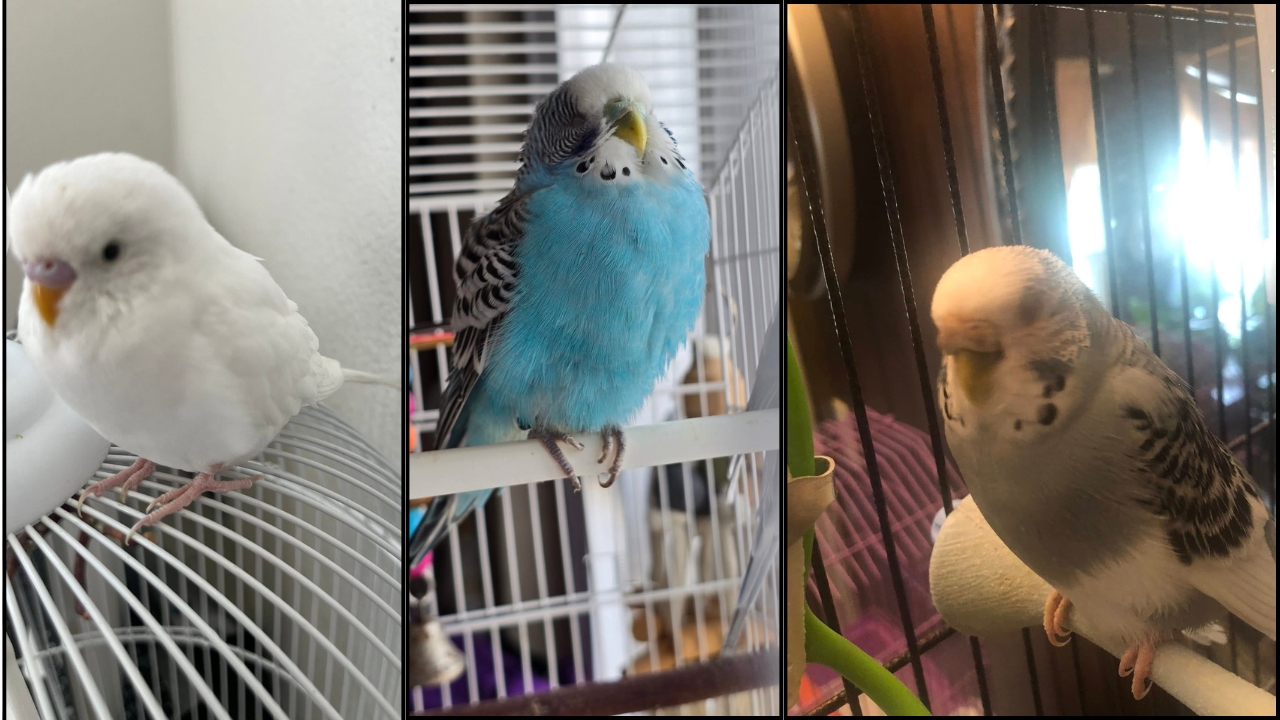

Extra sleep is one of the behaviour changes owners often notice before they know what is wrong.
Budgies do sleep during the day in short rests, especially if the home is calm. The worry begins when a bird that is usually alert starts sleeping through normal feeding, interaction or active periods.
This guide is not a diagnosis. It is a practical owner checklist from Neil, based on common questions people ask at the counter and the kind of behaviour changes bird owners often notice at home.
The Quick Answer
Extra sleep can happen after a disturbed night, a stressful move or a busy day. It becomes more concerning when it appears with puffed feathers, reduced appetite, weaker perching or breathing changes.
The safest approach is to check routine, room conditions and food intake first, then contact a vet if the bird is not behaving normally.
What Can Be Normal
Short naps, quiet midday rests and early evening settling can be normal.
A bird may also rest more after a cage move, travel, moult or a noisy day.
What Is Not Normal
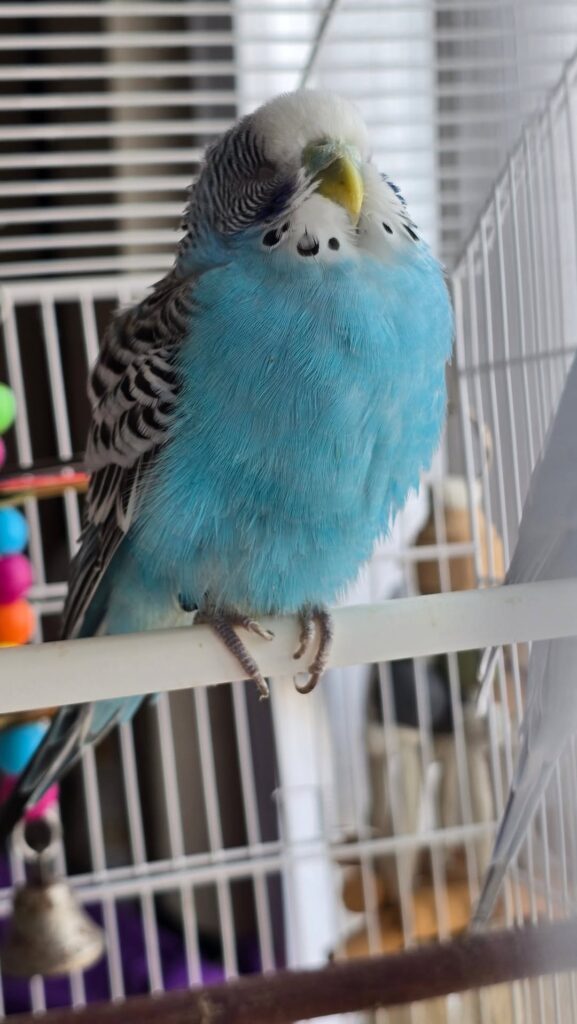
It is not normal for a budgie to sleep through feeding, ignore favourite foods, sit low in the cage or look weak.
A bird that closes its eyes while you approach during the day may be less alert than usual.
The 60-Second Owner Check
- Compare with normal
Is this more sleep than your budgie usually takes? - Check appetite
Do not guess from a full bowl; look for husks and actual eating. - Check cage position
Too much noise, light at night or draught can disturb rest. - Check breathing
Sleepiness plus breathing effort needs urgent attention. - Check droppings
Fewer droppings can mean the bird is eating less.
What To Do Today
- If alert after resting
Keep monitoring and correct any obvious routine issue. - If sleepy and not eating
Call a vet for advice. - If sleepy and puffed up
Treat it as more serious. - If sleep changed after moving cage
Give calm, stable conditions and watch closely. - If unsure
Video the behaviour and ask a qualified vet.
The Mistake Neil Sees Most Often
The common mistake is calling every nap illness. That causes panic and misses the pattern.
The opposite mistake is calling a withdrawn bird lazy. Budgies often hide illness until subtle signs become obvious.
When To Contact A Vet
Contact a vet if sleepiness comes with weakness, poor appetite, fluffed feathers, tail bobbing, vomiting, collapse or inability to perch.
A bird can deteriorate quickly, so waiting several days is risky when multiple warning signs appear.
Neil’s Honest Advice
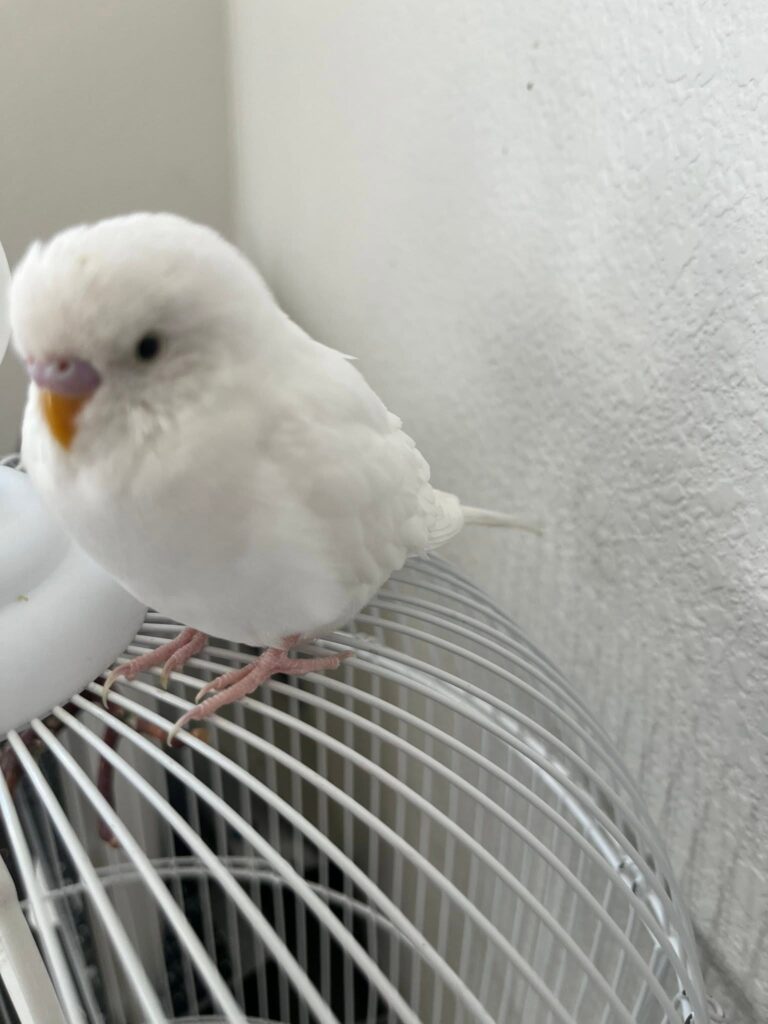
Neil’s advice is to track the change for the bird you know. A normally active budgie becoming sleepy is more meaningful than a naturally calm bird having a short nap.
Keep the cage routine steady, avoid sudden stress, and act quickly if eating or breathing changes.
Need practical budgie advice in Swindon?
Bring your questions to Paradise Pets. Neil can help with cage setup, daily care, food, enrichment and when a symptom should be checked by a qualified vet.