

Neil has kept, bred, and sold cage and aviary birds at Paradise Pets Swindon since 1988 — over 35 years of first-hand experience with budgerigars, cockatiels, canaries, finches, and dozens of other species. He has also been advising customers on garden bird feeding for the same 35 years. The RSPB’s new summer feeding rules arrived in April 2026. This is his honest response — where he agrees, where he has questions, and what he has been saying since 1988 that the new guidance finally puts on record.
The RSPB’s new guidance on garden bird feeding landed in April 2026 and I have been asked about it at the counter more times than almost anything else this month. People want to know whether to follow it, whether it is right, whether it is going to harm the birds they have been feeding for years.
I want to give an honest answer, which means I am not going to simply say “the RSPB is right, follow the rules.” I am also not going to dismiss it. The truth, as it usually is after 35 years at this counter, is more interesting than either of those positions.
Let me start with what the RSPB has actually said, because the coverage has not always been precise about it.
The RSPB recommends that from 1 May to 31 October you pause filling your bird feeders with seed and peanuts to prevent too many birds gathering in one place. You can continue to offer small amounts of mealworms, fatballs or suet. They also say: clean your bird feeders and water baths at least once a week, move feeders regularly to prevent a build-up of contaminated debris underneath, and avoid flat-surface feeders, including bird tables and window feeders.
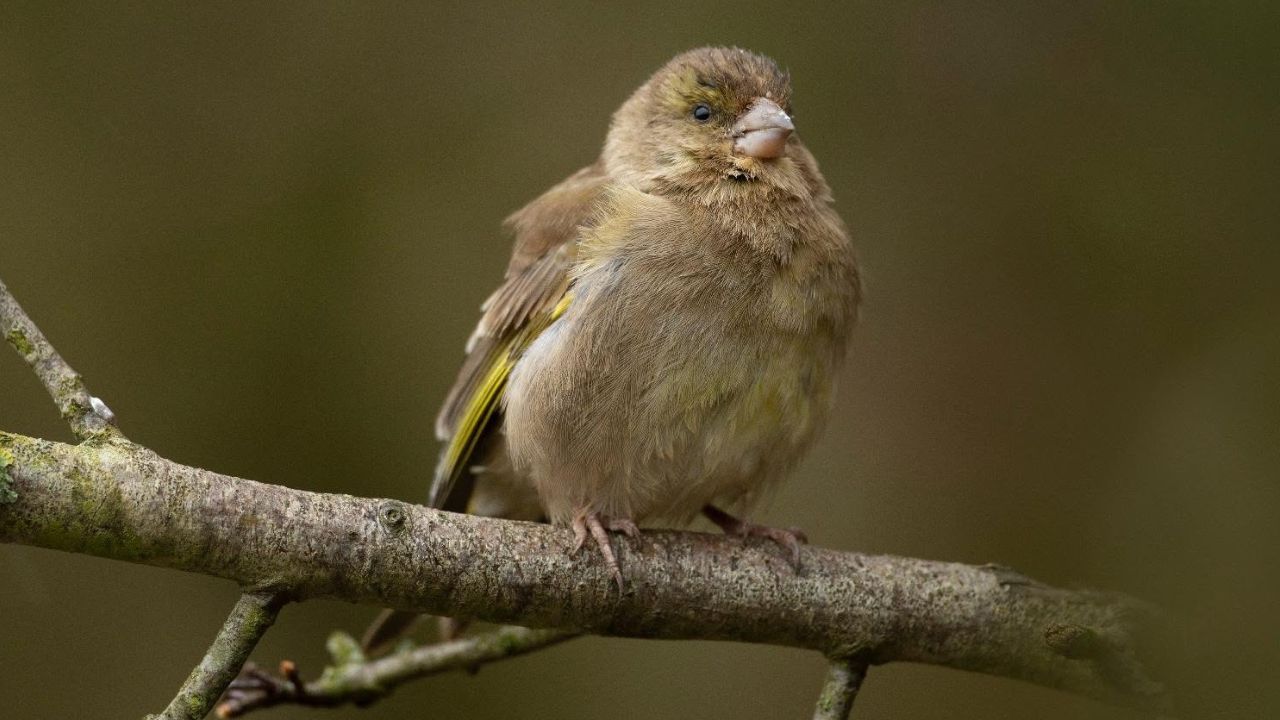
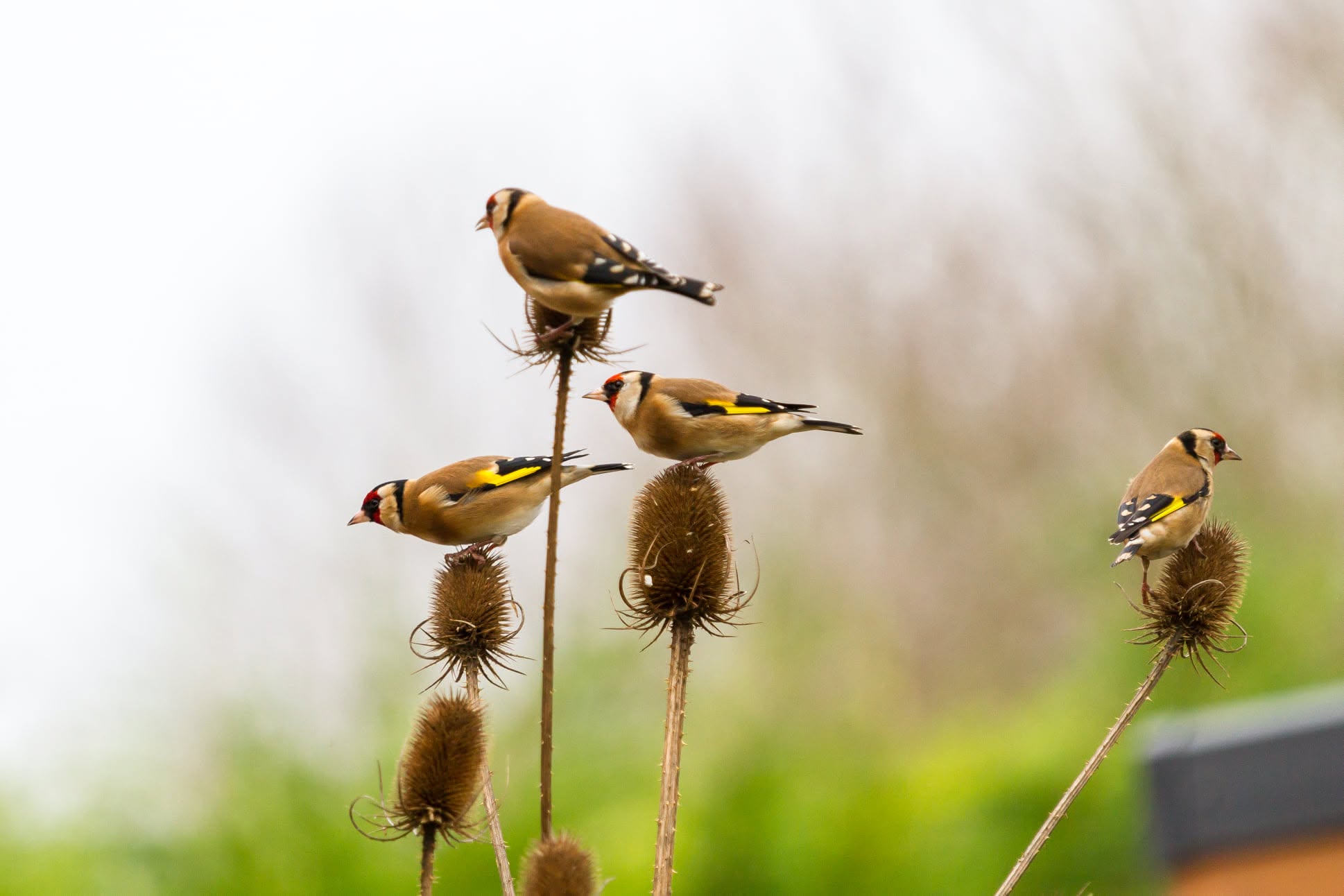
The reasoning is straightforward: an evidence review into the pros and cons of feeding garden birds found strong evidence that supplementary feeding promotes the spread of diseases in gardens, including the trichomonosis parasite. The disease that has driven a 67 percent decline in greenfinch numbers since 1979 spreads at feeding stations, and it spreads more easily in summer and autumn when larger numbers of birds congregate around seed feeders.
So where do I stand on this? Honestly, in two different places depending on which part of the guidance we are talking about.
The Part Where The RSPB And I Have Been Saying The Same Thing Since 1988
Let me start here, because this is the part of the new guidance that I find least controversial and most overdue.
The RSPB’s hygiene guidance — in its new, stronger form — says: clean and move your feeders weekly. Clean with hot soapy water and disinfect with a non-toxic disinfectant such as Ark-Klens or a mild five percent bleach solution. Refill bird baths with fresh tap water daily. Move feeders regularly to prevent a build-up of contaminated debris underneath. Space multiple feeders apart to avoid large gatherings of birds and reduce mixing between species. Do not place feeders under areas where birds roost. Avoid flat-surface feeders, including bird tables and window feeders.
Every single one of those recommendations I have given to customers at this counter for as long as I have been behind it.
Weekly cleaning. Fresh water daily. No flat feeding surfaces where infected material can sit and contaminate the next bird. Moving feeders so contamination does not accumulate in one patch of ground. Adequate spacing. I have been saying these things for thirty-five years — not because I discovered them independently, but because they are the logical, obvious response to understanding how disease spreads between birds feeding communally.
What the RSPB has now done is put the scientific weight of an evidence review behind those recommendations, and in doing so, made it far more likely that the sixteen million UK households who feed garden birds will actually follow them. That is genuinely positive. The guidance on flat surfaces in particular — the RSPB advises against using flat-surface feeders, including bird tables and window feeders, as these increase the risk of disease spread because birds affected by trichomonosis often regurgitate contaminated food back onto the flat surface where it is then available for healthy birds — this is important and it is right. I said exactly this to customers after the greenfinch story became clear, and I am glad to see it formalised.
If the only change the new guidance produces in most people’s behaviour is that they clean their feeders weekly and stop using flat bird tables, it will have done significant good. That part, I support without qualification.
The Part That Is More Complicated — The Seasonal Seed Pause
The seasonal feeding pause is where my honest assessment is more nuanced, and I want to be clear about why — not to dismiss the RSPB’s reasoning, but because I think the guidance deserves to be engaged with honestly rather than followed or dismissed reflexively.
The RSPB’s position is that the risk of trichomonosis outbreaks is highest in summer and autumn, and that pausing seed and peanut feeding between 1 May and 31 October will reduce the density of birds at feeding stations during the highest-risk period.
That reasoning is scientifically coherent. The disease does peak in summer and autumn. Bird density at feeders does contribute to transmission. Reducing density by removing the most popular foods — seed and peanuts — during the high-risk period is a logical intervention.
What I find myself thinking about, and what I discuss honestly with customers who ask, is the other side of the balance.
The RSPB’s guidance assumes that birds have access to sufficient natural food between May and October. For gardens surrounded by farmland, mature trees and wildflower meadows, that may well be true. For urban gardens in areas where insect populations have declined and green space is patchy, that assumption is far less comfortable.
We are asking birds to find their own food in summer at exactly the time when, across much of the UK, natural food availability has declined significantly. UK flying insects have fallen by up to 65 percent in 20 years. Pesticides, habitat loss and climate change are stripping away the food birds depend on. The argument that garden feeding is unnecessary in summer because natural food is abundant — which underlies the seasonal pause recommendation — is an argument that was more credible twenty years ago than it is today.
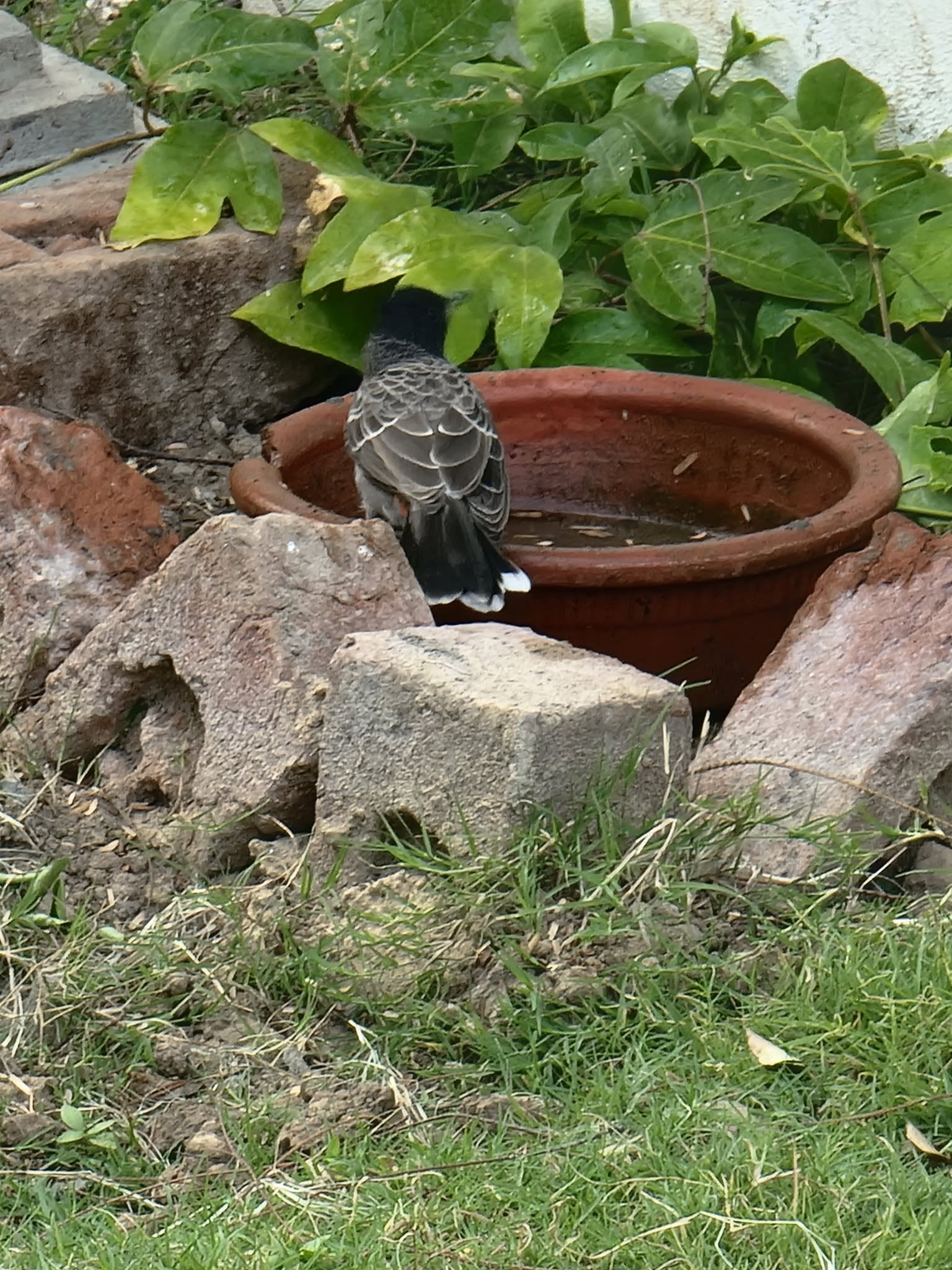
I also notice, and I think it is worth saying, that in the RSPB’s own study, zero out of 79 tests for trichomonosis on hanging tube feeders came back positive. Bird tables and baths were the risk — not hanging feeders. The guidance removes seed and peanuts — the food that goes in tube feeders, which were shown to be essentially safe — while the specific risk came from flat surfaces and water. If the flat surfaces and water hygiene is addressed, the risk reduction from also removing the hanging feeder seed may be smaller than the guidance implies.
I am not a scientist and I am not dismissing the RSPB’s evidence. I am applying 35 years of honest engagement with these questions to what I read, and I find the evidence for the hygiene changes convincing and the evidence for the seasonal seed pause more mixed.
What This Means For The Connection To Pet Birds
I want to draw the connection that most coverage of this story does not make — to the cage and aviary birds that this shop sells and that many people reading this keep indoors.
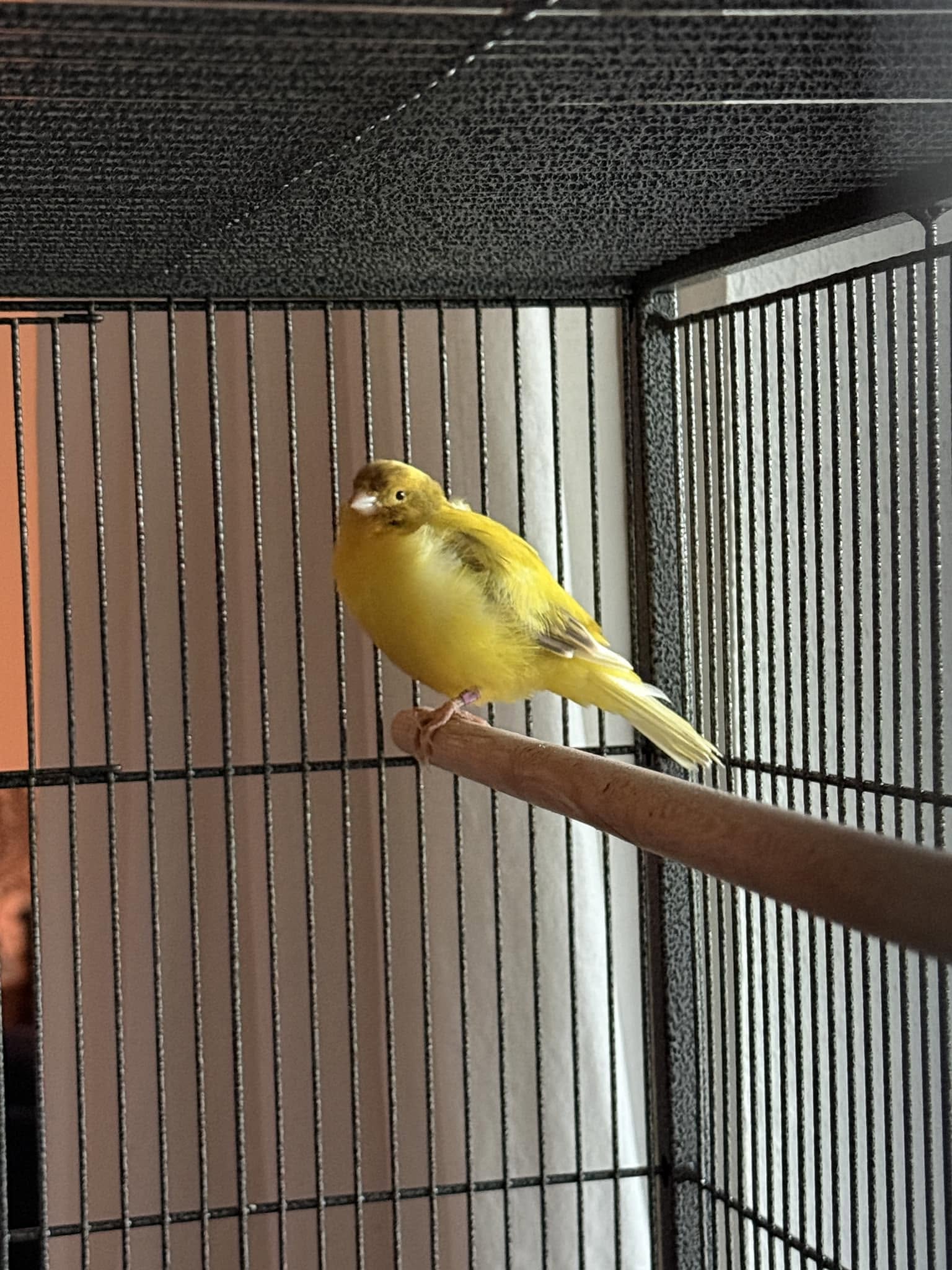
The disease driving the RSPB’s guidance — trichomonosis — is not only a wild bird disease. Trichomonosis has caused serious declines in greenfinch and chaffinch populations and may now be causing a rapid decline amongst bullfinches. The parasite affects finches, doves, and related species, including caged finches and canaries. The transmission mechanism at a garden feeding station — contaminated food surfaces, shared saliva, bird density — is directly analogous to the transmission mechanism in a poorly managed cage or aviary.
The hygiene practices the RSPB is now recommending for garden feeding stations are the same practices I have always recommended for cages: clean the food containers properly and regularly, change water daily, do not allow contaminated material to sit where other birds can access it, space birds appropriately to reduce transmission density.
If the new guidance prompts the sixteen million UK households that feed garden birds to apply rigorous hygiene practices, it may reduce the pressure of trichomonosis on wild bird populations. And if it prompts the pet bird owners among that sixteen million to think about equivalent hygiene in their cages — that is a genuinely useful outcome too.
The Honest Summary — What I Tell Customers At The Counter
When customers ask me about the new guidance, here is what I tell them honestly.
The hygiene changes — weekly feeder cleaning, daily water changes, removing flat-surface feeders, moving feeders regularly — implement these immediately and maintain them permanently. They are right, they are important, and they should have been universal practice before this guidance made them official.
The seasonal seed pause — think carefully about your specific garden before deciding. If you have a garden with abundant natural food sources, reducing seed provision in summer and replacing it with the mealworms and suet the RSPB says are still acceptable is a reasonable, science-informed choice. If you have an urban garden in an area where natural food sources are limited and your birds depend substantially on your feeding station, removing seed entirely in summer may create a different problem that the guidance does not fully account for.
The flat-surface feeders — take them down. The evidence here is clear and the mechanism is understood. Flat surfaces where infected saliva can contaminate food consumed by the next bird are a genuine risk. Tube feeders with good hygiene practices are a different situation entirely.
And for pet bird owners specifically — the hygiene principles are identical regardless of whether the birds are in a garden or a cage. Apply them with equal rigour in both settings.
- Implement the hygiene changes immediately and permanently. Weekly feeder cleaning with proper disinfection. Daily water changes in bird baths. Remove flat-surface feeders and bird tables — the evidence that these are higher risk is clear. Move feeders regularly. Space feeders apart.
- Take down flat bird tables if you have them. This single change, applied across the UK’s sixteen million feeding households, would likely have more disease-prevention impact than any other single action. The flat surface is where infected material concentrates.
- Consider the seasonal seed pause in the context of your own garden. If your garden has genuine natural food abundance in summer — insects, seeds, berry-bearing plants — the pause makes sense and the disease-prevention rationale is clear. If your garden is an urban plot with limited natural food, consider maintaining some seed provision through good-hygiene tube feeders while reducing overall density.
- Switch from seed to mealworms and suet in summer if you do pause seed. The RSPB is not saying stop feeding — it is saying stop seed and peanuts during the high-risk period. Mealworms in small amounts provide protein that supports breeding birds and fledglings.
- Grow bird-friendly plants. The RSPB recommends sunflowers, teasel, and ivy as natural food sources. This is a supplement to the guidance, not an alternative — but it is genuinely useful and it addresses the underlying issue of reduced natural food availability.
- Apply the same hygiene principles to caged birds. The transmission biology of trichomonosis is the same in a cage as at a feeding station. If you keep cage finches or canaries, the new guidance is as relevant to your bird room as it is to your garden.
Quick Reference — RSPB New Rules At A Glance
| RSPB Recommendation | My Assessment | What To Do |
|---|---|---|
| Pause seed and peanuts 1 May – 31 Oct | ⚠️ Nuanced — right in principle, context-dependent in practice | Consider your garden; implement fully if natural food is abundant |
| Small amounts of mealworms, fatballs, suet still allowed | ✅ Right and important — protein supports breeding birds | Continue these year-round in small quantities |
| Clean feeders weekly with disinfectant | ✅ Correct and overdue as universal guidance | Implement immediately and permanently |
| Refill bird baths daily with fresh tap water | ✅ Essential — stale water is a key transmission route | Do this every day without exception |
| Avoid flat-surface feeders and bird tables | ✅ Strongly supported by the evidence | Remove flat feeders — switch to tube feeders only |
| Move feeders regularly | ✅ Correct and easy to implement | Move to a new position weekly when cleaning |
| Space feeders apart | ✅ Reduces density and cross-species transmission | At least a metre apart; more space where possible |
| Grow bird-friendly plants | ✅ Good long-term supplement | Sunflowers, teasel, ivy — start this season |
Frequently Asked Questions
Should I stop feeding birds completely from May to October?
The RSPB is not asking you to stop feeding — it is asking you to stop seed and peanuts during the high-risk period and continue with mealworms, fatballs, and suet. That distinction is important. As the RSPB’s CEO says, “We’re not asking people to stop feeding, just to feed in a way that protects birds’ long-term health.” Whether you follow the seed pause fully depends on your garden’s natural food availability. The hygiene changes — which are the clearest evidence-based part of the guidance — should be followed regardless.
Why specifically flat-surface feeders and not tube feeders?
Because the disease risk is different. Birds affected by trichomonosis often regurgitate contaminated food back onto flat surfaces where it is then available for healthy birds. On a tube feeder with individual perches, this mechanism is much less effective — the bird accesses its own port, and contaminated material is less likely to persist in a form accessible to the next bird. The RSPB’s own research found tube feeders essentially clear of the parasite while flat surfaces showed higher risk. Remove the flat surfaces. Keep the tube feeders with good hygiene.
What about the birds that depend on my feeder in summer — won’t they suffer if I stop?
This is the honest tension in the guidance that I think deserves acknowledgement rather than dismissal. The RSPB’s guidance assumes that birds have access to sufficient natural food between May and October. In gardens with good natural food availability, this is reasonable. In urban gardens where insects and natural seeds are scarce, removing seed may have a cost. My honest advice is to implement the hygiene changes fully, remove flat feeders, and use your judgement on the seasonal seed pause based on what you know about natural food availability in your specific garden.
Is this guidance relevant to my pet canaries and finches?
Yes — the biology of trichomonosis is the same in a cage as at a feeding station. The hygiene practices the RSPB recommends for garden feeding stations — regular cleaning, daily water changes, no contaminated material sitting where multiple birds can access it — are exactly the practices I have always recommended for cages. If the new guidance prompts you to apply rigorous hygiene in your bird room as well as your garden, that is a genuinely positive outcome.
Where can I get honest bird advice in Swindon?
Come and see us at Paradise Pets, Manor Garden Centre, Cheney Manor, Swindon SN2 2QJ. Or give us a ring on 01793 512400. I will give you a straight answer about the new guidance and what it means for your specific situation — garden birds and cage birds alike. Free advice, no obligation — that is how we have done things for 35 years.
One Last Thing From Me
I have been asked whether I think the RSPB is right. My honest answer is: on hygiene, yes, completely and without qualification. On the seasonal seed pause, partly — the principle is sound but the application in urban gardens with limited natural food deserves more nuance than the guidance provides.
What I know for certain, after 35 years, is this: the greenfinch story is a genuine tragedy. We are currently seeing huge declines in the UK’s greenfinch and chaffinch populations, and may also be seeing a rapid decline in bullfinches, caused by trichomonosis. That is happening. It matters. And it is happening, at least in part, at garden feeding stations where well-intentioned people have been trying to help birds.
The RSPB’s guidance is a serious, science-engaged attempt to slow a disease that has already caused irreversible population damage. The hygiene recommendations are overdue and correct. If the seasonal pause is too blunt an instrument for some gardens, the answer is not to dismiss the guidance — it is to implement the hygiene changes rigorously and to think carefully about what the pause is trying to achieve and whether there are ways to achieve it in your specific garden without removing the support that birds in that garden actually depend on.
And for the pet bird owners in this conversation — the cage finch, the canary, the aviary bird — the message is simple. The same disease, the same transmission routes, the same hygiene habits. What the RSPB is asking garden bird feeders to do is what good cage bird management has always required. If you were not already doing it, start now.
Questions About The New RSPB Guidance And What It Means For Your Birds? Come And Talk It Through
Whether you keep garden birds, cage birds, or both, I will give you an honest, practical response to the new guidance — not a line by line endorsement or dismissal, but a real conversation about what it means for your specific situation. Free advice, no obligation. That is how we have done things since 1988.