
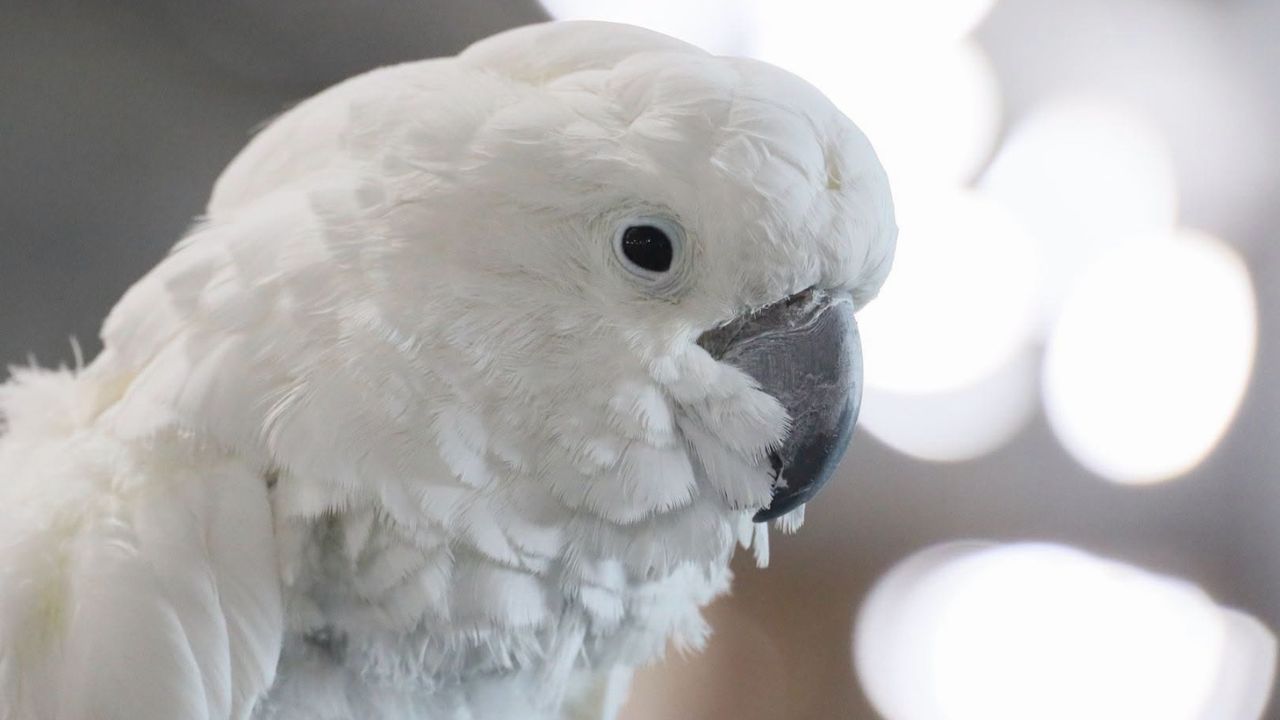

Neil has kept, bred, and sold pet birds and small animals at Paradise Pets Swindon since 1988 — over 35 years of watching exotic pet ownership grow from a niche interest into a genuinely mainstream part of UK pet keeping. The UK now keeps around 3 million pet birds, and exotic pet ownership overall has climbed roughly 60% since 2000. This is his honest take on what that surge has got right — and what, far too often, it is still getting wrong.
A young man came in last month with a leopard gecko he had bought online a few weeks earlier, looking for advice because something seemed off with it. He had done some research before buying, he told me — he had read about temperature and diet, he had a heat lamp, he had a thermometer. He had done more than a lot of people do.
What he had not done was actually measure the temperature gradient properly inside the vivarium, rather than just the air temperature in the room. His gecko was, predictably, struggling. He was not careless. He was someone who had engaged with the surge in exotic pet popularity exactly as that surge generally encourages people to — research a bit, buy online, follow the basics, and assume that was enough.
That gap — between genuinely good intentions and the actual depth of knowledge a species needs — is, in my honest opinion, exactly what this surge in exotic and bird ownership is getting wrong, far more often than it is getting right.
The Numbers, Properly Stated
According to the latest UK Pet Food (formerly PFMA) figures, the UK now keeps around 3 million pet birds, alongside roughly 1.5 million pet reptiles and millions more in amphibians, exotic mammals, and invertebrates. Exotic pet ownership overall has climbed by approximately 60% since the turn of the century, with reptiles specifically growing by 31% between 2020 and 2025 alone — the fastest-expanding pet category in the country.
This is a genuinely significant shift over 35 years in this trade. When I started this shop, a pet bird usually meant a budgie or a canary, full stop, and reptiles were a genuinely niche interest most people had never personally encountered. Today, leopard geckos and corn snakes vie for the top spot among pet reptiles, bearded dragons are a mainstream first reptile choice, and species like axolotls and crested geckos have become genuinely popular largely through social media exposure that simply did not exist when this trend began.
What’s Actually Driving The Growth — And Why Most Of It Is Genuinely Reasonable
I want to be fair before I get critical, because the underlying reasons behind this surge are mostly sound, practical responses to how UK life has actually changed.
UK homes have become smaller on average, and species that thrive in a compact vivarium or tabletop setup genuinely fit a modern flat better than a large dog ever could. Working hours and patterns have shifted, and animals that need a thorough daily check rather than multiple outdoor walks a day suit busier schedules more realistically. Improved husbandry knowledge and equipment over the past two decades have genuinely made certain reptile and bird setups more manageable than they were when I started this trade. None of that is a problem in itself — it is a sensible adaptation to real changes in how people live.
What The Surge Is Getting Wrong — Point One: Research Without Depth
This is the mistake I see most consistently, and it is exactly what happened with the man and his gecko. Plenty of new exotic and bird owners genuinely do research before buying — far more, I think, than owners of a generation ago typically did. The problem is that the research available online is frequently surface-level, contradictory between sources, or written for general appeal rather than precision.
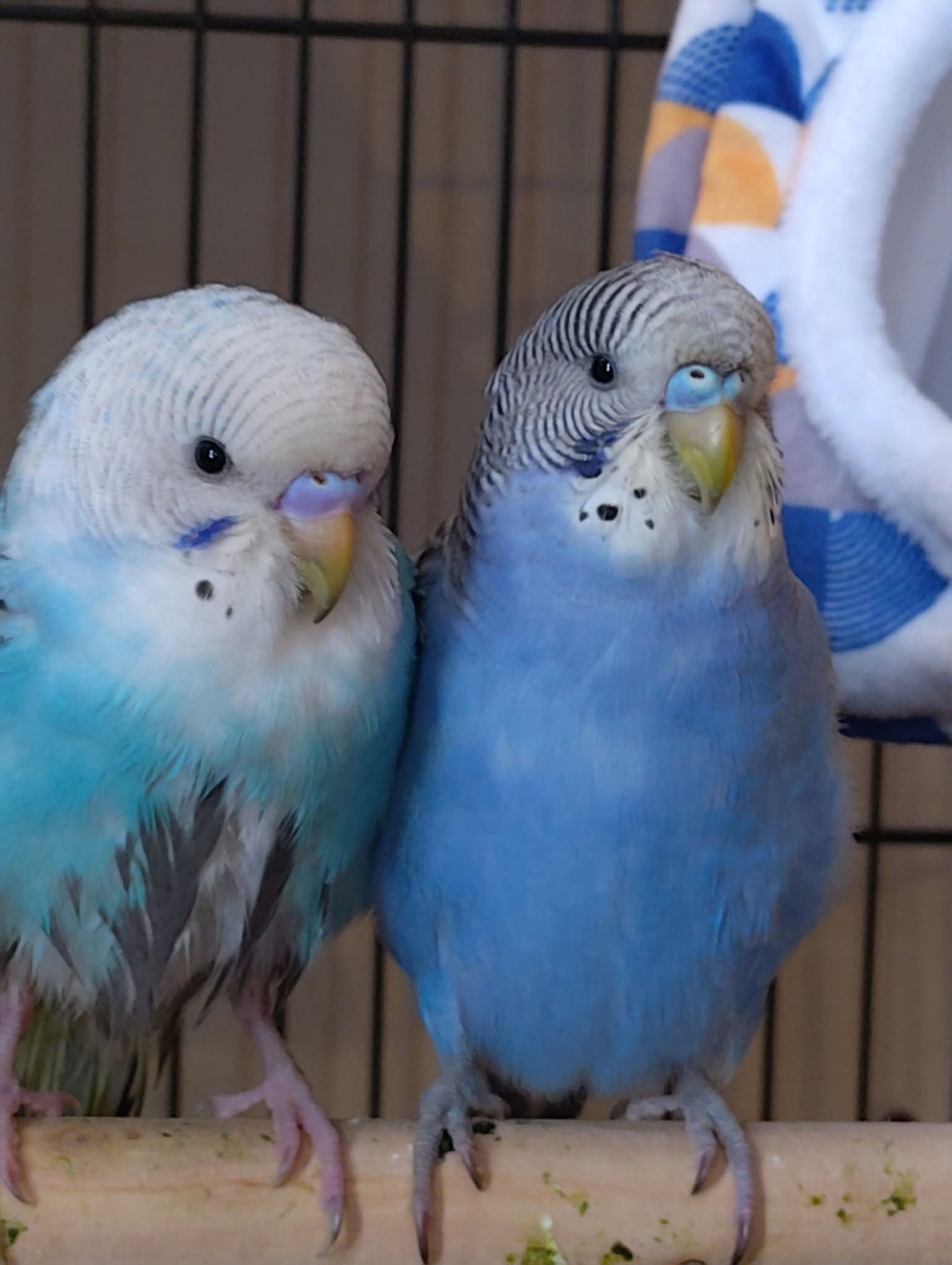
Knowing that a budgie “needs a cage” is different from knowing it needs a minimum of 45 to 60cm of horizontal flying space. Knowing that a leopard gecko “needs heat” is different from knowing you need an actual temperature gradient across the enclosure, measured properly with the right tools, not just a single ambient room temperature. The surge in ownership has not been matched by an equivalent surge in the depth of knowledge most new owners actually acquire before bringing an animal home.
Point Two: Online Buying Without A Proper Conversation First
A meaningful share of this growth has happened through online purchasing, where an animal can be bought and delivered without ever having a genuine conversation with someone who keeps that species and can ask the right questions first — questions about housing, about previous experience, about whether the buyer’s actual situation suits the animal.
I do not say this purely out of self-interest as someone who runs a physical shop, though I will not pretend that is entirely absent from my thinking either. I say it because the conversations I have at this counter regularly catch problems before they become problems — a cage that is genuinely too small, an enclosure setup that will not provide an adequate temperature gradient, a species mismatch with a buyer’s actual living situation. Online purchasing, for all its convenience, frequently skips that conversation entirely.
Point Three: Underestimating What “Exotic” Actually Means For Veterinary Care
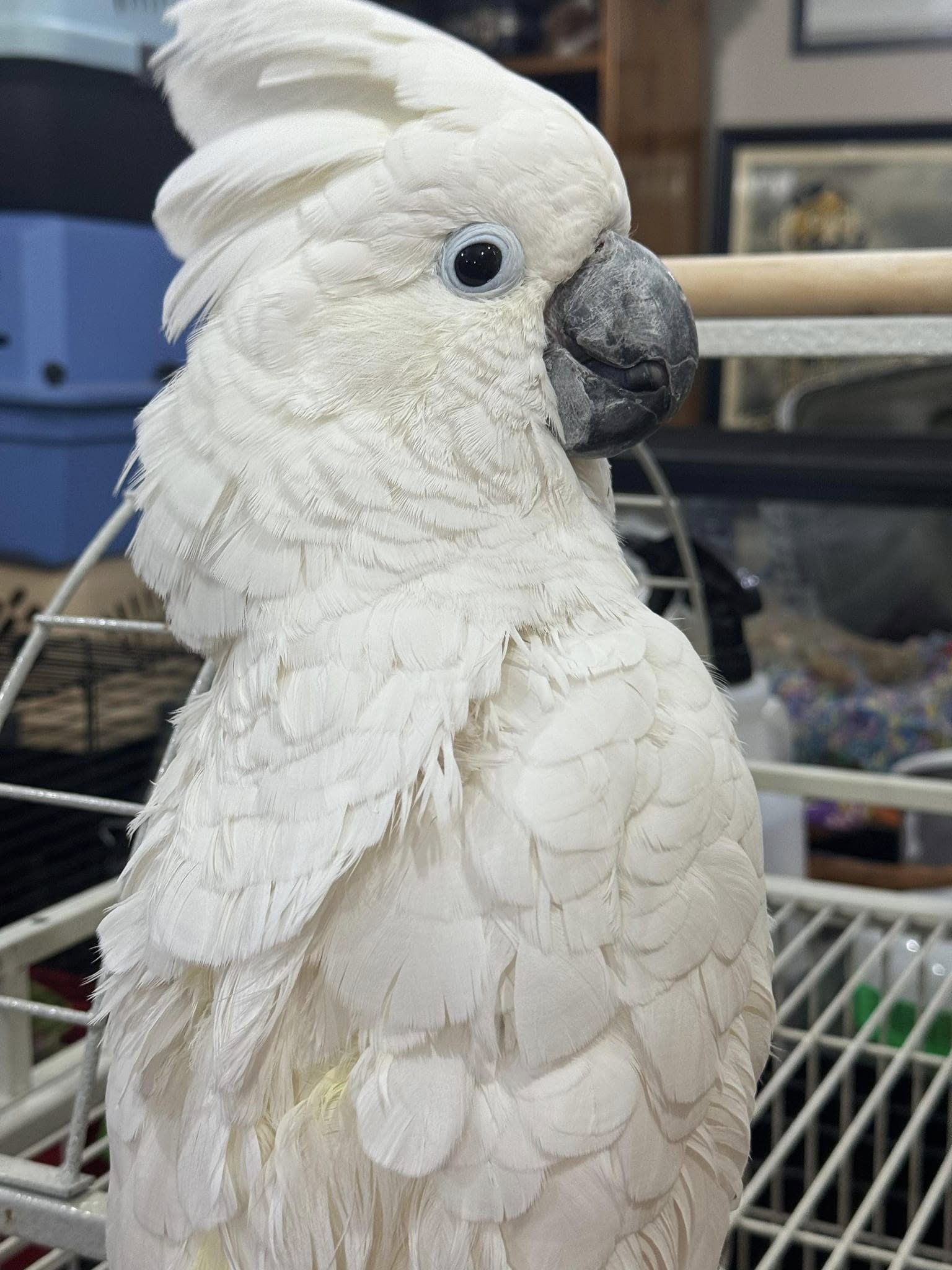
This is a genuinely serious gap, and it is not really the fault of individual owners at all — it reflects a structural issue with how veterinary services in this country have kept pace, or not, with the surge in exotic pet ownership. Surveys of UK vets have found that a striking 80% believe exotic pets generally are not having their welfare needs properly met, and access to a genuinely knowledgeable exotic or avian vet remains considerably patchier than access to a standard small animal vet for cats and dogs.
A new bird or reptile owner frequently does not discover this gap until they actually need it — when their bird shows signs of illness and the nearest vet has limited experience with that particular species, or when an exotic pet needs urgent treatment and the closest specialist practice is a genuine drive away rather than a short walk. This is a real, practical consequence of the surge outpacing the infrastructure built to support it.
Point Four: Species Chosen For Trend Appeal Rather Than Genuine Fit
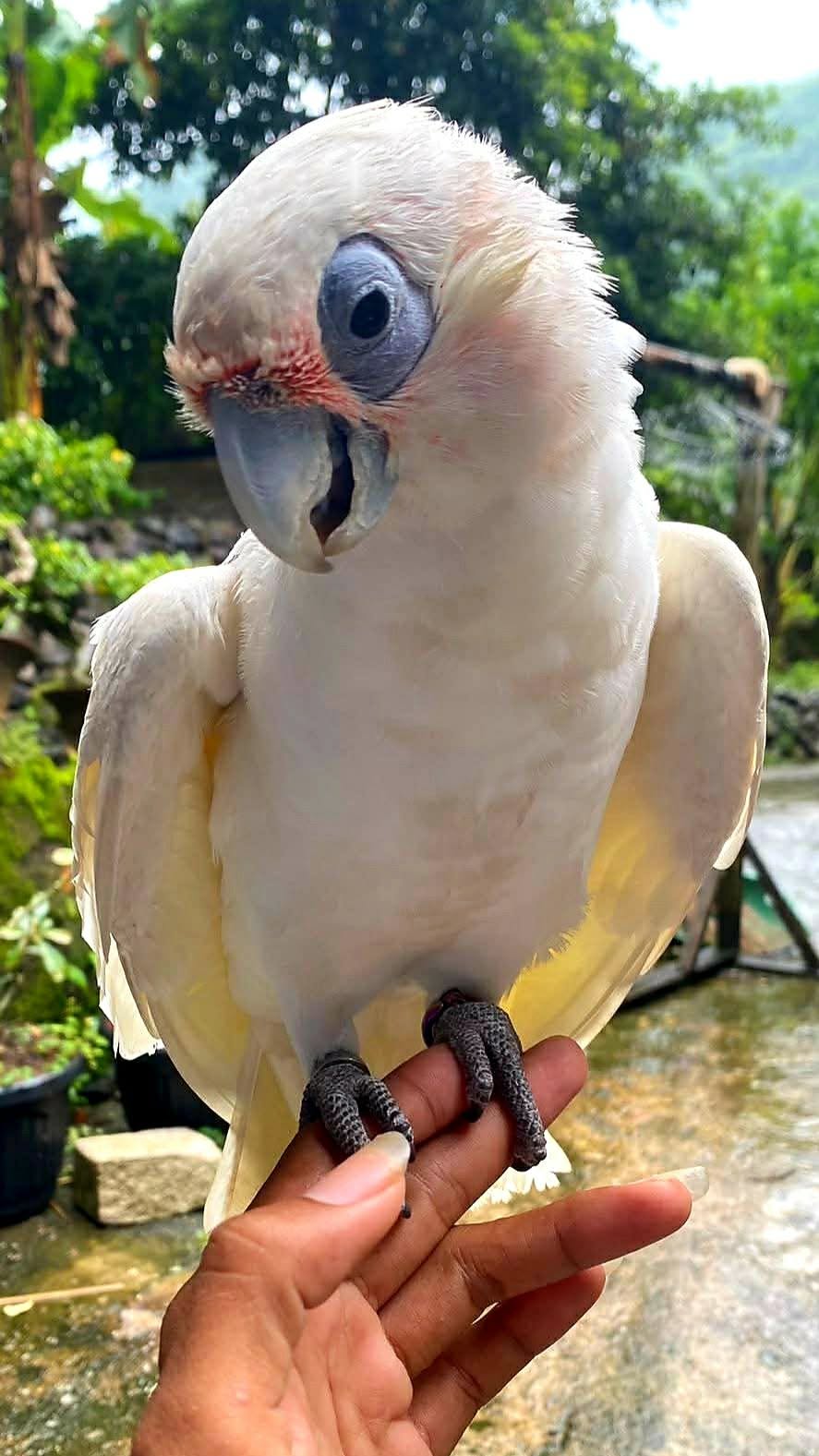
Social media has genuinely put species like axolotls and crested geckos in front of millions of potential new keepers in a way that simply did not happen even a decade ago, and that exposure has driven real growth in those specific species’ popularity. Some of that growth represents people genuinely discovering an animal that suits them well. Some of it, honestly, represents people drawn in by how a species looks or performs online, without having properly considered whether its specific care requirements suit their actual life.
This is not a new problem in pet keeping generally — I have written elsewhere about the same mismatch happening with hamsters, rabbits, and other more traditional pets too. But the speed and reach of social media exposure for newer exotic species means this particular mismatch can happen at a genuinely larger scale and faster pace than it used to.
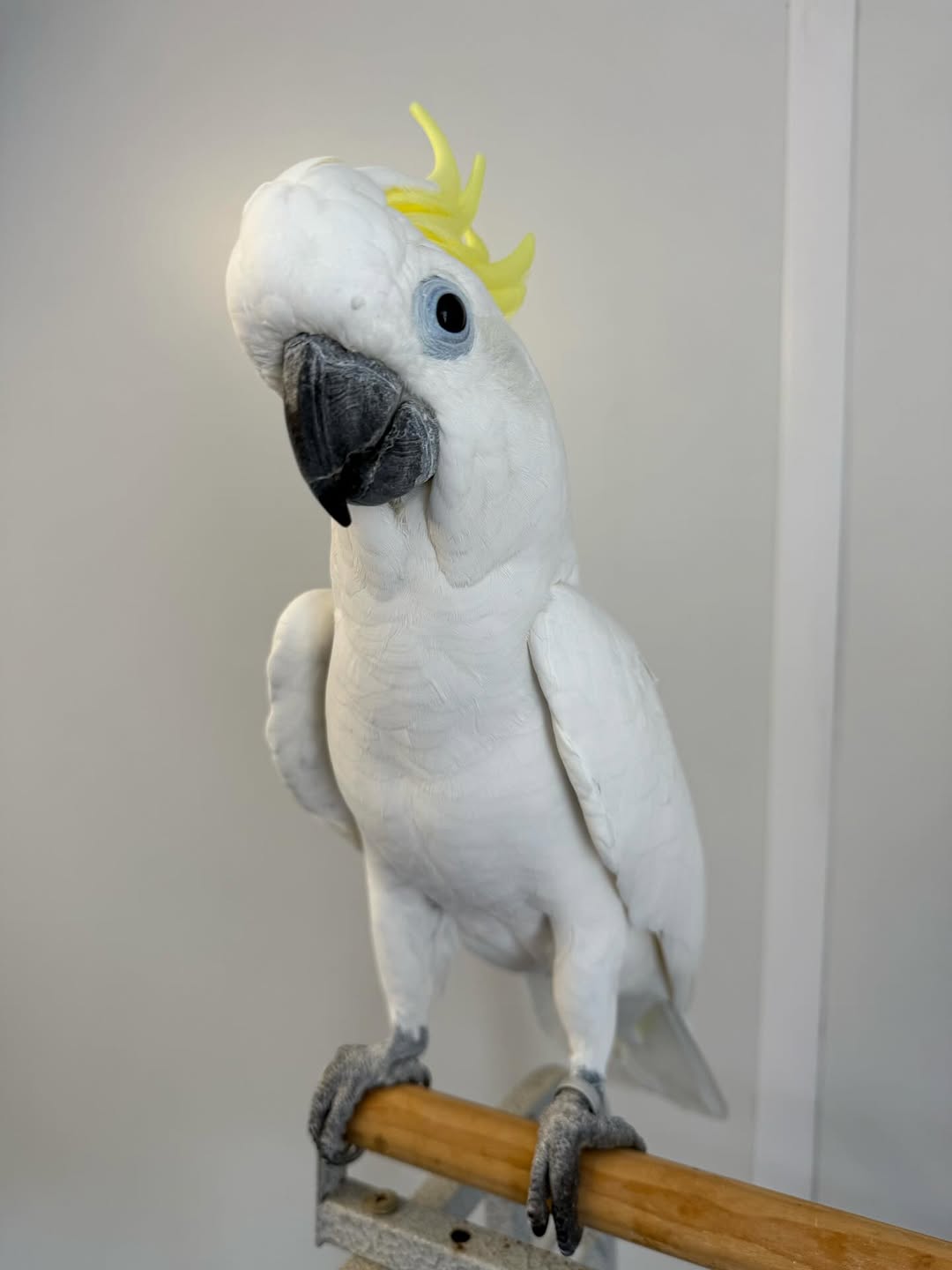
What Genuinely Good Exotic And Bird Ownership Looks Like Instead
None of this is an argument against keeping birds or exotic pets — I have spent 35 years selling and advocating for exactly that. It is an argument for closing the specific gaps this surge has revealed.
Research properly, beyond the first few search results — look for detailed, species-specific care guides rather than general overviews, and be suspicious of anything that makes a species sound easier than it likely is. Have a genuine conversation with someone experienced before buying, whether that is a proper specialist shop, a breeder, or an established keeper, rather than relying purely on an online listing. Identify a genuinely knowledgeable vet for your specific species before you need one in an emergency, not after. And choose a species because its actual care requirements suit your actual life, rather than because it looks appealing in a video or on a shelf.
Frequently Asked Questions
Is it true the UK now has more pet birds than ever before?
The UK currently keeps an estimated 3 million pet birds according to UK Pet Food (formerly PFMA) figures, reflecting steady growth in this category over recent decades, though the figure has fluctuated somewhat year to year rather than rising in an uninterrupted straight line.
What counts as an “exotic pet” in these statistics?
There is no single universally agreed definition, but it generally includes reptiles, amphibians, many birds, and exotic mammals that do not have the same long domestication history in the UK as cats and dogs. Some bodies count larger parrots and other birds within this category specifically because of their care complexity and wild-type behaviour.
Why do so many vets think exotic pets aren’t having their welfare needs met?
This generally reflects a combination of factors — the relative newness of many exotic species in mainstream pet keeping, gaps in widely available, accurate care information, and a shortage of vets with genuine specialist experience in less commonly kept species, compared with the long-established infrastructure around cat and dog care.
Is buying an exotic pet or bird online actually a problem if I’ve done my research?
Research helps considerably, but it does not fully replace the value of a genuine conversation with someone experienced who can ask about your specific situation and catch potential mismatches before they become a problem. Buying online is not automatically irresponsible, but pairing it with proper, in-depth research and ideally a conversation with a knowledgeable source gives a much better outcome than research alone.
Are reptiles or birds the bigger driver of the UK’s exotic pet growth?
Reptiles have been the fastest-growing specific category recently, up 31% between 2020 and 2025, while bird ownership has grown more steadily over a longer period. Both contribute meaningfully to the overall roughly 60% rise in exotic pet ownership since 2000.
What’s the single most useful thing a new owner can do to avoid the mistakes in this article?
Find a genuinely knowledgeable source — whether a specialist shop, an experienced keeper, or a vet with real expertise in your specific species — before you buy, not after a problem appears. That single step closes most of the gap between surface-level research and the depth of knowledge a species actually needs.
One Last Thing From Me
The man with the gecko left that day with a proper thermometer setup and a genuinely useful conversation about temperature gradients he had never come across in his earlier research. His gecko, as far as I know, went on to do well, and I think that is exactly the outcome this whole trend should be aiming for — not fewer people keeping birds and exotic pets, but more of those people having the depth of knowledge their animal actually needs, rather than the surface-level version the internet alone tends to provide.
Three million pet birds and a 60% rise in exotic ownership represents a genuine, ongoing shift in how this country keeps animals, and after 35 years in this trade I think that shift is mostly a good thing. But growth in numbers without an equivalent growth in genuine, specific knowledge is exactly where welfare problems creep in — quietly, animal by animal, rather than as some dramatic single failure anyone would immediately notice.
If you are considering a bird or exotic pet, or already keep one and want an honest conversation about whether your current setup genuinely meets what it needs, come and find us at Manor Garden Centre, Cheney Manor, Swindon SN2 2QJ. Get in touch here or call 01793 512400.
Considering A Bird Or Exotic Pet? Come And Talk To Us Properly First
We will give you an honest conversation about what a species genuinely needs before you commit, not just a sale. Come in with your questions and your real situation.