

Neil has kept, bred, and sold pet birds at Paradise Pets Swindon since 1988 — over 35 years of helping UK owners identify the small welfare issues that most British bird owners never spot until they become significant problems. UK Invasive Species Week 2026 runs from 22 to 28 June, coordinated by the GB Non-native Species Secretariat (NNSS), raising awareness about non-native species that have established themselves in British environments. Among the 2,000+ invasive non-native species in Great Britain is one that most UK pet bird owners have never heard of — but which is almost certainly already inside their bird’s cage right now, hiding in the seed bowl. This is his honest, practical guide to the Indian Meal Moth (Plodia interpunctella) — the invasive pest already inside most UK bird cages, what it does to your bird’s nutrition and welfare, the warning signs UK owners should check for today, and exactly how to remove it.
A woman came into the shop one Tuesday morning, holding a bag of bird seed she had bought elsewhere a few weeks earlier. She had opened the bag to refill her budgie Pickle’s seed bowl and noticed something that genuinely concerned her — small grey-brown moths fluttering out, webbing throughout the seed, and tiny pale larvae crawling near the bottom. She had been feeding Pickle from this exact bag for two weeks. She wanted to know whether her budgie was now eating insects, whether the seed was still safe, and most importantly — whether she had done something wrong.
I sat with her for half an hour and explained what she had actually discovered. The pest she had found was the Indian Meal Moth (Plodia interpunctella) — one of the most successful invasive non-native species ever established in Great Britain, originally from tropical regions but now genuinely worldwide. The good news was that Pickle was fine — budgies will sometimes eat moth larvae and the protein does not harm them. The honest news, which she had not previously been told by anyone, was that her bird’s seed had been compromised in ways that did affect the nutrition Pickle was receiving, and that the same pest was almost certainly already in seed bags belonging to many other UK pet bird owners across her local area, including some who had never noticed.
I am writing this article because UK Invasive Species Week 2026 (22-28 June 2026) is the right moment to raise awareness about a specific invasive non-native species that genuinely affects UK pet bird welfare in ways most British owners have not been told about. The Indian Meal Moth has been established in UK homes, garages, sheds, and bird-keeping spaces for decades. It is the single most common pest in stored UK bird seed. It compromises seed nutrition, indicates seed quality issues, and represents an ongoing welfare concern that UK pet bird owners can address with simple practical steps once they know what to look for.
This article is the conversation I have at the counter with UK pet bird owners who have just discovered moths in their seed and want to understand what they are actually dealing with. By the end of it, you will understand exactly what the Indian Meal Moth is, why it counts as a UK invasive non-native species, how it gets into UK bird cages, what it does to your bird’s nutrition, the specific warning signs to check for today, exactly how to remove an infestation, and how to prevent it from coming back.
What Is UK Invasive Species Week 2026
For UK readers wanting to understand the wider context, here is the honest picture of what Invasive Species Week represents and why it matters to UK pet bird owners.
What UK Invasive Species Week 2026 actually is:
- Annual UK awareness week running 22-28 June 2026
- Coordinated by the GB Non-native Species Secretariat (NNSS)
- Partnership with the UK Animal and Plant Health Agency (APHA)
- Raises awareness about invasive non-native species in Great Britain
- Over 2,000 established non-native species in GB according to GB Non-Native Species Information Portal
- Hashtag #INNSweek used across UK social media
- Supports the UK Invasive Non-Native Species Strategy 2023-2030
- Target to reduce new establishments by 50% by 2030 compared with 2000 levels
- Includes terrestrial, freshwater, and marine invasive species
- Educates UK households about prevention and identification
The wider context matters. Invasive non-native species play a role in around 60% of all global plant and animal extinctions, and the costs of managing them have quadrupled every decade since 1970. The UK keeps watch on 2,000+ established non-native species across its environments, and the GB strategy aims to reduce the establishment rate substantially by 2030.
For UK pet bird owners specifically, the relevance is direct. Among those 2,000+ established non-native species are several that affect UK pet bird welfare directly — and the Indian Meal Moth is the one most likely to be in your home right now. Invasive Species Week 2026 is the right moment for UK pet bird owners to learn about this specific welfare issue and act on it.
The Hidden Pest — Indian Meal Moth Identification
For UK pet bird owners wanting to understand exactly what they may already have in their bird cages, here is the honest identification picture for the Indian Meal Moth.
What the Indian Meal Moth (Plodia interpunctella) actually is:
- Scientific name Plodia interpunctella — also called Pantry Moth or Bird Seed Moth
- Invasive non-native species in Great Britain — originally from tropical regions
- Now established worldwide through global trade in stored grains and seeds
- One of the most successful stored-product invasive species ever
- Adult moths approximately 8-10mm long with distinctive bi-coloured wings
- Wings grey at base, reddish-brown at tips — distinctive identifier
- Larvae are cream-coloured worms about 6mm long with brown heads
- Eggs are microscopic and laid directly in stored seed
- Complete life cycle in approximately 27 days in warm conditions
- Females lay up to 200 eggs each — populations grow rapidly
- Adults live approximately one week and do not eat — only larvae feed
- Pupae form silken cocoons often in cage corners or storage container seams
The key identification features UK pet bird owners need to recognise:
- Silken webbing in seed — the most reliable telltale sign of larval activity
- Tiny grey-brown moths near seed storage — adults emerging from infestation
- Cream-coloured larvae with brown heads in seed — about 6mm long when fully grown
- Adult moths flying in zigzag patterns rather than direct flight
- Brown moths on walls or ceilings near bird seed storage — wandering pupating larvae
- Tiny silken cocoons in cage corners or seed bag seams — pupal stage
- Small dark pellets in seed — larval frass (waste)
- Clumped or stuck-together seed indicating webbing presence
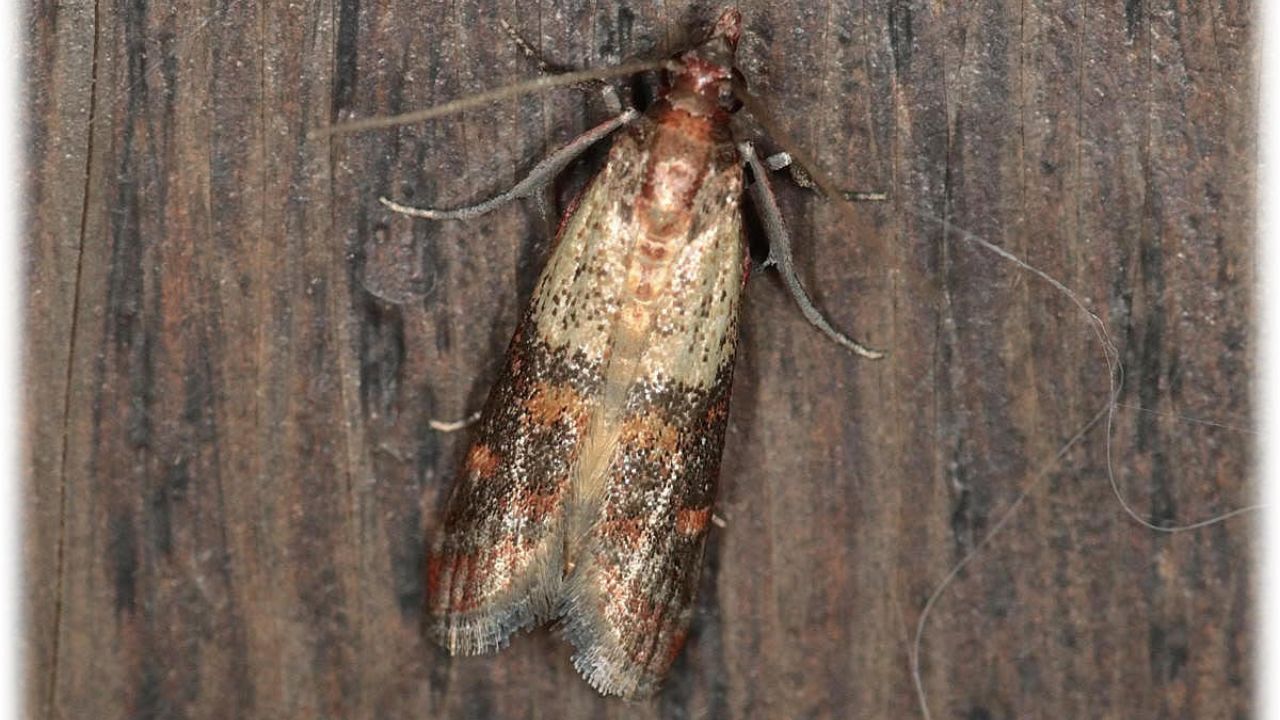
After 35 years at the counter, I can tell you that the single most reliable identification sign for UK pet bird owners is the silken webbing in the seed. Once you have seen it, you will recognise it instantly. Before you have seen it, it can easily be mistaken for old or compressed seed. The webbing is genuinely fine and silky, and it binds seeds together in small clumps. If you see this in your UK pet bird’s seed, you have an Indian Meal Moth infestation.
How The Indian Meal Moth Got Into Your UK Bird Cage
For UK pet bird owners wondering how this invasive non-native species ended up in their home, here is the honest picture based on how the species spreads.
How Indian Meal Moths reach UK pet bird cages:
- Eggs or larvae already present when you bought the seed — most common entry route
- Seed bag infested at the production or storage facility before retail
- Adult moths laying eggs in your home after escaping from another infested source
- Larvae chewing through thin plastic packaging — they can penetrate sealed bags
- Cross-contamination from other infested pet foods — dog food, cat food, fish food
- Cross-contamination from kitchen pantry items — flour, cereals, dried fruits, nuts
- Moths flying into UK homes through open windows in summer months
- Stored seed for extended periods increasing infestation development time
- Warm storage conditions accelerating life cycle
- Bulk purchases without rotating stock allowing populations to establish
The reality most UK pet bird owners do not realise is that Indian Meal Moths are almost certainly entering their home through the bird seed itself, in eggs or early larvae present at purchase. The seed bag looks clean. The seed itself looks fine. But the eggs are microscopic, the early larvae are tiny, and by the time you can see the infestation clearly, the population has typically been developing for several weeks.
This is not a reflection of poor pet shop quality or owner negligence. The Indian Meal Moth’s ability to be present in stored seed at low levels without obvious signs is exactly what makes it such a successful invasive species. Even welfare-led UK pet shops with good storage practices can have infestations develop in stock because the moths are essentially everywhere in the UK seed supply chain.
The honest implication for UK pet bird owners is that infestations are not something to feel guilty about — they are something to identify quickly and address effectively when they appear. Knowing what to look for and what to do is what genuinely protects UK pet birds.
The Welfare Problem For UK Pet Birds
For UK pet bird owners wondering whether Indian Meal Moth infestations actually harm their birds, here is the honest welfare picture based on what 35 years of seeing this issue has shown.
Welfare implications of Indian Meal Moth infestations in UK pet bird seed:
- Reduced nutritional value of infested seed — larvae consume the most nutritious parts
- Seed becomes contaminated with frass (larval waste)
- Webbing physically interferes with bird feeding — particularly for smaller species
- Some birds become reluctant to eat heavily infested seed — leading to reduced intake
- Cross-contamination with other stored foods in the UK home
- Potential introduction of mites or other secondary pests through compromised seed
- Increased waste of expensive UK pet bird food
- Long-term storage allows multiple generations to develop and worsen quality
- Eggs and small larvae often consumed unknowingly by birds
- Cage hygiene compromised by ongoing presence of moth larvae and pupae
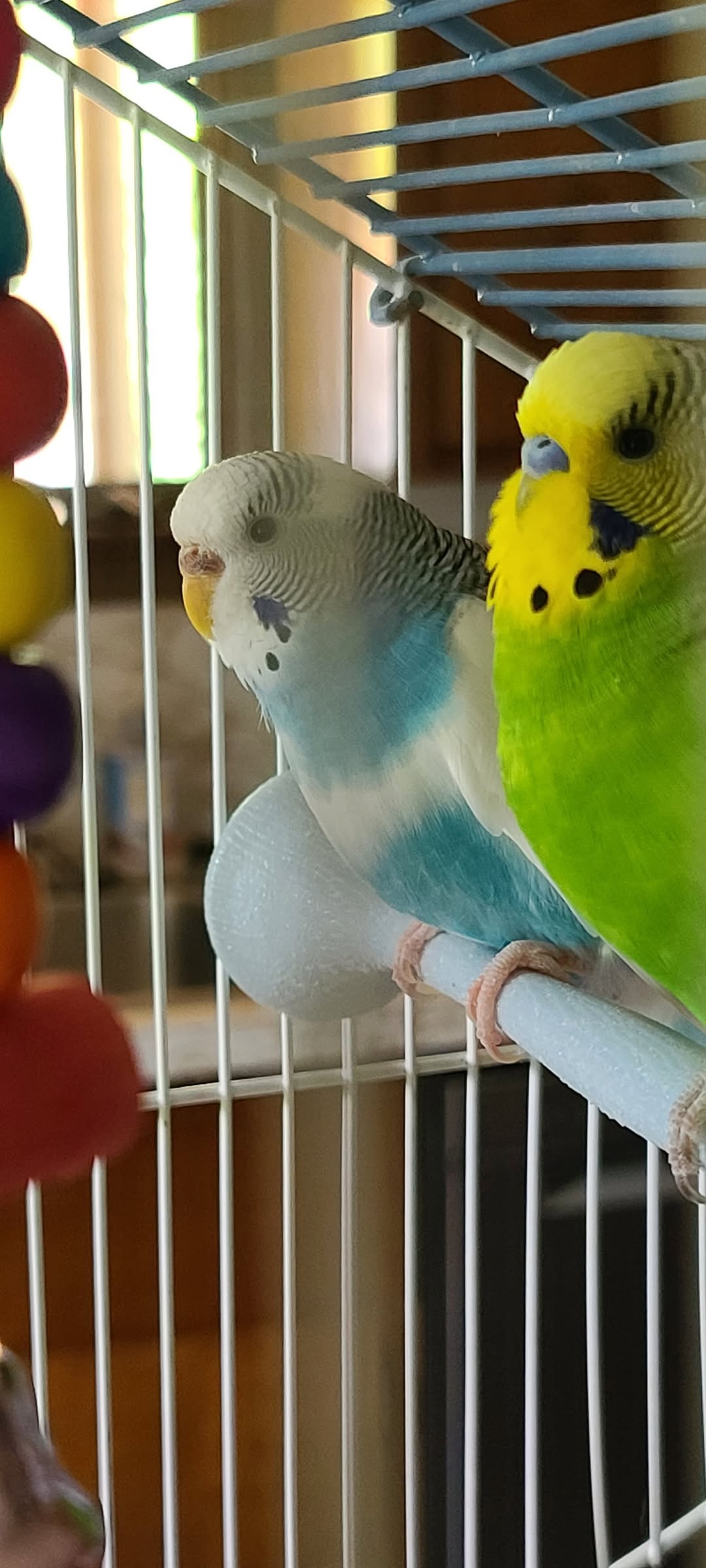
The honest news is that Indian Meal Moths themselves are not directly toxic to UK pet birds. Birds will eat moth larvae and the extra protein does not harm them. Some keepers note that pet birds actually enjoy the larvae as occasional protein supplements.
The genuine welfare problem is more subtle and ongoing. Heavily infested seed has reduced nutritional value because the larvae preferentially consume the most nutrient-dense parts (the germ and embryo). The webbing makes seed physically harder for birds to access cleanly. The frass contamination reduces seed quality. And the long-term presence of an infestation typically indicates seed has been stored too long or in conditions that are not ideal — which itself has nutritional implications independent of the moths.
For more on UK pet bird welfare standards generally, our article on the UK government’s updated pet welfare rules covers the wider regulatory framework that includes the Five Welfare Needs including proper diet provision.
How To Check Your UK Bird Cage Today
For UK pet bird owners wanting to check whether they currently have an Indian Meal Moth infestation, here is the honest practical inspection guide.
- Inspect the seed bag thoroughly
Pour seed into a clean container. Check the bag bottom and seams for webbing, larvae, or pupae. - Look closely at the seed itself
Spread seed thinly on a white surface. Look for silken webbing binding seeds together. - Check cage seed bowl carefully
Remove all seed. Examine bowl interior for webbing, frass, or larvae. - Inspect cage corners and crevices
Look for tiny silken cocoons in cage joints, perch ends, or food bowl mounts. - Check walls and ceiling near cage
Wandering pupating larvae often appear on vertical surfaces near infested seed. - Examine seed storage container
Check inside of storage container, particularly seams and corners. - Look around your storage area
Garage, shed, kitchen pantry — anywhere bird seed is stored may show signs. - Note any small grey-brown moths in the home
Particularly near food storage or in the bird-keeping room. - Check other pet foods or grains stored nearby
Indian Meal Moths spread between food sources readily. - Document what you find with photos
Helpful for identifying the specific stage and planning the removal approach.
The single most reliable inspection step is spreading the seed thinly on a white surface and examining for silken webbing. The webbing is genuinely visible once you know what to look for, and its presence is essentially diagnostic for Indian Meal Moth infestation. UK pet bird owners who do this inspection step routinely catch infestations at the early stage when removal is straightforward.
Step-By-Step Removal Protocol For UK Pet Bird Owners
For UK pet bird owners who have identified an Indian Meal Moth infestation, here is the honest step-by-step removal protocol. The good news is that removal is genuinely achievable with simple practical steps.
- Dispose of heavily infested seed immediately
Seal in a plastic bag and remove from house to outside bin. Do not put in indoor rubbish. - For lightly infested seed, freeze for 72+ hours
Kills all life stages — eggs, larvae, pupae, adults. Then safe to use. - Empty and thoroughly clean the cage seed bowl
Hot soapy water plus white vinegar. Pay attention to corners and bowl mounts. - Empty and clean seed storage container
Hot soapy water. Allow to dry completely before refilling. - Vacuum cage area thoroughly
Crevices, corners, perch ends. Empty vacuum bag/contents immediately to outside bin. - Check and clean pantry or storage area
Other foods may be affected. Inspect grain products, nuts, dried fruits, other pet foods. - Place pheromone moth traps near seed storage
Attracts and traps adult male moths. Available at UK pet shops and DIY stores. - Continue monitoring for 4-6 weeks
Eggs may hatch over this period. Check weekly during this monitoring phase. - Switch to airtight seed containers
Glass or strong sealed plastic. Replace flimsy bag storage entirely. - Buy fresh smaller quantities of seed going forward
First-in-first-out rotation. Avoid bulk storage that allows infestations to develop.
The single most impactful removal action is the deep freeze treatment for any seed you want to keep. Forty-eight to seventy-two hours in a domestic freezer kills all life stages of the Indian Meal Moth without affecting the seed’s nutritional value (assuming the infestation was caught early). For heavily infested seed where larvae have consumed significant nutritional content, disposal is the better option.
The single most important prevention step is the airtight container. Indian Meal Moths cannot establish in genuinely airtight containers — even larvae cannot chew through glass or rigid plastic. Switching from the original bag storage to proper sealed containers prevents most future infestations from developing.
For more on UK pet bird welfare-led care, our article on UK pet shops are still selling this one thing that is harming budgies covers another welfare issue most UK pet bird owners are not warned about at point of purchase.
Prevention Strategies For UK Pet Bird Owners
For UK pet bird owners wanting to prevent future Indian Meal Moth infestations, here is the honest practical prevention picture.
How to prevent UK pet bird seed infestations long-term:
- Buy smaller quantities of seed more frequently — first-in-first-out rotation
- Use airtight glass or strong sealed plastic containers — eliminate bag storage entirely
- Store seed in cool, dry conditions — below 18°C ideal, slows development
- Inspect every new seed bag at purchase — check for webbing or larvae before bringing home
- Freeze new seed for 72 hours before storage — kills any eggs present at purchase
- Keep seed storage area clean — vacuum regularly, wipe down surfaces
- Maintain pheromone moth traps near storage — early detection of new infestations
- Inspect cage seed bowl weekly — catch infestations at early stage
- Avoid bulk purchases unless storage conditions are properly controlled
- Check other stored grains and pet foods regularly — cross-contamination risk
- Keep windows closed near seed storage in summer — adult moths can enter
- Use cedar chips or bay leaves as natural deterrents — moths dislike both
The single most impactful long-term prevention measure is switching to airtight storage containers. After 35 years of advising UK pet bird owners on this specific issue, I have come to believe the bag-storage habit is the single most common avoidable cause of Indian Meal Moth infestations in British pet bird homes. Once seed is in genuine airtight containers, infestations essentially stop developing.
The second most impactful measure is the first-in-first-out rotation. Indian Meal Moth populations take time to develop. Seed used quickly is rarely a problem. Seed stored for months allows populations to establish and grow. Buying smaller quantities more frequently prevents the conditions that allow infestations to develop.
What To Tell UK Pet Bird Owners Who Have Never Heard Of This Pest
For UK pet bird owners reading this article who genuinely had not heard about Indian Meal Moths before, here is the honest reality check and reassurance.
- You are not alone — most UK pet bird owners have had this pest at some point
- Finding moths in your seed is not a sign of poor pet ownership — it is a sign of an invasive non-native species doing what it does
- Your bird is not in immediate danger from the moths themselves
- The seed nutrition has been reduced — replacement is sensible
- The infestation can be cleared with the protocol in this article
- Prevention going forward is straightforward — airtight storage plus rotation
- UK pet shop staff can identify and confirm if you bring a sample for inspection
- Avian vets can advise if you are concerned about your bird specifically
- The pest is genuinely common across UK households — not unusual or unique
- Awareness during Invasive Species Week 2026 is the practical first step
The honest summary is that finding Indian Meal Moths in your UK pet bird seed is unfortunate but completely manageable. The pest is one of the most common invasive non-native species in UK homes. It is not a reflection of poor ownership. Your bird is fine. The infestation is removable. Future prevention is straightforward.
After 35 years at the counter, I have come to believe Invasive Species Week 2026 is the right moment for UK pet bird owners to develop genuine awareness of this specific welfare issue — not because it is dramatic or dangerous, but because it is widespread, addressable, and currently under-discussed in UK pet bird care guidance.
Common UK Owner Mistakes With Bird Seed Moths
For balance, here are the genuine mistakes I see UK owners make most often once they have identified an Indian Meal Moth infestation.
- Throwing infested seed in indoor bins — spreads infestation throughout the home
- Assuming the bird is in immediate danger — the moths themselves are not toxic to UK pet birds
- Using insect sprays in or near cage — genuinely dangerous to pet birds; never use chemical sprays
- Continuing to feed heavily infested seed — nutritional value is reduced significantly
- Storing fresh seed in the same containers — without cleaning between batches
- Buying very large bulk quantities — that take months to use
- Keeping seed in original bag storage — bags are not moth-proof
- Ignoring small numbers of moths — populations grow exponentially
- Not checking other pet foods or grains — cross-contamination is common
- Treating as a one-off problem rather than ongoing prevention need
The single most dangerous mistake UK owners can make is using insect sprays in or near the bird cage. Pet birds have extremely sensitive respiratory systems, and aerosols, fumes, and chemical insecticides can be genuinely fatal. Never use chemical pest control products to address bird seed moths — they are not necessary, and they are far more dangerous to UK pet birds than the moths themselves.
The correct approach is mechanical and behavioural — disposal, freezing, cleaning, airtight storage, pheromone trapping. No chemical interventions are needed or appropriate for UK pet bird homes.
Frequently Asked Questions
What is the Indian Meal Moth and why is it called an invasive species?
The Indian Meal Moth (Plodia interpunctella) is a small grey-brown moth originally from tropical regions that has become established worldwide through global trade in stored grains and seeds. It is classified as an invasive non-native species in Great Britain because it was introduced by human activity and now thrives in UK environments where it would not naturally occur. It is one of the most successful stored-product pest species ever established, and one of approximately 2,000 invasive non-native species the GB Non-native Species Secretariat (NNSS) tracks across UK environments.
How do I know if my UK pet bird has Indian Meal Moths in their seed?
The most reliable diagnostic sign is silken webbing in the seed — fine, silky strands binding seeds together in small clumps. Other signs include cream-coloured larvae about 6mm long with brown heads visible in the seed, small grey-brown moths flying near seed storage in zigzag patterns, tiny silken cocoons in cage corners or seed bag seams, and dark pellets in the seed (larval frass/waste). Spreading seed thinly on a white surface and examining for webbing is the most reliable inspection method.
Are Indian Meal Moths dangerous to my pet budgie or cockatiel?
Not directly — the moths and larvae themselves are not toxic to UK pet birds. Birds will sometimes eat the larvae and the extra protein does not harm them. The genuine welfare concern is more subtle — heavily infested seed has reduced nutritional value because larvae consume the most nutrient-dense parts of the seed, webbing physically interferes with feeding, and the infestation often indicates seed has been stored too long. The honest welfare picture is that your bird is not in immediate danger, but the seed quality has been compromised.
How do I remove an Indian Meal Moth infestation from UK pet bird seed?
Dispose of heavily infested seed in a sealed plastic bag in your outside bin (not indoor bins). For lightly infested seed worth keeping, freeze for 72+ hours to kill all life stages. Empty and thoroughly clean cage seed bowl and storage container with hot soapy water plus white vinegar. Vacuum cage area thoroughly. Place pheromone moth traps near seed storage. Switch to airtight glass or strong sealed plastic containers. Continue monitoring for 4-6 weeks as remaining eggs may hatch. Never use chemical insect sprays near pet birds — extremely dangerous to their respiratory systems.
How do I prevent Indian Meal Moth infestations in my UK bird seed?
Buy smaller quantities of seed more frequently using first-in-first-out rotation. Store seed in airtight glass or strong sealed plastic containers — never in original bags. Keep seed in cool, dry conditions (below 18°C ideal). Inspect every new seed bag at purchase for webbing or larvae. Freeze new seed for 72 hours before storage to kill any eggs present at purchase. Maintain pheromone moth traps near storage as early detection. Inspect cage seed bowl weekly. The single most impactful prevention measure is switching from bag storage to genuine airtight containers.
Should I be worried that my UK bird seed has been infested for a while?
Not from a direct health perspective — UK pet birds eating Indian Meal Moth larvae have not been harmed. The protein is actually beneficial. The genuine concerns are reduced seed nutritional value (larvae consume the most nutritious parts), potential cross-contamination with other foods in your UK home, and the indication that seed quality and storage need attention. Replace the seed, clean thoroughly, switch to airtight containers, and the situation is fully addressed. There is no need to panic about previous exposure — focus on resolving the current situation and preventing recurrence.
Where can I get UK bird seed and welfare-led advice in Swindon?
Come and see us at Paradise Pets, Manor Garden Centre, Cheney Manor, Swindon SN2 2QJ. We stock welfare-led UK pet bird seed in appropriate quantities for rotation, airtight storage containers, pheromone moth traps, and proper cage cleaning supplies. We can identify suspected Indian Meal Moth samples and confirm what you have found. Free practical advice based on 35 years of helping UK pet bird owners identify and resolve seed welfare issues. Ring us on 01793 512400.
One Last Thing From Me
“Why did nobody tell me about this?” is the question UK pet bird owners ask me most often when they discover Indian Meal Moths in their seed, and one I think Invasive Species Week 2026 is genuinely the right moment to address. The honest answer, after 35 years of helping UK pet bird owners through this specific welfare issue, is — this invasive non-native species has been so widespread for so long across UK households that it has somehow fallen into the gap between “what UK pet shops mention at point of purchase” and “what UK welfare guidance covers in detail.” It exists. It is genuinely common. It affects UK pet bird welfare in subtle but real ways. And it is completely addressable once UK pet bird owners know what to look for and what to do. Invasive Species Week 2026 (22-28 June) is the right moment to bring this welfare issue into the open conversation it should always have been part of. The Indian Meal Moth is the invasive species most likely to be in your UK pet bird’s cage right now. After reading this article, you know how to spot it, remove it, and prevent it. That is genuinely valuable knowledge for any UK pet bird owner — and one of the most practical things any UK independent pet shop can offer during Invasive Species Week 2026.
The woman with Pickle that Tuesday morning? She went home with a clear understanding of what she had found, a practical removal protocol, and a set of airtight containers for future storage. Three months later, when she came back to the shop for fresh seed, she told me that Pickle was thriving, the infestation had not returned, and she had become genuinely curious about other UK pet bird welfare issues she might not have heard about. She had also told several friends with budgies and canaries about the moth issue — and several of them, on inspection, had discovered they had infestations too. The awareness had spread organically through her UK pet bird community in exactly the way Invasive Species Week is designed to enable.
That is what I want for every UK pet bird owner reading this article. Not the surprise of discovering an invasive pest in your bird’s cage without warning, but the practical knowledge to spot it, address it, and prevent it. The Indian Meal Moth is genuinely one of the most under-discussed UK pet bird welfare topics. Invasive Species Week 2026 is the right moment to change that, one UK pet bird owner at a time.
If you have a UK pet bird at home, please spend ten minutes today checking your seed for the signs covered in this article. The inspection is quick. The diagnostic is reliable. The removal protocol is straightforward. The prevention going forward is simple. Whether you find an infestation or not, the awareness itself is valuable — and the practical knowledge will serve UK pet bird welfare in your household for many years to come.
If you are local to Swindon and want to come in to talk about UK pet bird welfare, Invasive Species Week 2026, bring a seed sample for identification, or stock up on welfare-led supplies and airtight storage containers, we are always happy to help. After 35 years at the counter, addressing the welfare issues UK pet bird owners do not get told about elsewhere is one of the most genuinely valuable things any independent UK pet shop can do.
Need UK Pet Bird Seed Or Welfare-Led Advice? Come And See Me
We stock fresh UK pet bird seed in appropriate quantities, airtight storage containers, pheromone moth traps, and welfare-led supplies. Free practical advice on Indian Meal Moth identification, removal, and prevention based on 35 years of UK pet bird welfare experience. That is how we have done things since 1988.