
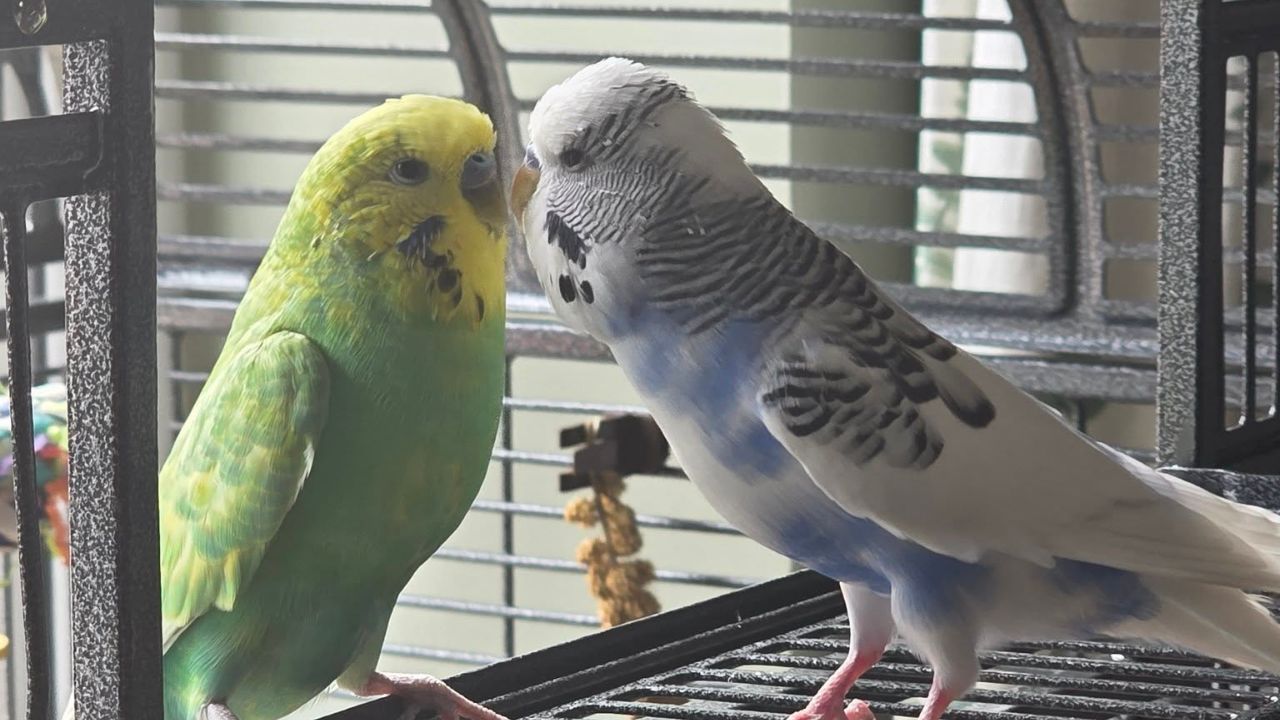

Neil has run Paradise Pets Swindon since 1988 — over 35 years of selling pet birds and watching what happens when new owners are told the right things before they take a bird home, and what happens when they are not. In 2026, more UK families are getting pet birds than at almost any point in his career. This is the one piece of advice he gives every single one of them first, and why it matters more now than ever.
I have a question I ask every person who comes to this counter to buy a bird. I have been asking it since 1988, and I will keep asking it until I retire, because the answer tells me more about how that bird’s life is going to go than almost anything else.
The question is not about the cage. It is not about the food. It is not about where in the house they plan to keep it, or whether they have other animals, or how long they are out during the day — though all of those things matter and we will get to them.
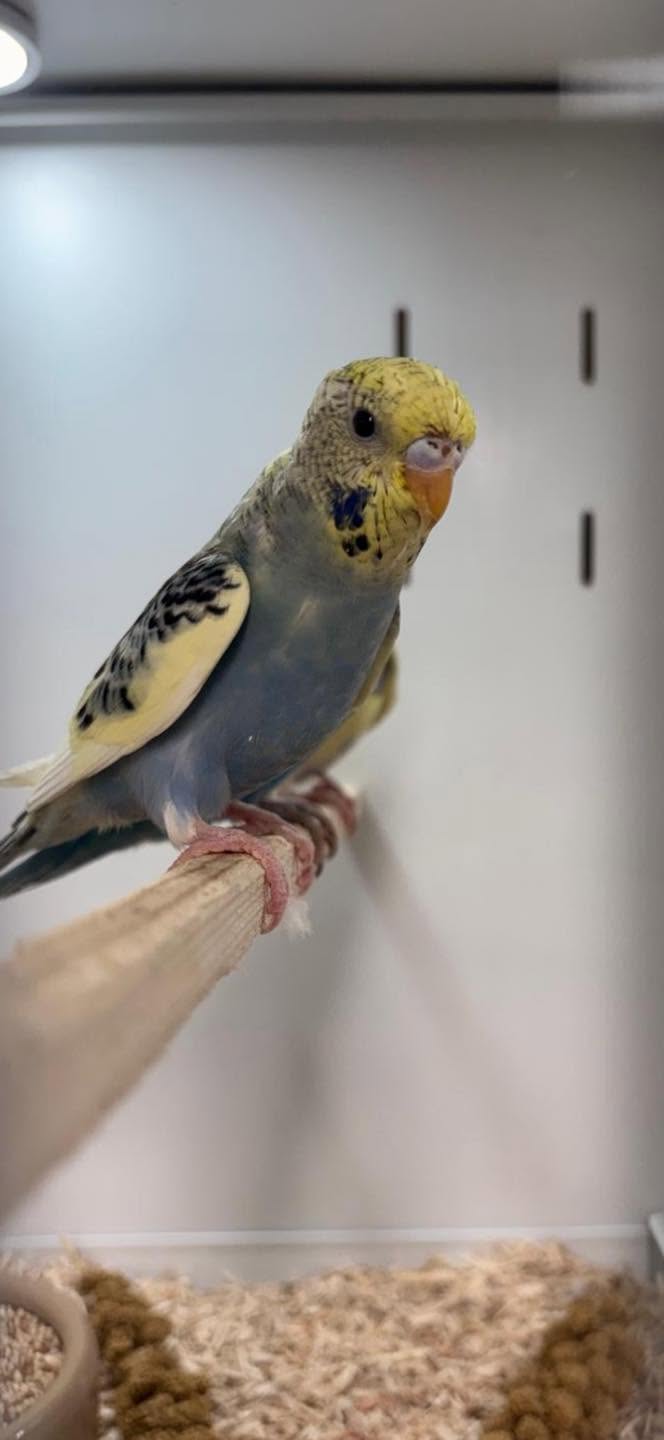
The question I ask first is this: do you know what your bird looks like when it is well?
Most people look at me slightly puzzled. They came in to buy a bird, not to answer a philosophy question. But the reason I ask it is entirely practical, and by the end of this article I hope you will understand exactly why it is the first thing — the one thing above all others — that I would ask any new bird owner to take seriously in 2026.
Why More UK Families Are Getting Pet Birds Right Now
The numbers behind the title of this article are real, and they are worth understanding before we get to the advice, because the context matters.
Pet ownership in the UK has climbed to 62 per cent of households in 2026 — almost two in every three homes — a figure that has recovered to its pandemic-era peak after a brief dip in 2023. There are now over 36 million pets in UK homes, and birds are firmly part of that picture, with around three million pet birds kept across the country and indoor birds ranking among the most common pet categories nationally.
The reasons for that growth are not difficult to understand. UK homes have become smaller on average, and a bird is a companion that works in a flat, in a terraced house, in a single room. The cost of entry is lower than for a dog or cat. The birds themselves — budgerigars especially, which remain the single most popular species by a significant margin — are genuinely engaging and entertaining in a way that surprises many people who expected something closer to a decorative object.
What that growth also means is that the shop counter is busier with first-time bird owners than it has been at almost any point in my career. People who have never kept a bird before, who may not know anyone who has, who have done some research online and are still not entirely sure what they are walking into. That is not a criticism — everyone who has ever kept a bird was a first-time owner once. But it is the reason that what I tell people before they leave with a bird matters so much, and why I want to share it here.
The Thing Nobody Tells New Bird Owners — And Why It Costs Birds Their Lives
Here is the biological fact that sits underneath all of this, and it is the one I wish was printed on every cage sold in the country.
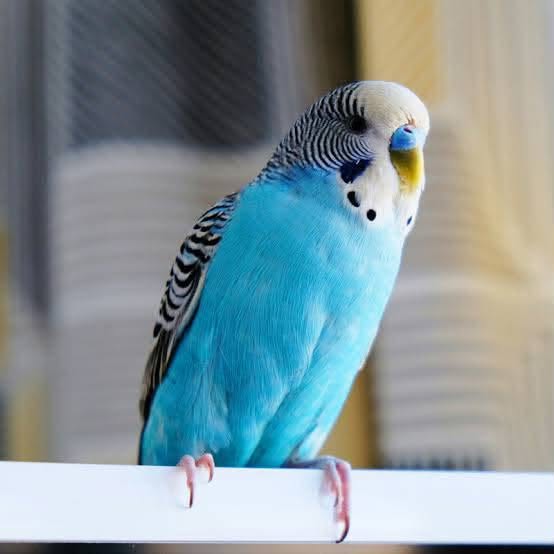
Birds are prey animals. They have been prey animals for millions of years of evolution. In the wild, a bird that shows visible signs of illness or weakness becomes a target — for predators, and often for members of its own flock. The instinct to conceal vulnerability is therefore not a quirk or an occasional behaviour. It is one of the most deeply embedded survival mechanisms in the animal. A bird that is unwell will use considerable energy to appear well for as long as it is physically capable of doing so.
What this means in practice is that the obvious signs of illness that people naturally watch for — a bird lying on the cage floor, refusing to eat, visibly distressed, clearly struggling — are almost always late-stage signs of a problem that has been developing for a significant period. By the time a bird looks obviously sick, it has usually been fighting something for days, sometimes weeks. The window for effective intervention has often already narrowed considerably.
The early signs are subtle. And subtlety, for a new owner who does not yet have a baseline for what their bird normally looks and acts like, is almost impossible to read.
A bird sitting with its feathers puffed up during the day when it would normally be active. Sleeping at times that are not its normal sleeping times. A reduction in vocalisation in a bird that is usually chatty. A change in the colour, consistency, or volume of droppings. Tail bobbing when at rest — a sign of respiratory effort that should never be dismissed. Any discharge from the nostrils or eyes, however minor it appears.
None of those things are dramatic. All of them are meaningful. And every single one of them requires a baseline — a picture of what this bird looks like, sounds like, and behaves like when it is completely well — before it can be recognised as a deviation from normal.
That baseline is what I am asking about when I ask whether a new owner knows what their bird looks like when it is well. And it is the thing I tell them to build — deliberately, actively, from the first day the bird comes home — before anything else.
How To Build A Baseline — And Why It Is Simpler Than It Sounds
I am not asking new owners to become avian veterinarians. I am asking them to spend five minutes a day, consistently, actually looking at their bird.
That sounds obvious. It is, in practice, less common than it should be. A bird that is present in a room becomes part of the background of that room very quickly. It is there, it is making noise, it appears fine — and the looking that would reveal a change in feather condition, a subtle shift in posture, a slight reduction in the normal level of energy and movement, does not happen because nobody is really looking.
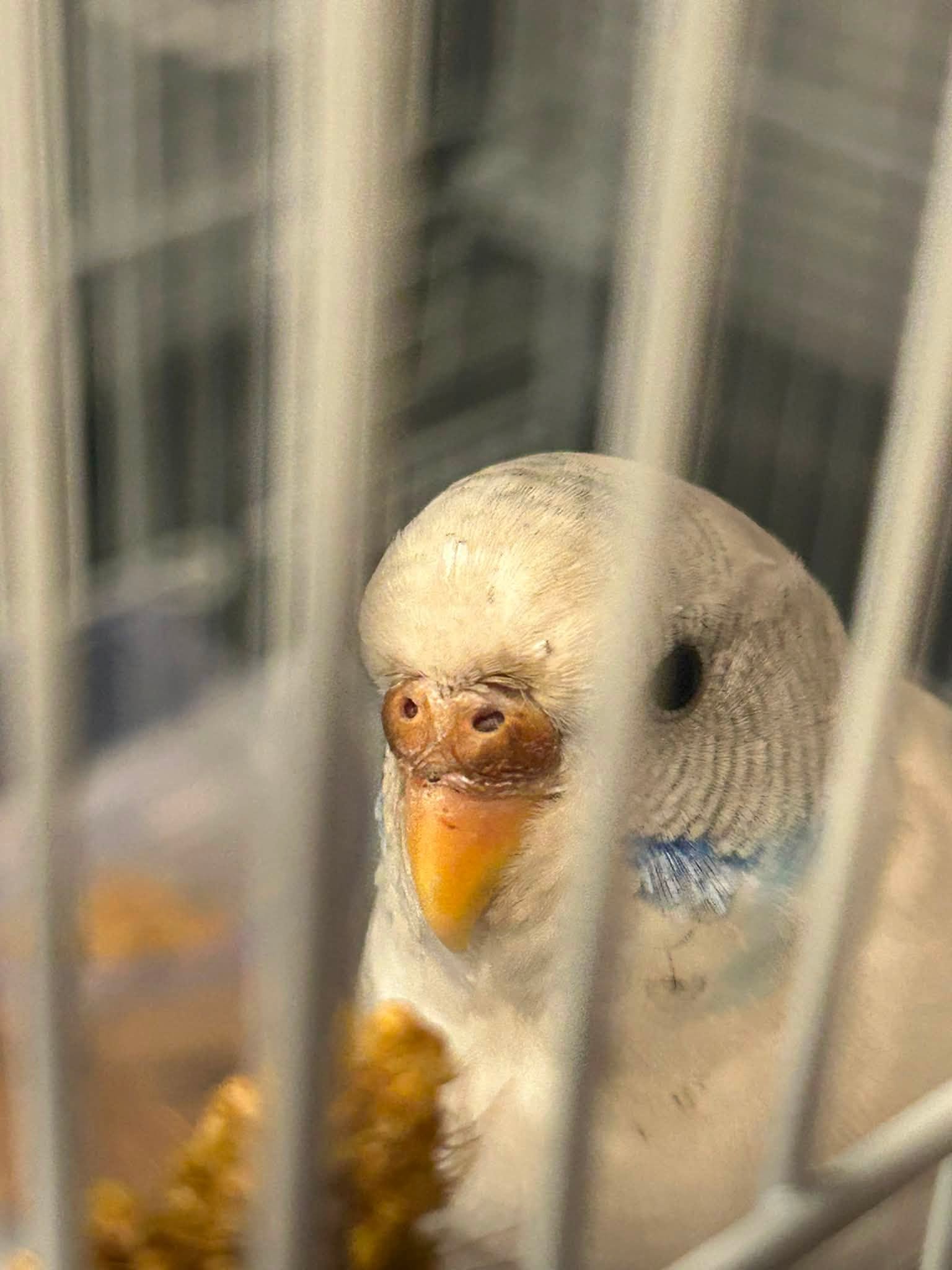
What I suggest to every new owner is this. In the first two weeks of having a bird home, make a deliberate point of observing it properly — not glancing at it, but watching it — for five minutes at roughly the same time each day. Note how it holds itself. Note where it sits. Note how active it is, how vocal, how interested in its food. Note what its droppings normally look like. Note whether it seems to prefer one perch or area of the cage. Build a picture of this specific bird’s normal.
After two weeks of consistent observation, that baseline is established. It does not go away. The comparison that allows you to say “this is different from how my bird usually is” becomes available — and it is the most valuable diagnostic tool a bird owner has, more useful than any checklist, because it is specific to your bird rather than a generalised average.
A budgerigar that is normally in the top third of the cage and chattering from mid-morning onwards, sitting quietly and puffed up at the bottom by early afternoon, has told you something. Whether you can hear it depends entirely on whether you established the baseline to compare against.
What Else New Bird Owners Need To Know In 2026
The baseline question is the first thing. It is not the only thing. The following are the other points I make to every new owner before they leave with a bird, because they are the ones that come up most consistently when things go wrong.
The Cage Is Probably Not Big Enough
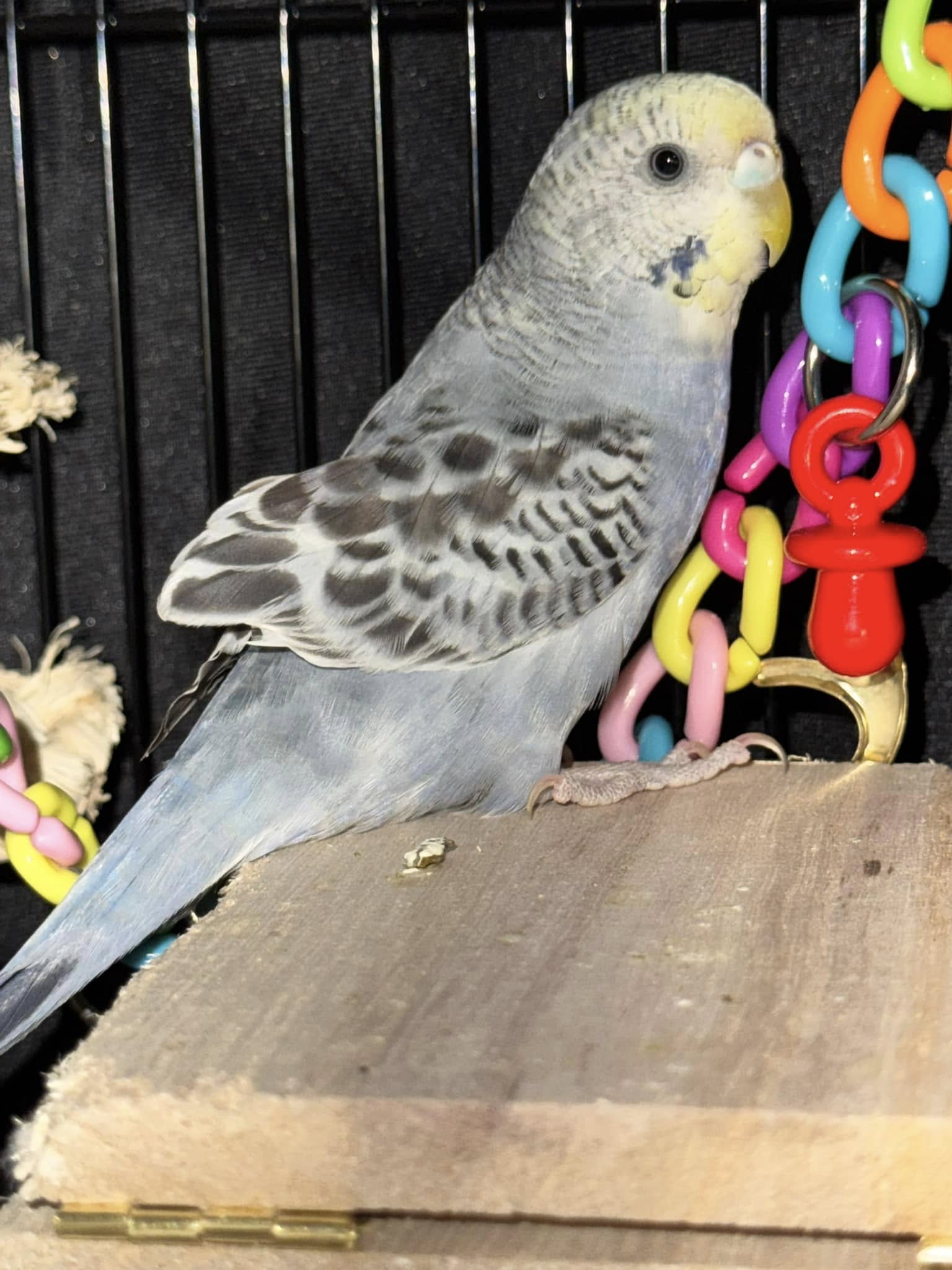
The cage sold and marketed as appropriate for a budgerigar in many retail environments — online and in shops — is, in a significant proportion of cases, too small. A budgerigar needs to fly laterally between perches. Not hop. Not turn around. Fly. If the cage you are looking at does not allow that, it is not the right cage, regardless of what the packaging says. Come and talk to us about what we would actually put a bird in before you spend money on something you will need to replace.
Seed Alone Is Not A Diet
A bowl of mixed seed that is topped up without being properly emptied and cleaned first, fed to a bird as its entire diet, is one of the most common and most preventable contributors to poor long-term health in pet birds. A properly balanced diet includes a quality seed mix or pellet base, fresh leafy greens offered regularly, cuttlebone for calcium and beak conditioning, and clean water changed every single day. It is not complicated. It does require more thought than a bowl topped up occasionally.
Your Home Has Hazards Your Bird Cannot Tell You About
Non-stick cookware heated to high temperatures releases fumes that can kill a bird in minutes. Scented candles, aerosol sprays, and air fresheners used in the same room as a bird are a persistent low-level respiratory risk. Cigarette smoke causes harm. Strong cleaning products used near the cage without adequate ventilation can cause acute distress. These are not unlikely events. They are the kinds of things that happen in normal households every day, and bird owners need to know about them before they matter rather than after.
Budget For Veterinary Costs Before You Need Them
I have written about the rise in veterinary costs in 2026 at length elsewhere on this site, and the short version is this: an avian veterinary consultation is not cheap, finding a vet with genuine bird expertise can take research depending on where you live, and the cost of delaying a veterinary visit because of cost concerns is almost always higher than the cost of the visit itself. Before you bring a bird home, know what veterinary care will cost in your area and have a plan for it — a savings buffer, appropriate insurance if it is available for the species, or at minimum a clear decision about what you will do if the bird becomes unwell
The Conversation I Would Rather Have Before Than After
I want to be honest about something that I think gets lost in a lot of general pet care advice.
The people who come back to me with a bird that has become seriously unwell, or that has died before its time, are not usually people who did not care. In 35 years, I have met very few bird owners who genuinely did not care about their animals. The vast majority of people who get a bird do so because they want something living and responsive in their home, and they care about it from the moment it arrives.
What they lacked was information. Not affection. Information.
They did not know that birds conceal illness. They did not know what their specific bird’s normal behaviour looked like, so they could not recognise when it changed. They did not know that the symptoms they were waiting for — the obviously sick bird, the one that looks bad enough to warrant concern — were the late signs rather than the early ones.
That gap between caring about a bird and knowing how to read a bird is the gap that this article is trying to close. And it is the gap that the conversation at this counter — the one I have been having since 1988, and that has not changed once — is designed to close before the bird comes home rather than after something has gone wrong.
If you are considering getting a pet bird, or if you have recently got one and something in this article has raised a question, come and talk to us. There is no question about bird care that we have not heard before, and no observation about your bird that is too minor to mention. The observation that seems too small to bother us with is very often exactly the right thing to bring to us early.
A Word Specifically For Families Getting A Bird For Children
A significant portion of the new bird owners I see in 2026 are families — parents getting a bird for a child, or getting one as a family pet that a child will be particularly involved with. I want to say something specifically to those families, because it is a slightly different conversation.
A pet bird is a genuinely wonderful experience for a child. Watching a budgerigar learn a whistle, responding to their voice, choosing to come to them — these are experiences that I have seen spark a lifelong interest in animals in children who would not have described themselves as particularly interested beforehand. The relationship a child can develop with a bird, given the chance and the right guidance, is real and meaningful.
What a bird cannot be, however, is a child’s sole responsibility without adult oversight. The daily observation that identifies early illness, the assessment of whether a change in behaviour warrants a call to a vet, the maintenance of appropriate diet and cage hygiene — these are adult judgements. A child can be involved in all of them, and that involvement is part of what makes the experience valuable. But the adult in the household needs to be genuinely engaged with the bird’s welfare, not just aware that it is there.
The bird that is the child’s bird in name but has no reliable adult advocate for its welfare is the bird most likely to end up in my shop in a carrier, showing symptoms that have been developing for two weeks because nobody with adult judgement was watching closely enough to notice.
That is not the experience I want for any family, and it is not what has to happen. A family that goes into bird ownership understanding what the animal actually needs — not what people assume it needs — can have a genuinely excellent experience. The preparation is the difference.
What is the best first bird for a complete beginner in the UK?
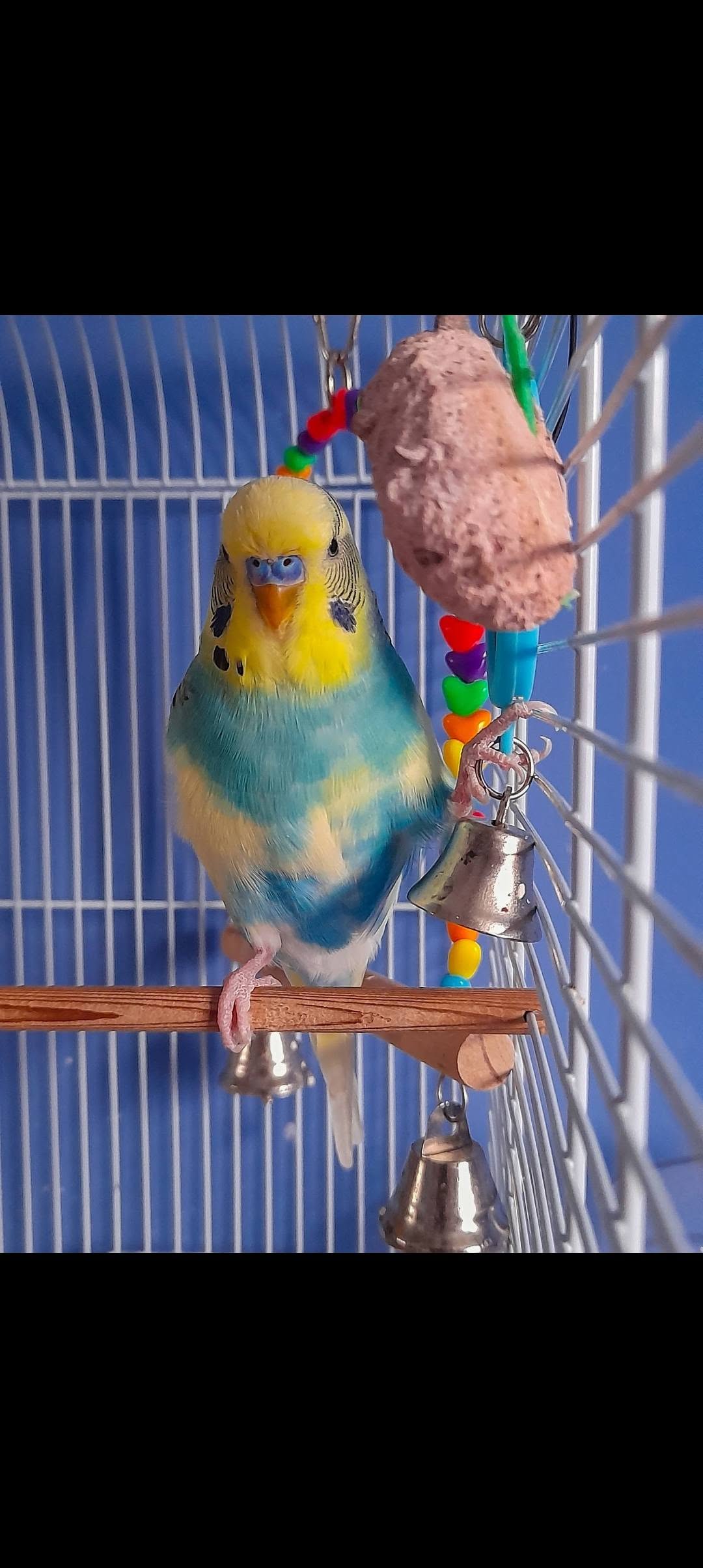
For most UK homes and most first-time owners, a budgerigar — ideally a pair — remains the most consistently appropriate choice. It is small, affordable, genuinely interactive, and more tolerant of the inevitable small mistakes of a first-time owner than most other species. That said, the right bird depends on your specific home, lifestyle, and how much time you realistically have. Come and have that conversation with us before you decide rather than after.
How do I know if my bird is unwell if the signs are so subtle?
You know because you have spent time establishing what your bird looks like when it is well. That is the whole point of the baseline I have described in this article. A specific bird’s normal — its usual posture, its usual level of activity and vocalisation, its usual droppings — is the only meaningful comparison. Any change from that normal that persists for more than a day or two without an obvious cause warrants a call to an avian vet.
How long does it take for a new bird to settle in?
Most birds take between one and three weeks to adjust to a new environment. During that period they may be quieter and less active than they will eventually become — which is one reason why building your baseline observation in the first two weeks is useful but should be treated with some allowance for the settling-in process. A bird that is still puffed up and withdrawn after three weeks, or that shows any of the specific symptoms I have described, is not still settling in. It needs attention.
Do I need to take my bird to the vet if it seems healthy?
A veterinary check shortly after getting a new bird from any source is a sensible step that I would recommend. It establishes a health baseline with a professional, identifies any existing issues that are not yet obvious to an inexperienced eye, and introduces you to an avian vet before you need one urgently. Finding that vet after your bird is acutely unwell, in an area where avian expertise is not common, is considerably more stressful and often more expensive than finding them when things are calm.
Is it better to get one bird or two?
For most people and most species, two is the more honest choice for the animal’s welfare. Budgerigars are flock birds. A single bird left alone for significant periods of the day without adequate human interaction is under social stress that has real consequences for its health. Two birds kept well cost only marginally more than one and are considerably better for each other. If you are certain you can provide genuine, consistent daily interaction with a single bird, that can work — but be honest with yourself about what your life actually looks like before you make that decision.
The Same Advice, Given Since 1988
The person who came in most recently to buy a first bird was a woman with her daughter, who was about eight years old and had been asking for a bird for most of the previous year. They left with two young budgerigars, a cage of the size I actually recommended, and a conversation that covered diet, early illness signs, the hazards in their kitchen, and what to do if they were ever unsure about anything they observed.
Before they left, I asked the daughter: do you know what your birds look like when they are well? She laughed, because they had only just left the cage. But she understood the question.
In a month, she will know the answer. And that knowledge — that specific, personal, daily-observation-built knowledge of her specific birds — is the most important thing she can bring to caring for them. More important than the food, the cage, the toys, or anything else I could sell her. It costs nothing, takes five minutes a day, and is the difference between an owner who can catch something early and one who does not notice until it is late.
That is the one thing I tell every new owner first. It is the same thing I have been telling them since 1988. And it has not become less important in the years since — if anything, in a year when more new bird owners are coming through this door than ever before, it has become more so.
Getting A Bird For The First Time? Come And Talk To Us Before You Decide.
We will give you an honest picture of what a pet bird actually needs — not just to survive, but to thrive. No pressure, no upselling. Just the same straight conversation we have been having at this counter since 1988.