


Neil has kept, bred, and sold cage and aviary birds at Paradise Pets Swindon since 1988 — over 35 years of first-hand experience with budgerigars, cockatiels, canaries, finches, and many other species. “How long will it live?” is one of the most important questions any new bird owner can ask. This is his honest, species-by-species answer.
A man came into the shop a while ago, thinking about getting his first bird. He had done some research, but one thing was bothering him. “Neil,” he said, “I keep seeing wildly different answers online about how long these birds live. One site says budgies live five years, another says fifteen. I just want an honest answer before I commit. How long do these birds actually live?”
It is one of the most important questions a UK bird owner can ask before buying, and I genuinely respect anyone who asks it. Because a pet bird is a real commitment — and the length of that commitment varies enormously between species. Some birds are with you for a handful of years. Others can outlive you. Knowing the honest answer before you buy is one of the most responsible things you can do.
The honest truth is this — the lifespan figures you see online are often badly outdated or simply wrong, and the difference between a bird that lives a short life and one that lives a long, healthy one usually comes down to how it is cared for. A budgie kept badly might not see three years. The same budgie kept properly can live well into double figures.
In 35 years of selling birds in Swindon, I have watched birds of every species thrive into old age — and seen others not make it past their first year, almost always because of preventable husbandry mistakes. This article gives you the honest lifespan for every common UK pet bird, explains what affects it, and tells you how to give your bird the best possible chance of a long life.
Why Lifespan Figures Vary So Much
Before I give you the species-by-species figures, let me explain why you see such wildly different numbers online — because understanding this helps you interpret what you read.
There are two main reasons the figures vary so much. The first is outdated information. Many of the lifespan figures still circulating were established decades ago, when birds were kept in worse conditions — small cages, seed-only diets, little understanding of avian health, and limited access to specialist vets. Birds kept that way did live shorter lives. But modern, well-kept pet birds live considerably longer than those old figures suggest.
The second reason is the enormous gap between potential lifespan and actual lifespan. A budgie has the genetic potential to live well into double figures. But a budgie kept on a poor diet, in a cramped cage, exposed to household toxins, and never seen by a vet may die years before its time. The “average” figures often reflect badly-kept birds dragging the numbers down, not the true potential of a well-cared-for bird.
So when I give you figures in this article, I am giving you the honest range for a well-kept bird — what you can realistically expect if you look after it properly.
Budgerigar — 8 to 12 Years
Let me start with the most popular pet bird in the UK. A well-kept budgie typically lives 8 to 12 years, with some individuals reaching 13 or 14 with excellent care. This is significantly longer than the “5 to 6 years” figure that still gets quoted in some places — that figure is outdated and applies to budgies kept in the poorer conditions of decades past.
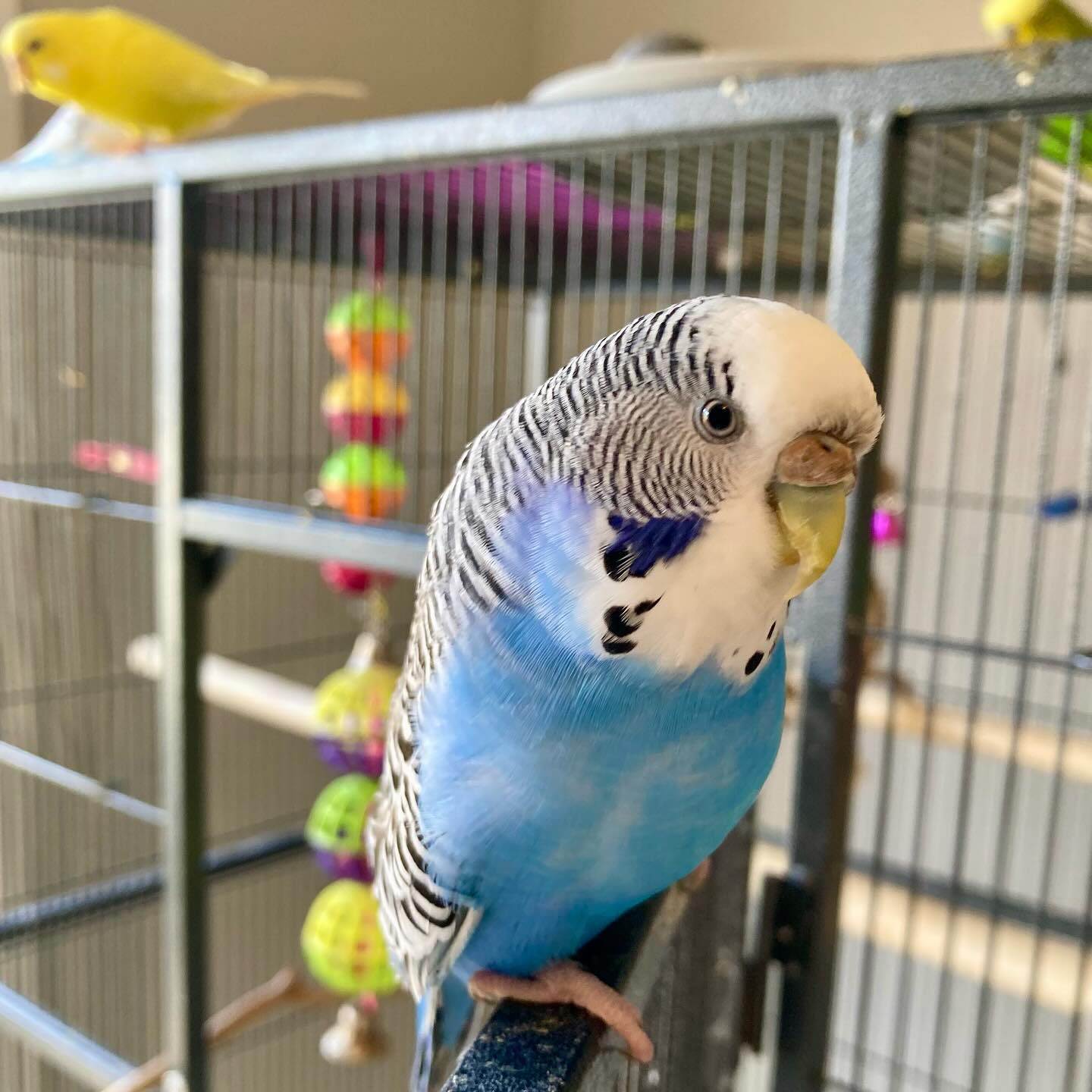
The difference between a budgie that lives 5 years and one that lives 12 is almost entirely down to husbandry. The biggest factors are diet (seed-only diets shorten lives dramatically), cage size, exposure to household toxins, and access to a good avian vet. A budgie fed a proper varied diet, kept in a decent-sized cage, protected from fumes, and given veterinary care when needed has every chance of reaching double figures.
For more on this, our complete guide on budgie lifespan covers exactly what affects it and how to maximise it.
Canary — 7 to 10 Years
The canary is another bird whose lifespan is often underestimated. A well-kept canary lives 7 to 10 years, sometimes longer. Like budgies, they were historically kept in conditions that shortened their lives, and the old figures reflect that.
Canaries are relatively hardy birds, and their lifespan benefits enormously from a good flight cage (they need room to fly), a proper diet beyond just seed, and protection from the temperature extremes and draughts of a typical UK home. A canary that gets these things can be a beautiful, singing presence in your home for the better part of a decade.
The main lifespan factors for canaries are space to exercise, diet quality, and stress levels — canaries are sensitive birds, and chronic stress shortens their lives.
Cockatiel — 15 to 20 Years
Now we step up significantly in commitment. A well-kept cockatiel lives 15 to 20 years, and some individuals live into their early twenties. This is a genuinely long commitment — comparable to a dog, and longer than many dogs live.
This is something I always emphasise to people considering a cockatiel. If you buy a young cockatiel when you are 30, you may still have it when you are 50. A child who gets a cockatiel at 10 will be approaching 30 when it reaches the end of its life. That is a serious, long-term responsibility that needs thinking through properly.
The cockatiel’s long lifespan, when kept well, is one of the joys of the species — you genuinely get a long-term companion. But it is also why I am so honest with people about the commitment. A bird that lives 15 to 20 years needs an owner prepared for that whole journey.
For an honest look at whether this commitment suits you, our guide on cockatiel lifespan covers the full picture.
Finches — 5 to 8 Years
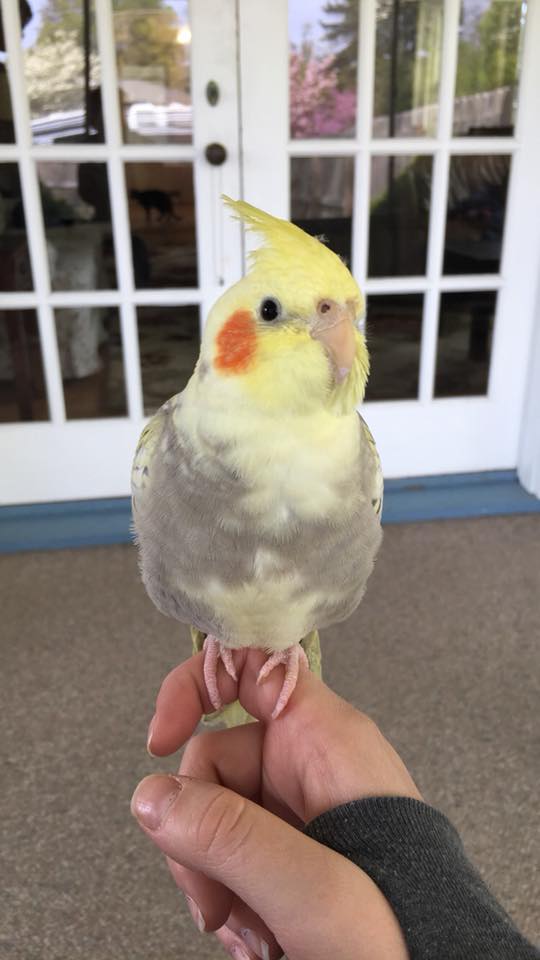
Finches are among the shorter-lived common pet birds, typically living 5 to 8 years. Zebra finches tend toward the shorter end of that range, while Bengalese (society) finches and some other species can reach the upper end with good care.
The shorter lifespan does not make them lesser pets — it simply means a shorter commitment, which suits some owners well. For someone who loves watching a small group of active little birds but is not ready for a 15-year commitment, finches are an excellent choice.
Finch lifespan benefits from being kept in proper groups (they are social and suffer alone), a spacious flight cage, a varied diet, and a calm, stable environment. Stress and overcrowding are the main things that shorten their lives.
Lovebirds — 10 to 15 Years
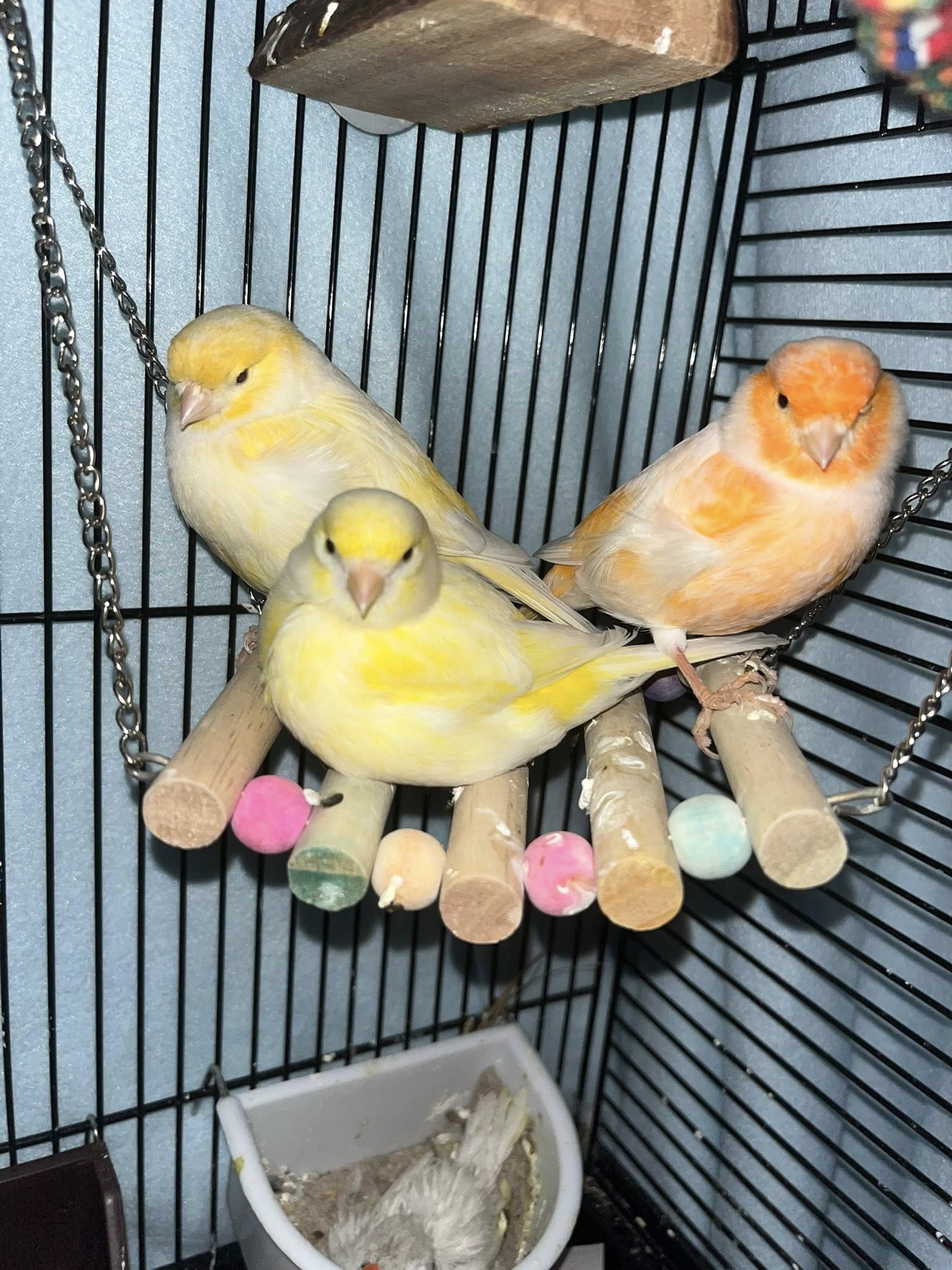
Lovebirds, despite their small size, are properly long-lived little parrots, typically reaching 10 to 15 years with good care, and sometimes more. They pack a lot of personality and a long commitment into a small package.
As with all the longer-lived species, the figure depends heavily on care. Lovebirds need a good diet (not just seed), plenty of space and enrichment for their active minds, and protection from the household dangers that affect all pet birds. A well-kept lovebird is a decade-plus commitment, which surprises some people given their small size.
Kakariki — 10 to 15 Years
The Kakariki — that wonderful, underrated little New Zealand parakeet — typically lives 10 to 15 years with good care. For such an active, energetic bird, they are reasonably long-lived, and their robust constitution helps.
Kakarikis are hardy birds, but their high activity levels mean they need proper space and enrichment to stay healthy across that lifespan. A bored, under-exercised Kakariki in too small a cage will not thrive. Given the room and stimulation they need, they make brilliant long-term companions.
Larger Parrots — 30 to 50+ Years
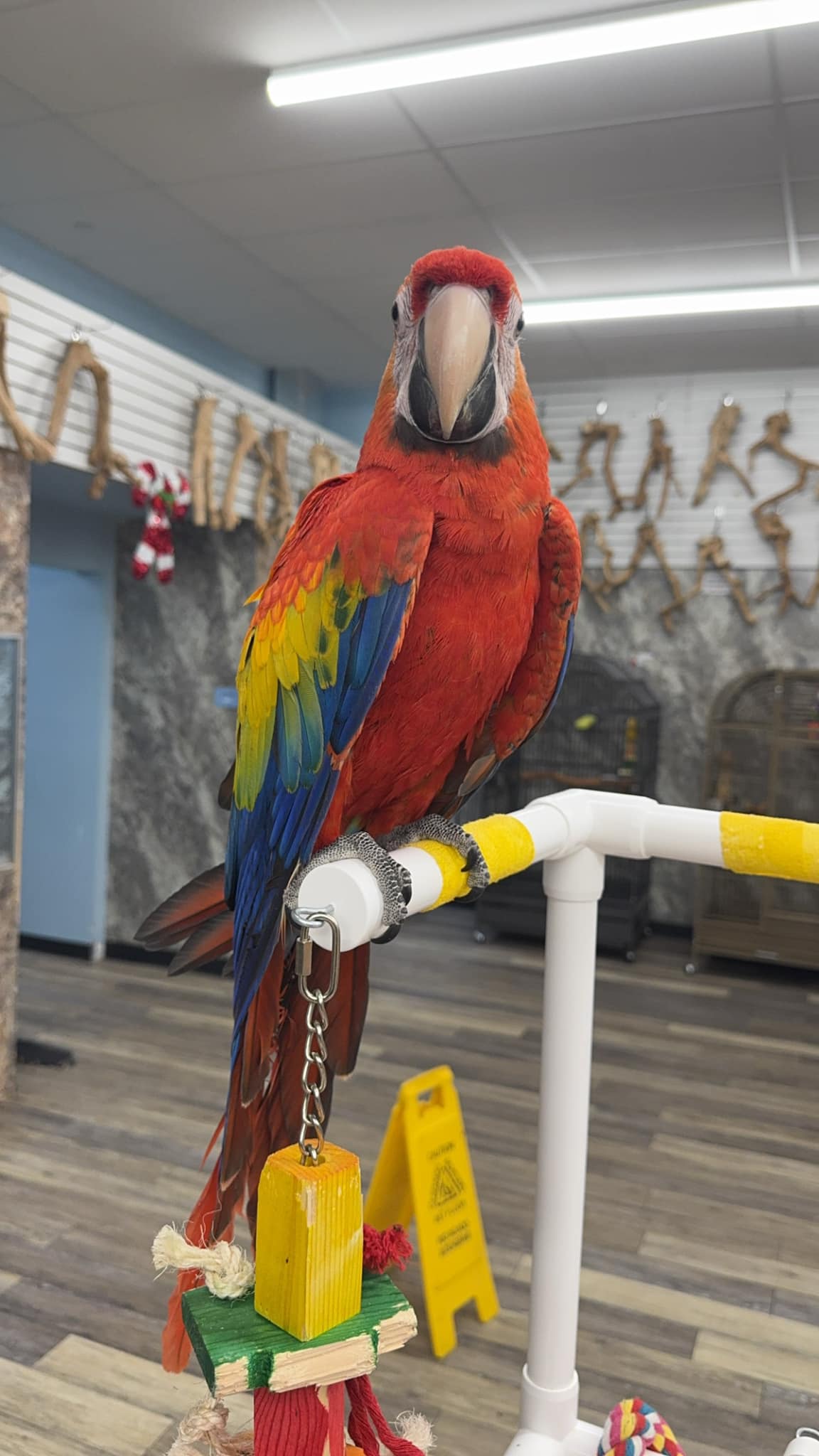
I include these for completeness, though I generally steer first-time owners away from them. The larger parrots — African Greys, Amazons, Macaws, Cockatoos — are extraordinarily long-lived. Many live 30 to 50 years, and some considerably longer. Large macaws and cockatoos can live 60, 70, even 80 years.
This is a genuine lifetime commitment. A large parrot bought by a young adult may well outlive them. These birds are often passed down in wills, rehomed multiple times over their lives, and require experienced, dedicated owners who understand exactly what they are taking on. They are magnificent creatures, but their lifespan alone makes them unsuitable for most UK homes.
Quick Reference — UK Pet Bird Lifespans
Here is the honest lifespan for every common UK pet bird in one place, assuming good care.
| Bird | Typical Lifespan (Well-Kept) | Commitment Level |
|---|---|---|
| Finches | 5 to 8 years | Shorter |
| Canary | 7 to 10 years | Moderate |
| Budgerigar | 8 to 12 years | Moderate |
| Lovebird | 10 to 15 years | Long |
| Kakariki | 10 to 15 years | Long |
| Cockatiel | 15 to 20 years | Very long |
| African Grey | 40 to 60 years | Lifetime |
| Amazon Parrot | 40 to 70 years | Lifetime |
| Macaw | 50 to 80 years | Multi-generational |
| Cockatoo | 40 to 70 years | Multi-generational |
What Actually Determines How Long Your Bird Lives
Whatever species you choose, the same factors determine whether your bird reaches the top or bottom of its lifespan range. After 35 years, these are the things that genuinely make the difference.
1. Diet — The Single Biggest Factor
This is the most important thing on the list, across every species. The single most common cause of shortened lives in pet birds is poor diet — specifically, seed-only diets.
Seed alone does not provide the nutrition a bird needs. It is too high in fat and deficient in vitamins and minerals, particularly vitamin A and calcium. Birds kept on seed-only diets develop fatty liver disease, obesity, weakened immune systems, and a host of other problems that shorten their lives dramatically.
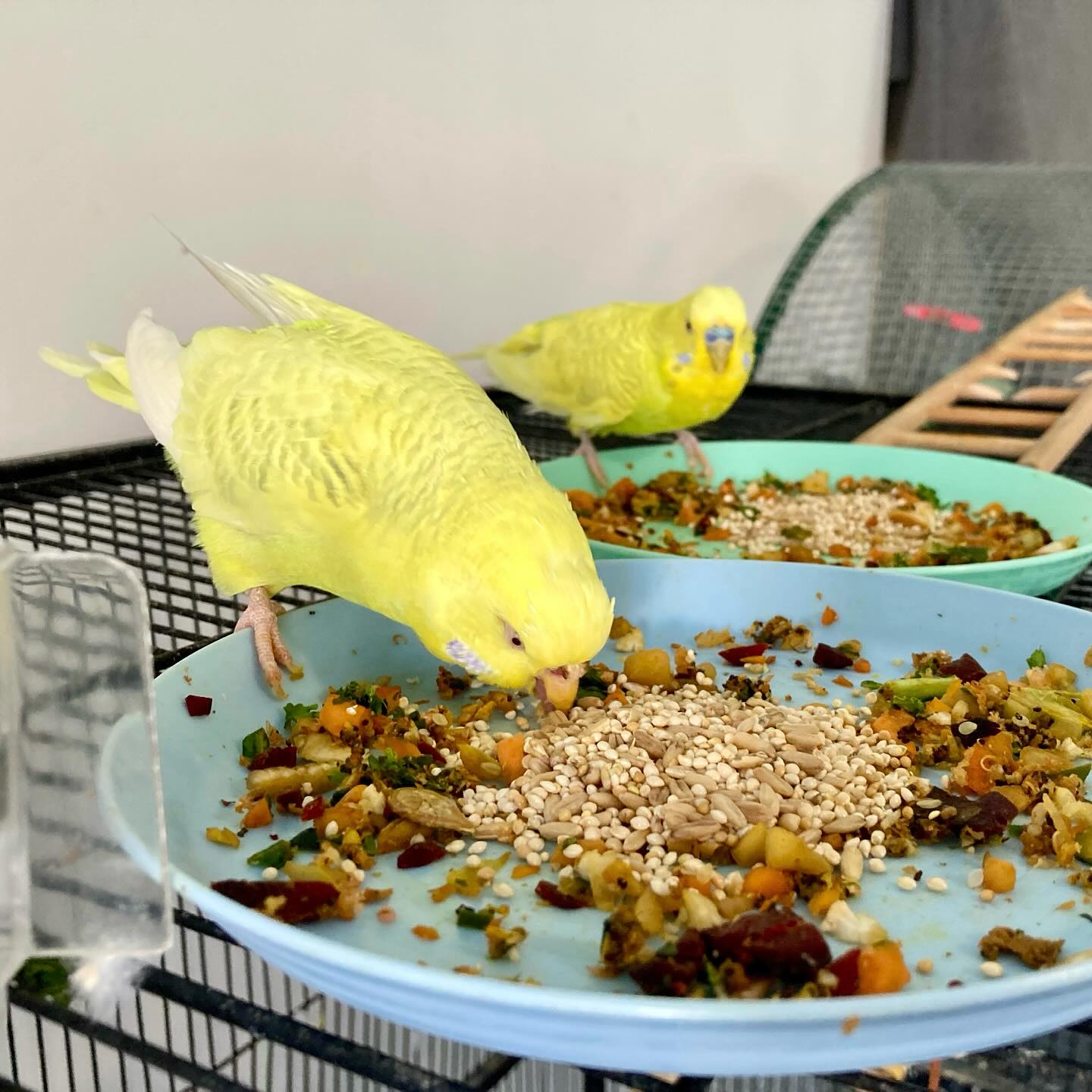
A proper diet — varying by species but generally including quality pellets, fresh vegetables, and appropriate supplements alongside some seed — can add years to a bird’s life. This single factor matters more than almost anything else.
2. Housing And Space
A bird kept in a cage that is too small lives a shorter, less healthy life. Cramped birds get less exercise, suffer more stress, and develop physical and behavioural problems. Every species on this list benefits from the largest cage you can reasonably provide, with room to fly or move properly.
3. Protection From Household Toxins
This one kills more birds than most owners realise. Birds have extraordinarily sensitive respiratory systems, and a range of common household items are toxic to them.
- Non-stick cookware (PTFE/Teflon) — overheated, the fumes are fatal to birds within minutes
- Aerosols and air fresheners — sprays, deodorants, polish, plug-ins
- Scented candles and incense — toxic fumes for sensitive avian lungs
- Cigarette and vape smoke — cumulative damage and acute harm
- Carbon monoxide — birds are affected before humans (the “canary in the coal mine”)
- Toxic foods — avocado, chocolate, caffeine, alcohol
Protecting your bird from these dangers is one of the simplest things you can do to extend its life.
4. Veterinary Care
Finding an avian-savvy vet — and using them — genuinely extends bird lives. Birds hide illness until they cannot any more, so by the time symptoms show, prompt veterinary care can be the difference between recovery and death. Registering with a good avian vet before you need one, and acting quickly when something seems wrong, matters enormously.
5. Stress And Environment
Chronic stress shortens bird lives across every species. Stress comes from many sources — overcrowding, loneliness in social species, constant disturbance, predator pressure (cats prowling near cages), unstable environments, and lack of proper rest. A calm, stable, appropriate environment helps a bird live to its full potential.
6. Companionship For Social Species
For social birds — finches, budgies kept as pairs, lovebirds — appropriate companionship affects both welfare and lifespan. A lonely social bird suffers chronic stress that takes a physical toll. Matching a bird’s social needs to its housing is part of giving it a long, healthy life.
How To Give Any Pet Bird The Longest Possible Life
Whatever bird you choose, here is the short version of what I tell every UK owner to maximise their bird’s lifespan.
- Feed a proper varied diet — never seed-only. Pellets, fresh vegetables, and species-appropriate foods.
- Provide the largest cage you can — room to fly or move properly
- Eliminate household toxins — no non-stick fumes, aerosols, candles, or smoke near the bird
- Find an avian vet before you need one — and act fast when something seems wrong
- Meet the bird’s social needs — company for social species, interaction for bonded singles
- Keep a calm, stable environment — minimise stress and disturbance
- Ensure proper rest — birds need 10 to 12 hours of darkness for good sleep
- Provide enrichment — toys, foraging, mental stimulation appropriate to the species
- Observe daily — catching problems early makes all the difference
Choosing A Bird Based On The Commitment You Can Make
One of the most useful ways to choose a bird is to think honestly about the length of commitment you can realistically make. This is something I genuinely encourage people to consider at the counter.
- Want a shorter commitment (5-8 years)?
Finches or a canary. Good for those uncertain about long-term plans. - Ready for a moderate commitment (8-12 years)?
A budgie. The classic choice, suits most people and life stages. - Prepared for a long commitment (10-15 years)?
A lovebird or Kakariki — characterful birds for a longer journey. - Ready for a very long commitment (15-20 years)?
A cockatiel. A genuine long-term companion, comparable to a dog. - Considering a lifetime commitment (30-50+ years)?
A larger parrot — only for experienced, dedicated owners who understand the decades involved.
There is no right or wrong answer here — only the right match for your circumstances. A young family might love the long companionship of a cockatiel. An older person might prefer the shorter, gentler commitment of a canary or finches. Matching the lifespan to your life is part of responsible bird ownership.
What About When A Bird Reaches Old Age?
Whatever the species, birds show signs of ageing as they reach the upper end of their lifespan. Knowing what to expect helps you care for an older bird well.
Ageing birds typically become less active, sleep more, may be less interested in play, and can develop age-related conditions like arthritis, cataracts, or organ problems. An older bird benefits from easier access to food and water, lower perches, a warmer and more comfortable environment, and more frequent vet check-ups.
Caring for a bird through its senior years is part of the commitment. Many of the longest-lived birds I have known were given excellent care into old age by owners who adjusted their care as the bird aged. It is a privilege to see a bird live to a ripe old age, and it reflects well on the owner who got it there.
Frequently Asked Questions
How long do pet birds live on average?
It varies enormously by species. Finches live 5 to 8 years, canaries 7 to 10, budgies 8 to 12, lovebirds and Kakarikis 10 to 15, cockatiels 15 to 20, and larger parrots 30 to 50+ years. These are figures for well-kept birds — poor care shortens lives significantly, while excellent care can push birds to the top of their range.
Why do some birds live so much longer than others?
Generally, larger birds live longer than smaller ones — a pattern seen across the animal kingdom. Larger parrots like macaws can live 50+ years, while small finches live 5 to 8. Within that, lifespan is heavily affected by care: diet, housing, protection from toxins, and veterinary attention all make a major difference.
What pet bird has the longest lifespan?
Among the larger parrots, macaws and some cockatoos live longest — frequently 50 to 80 years. Among common smaller pet birds, the cockatiel lives longest at 15 to 20 years. If you want a long-lived companion bird without the demands of a large parrot, the cockatiel is the obvious choice.
Do budgies really only live 5 years?
No — that figure is outdated. A well-kept budgie lives 8 to 12 years, sometimes longer. The “5 year” figure dates from when budgies were kept in poorer conditions with seed-only diets. Modern budgies, fed properly and cared for well, routinely reach double figures.
How can I help my pet bird live longer?
The biggest factors are a proper varied diet (never seed-only), a large enough cage, protection from household toxins (non-stick fumes, aerosols, smoke), access to an avian vet, meeting the bird’s social needs, and maintaining a calm environment with proper rest. Good husbandry can add years to any bird’s life.
Which pet bird is best for someone who doesn’t want a long commitment?
Finches (5 to 8 years) or a canary (7 to 10 years) offer shorter commitments than other pet birds. They suit owners who love birds but are uncertain about very long-term plans. Avoid cockatiels and parrots if a shorter commitment matters to you, as these are 15 to 50+ year responsibilities.
Where can I get honest bird advice in Swindon?
Come and see us at Paradise Pets, Manor Garden Centre, Cheney Manor, Swindon SN2 2QJ. Or give us a ring on 01793 512400. The advice is free and we have been doing this for 35 years.
One Last Thing From Me
“How long will it live?” is the question. The honest answer, after 35 years of selling birds, is — longer than most people expect, provided you look after it properly. The lifespan figures floating around online are often decades out of date, and the gap between a badly-kept bird and a well-kept one is enormous. The same budgie can live three years or twelve, depending entirely on how it is cared for.
The man I mentioned at the start of this article? Once we talked through the honest lifespans, he made a thoughtful decision. He realised a cockatiel — at 15 to 20 years — was a bigger commitment than he was ready for at that point in his life. He went home with a pair of budgies instead, understanding they would likely be with him for a decade. That was the right decision for him, made with honest information rather than confusion.
That is what I want for every UK bird owner — a decision made with the real facts. Knowing how long a bird lives is not just trivia. It shapes whether you are taking on the right pet for your circumstances, and it reminds you of the responsibility you are accepting. A pet bird is a living creature that depends on you, potentially for many years.
If you are thinking about a bird and want honest advice about lifespans and commitment, come and see us. We will talk through your circumstances, the species you are considering, and what each one really means in terms of the years ahead. That is how we have done things for 35 years, and helping people make the right long-term choice is genuinely one of the most important parts of the job.
Thinking About A Pet Bird? Come And See Me First
Bring your questions about which bird suits your life and the commitment involved. I will give you honest advice about lifespans, care, and what each species really means for the years ahead. Free advice, no obligation. That is how we have done things for 35 years.
⭐ Customer Reviews
Amazing Bird Selection
Had a lovley visit today,staff were very friendly and very helpful,such a great petshop,their selection of birds is incredible,really impressed,thank so much to the staff at Paradise Pets

Friendly Helpful Staff
I have been coming to this place for years and they have a great stock of food for all types of pets. Have a great selection of small mammals and a lot of birds. Staff are friendly and helpful.

Great Quality Hutch
Bought a guinea pigs hutch and run combo, very happy with the service, the hutch was put in my car for me without even asking for help. The wood quality is very good, the instructions easy to follow and we are extremely happy with the fully built hutch. A good size for 2 guinea pigs

Response from Paradise Pets | Wiltshire
Thank you Melanie Latus Nice to provide services to you.
Best Bird Shop Around
It’s the best pet shop in and around Swindon. They always have an amazing selection of birds and all you need to keep them happy. I keep birds myself and the guys there are happy to answer questions and really know their stuff. I have seen budgies etc. in chain pet shops in the area looking really unhealthy and ill – I wouldn’t go anywhere else than Paradise Pets for animals.

Highly Recommended Bird Shop
I could not praise this shop enough. Really helped my Grandson buy his first bird and he’s loving it. Travelled from Somerset and was welcomed with open arms.

Great Shop with Competitive Prices
Great shop with amazing selection for small animals, hamsters, mice ect, highly recommend!
Also has a great selection for dogs & cats too & very competitive prices! 💖

