
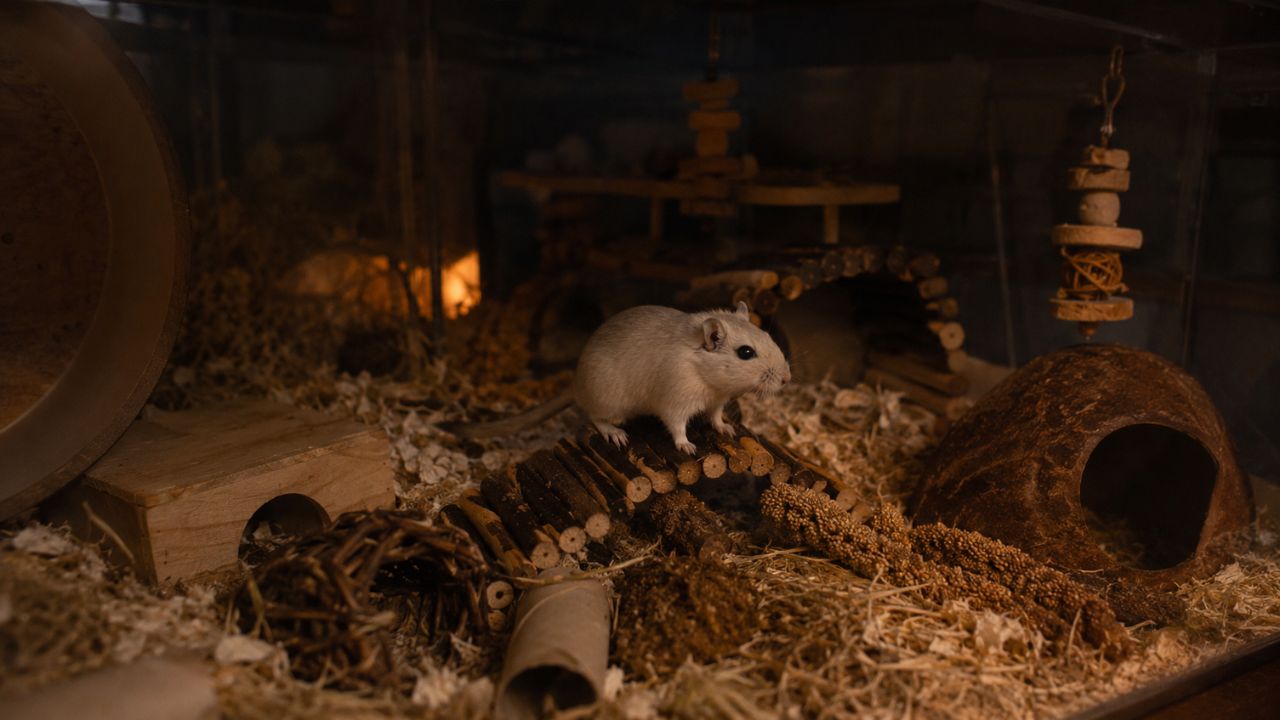

Neil has kept, bred, and sold gerbils at Paradise Pets Swindon since 1988 — over 35 years of first-hand experience with these animals. In that time, he has answered the “are gerbils nocturnal?” question hundreds of times — almost always from UK families considering them as a first pet. This article is his honest, practical answer.
A family came into the shop last Saturday — mum, dad, and two children — and they had a question I get asked at least once a week. “Neil,” the mum said, “we’re thinking about a gerbil for the kids, but we’ve heard mixed things about when they’re awake. Are they nocturnal? Because we don’t want a pet that only comes out at night.”
It is a fair question, and one that genuinely matters for UK families. Because the wrong answer here — getting the wrong species for your household’s schedule — leads to disappointed children, frustrated parents, and pets that get ignored because their active hours do not match the family’s.
The short answer is: gerbils are not nocturnal in the strict sense — they are crepuscular, which means they are most active at dawn and dusk, with short bursts of activity throughout the day and night. That is a significant difference from a true nocturnal pet like a hamster, and it is one of the main reasons I often recommend gerbils for families with school-age children when a hamster would be the wrong choice.
But the proper answer needs more nuance than that, because the way gerbils actually behave in a UK home is not always how the textbooks describe them. So let me walk you through what 35 years of watching gerbils has taught me — what they actually do, when they are awake, what affects their patterns, and whether they are right for your home.
This is the conversation I have at the counter properly, written down for every UK family thinking about a gerbil.
What “Nocturnal” Actually Means — And Why Gerbils Are Not
Before we go any further, let me clear up the terminology. Because a lot of confusion about gerbil sleep patterns comes from people using “nocturnal” when they should be using a different word entirely.
Nocturnal means an animal that is active at night and sleeps during the day. True nocturnal pets — like hamsters — sleep almost solidly through daylight hours, wake up around 9 or 10pm, and are most active in the middle of the night when most UK families are asleep.
Diurnal means the opposite — active during the day, sleeping at night. Most birds, including budgies and cockatiels, are diurnal.
Crepuscular is the in-between pattern. Crepuscular animals are most active at dawn and dusk — the twilight hours. They do sleep, but in shorter bursts, often spread throughout the day and night rather than one long sleep period. Rabbits are crepuscular. So are guinea pigs. And so are gerbils.
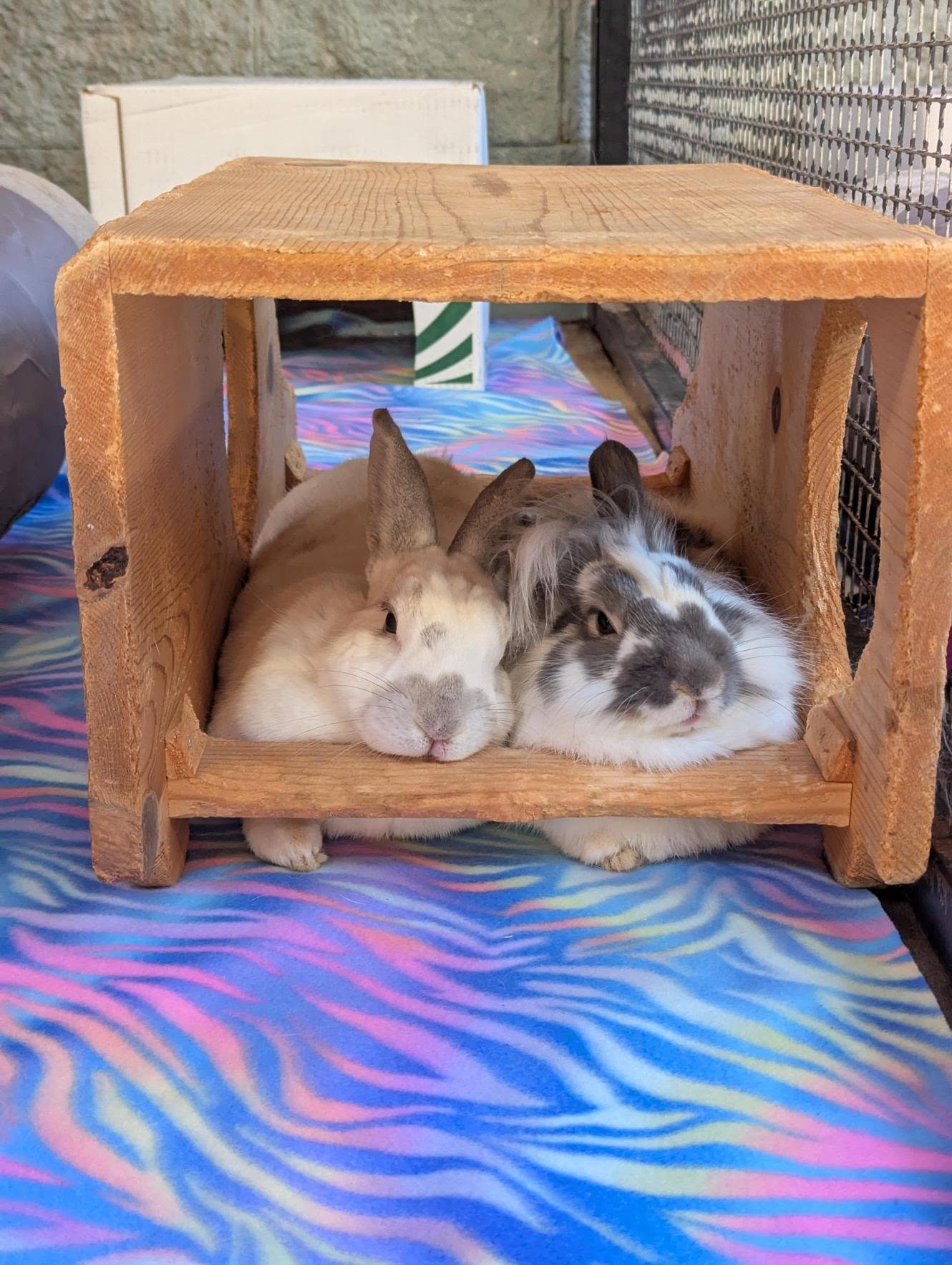 This terminology matters because it determines whether the pet’s natural activity pattern will overlap with your family’s waking hours.
When Are Gerbils Actually Active?
This is where 35 years of watching gerbils in my shop becomes more useful than any textbook. The real-world activity pattern of a gerbil in a UK home looks something like this.
In the wild, gerbils — particularly Mongolian gerbils, which is what we mostly sell in the UK — live in burrows in arid regions. They emerge mainly at dawn and dusk to forage, because during the day it is too hot and exposed for them, and at night it is too cold. Their evolutionary clock is set around twilight activity.
But in a UK home, where temperatures are stable, food is always available, and there are no predators to worry about, gerbils adapt their schedule significantly. A typical pet gerbil in a UK living room will:
- Wake up gradually in the early morning — usually around 5 to 7am, often before the family is up
- Have a burst of activity — running on the wheel, digging, eating, drinking — for an hour or two
- Take a long nap mid-morning — usually in the burrow or nest area
- Wake again in the late morning or early afternoon — shorter activity burst, often when household noise picks up
- Nap through the middle of the day — but not deeply, often easily woken
- Wake properly in the late afternoon or early evening — this is usually their longest active period
- Have peak activity around 6 to 9pm — perfect timing for after-school and after-work interaction
- Sleep through most of the night — though may have short active bursts at 2 or 3am
That evening peak activity — typically 6 to 9pm — is what makes gerbils so well-suited to UK family life. It is exactly the time when children are home from school, parents are home from work, and the whole family has time to interact with the pet. A hamster, by contrast, is usually fast asleep at 6pm and does not properly wake up until the family is going to bed.
Why The Difference With Hamsters Matters So Much
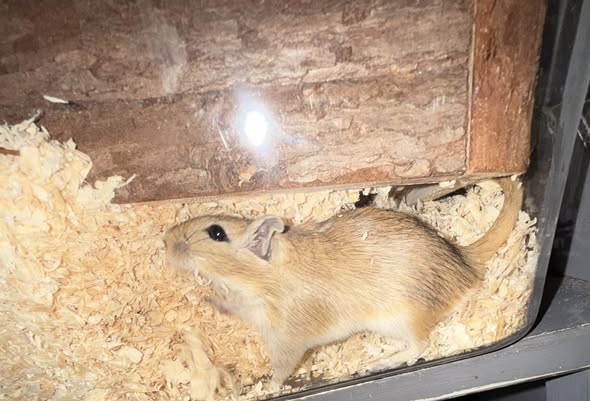
This is the comparison that comes up in my shop every single week, so let me address it properly. The two questions are almost always asked together: “Are gerbils nocturnal?” and “Are they the same as hamsters?”
The honest answer is: gerbils are not nocturnal, and they are nothing like hamsters in terms of when they are awake.
A Syrian hamster — which is the most common UK pet hamster — is strictly nocturnal. It will sleep solidly from around 7am until 9 or 10pm. During that time, the cage is silent, the hamster is curled up in its nest, and no amount of gentle encouragement will get it to come out and play. Then at 10 or 11pm, just as the family is going to bed, the hamster wakes up, starts running on its wheel, digging, eating, and generally being noisy until the early hours of the morning.
For families with children who have school in the morning, this is often genuinely problematic. The children come home wanting to play with the pet, but the pet is asleep. They go to bed disappointed. The cage starts making noise just as everyone is trying to sleep. And after a few weeks, the children lose interest because they rarely see the animal active.
| Activity Pattern | Gerbils | Hamsters |
|---|---|---|
| Classification | Crepuscular | Strictly nocturnal |
| Sleep pattern | Multiple short naps | One long daytime sleep |
| Active in the evening (6-9pm)? | Yes — peak activity | Usually still asleep |
| Active at night (11pm-5am)? | Some quiet bursts | Most active period |
| Wheel running noise at night? | Minimal | Significant |
| Family interaction timing | Matches after-school/work | Often a problem |
| Best for school-age children? | Generally yes | Often a poor fit |
For more on the differences between these two species, our honest guide on hamsters vs gerbils covers the full picture of which species suits which kind of home.
What Affects A Gerbil’s Activity Pattern
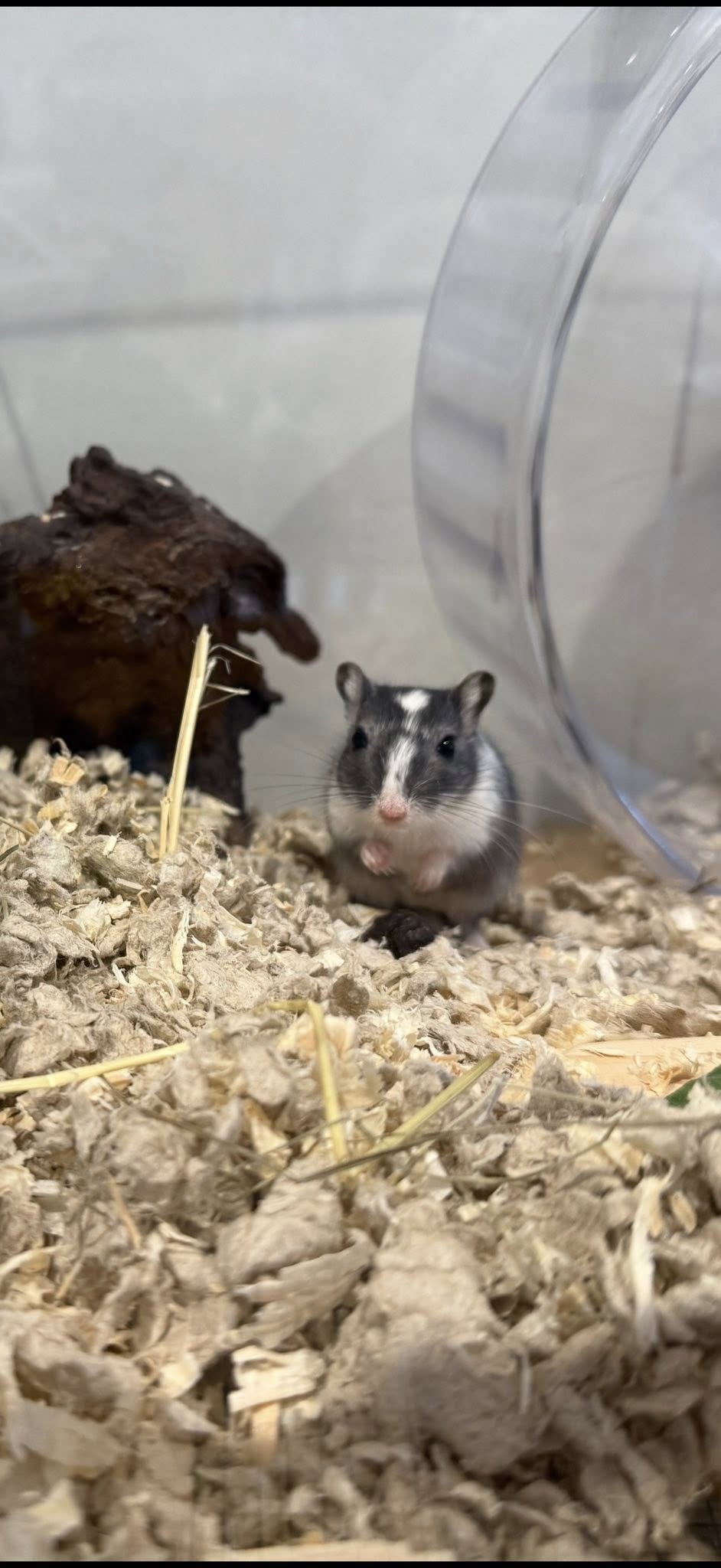
A gerbil’s schedule is not fixed. There are several things that can shift when your gerbil is active, and understanding them helps you predict and adjust their patterns.
1. Light Levels
Gerbils take cues from light. A cage in a bright south-facing window will see daylight earlier and stay lit later, which can shift the gerbil’s active periods. A cage in a darker corner may keep the gerbil on a more dawn/dusk pattern.
Strong artificial light at night — TVs, lamps, ceiling lights — can disrupt sleep patterns and lead to a gerbil that is awake at strange times.
2. Household Routine
Gerbils are remarkably observant. A bird-watcher might notice the cage is consistently quiet around the time the family eats dinner, and active when there is movement and noise around the house. Many pet gerbils will adjust their active times to match when the household is active.
3. Temperature
In hotter weather, gerbils tend to be more active in cooler parts of the day — early morning and late evening. In colder weather, they may be more active during the warmer middle of the day. UK seasonal temperature changes can shift activity patterns noticeably.
4. Age
Younger gerbils — especially babies and juveniles — are usually more active than older ones, and their activity is more spread throughout the day. Older gerbils tend to settle into more defined sleep periods and may be less active overall.
5. Other Gerbils In The Cage
Gerbils housed in pairs or small groups often “synchronise” their activity to some extent. One waking up tends to wake the others, so you get more concentrated activity bursts rather than constant low-level activity.
- Early morning (5-8am) — Usually active, especially if cage is in a room that gets morning light.
- Late morning to midday — Often napping, but easily woken.
- Mid-afternoon (2-4pm) — Variable. Often shorter activity bursts.
- Evening (5-9pm) — Peak activity for most pet gerbils. Best time for family interaction.
- Late evening (9pm-midnight) — Activity reducing, settling for the night.
- Overnight (midnight-5am) — Mostly asleep but with short active bursts.
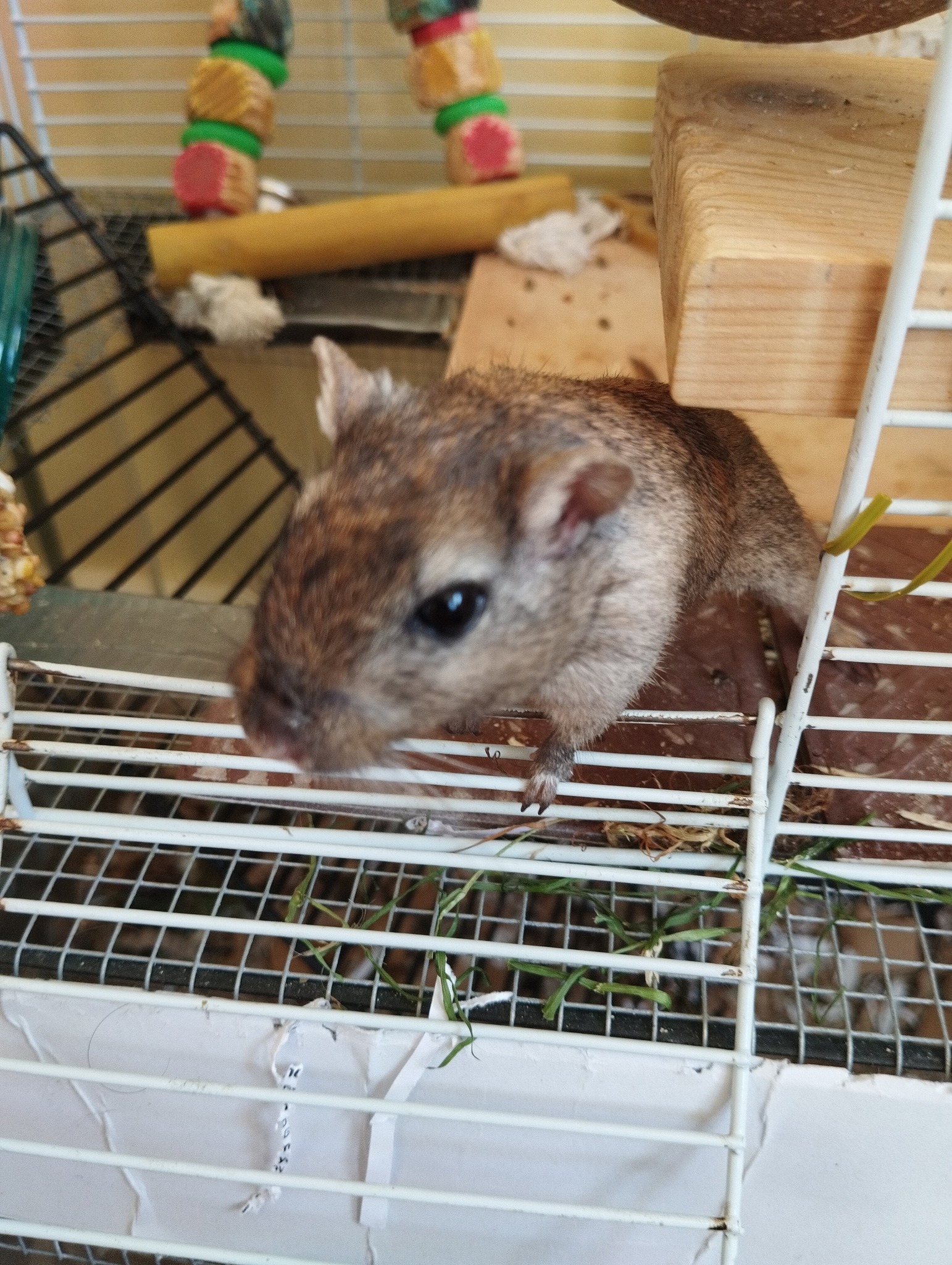
Should You Wake A Sleeping Gerbil?
This is a question I get asked a lot, especially by parents whose children want to play with the gerbil. The honest answer is: occasionally yes, but with care.
Gerbils that are deeply asleep — curled up, eyes closed, in their burrow — should generally be left alone. Repeatedly waking a gerbil from deep sleep stresses the animal and can lead to health problems over time. It can also make the gerbil grumpy and more likely to bite when handled.
However, a gerbil that is dozing lightly — sitting in the open, eyes half-closed but not in the burrow — can be gently woken without causing significant stress. Most pet gerbils will adapt over time to being woken at consistent times for handling, especially if the routine includes positive things like treats.
The key is consistency and respect. If your child wants to play with the gerbil at 5pm every day, the gerbil will usually adjust to being awake at that time. But random middle-of-the-day wake-ups every time the child feels like it will create a stressed, less friendly animal.
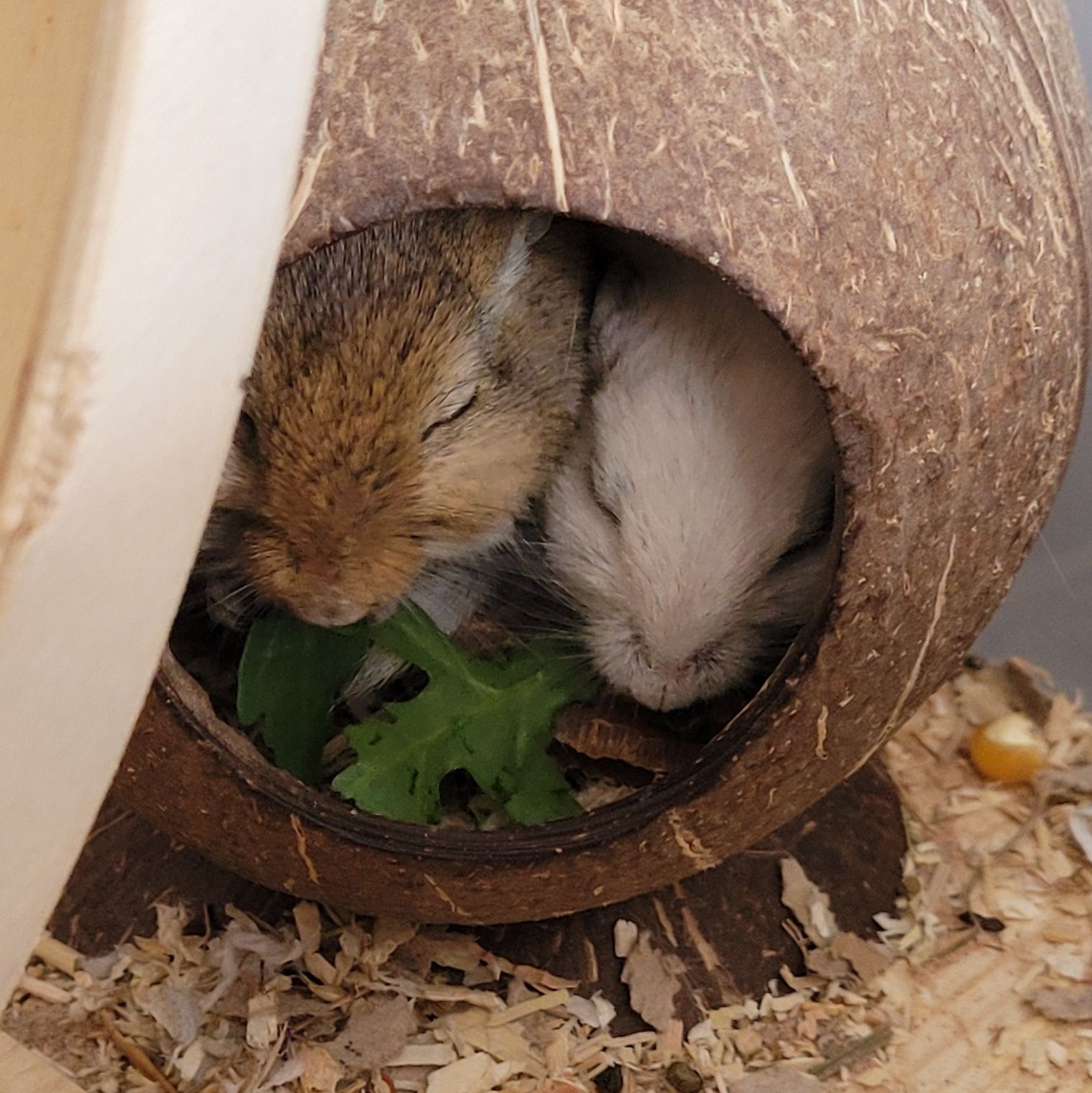
What If My Gerbil Is Awake All The Time?
This is the opposite question some owners ask — not “why does my gerbil sleep so much” but “why does my gerbil never seem to sleep.” A gerbil that appears constantly active can be a concern, but in most cases there is a straightforward explanation.
Gerbils have very short sleep cycles compared to humans. They take many short naps rather than one long sleep. If you only check the cage every few hours, you may consistently catch the gerbil during one of its active bursts and miss the napping periods entirely. The gerbil may actually be sleeping plenty — just not when you happen to look.
That said, there are some causes of genuinely excessive activity that are worth knowing about.
- Bar biting and pacing — usually indicates stress or boredom. The cage may be too small or under-enriched.
- Obsessive wheel running — sometimes a stress behaviour rather than normal exercise
- Sleeping at unusual times only — completely inverted patterns may indicate light cycle problems
- Restless behaviour with vocalisations — could indicate pain or illness
- Constant activity in a single gerbil that has just lost a companion — possible grief response
Are Gerbils Right For Your Family’s Schedule?
Now that you understand when gerbils are actually active, the practical question is whether their schedule fits your family. After 35 years, I have a fairly clear sense of which household routines suit gerbils best.
Gerbils suit households where
- Children are home from school by late afternoon and want to interact with the pet around 4-7pm
- Parents are home in the evening and the family spends time in the room where the cage is
- Someone is usually around for short bursts during the day, not necessarily constantly
- You want a pet that you can actually see being active, not one that sleeps through every interaction
- You want to keep the cage in a bedroom and need a relatively quiet pet at night
- Your family follows a fairly regular routine — gerbils synchronise to predictable schedules
Gerbils may not suit households where
- The family is out of the house from early morning until late evening every weekday
- The cage will be kept in a bedroom that is used very early in the morning (gerbils get noisy at dawn)
- Children are very young and want to interact at random times of day
- The household routine is highly irregular — gerbils settle better with predictable rhythms
- You specifically wanted a strictly daytime pet — a budgie would suit better
- You wanted a pet that sleeps through the night for sure — gerbils have some quiet night activity
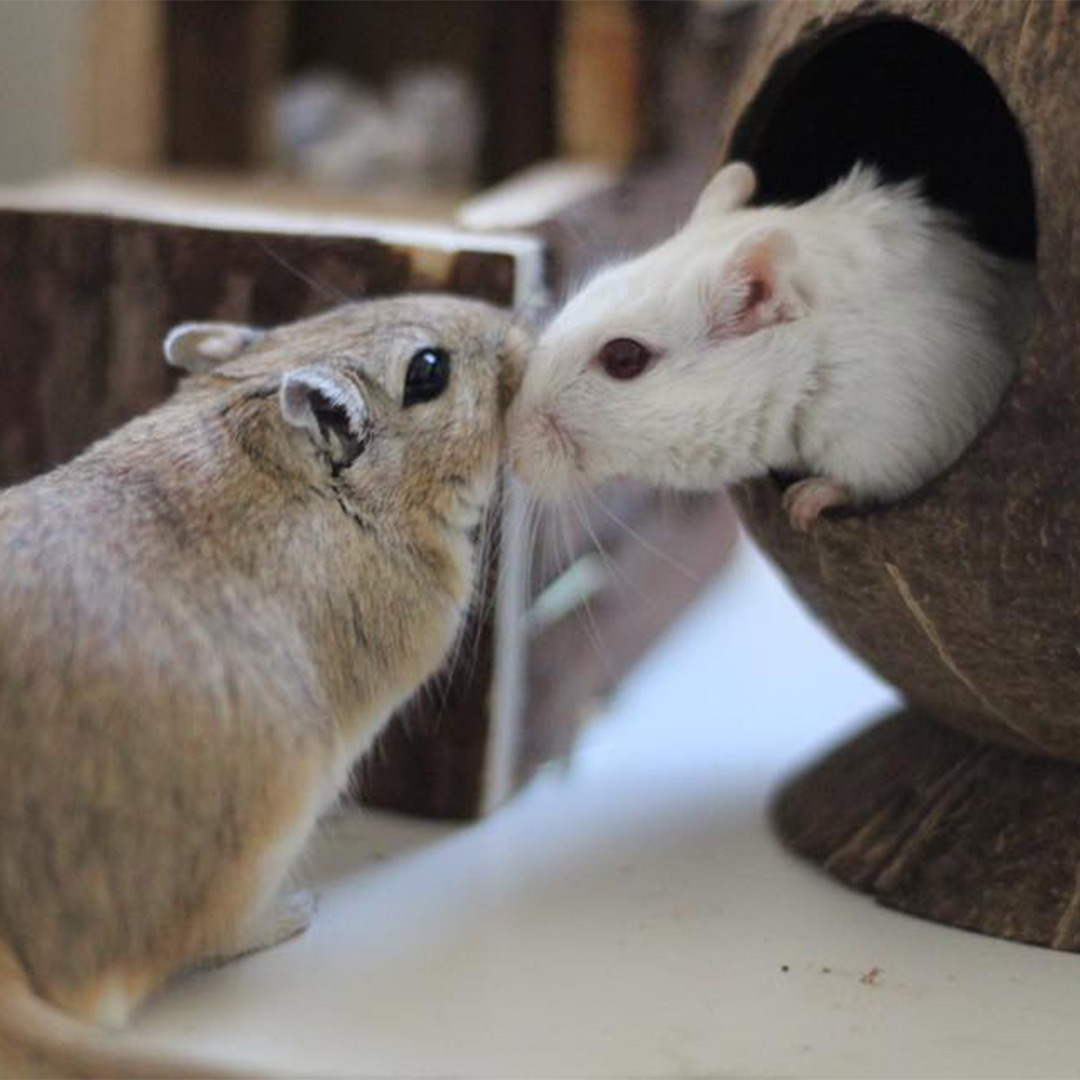
What I Tell Families At The Counter
When a family comes into the shop interested in gerbils, before I show them the animals, I have a conversation about their household schedule. It takes five minutes and it saves a lot of disappointment later.
- What time do the children get home from school?
This tells me whether gerbils’ evening peak activity will line up with the kids being around. - What time does everyone go to bed?
Important for understanding noise tolerance during dawn activity bursts. - Where will the cage be kept?
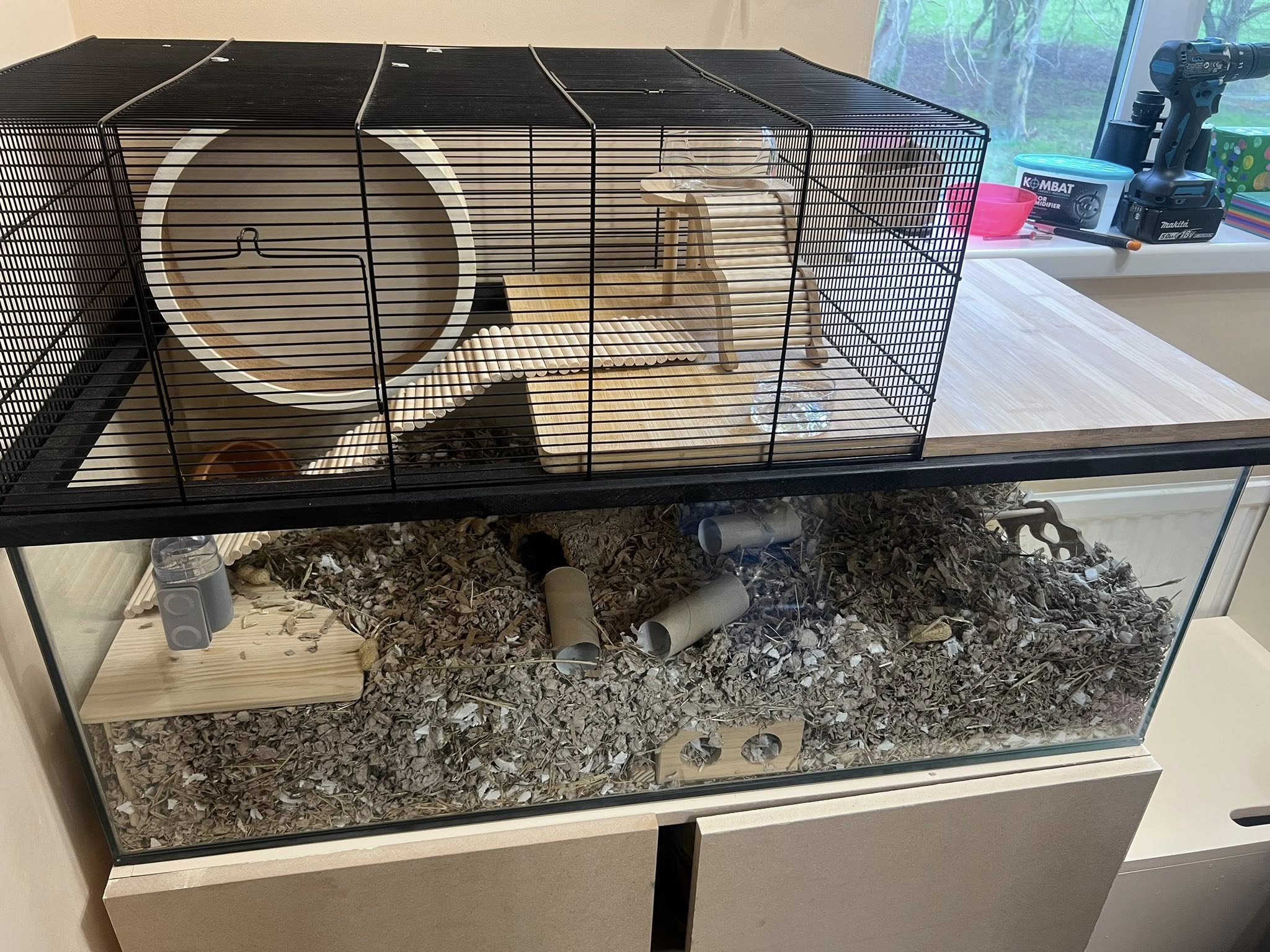
Living room is usually fine. Bedroom is workable. Kitchen and conservatory are not. - Who will be the primary carer?
Honest answer please. Children often promise to look after pets and then lose interest. - Have you had small pets before?
Experience matters. First-time owners often need more guidance. - Do you have any pets that might be a problem?
Cats and dogs near the cage are major stressors for gerbils.
Five minutes of these questions usually tells me whether gerbils are likely to be a good fit, or whether the family would actually be better off with a different species.
The Gerbils We Stock At Paradise Pets
We breed and source gerbils carefully — only from UK breeders, never imported, all properly socialised and handled before going to new homes. Our small animal section is one of the parts of the shop we are most proud of, and gerbils have been part of what we stock since the beginning.
Most of the gerbils we sell are Mongolian gerbils — the standard pet species in the UK. They come in a range of colour variations, all with the same crepuscular activity pattern described in this article.
| Variety | Appearance | Notes |
|---|---|---|
| Agouti (wild type) | Brown body with cream belly | The natural colouring. Hardy and friendly. |
| Black | Solid black | Striking appearance. Same care needs as agouti. |
| White / Albino | Pure white, pink eyes | Light-sensitive. Avoid bright direct sunlight on the cage. |
| Argente | Pale golden cream with red eyes | Distinctive appearance. Friendly temperament. |
| Burmese | Dark face, paws, and tail with lighter body | Less common. Generally calm. |
Stock varies — it is always worth ringing ahead on 01793 512400 to check availability. You can also browse our small animals section to see what else we stock.
How To Work With A Gerbil’s Schedule, Not Against It
Once you have your gerbils home, the best way to enjoy them is to work with their natural pattern rather than fight against it. Here is what I tell every new gerbil owner.
- Plan handling for late afternoon or early evening — this is when most gerbils are naturally most alert and friendly
- Do not wake them repeatedly during deep sleep — stresses the animal and damages your relationship
- Set up the cage in a room with natural light — but not direct sunlight
- Keep a stable temperature — 15 to 22°C is ideal year-round
- Provide deep substrate for burrowing — gerbils need at least 6 inches of bedding to dig properly
- Use a quieter wheel — solid silent wheels reduce nighttime noise significantly
- Establish a consistent daily routine — gerbils adapt their schedule to predictable household patterns
For more on gerbil care basics, our complete gerbil care guide covers the fundamentals of keeping these animals properly in UK homes.
Frequently Asked Questions
Are gerbils nocturnal or diurnal?
Neither. Gerbils are crepuscular — most active at dawn and dusk, with short bursts of activity throughout the day and night. This is different from hamsters, which are strictly nocturnal, and from birds, which are diurnal.
What time of day are gerbils most active?
Most pet gerbils have peak activity in the late afternoon and early evening — typically 5 to 9pm. They also have an active burst in the early morning around 5 to 7am. The evening period is what makes them well-suited to UK family life.
Will my gerbil keep me awake at night?
Generally no. Gerbils have some quiet activity overnight, but they are nowhere near as noisy as hamsters during the night. With a solid silent wheel and proper bedding, most owners find gerbils acceptable as bedroom pets if needed.
Are gerbils more like rats or hamsters?
In terms of activity pattern, gerbils are more like rats than hamsters. Both rats and gerbils are crepuscular with mixed activity throughout the day, while hamsters are strictly nocturnal. In terms of personality, gerbils tend to be busier and more curious than either.
Can I train my gerbil to be active at a specific time?
To some extent, yes. Gerbils adapt to consistent household routines and will often shift their active periods to match when their owners interact with them. Daily handling at 5pm tends to produce a gerbil that is reliably awake and alert at 5pm.
Why is my gerbil running on the wheel at 3am?
This is normal occasional behaviour. Gerbils have short bursts of overnight activity, especially around their natural dawn period. If it is a persistent and constant problem, a quieter wheel or moving the cage out of the bedroom usually solves it.
Where can I get honest gerbil advice in Swindon?
Come and see us at Paradise Pets, Manor Garden Centre, Cheney Manor, Swindon SN2 2QJ. Or give us a ring on 01793 512400. The advice is free and I have been doing this for 35 years.
One Last Thing From Me
“Are gerbils nocturnal?” is the question. The answer is no — they are crepuscular. But the deeper truth is that this single fact is one of the biggest reasons gerbils suit UK families better than people realise.
When children come home from school wanting to interact with a pet, gerbils are usually awake and ready. When parents finish work and the family gathers in the evening, gerbils are at peak activity. When everyone goes to bed, gerbils settle down too. That alignment between pet schedule and family schedule is genuinely valuable, and it is something hamsters cannot offer.
The family I mentioned at the start of this article? They went home with two female Mongolian gerbils that afternoon. Six months later they came back to tell me how well it was going. The children played with them every day after school, the gerbils were friendly and active during family time, and nobody was being kept awake at night. That is the outcome you want from a small pet purchase, and gerbils deliver it more reliably than most.
If you are trying to decide whether gerbils are right for your family, come and see us. We will work through your schedule, your living situation, and what you actually want from a pet — and tell you honestly whether gerbils are the right choice, or whether something else would suit you better.
That is the conversation I have at the counter every week, and after 35 years, I would much rather you make the right choice the first time.
Thinking About Gerbils? Come And See Me First
Bring your questions, your family’s routine, and your honest expectations. I will help you decide whether gerbils are right for your home — and if not, suggest the small pet that genuinely is. Free advice, no obligation. That is how we have done things for 35 years.
⭐ Customer Reviews
Amazing Bird Selection
Had a lovley visit today,staff were very friendly and very helpful,such a great petshop,their selection of birds is incredible,really impressed,thank so much to the staff at Paradise Pets

Friendly Helpful Staff
I have been coming to this place for years and they have a great stock of food for all types of pets. Have a great selection of small mammals and a lot of birds. Staff are friendly and helpful.

Great Quality Hutch
Bought a guinea pigs hutch and run combo, very happy with the service, the hutch was put in my car for me without even asking for help. The wood quality is very good, the instructions easy to follow and we are extremely happy with the fully built hutch. A good size for 2 guinea pigs

Response from Paradise Pets | Wiltshire
Thank you Melanie Latus Nice to provide services to you.
Best Bird Shop Around
It’s the best pet shop in and around Swindon. They always have an amazing selection of birds and all you need to keep them happy. I keep birds myself and the guys there are happy to answer questions and really know their stuff. I have seen budgies etc. in chain pet shops in the area looking really unhealthy and ill – I wouldn’t go anywhere else than Paradise Pets for animals.

Highly Recommended Bird Shop
I could not praise this shop enough. Really helped my Grandson buy his first bird and he’s loving it. Travelled from Somerset and was welcomed with open arms.

Great Shop with Competitive Prices
Great shop with amazing selection for small animals, hamsters, mice ect, highly recommend!
Also has a great selection for dogs & cats too & very competitive prices! 💖

