

Neil has kept, bred, and sold budgies at Paradise Pets Swindon since 1988 — over 35 years of first-hand experience with these birds. In that time, he has had more conversations about sudden budgie death than he can count. This article is everything those conversations have taught him — and what he wishes every owner knew before it happened to them.
There is a phone call I have received more times than I can count over 35 years. It usually comes in the morning. The person on the other end sounds either very quiet or very upset, sometimes both. And the first sentence is almost always a version of the same thing.
“He was absolutely fine yesterday. I don’t understand what happened.”
Their budgie has died. Overnight, apparently, with no warning. One day chattering away on his perch, the next morning gone.
I never rush these calls. I let the person talk. And then, when they are ready, I ask a few questions — because in 35 years of having this conversation, I have learned that the cause is almost never as mysterious as it seems. Once you know what to look for, patterns emerge. The same causes come up again and again. The same overlooked signs. The same missed windows.
This article is my attempt to put all of that in one place — not to make anyone feel guilty about a bird they have already lost, but to give every owner reading this the information they need to understand what happened, and to give the next bird a better chance.
Why Budgie Deaths Feel So Sudden — The Real Reason
Before I go through the individual causes, I want to explain something that underlies almost all of them — because it is the thing that makes budgie deaths feel so shocking, even when the warning signs were there.
Budgies are prey animals. In the wild, a bird that looks weak is a bird that gets picked off — by a predator, by other birds, by everything that preys on small things. So over thousands of years of evolution, budgies have become extraordinarily good at hiding illness. They mask the symptoms. They carry on eating when they can, moving when they can, chirping when they have the energy. They look normal right up until their body can no longer maintain the effort.
By the time a budgie looks visibly unwell — properly fluffed up, sitting on the cage floor, unresponsive — it has usually been unwell for days. Sometimes longer. The apparent suddenness is almost always the final stage of something that has been developing quietly.
This is important to understand, because it means two things. First — there were almost certainly signs, even if they were not obvious enough to act on at the time. Second — the window for intervention exists, but it is narrow, and you have to know what to look for to use it.
Cause 1: Non-Stick Cookware Fumes — The Most Underreported Killer
I am going to start here because this is the cause that kills budgies fastest and the one that owners least often connect to what happened.
When non-stick cookware — pans coated with PTFE, sold under brand names like Teflon — is overheated, it releases fumes that are completely odourless and invisible to humans. Those fumes are harmless to us. They are lethal to birds. A budgie in the same house as an overheating non-stick pan can be dead within minutes.
This does not require the pan to catch fire or smoke visibly. An empty pan left on a high heat for a few minutes is enough. A pan that has been heated dry. A forgotten pan while someone popped out of the kitchen. These are ordinary household moments — and for a budgie in the next room, they can be fatal.
- Death can occur within minutes of exposure — there is often no warning at all
- The bird may fall from its perch, have a brief seizure, and die — the whole thing can happen in under five minutes
- Humans in the house may smell nothing and notice nothing wrong
- Other non-stick surfaces — drip trays, oven liners, some irons and ironing board covers — can also release PTFE fumes when overheated
- The only reliable fix is to remove all PTFE-coated cookware from any home where a budgie lives
If your budgie died very suddenly — within minutes, while you were cooking or shortly after — and you had non-stick cookware on the heat, this is the most likely cause. I am sorry. It is one of the cruellest causes because it is so fast and because the owner almost never sees it coming.
Replace your cookware with stainless steel or cast iron. It is the only safe option for a home with birds.
Cause 2: Undetected Illness That Progressed Too Fast
This is the cause I see most often when owners come in after losing a bird and we piece together what happened. Not a dramatic event. Not a toxin. Just an illness that was already there, already developing, and that moved faster than the owner realised was possible.
Respiratory infections are the most common. A budgie with an untreated respiratory infection can go from “slightly quiet this morning” to gone in 48 hours. The infection was almost certainly developing before that — but the signs were subtle enough to miss, or to put down to the bird having a quiet day.
- Tail bobbing rhythmically at rest — the single most reliable sign of respiratory difficulty in budgies
- Any audible sound when the bird breathes — clicking, wheezing, or a faint crackling
- Discharge from the nostrils — even a small amount
- The bird sitting lower on the perch than usual, with feathers slightly raised
- Less noise in the morning — a budgie that is quieter than usual at wake-up is telling you something
Any of these signs, in any combination, is a same-day vet visit. Not tomorrow. Not the weekend when you have more time. The same day. The window in a small bird is genuinely short.
Cause 3: Liver Disease From Long-Term Poor Diet
This is the one that is hardest to talk about — because it is entirely preventable, it is extremely common, and by the time it kills the bird, it has been developing silently for years.
A budgie on a seed-only diet is developing fatty liver disease from the day it first eats nothing but seed. The liver accumulates fat steadily. It becomes less efficient. The immune system weakens. And at some point — often around three to five years old, sometimes later — the liver can no longer cope, and the bird deteriorates very rapidly. What looks like sudden death is the final stage of years of quiet damage.
I have written about this at length in our article on the 5 mistakes UK budgie owners still make and our guide on budgie lifespan. If your budgie is currently on seed only, please read both. The diet is fixable. The liver damage that comes from years of seed only is not.
Cause 4: Egg Binding in Female Budgies
This one specifically affects female budgies, and it is worth understanding clearly — because it is one of the fastest-moving emergencies in avian medicine and one of the ones where hours genuinely make the difference between life and death.
Egg binding is when a hen is unable to pass an egg. It can happen for various reasons — a large egg, a calcium deficiency, poor muscle tone, or an underlying health issue. The egg becomes stuck in the reproductive tract. The pressure it creates on the surrounding organs can cause serious, rapid deterioration.
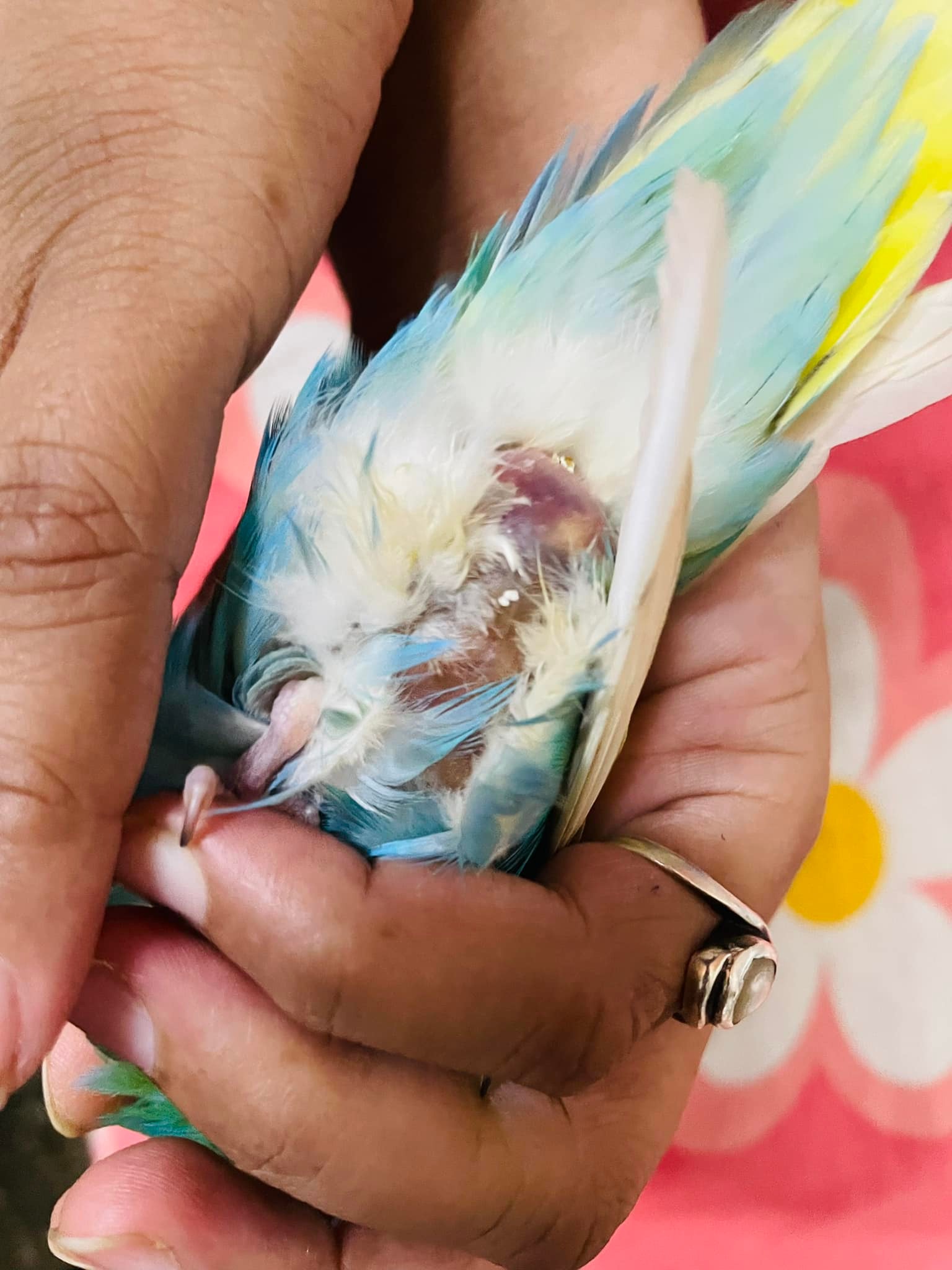
- The bird is sitting on the cage floor or on the lowest perch — unable to hold itself up normally
- A visibly swollen or distended lower abdomen
- Straining — visible effort with no result
- Loss of coordination or weakness in the legs
- Laboured breathing alongside the above
- The bird is unresponsive or barely responsive
Egg binding is a same-day emergency — not a wait-and-see situation. If you have a female budgie and you are seeing these signs, get to an avian vet immediately. Do not attempt to help the bird pass the egg yourself. Do not apply heat without veterinary guidance. Get professional help fast.
Egg binding is more common in females that have been exposed to hormonal triggers — long light hours, mirrors in the cage, nesting material. Keeping light hours to ten to twelve hours per day and removing mirrors significantly reduces the risk.
Cause 5: Night Fright
This is one of the less well-known causes of sudden budgie death, and it is worth understanding — particularly if your bird died overnight and you found it in an unusual position, or with feathers scattered across the cage floor.
Night fright is a sudden panic response triggered by a noise, a light, a shadow, or any unexpected stimulus during the night. The bird wakes abruptly, thrashes around the cage in the dark, can injure itself badly — and in some cases, the shock and physical trauma can be fatal. This is particularly true in older birds, birds that were already slightly unwell, or birds kept in small cages with nowhere to escape to.
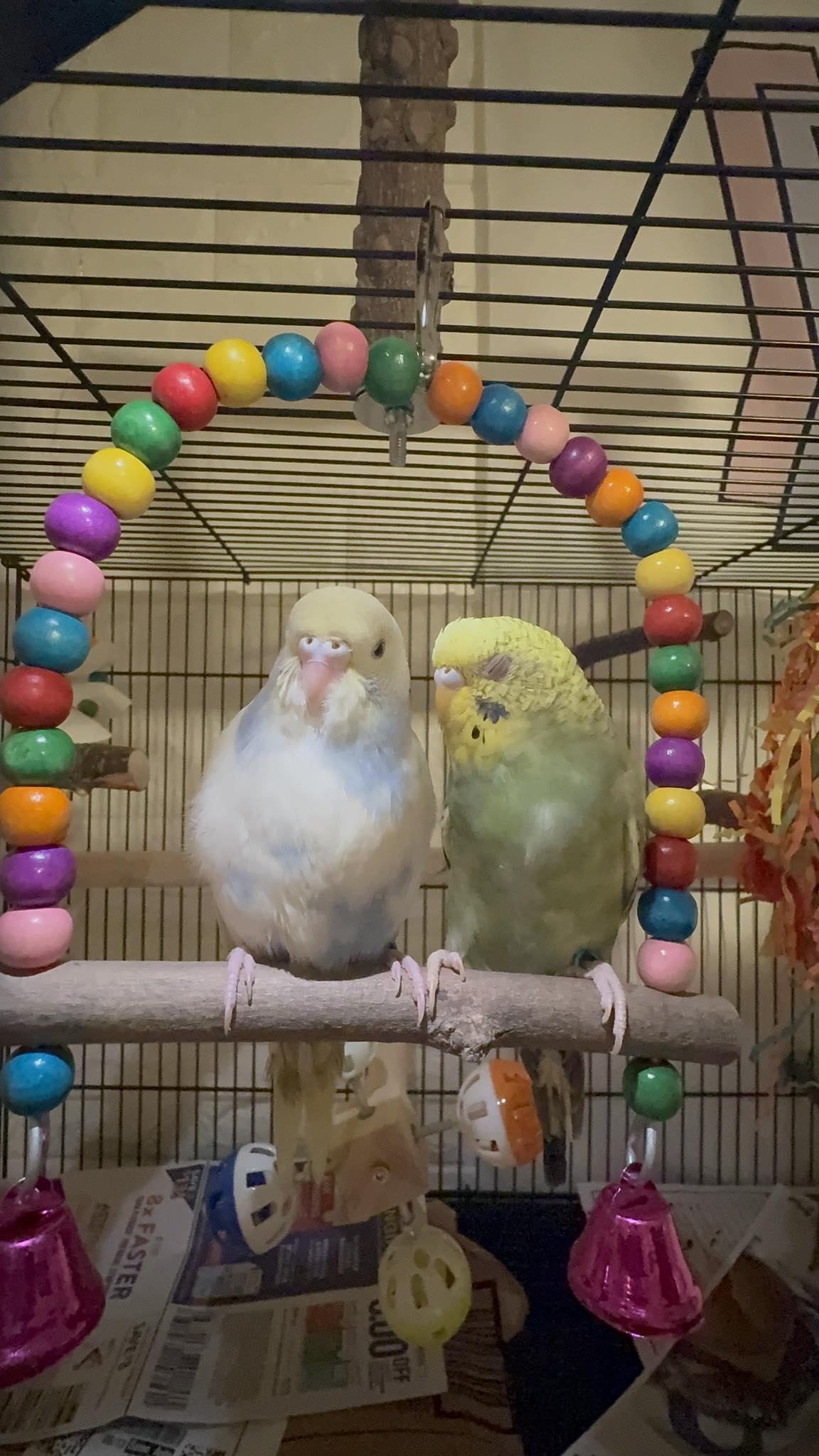
Signs that night fright occurred include feathers on the cage floor in the morning, the bird in an unusual position, blood from an injury, or obvious distress when you come to the cage in the morning.
The fix is simple and effective — a very low nightlight near the cage. Not a bright light. Just enough ambient light that if the bird wakes and panics, it can see where it is and calm itself. A plug-in nightlight on a low setting is all it takes. I have recommended this to owners for years and it works.
Cause 6: Airborne Toxins — Beyond Just Non-Stick
I covered non-stick cookware separately because it is the fastest-acting and most dramatic. But there is a broader category of airborne toxins that kill budgies more slowly — sometimes over days or weeks of exposure — and that owners frequently do not connect to the bird’s declining health.
- Scented candles and reed diffusers — chronic exposure causes ongoing respiratory damage. The bird does not die dramatically — it just slowly becomes quieter, less active, and more vulnerable to infection
- Plug-in air fresheners — same principle. The compounds released are too much for a small bird’s respiratory system over time
- Aerosol sprays of any kind — cleaning products, deodorants, hairspray, furniture polish. Never use these in a room where a budgie lives
- Cigarette and vape smoke — causes chronic respiratory damage and significantly shortens lifespan over months and years
- Carbon monoxide — a faulty boiler or gas appliance can be fatal to a bird long before it affects the humans in the house. A carbon monoxide alarm near the cage is not excessive — it is sensible
- New paint, varnish, or sealant — off-gassing from freshly decorated rooms can affect a budgie for days or weeks
The rule I give every owner is simple — if you would not want to breathe it yourself in a confined space, do not use it in a room where your budgie lives. These birds have respiratory systems roughly the size of a thumbnail. What feels like a light scent to you is overwhelming to them.
What the Warning Signs Actually Look Like — And How Early They Appear
This is the section I most want owners to read, because it is where the real difference is made. Not in treating advanced illness — in catching early illness before it becomes advanced.
- Sleeping slightly more than usual — even an extra hour during the day. This is the most commonly missed sign and one of the earliest
- Quieter than normal in the morning — a budgie that is subdued when the lights come on has something wrong
- Feathers very slightly raised — not dramatically fluffed, just a hair less flat than usual. Most owners notice this only with hindsight
- Sitting a little lower on the perch — or gripping differently, with both feet flat rather than properly curled
- Eating slightly less — not dramatically, just not quite as enthusiastically as usual
- Droppings slightly changed — a little wetter, a little different in colour, fewer than usual. Normal droppings are small, dark green, white centre, tiny amount of clear liquid
- Tail bobbing — even gently, even briefly. This is always worth acting on
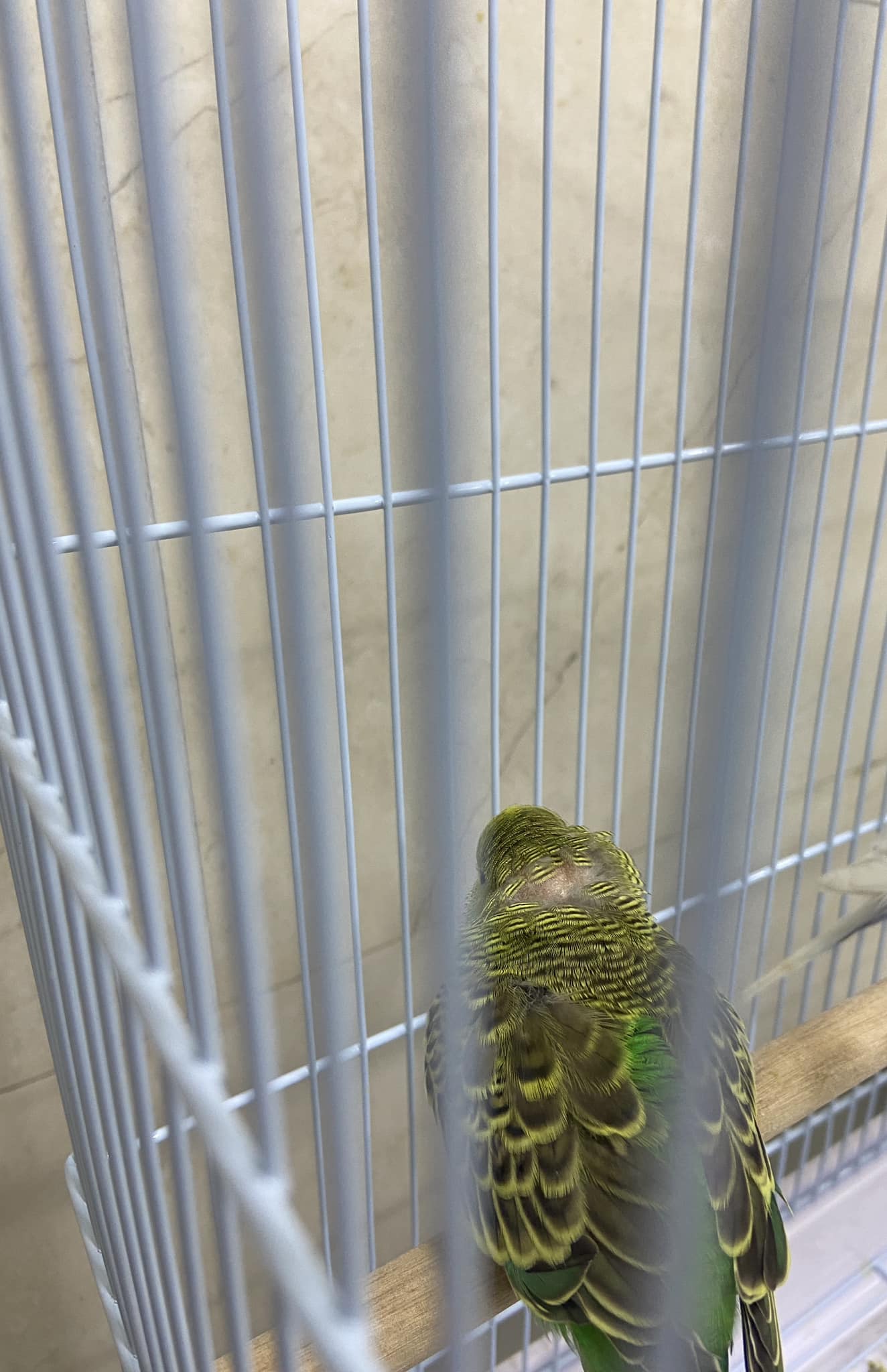
Not one of these signs on its own is cause for panic. But two or more together — or any one of them that is getting worse over a day or two — is a same-day vet visit, or at the very least a same-day call to someone who knows birds. The earlier you act, the more options there are.
What I Tell Owners After They Lose a Bird
When someone comes into the shop after losing a budgie — and they do, regularly, even after all these years — there is always a moment where they ask me the same question. Did I do something wrong?
And I always give them the same honest answer.
Sometimes the answer is yes — a sign was missed, a vet visit was delayed, the diet was wrong for years. But almost always, when I say that, I follow it with something else — you did not know. Nobody told you what the warning signs looked like. The bag of seed said it was sufficient. The pet shop did not mention the non-stick pans. The information was not there when you needed it.
That is the honest state of budgie keeping in the UK. The gap between what owners are told when they buy a bird and what they actually need to know is enormous. And birds die in that gap, week after week, in homes where the owner genuinely loved them.
If you are reading this after losing a bird — I am sorry. Please do not carry more guilt than is fair. And if you decide to have another bird, use what you know now. That knowledge is the best thing that can come from a loss.
A Practical Checklist — What To Change Today
If you have a budgie at home right now and you want to give it the best possible chance, here is the short version of what I would tell you to do.
| What To Do | Why It Matters | When |
|---|---|---|
| Remove all non-stick cookware | Eliminates the fastest-acting cause of sudden death | Today |
| Remove scented candles and diffusers | Eliminates chronic respiratory damage | Today |
| Add a low nightlight near the cage | Prevents night fright injuries and shock | Tonight |
| Fix the diet — add pellets and fresh veg | Prevents liver disease — the silent long-term killer | This week |
| Start daily morning observations | Catches changes early when they are still fixable | Starting tomorrow |
| Find an avian vet before you need one | When time matters, you cannot afford to search | This week |
| Act on warning signs the same day | The window in a small bird is short — use it | Every time |
Related Reading
Our article on what owners miss before a budgie dies suddenly covers the emotional side of this topic in more depth — including what to do if you have already lost a bird and whether to get another.
Our guide on the hidden signs of illness in budgies covers the early warning signs in more detail — with specific guidance on what to look for and when to act.
Our guide on budgie lifespan covers what actually determines how long a budgie lives — and what every owner can do to push that number higher.
Our article on the 5 mistakes UK budgie owners still make covers the diet and environment issues that sit behind the majority of preventable deaths in detail.
Frequently Asked Questions
What is the most common cause of sudden death in budgies?
In my experience, the two most common causes are non-stick cookware fumes and undetected illness that progressed rapidly. PTFE fumes from overheated non-stick pans can kill a budgie in minutes with no warning at all. Respiratory infections and other illnesses often look sudden but have been developing quietly for days — the bird hides the symptoms until it can no longer maintain the effort. Long-term liver disease from a seed-only diet is the most common cause of premature death overall, though it typically presents as a rapid decline rather than instant death.
Can a budgie die overnight from stress?
In extreme cases, yes. Night fright — a sudden panic response to a noise or light stimulus during the night — can be fatal, particularly in older birds or birds that were already slightly unwell. The physical trauma of thrashing around the cage in the dark, combined with the shock, can be enough to kill a vulnerable bird. A low nightlight near the cage significantly reduces this risk.
My budgie was fine yesterday and dead this morning — what happened?
The most likely causes, in order of frequency, are undetected illness that reached a critical point overnight, non-stick cookware fumes if cooking occurred the previous evening, night fright, or in females, egg binding. In almost every case, there were early warning signs in the days before — sleeping slightly more, quieter in the mornings, slightly fluffed, eating a little less. These signs are easy to miss, especially if you do not know what to look for. Our article on the warning signs owners miss before a budgie dies suddenly covers this in detail.
How do I know if my budgie died from PTFE poisoning?
PTFE poisoning is typically very fast — the bird may fall from its perch, have a brief seizure-like episode, and die within minutes. If you found your bird suddenly dead and there was non-stick cookware on the heat at any point during the previous hour or two, this is a strong possibility. There is no specific test that can confirm it after the fact in a home setting, but the circumstances usually make it fairly clear. Remove all non-stick cookware from your home if you plan to have another bird.
Could my air freshener have killed my budgie?
Chronic exposure to plug-in diffusers, scented candles, and aerosol air fresheners can cause progressive respiratory damage in budgies that weakens the immune system and makes the bird more vulnerable to illness. A single brief exposure is unlikely to be directly fatal, but sustained daily exposure over weeks or months can contribute significantly to a bird’s decline. If your bird has been gradually becoming quieter and less active and you have been using these products regularly, the connection is worth taking seriously.
Where can I get honest budgie advice in Swindon?
Come and see us at Paradise Pets, Manor Garden Centre, Cheney Manor, Swindon SN2 2QJ. Or give us a ring on 01793 512400. The advice is free and I have been doing this for over 35 years.
Worried About Your Budgie? Come And See Me
Bring your bird, bring a video, or just bring your questions. I will have a proper look and tell you honestly what I think. Free advice, no obligation. That is how we have done things for over 35 years.
⭐ Customer Reviews
Amazing Bird Selection
Had a lovley visit today,staff were very friendly and very helpful,such a great petshop,their selection of birds is incredible,really impressed,thank so much to the staff at Paradise Pets

Friendly Helpful Staff
I have been coming to this place for years and they have a great stock of food for all types of pets. Have a great selection of small mammals and a lot of birds. Staff are friendly and helpful.

Great Quality Hutch
Bought a guinea pigs hutch and run combo, very happy with the service, the hutch was put in my car for me without even asking for help. The wood quality is very good, the instructions easy to follow and we are extremely happy with the fully built hutch. A good size for 2 guinea pigs

Response from Paradise Pets | Wiltshire
Thank you Melanie Latus Nice to provide services to you.
Best Bird Shop Around
It’s the best pet shop in and around Swindon. They always have an amazing selection of birds and all you need to keep them happy. I keep birds myself and the guys there are happy to answer questions and really know their stuff. I have seen budgies etc. in chain pet shops in the area looking really unhealthy and ill – I wouldn’t go anywhere else than Paradise Pets for animals.

Highly Recommended Bird Shop
I could not praise this shop enough. Really helped my Grandson buy his first bird and he’s loving it. Travelled from Somerset and was welcomed with open arms.

Great Shop with Competitive Prices
Great shop with amazing selection for small animals, hamsters, mice ect, highly recommend!
Also has a great selection for dogs & cats too & very competitive prices! 💖

