


It’s one of the most common conversations I have at the counter. A parent comes in, one or two children in tow, and says: “We want a small pet. Something easy. What do you think — hamster or gerbil?”
And then they wait for me to say “hamster” or “gerbil.”
But the honest answer is a bit more complicated than that. Because hamsters and gerbils are not simply two versions of the same thing. They have genuinely different temperaments, different needs, and different relationships with time — which matters quite a lot when children are involved.
Let me explain what I mean.
The First Thing Nobody Tells You About Hamsters
Hamsters are nocturnal. Properly, genuinely nocturnal. They sleep most of the day, and they wake up in the evening — often quite late in the evening.
This sounds like a small thing. It is not a small thing.
A child who is excited about their new hamster comes home from school at half three, goes straight to the cage, and finds their hamster asleep. They try to wake it up. The hamster — disoriented and annoyed at being disturbed mid-sleep — bites. The child is upset. The parent calls me.
I’ve had some version of this conversation dozens of times over the years.
It isn’t the hamster’s fault. It isn’t the child’s fault. It’s just a fundamental mismatch between the animal’s natural rhythm and a child’s after-school schedule.
Hamsters can be wonderful pets. They’re clean, they’re contained, they don’t need much space. But they are best suited to older children or adults who understand that the relationship happens on the hamster’s schedule, not theirs.
What Gerbils Do Differently
Gerbils are active during the day. Not exclusively — they sleep in short bursts and wake frequently — but a child coming home from school at half three genuinely has a reasonable chance of finding their gerbils awake, running, digging, playing.
That difference sounds small. For a child, it’s enormous.
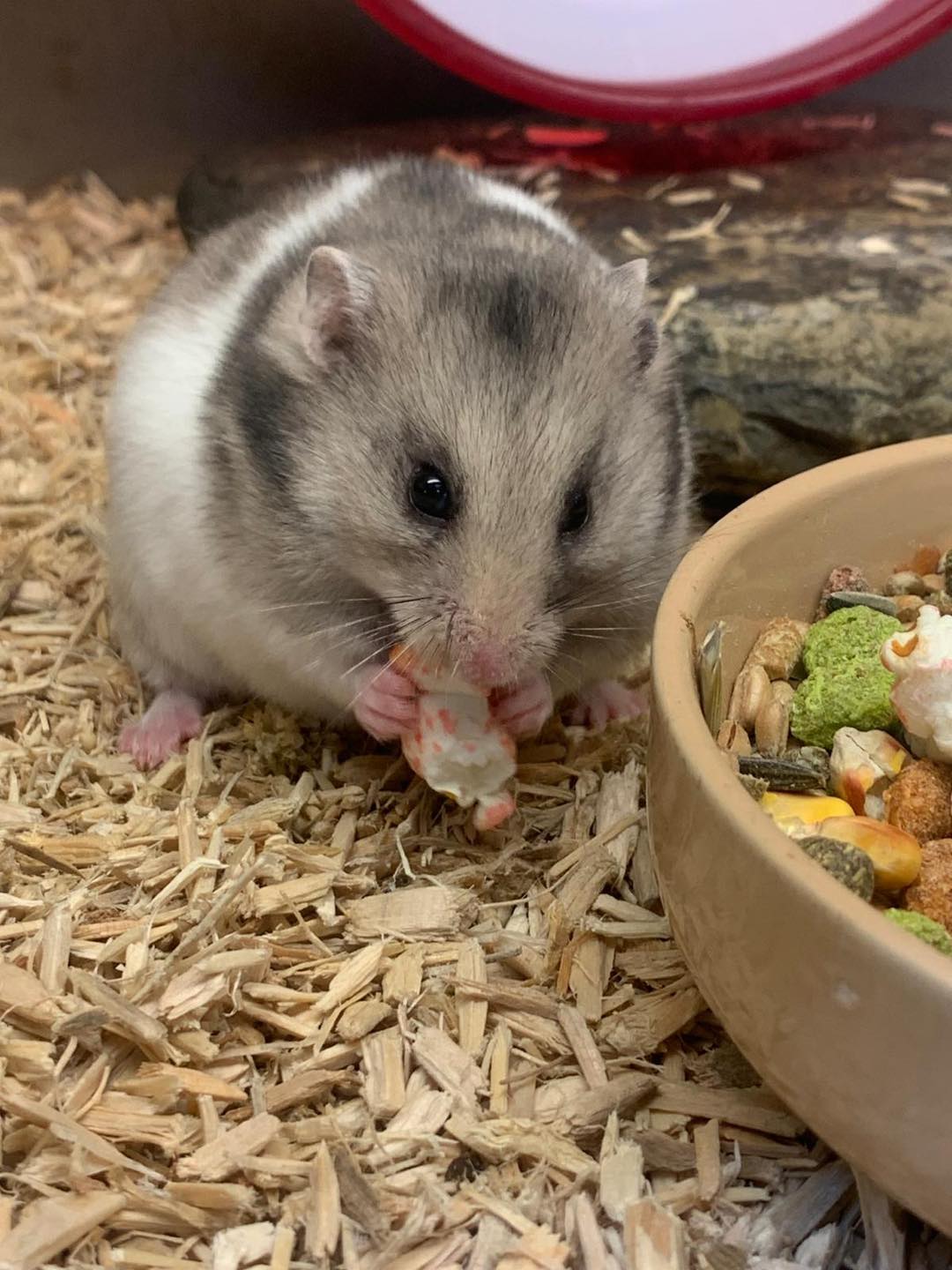
Gerbils are also social in a way that hamsters simply aren’t. Hamsters are solitary animals — you should never keep two adult hamsters together, as they will fight. Gerbils, by contrast, need company. You should always keep them in pairs or small groups.
This means from day one, a child with gerbils is watching two animals interact — grooming each other, sleeping in a pile, playing. That’s a richer experience than watching a solo hamster sleep.
Gerbils are also less likely to bite than hamsters when startled, which matters with younger children who don’t always have the most careful hands.
Where Hamsters Win
None of this means gerbils are the better pet in every situation. Hamsters have real advantages.
They’re more independent. A hamster in a well-set-up cage is largely self-sufficient during the day — it has its wheel, its food, its nesting material, and it’s content. This suits a household where everyone is out during the day and not able to check in on an animal.
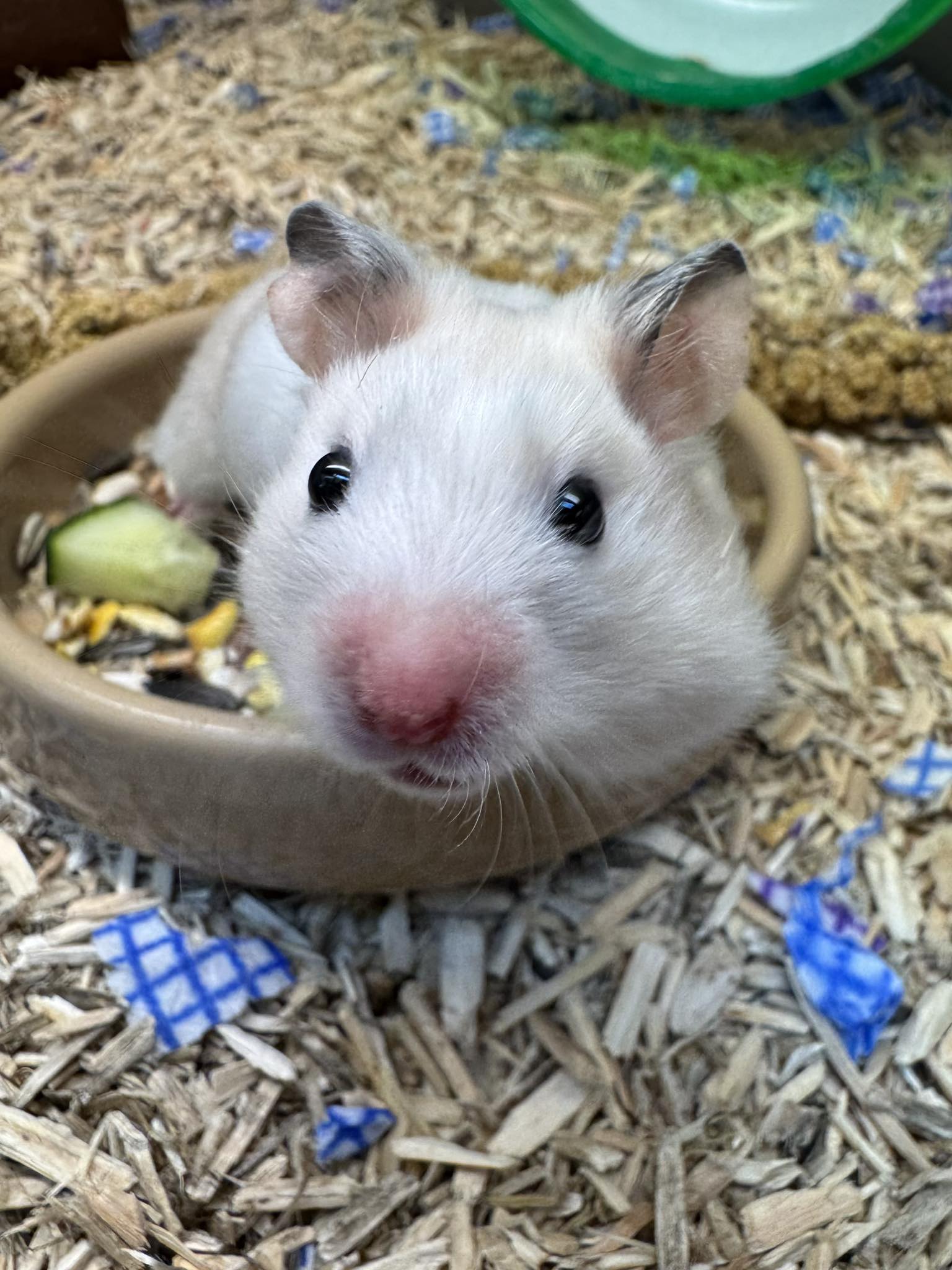
Syrian hamsters in particular can become very tame with patient, consistent handling. A Syrian that has been handled gently from a young age can be genuinely affectionate — happy to sit in a hand, happy to be held. The key word is patient. You earn that trust over weeks, not days.
Hamsters also tend to be slightly easier to house. A gerbil’s natural instinct is to dig — deep, elaborate tunnels — which means they need more depth in their enclosure and more bedding. A hamster is happy with a good-sized cage and a wheel.
The Question I Always Ask Parents
When a family comes in undecided, I ask one question: what time do your children get home from school, and what time do they go to bed?
If the answer is that the children are home by four and in bed by eight, that’s a four-hour window. A hamster, which becomes active around eight or nine in the evening, may barely overlap with that window. The children will largely have a pet they can’t interact with.
If the children are older — ten, eleven, twelve — and stay up later, hamsters become a more viable choice. An older child can appreciate the hamster on its own terms, understand why it sleeps during the day, and enjoy the interaction that does happen.
For younger children, or for families where the evening routine is busy, gerbils are almost always the better fit.
What We Stock at Paradise Pets
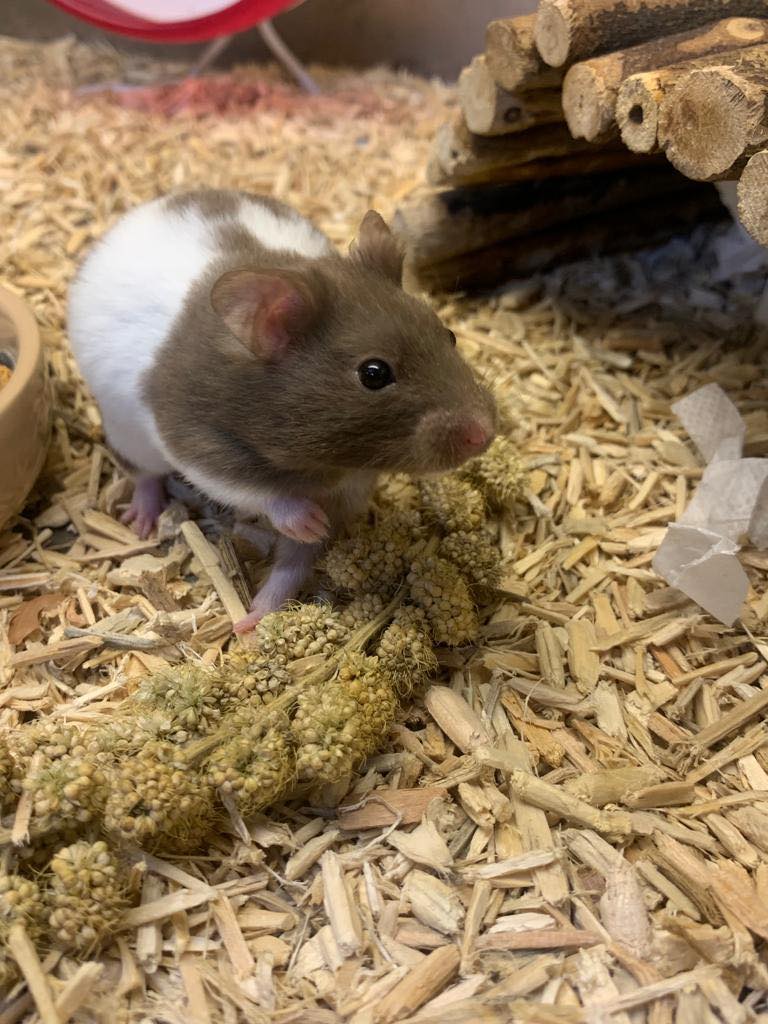
We keep gerbils and hamsters in stock regularly, alongside our guinea pigs and rabbits. Availability changes, so it’s always worth calling ahead or dropping in to see what we have.
When you come in, don’t just look at the animals — ask us about them. We can tell you which ones have been handled, which are more confident, which might suit a quieter home versus a busier one. That kind of match-making is something we take seriously. It’s the difference between a pet that becomes part of the family and one that spends six months ignored in the corner of a bedroom.
One Final Thing
Whichever you choose, buy the right setup from the start. The most common mistake I see is people buying a cage that’s too small — the colourful plastic ones that look impressive in the shop but give the animal almost no room to move.
For hamsters: a wheel is not optional. It is essential. A hamster without a wheel is a hamster that will pace, stress, and deteriorate. The wheel should be solid-surfaced — not barred — and big enough that the hamster runs with a straight back, not arched.
For gerbils: depth. They need to dig. At least 20-30cm of bedding, ideally more. A tank-style enclosure works better than a barred cage for this reason.
We sell appropriate setups in store and we’re happy to show you exactly what you need before you commit to anything. Come and see us at Manor Garden Centre, Cheney Manor, Swindon, or give us a ring on 01793 611200.
Neil has owned and run Paradise Pets Swindon since 1988. For advice on any small animal, we’re here every day of the week.
