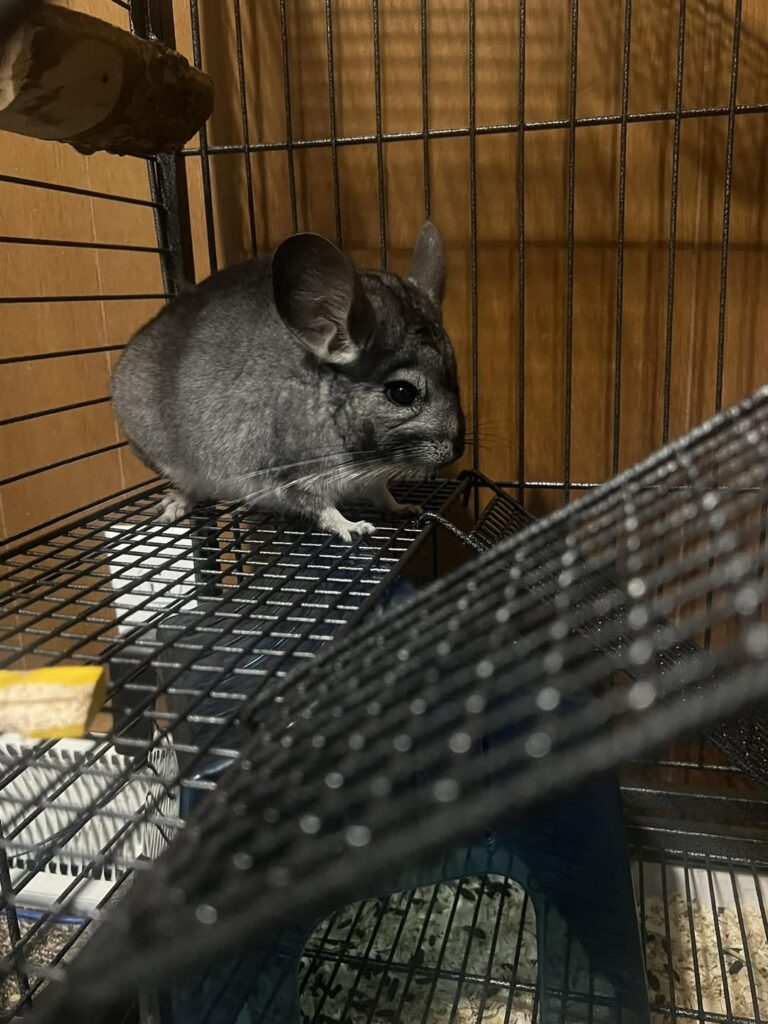

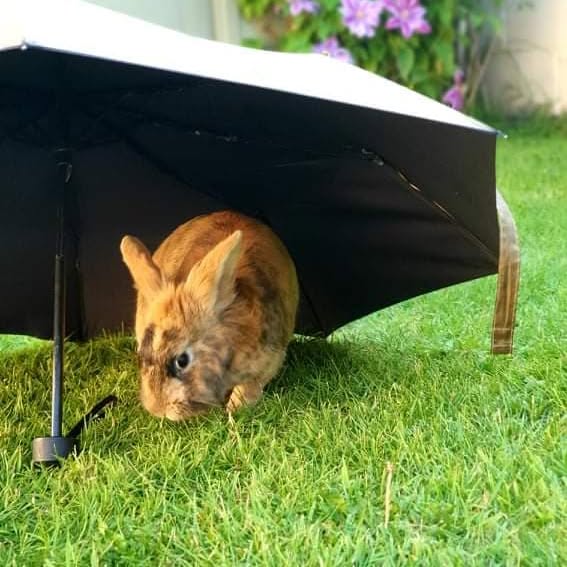
Recent UK pet heat warnings have focused on small animals because rabbits, guinea pigs and chinchillas can go downhill quickly when a room, hutch or shed gets too hot.
The dangerous part of small-pet heat stress is that it does not always start with drama. A rabbit may just sit still. A guinea pig may seem quieter than usual. A chinchilla may stop moving around in the way the owner expects.
That quiet change is exactly why this matters for families in Swindon. In the shop, Neil often reminds owners that small animals are prey animals. They are very good at hiding weakness until they cannot hide it any longer.
Why This Is Getting Attention Now
Blue Cross and veterinary publications have warned again this summer that small animals are easily overlooked in heat. The risk is higher in hutches, sheds, conservatories, sunny bedrooms and poorly ventilated rooms.
A pet can have water and still be too hot. Water helps, but it does not fix direct sun, stale air, trapped heat or a hutch that has lost shade during the afternoon.
The Quick Owner Check
- Stillness
A pet that is unusually quiet, stretched out or reluctant to move needs attention. - Breathing
Fast breathing, open-mouth breathing, drooling or weakness are urgent warning signs. - Room temperature
Check the actual room, shed or hutch temperature, not just the weather forecast. - Shade movement
A shaded run at 10am may be in direct sun by 2pm. - Food and droppings
A sudden drop in eating or droppings is a serious sign in rabbits and guinea pigs.
What To Do Today
- Move first
Move the pet to a cooler, ventilated, shaded place before trying small tricks. - Add airflow
Use safe airflow around the room, without blasting a pet directly with cold air. - Offer water
Give fresh water and check bottles are working, but do not force water into the mouth. - Use cool surfaces
A wrapped cool pack or chilled tile can help, if the pet can move away from it. - Call a vet
If the pet is weak, collapsed, breathing badly or not eating, contact a vet urgently.
What Owners Often Get Wrong
The biggest mistake is thinking a quiet pet is a relaxed pet. In hot weather, quiet can mean the animal is conserving energy because it is struggling.
The second mistake is leaving a hutch in the same place all day. Shade moves, and hutches can trap heat even when they look protected from a distance.
When This Becomes Urgent
Treat weakness, collapse, open-mouth breathing, blue gums, seizures, severe drooling or refusal to move as urgent. Do not try to cool an animal so aggressively that it goes into shock.
If you are unsure, phone a qualified vet. Heat illness can move faster than owners expect.
Neil’s Honest Advice
Neil’s practical rule is simple: in hot weather, check small pets before you check your phone. Look at the pet, the water, the shade and the airflow.
For rabbit, guinea pig, hamster or chinchilla setup advice, bring a photo of the hutch, cage or room to Paradise Pets and Neil can help you spot the weak points.
Need a safer summer setup?
Paradise Pets Swindon can help with water bottles, bowls, bedding, hide placement and practical cooling ideas for small pets.