
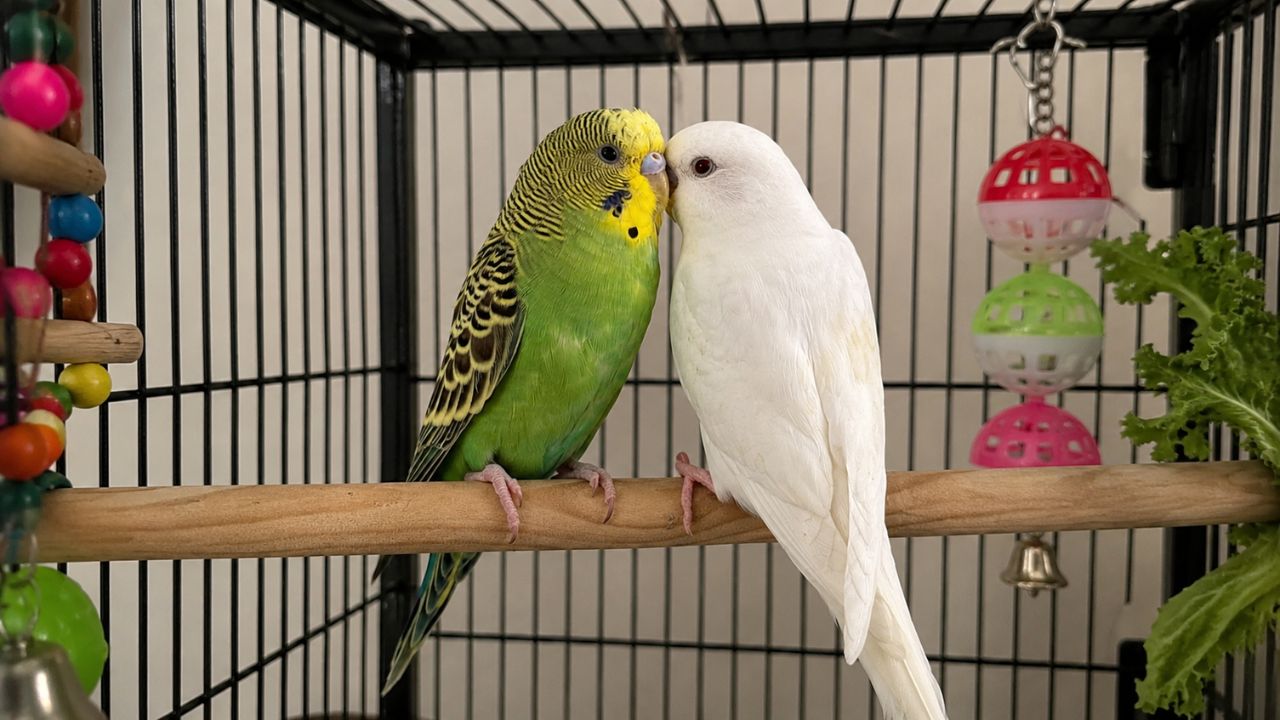

Neil has kept, bred, and sold budgies at Paradise Pets Swindon since 1988 — nearly 35 years of first-hand experience with these birds. In that time, he has watched budgies thrive well into their teens and seen others not make it past two. This article is his honest guide to what actually determines how long a budgie lives — and what you can do about it.
A woman came into the shop about three months ago. She had a budgie called Gerald — a bright yellow male she had bought from us eleven years earlier. Gerald was still going. Still chirping every morning. Still investigating everything in his cage with the same curiosity he had shown as a young bird. She had come in to buy him some new toys, and she was quietly, genuinely proud of him.
I told her she had done an excellent job. Because eleven years for a budgie in a UK home is not common. It is not impossible — I have seen budgies reach fourteen or fifteen with the right care — but it does not happen by accident. It happens because someone paid attention, got the diet right, caught problems early, and gave the bird a life that suited it.
Then I think about the other end of the scale — the budgies that come in at two or three years old, already unwell, already showing the signs of liver disease that started on a seed-only diet from the day they came home. The ones that do not make it to five. Those conversations are the hardest ones I have.
The difference between Gerald at eleven and a budgie that does not make it past three is almost never luck. It is almost always care. And that means it is almost always within an owner’s control — if they know what to do.
That is what this article is about.
So — How Long Do Budgies Actually Live?
Let me give you the honest answer rather than the one that sounds reassuring.
The average budgie kept as a pet in the UK lives somewhere between five and eight years. That is the realistic middle ground — what you might expect from a bird that has been reasonably well cared for, fed a decent diet, and not exposed to anything particularly harmful.
But that average conceals an enormous range. At one end, budgies that have been kept on seed-only diets, in small cages, without proper veterinary care, often do not make it past four or five. At the other end, budgies that have been given the right diet, the right environment, and attentive owners who catch problems early regularly reach ten, twelve, even fourteen years.
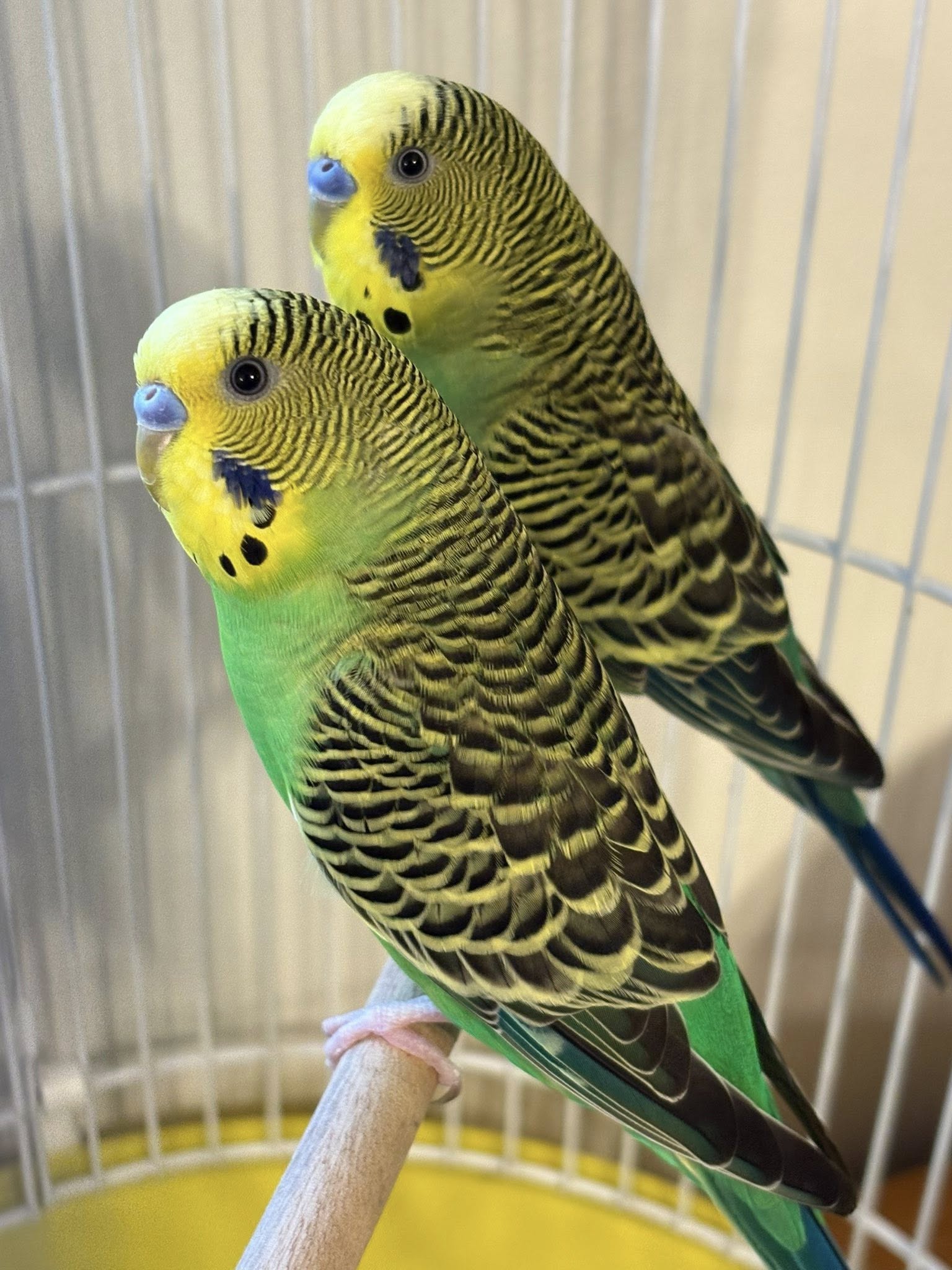
Wild budgies in Australia, where they originate, can live five to eight years in the wild — but they live very different lives to a pet budgie in a UK living room. The comparison is interesting but not especially useful for understanding what determines lifespan in captivity.
What is useful is understanding what actually shortens — and extends — a budgie’s life in a home environment. Let me be direct about both.
What Shortens a Budgie’s Life — The Honest List
These are the things I see most commonly behind budgies that die younger than they should. I am going to be direct about all of them, because I think you deserve honest information rather than vague reassurance.
1. The Seed-Only Diet — Still the Biggest Killer
I have written about this in other articles and I will keep writing about it until it stops being the most common problem I see — because it is, by a significant margin, the leading cause of premature death in UK budgies.
A budgie on a seed-only diet is developing fatty liver disease. Slowly, silently, without obvious symptoms for the first two or three years. The liver accumulates fat. It becomes less able to process toxins, metabolise nutrients, and support the immune system. And at some point — often around three to five years old — the liver can no longer cope, and the bird deteriorates rapidly.
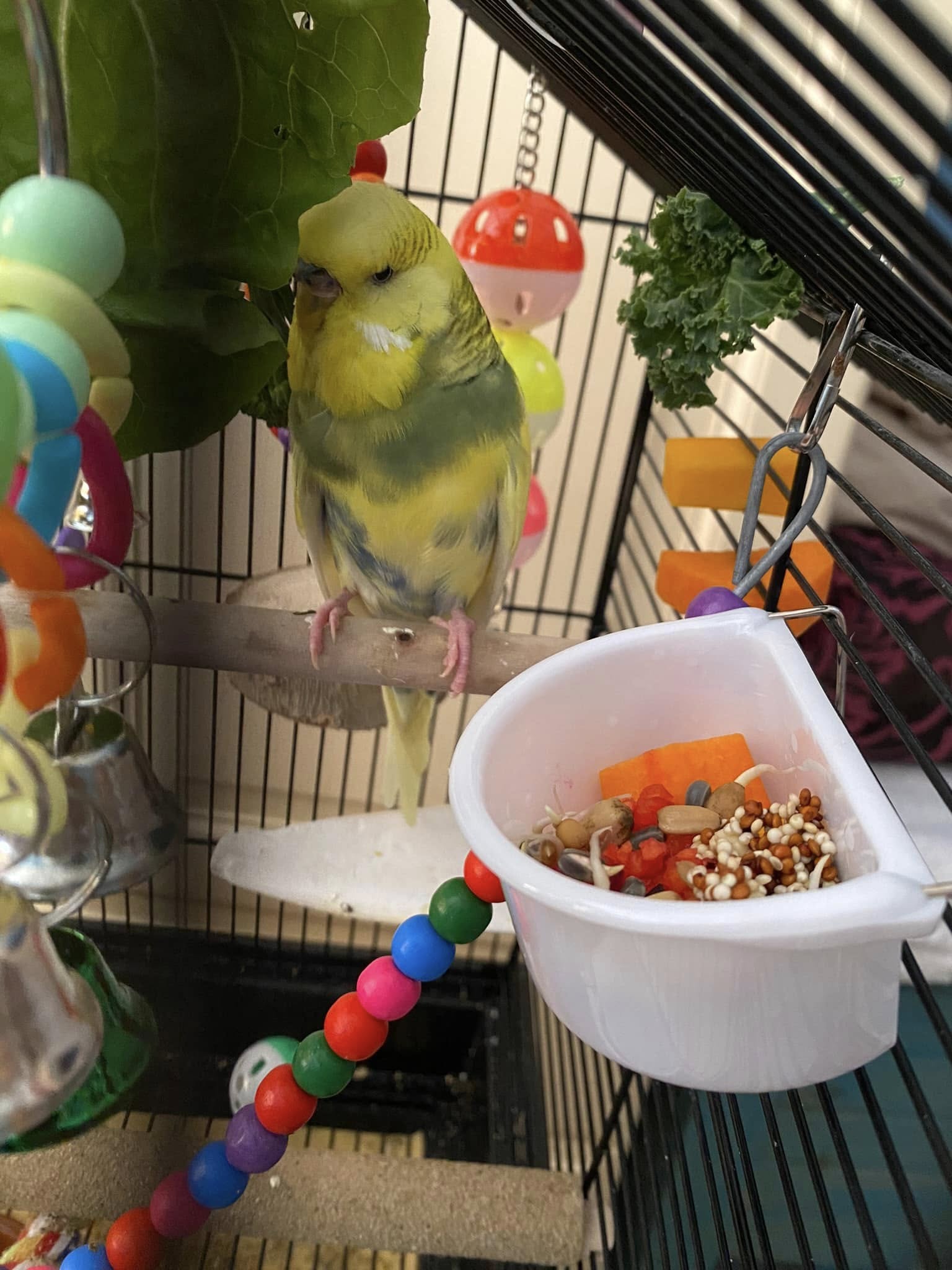
The cruelty of it is that the bird looks fine for years. The owner has no idea anything is wrong. And by the time the symptoms appear, the damage is already severe.
A varied diet — good quality pellets, fresh vegetables daily, limited seed — is the single most powerful thing you can do to extend your budgie’s life. I cover this in detail in our article on the 5 mistakes UK budgie owners still make. If you are still feeding seed only, please read it today.
2. A Cage That Is Too Small
A budgie kept in a small cage — the kind sold as a starter package in most UK pet shops — is a budgie that cannot exercise properly. It cannot fly. It cannot stretch its wings. It spends its entire life hopping between two perches.
The physical consequences are real. Muscle wastage. Obesity, which compounds the liver problems from a poor diet. Respiratory issues. A bird that is not physically active is a bird whose body is not working the way it should — and that shortens life.
The minimum cage size I recommend for a single budgie is 60cm wide by 40cm deep by 50cm tall. For a pair, bigger again. And wider is always more important than taller — budgies fly horizontally.
3. Loneliness and Chronic Stress
This one is harder to quantify, but after nearly 35 years I have no doubt about it — single budgies, kept without companionship and without adequate stimulation, live shorter lives than budgies that are properly socialised.
Chronic stress affects the immune system. A perpetually stressed bird is a bird whose body is working harder than it should just to maintain baseline function. It is more susceptible to infections. It is less able to recover from illness. And the quiet, constant stress of a socially deprived life takes its toll over years.
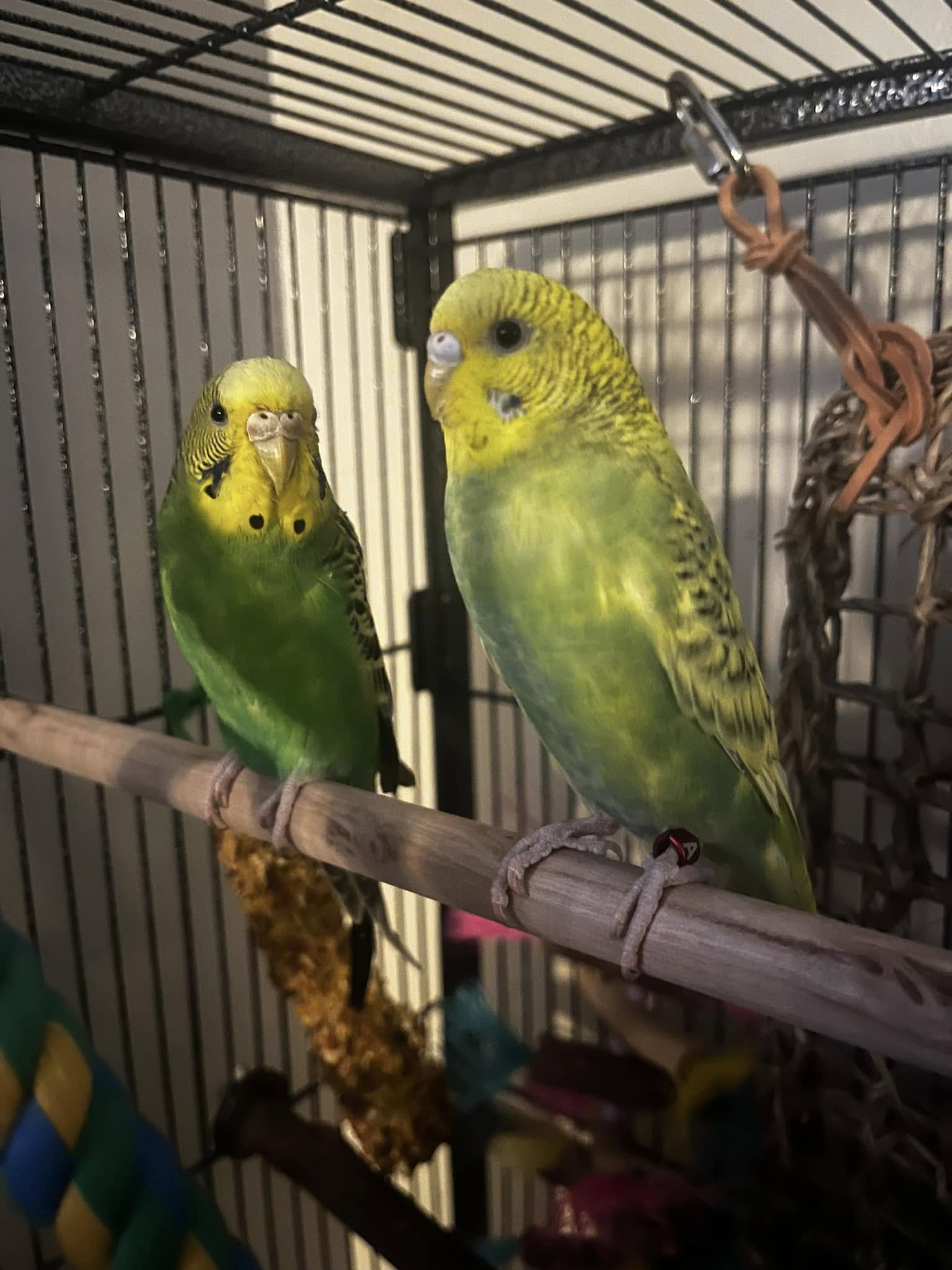
Two budgies, kept together properly, live longer on average than single birds. That is not my opinion — it is what I have observed over nearly 35 years, and it is consistent with what the research on social animals more broadly shows.
4. Household Toxins
Budgies have extraordinarily sensitive respiratory systems. Overheated non-stick cookware releases fumes that can kill a budgie within minutes. Scented candles, aerosol sprays, cleaning products, cigarette smoke, and vape smoke all cause chronic respiratory damage that shortens lifespan even when they do not cause immediate harm.
This is not a theoretical risk. It is something I hear about regularly. A budgie in a home where non-stick pans are used regularly, where plug-in air fresheners are running, where someone smokes — that bird’s lungs are under constant low-level assault. The cumulative effect over years is significant.
5. Missed Health Problems
Budgies hide illness. By the time a budgie looks visibly unwell, it has often been unwell for days or weeks. An owner who does not know what early warning signs look like, who waits until the bird is obviously sick before acting, will consistently miss the window for early intervention.
I cover the warning signs in detail in our article on what owners miss before a budgie dies suddenly and our guide on the hidden signs of illness in budgies. Please read both — knowing what to look for and acting on it early is one of the most reliable ways to extend a budgie’s life.
What Extends a Budgie’s Life — What Actually Works
Right. Enough about what shortens it. Here is what I have consistently seen make the difference in budgies that live long, healthy lives.
1. A Proper Varied Diet From Day One
I cannot overstate this. The diet is the foundation of everything. A budgie that has been on a varied diet — pellets, fresh vegetables, limited seed — since it came home has a fundamentally different health trajectory to one that has been on seed only.
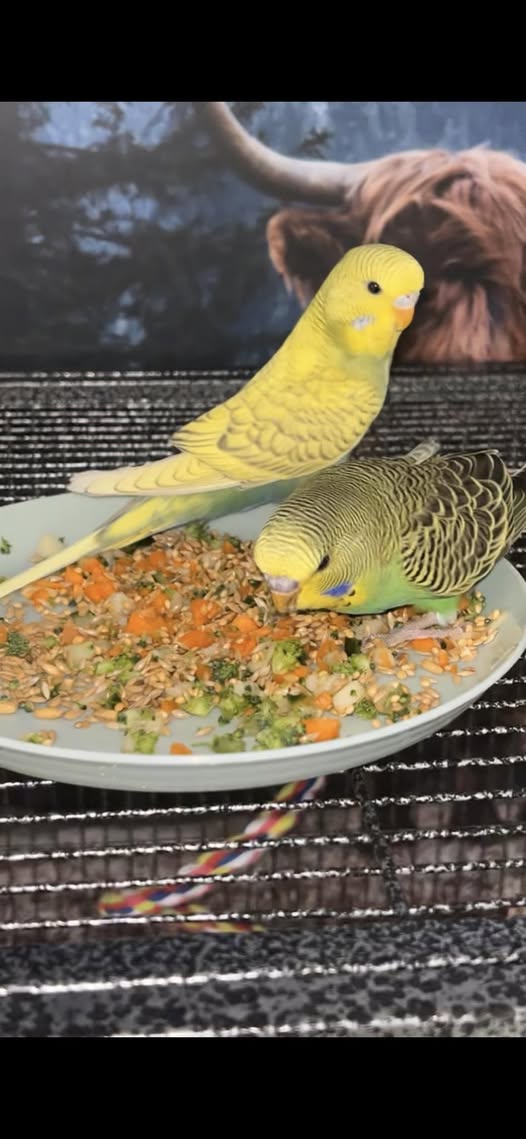
Here is what I recommend to every owner — roughly half good quality pellets, around a third fresh vegetables daily (kale, broccoli, carrot tops, spinach in small amounts, dandelion leaves), a small amount of fresh seed, and occasional fruit as a treat. Water changed daily. Cuttlefish available at all times for calcium.
If your bird has been on seed only for years, do not switch everything overnight — they will refuse to eat anything unfamiliar. Introduce new foods slowly, alongside what they already know. It takes weeks, sometimes months. That is fine. Start today.
2. A Proper Sized Cage With Regular Out-of-Cage Time
A bird that can fly properly, exercise its muscles, and engage with its environment is a healthier bird. The cage needs to be wide enough for actual flight — not just perch-to-perch hopping. And out-of-cage time, supervised, in a safe environment, gives the bird the physical activity and mental stimulation it needs.
Twenty minutes a day of proper out-of-cage flight makes a noticeable difference to a budgie’s physical condition over months and years.
3. A Companion Bird
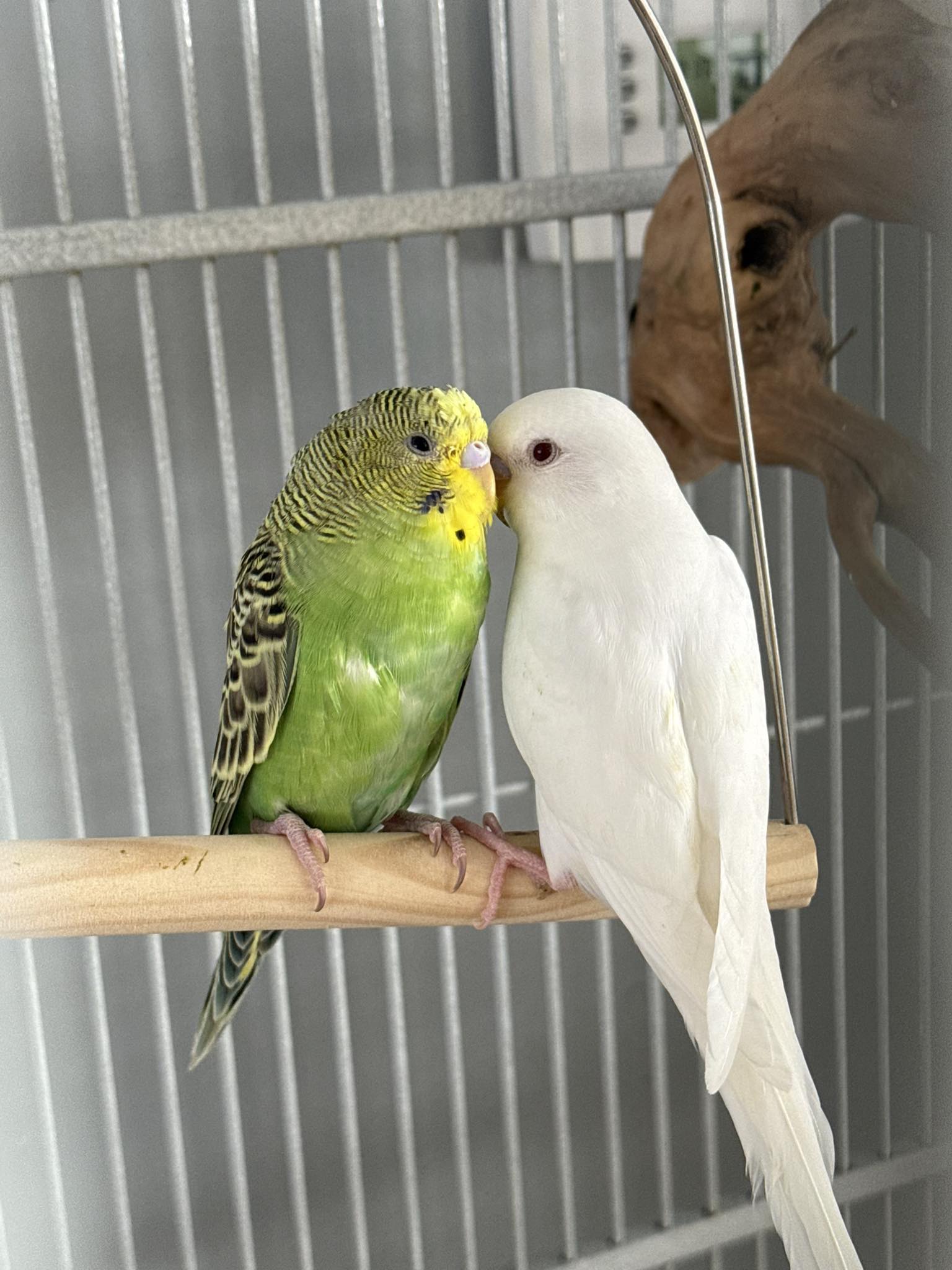
Two budgies, introduced properly and kept together well, are measurably better off than one budgie kept alone. They engage with each other. They preen each other. They sleep close together. The social interaction keeps them mentally stimulated and physically active in ways that an owner — however attentive — simply cannot replicate.
If you have a single budgie, seriously consider getting it a companion. I know it feels like a big step. In my experience, it is one of the most reliably positive changes an owner can make for their bird’s long-term health.
4. Daily Observation and Early Action
The owners whose budgies live longest are not the ones who do everything perfectly. They are the ones who watch their birds every day, know what normal looks like, and act the moment something seems even slightly off.
A thirty-second observation every morning — is the bird alert, is it eating, how do the droppings look, is it behaving normally — takes almost no time and catches problems at the two-day mark rather than the two-week mark. That window makes an enormous difference in outcomes.
5. A Good Avian Vet, Found Before You Need One
Not all vets have strong bird experience. Finding an avian vet or a practice with good exotic animal knowledge before something goes wrong means that when you do need to act quickly, you are not spending precious time searching.
An annual health check for a budgie is worth considering — a vet can often spot early signs of liver disease, dental problems, or other issues before they become serious. Prevention and early detection are far more effective than treating advanced illness.
Does Breed or Colour Affect Lifespan?
This is something owners ask me occasionally, and I want to give an honest answer.
The standard budgerigar — the type most commonly sold in UK pet shops — comes in a wide range of colour mutations, but these colour variations do not significantly affect lifespan in themselves. A yellow budgie and a green budgie, kept in identical conditions, will live similar lengths of time.
There is some evidence that the English show budgie — the larger, rounder type bred for exhibitions — may have a slightly shorter average lifespan than the standard type, partly due to the health implications of selective breeding for specific physical traits. But for the vast majority of UK pet owners keeping standard pet budgies, colour and type are not significant factors in lifespan.
What matters is care. It is almost always care.
How To Tell How Old Your Budgie Is
This is another question I get regularly, and it matters — because knowing roughly how old your bird is helps you understand what stage of life it is in and what to expect.
- Under four months — bar markings on the forehead extend down to the cere (the fleshy area above the beak). The eyes are fully dark with no visible iris ring. The bird has not yet had its first moult.
- Four to six months — first moult occurs. Bar markings recede above the first row of spots. The iris begins to develop — a light ring becomes visible around the pupil.
- Six months to a year — adult plumage is established after the first moult. The iris ring is clearly visible. The cere colour develops fully — blue in males, brown or beige in females.
- One year and older — harder to tell precisely. Older birds may show slight changes in feather condition, cere texture, and occasionally leg scale appearance. An avian vet can give a more precise estimate.
If you bought your bird from a reputable breeder or a shop that rings their birds, the ring date will tell you the year of birth. At Paradise Pets we can help you read a ring if you bring the bird in.
What I Tell Owners Who Ask How Long Their Budgie Will Live
When someone stands at my counter and asks me this question — and they do, regularly — I give them the honest answer.
I tell them that a budgie with the right diet, the right cage, a companion, daily observation, and an owner who acts quickly when something seems off can realistically expect to reach ten years or more. I have seen it happen many times.
I also tell them that a budgie on seed only, in a small cage, kept alone, with an owner who waits until the bird is obviously sick before acting, will probably not make it to five. I have seen that far too many times as well.
The difference is not money. It is not time, particularly. It is knowledge and attention. Both of which any owner can have, starting today, if they want them.
What To Do Right Now
If you have read this and realised there are things you could be doing better — here is the practical summary.
| What To Change | Why It Matters | When To Start |
|---|---|---|
| Introduce pellets and fresh veg | Prevents liver disease — the biggest lifespan killer | This week |
| Upgrade the cage if needed | Proper exercise extends healthy years significantly | Within a month |
| Consider a companion bird | Social animals live longer with proper companionship | When ready, planned properly |
| Remove non-stick cookware | Eliminates a serious respiratory toxin from the environment | Today |
| Start daily thirty-second observations | Catches problems early, when they are still treatable | Starting today |
| Find a good avian vet | Early detection and fast action when needed | This week |
Frequently Asked Questions
How long do budgies live as pets in the UK?
The average is five to eight years with reasonable care. With excellent care — the right diet, the right environment, a companion bird, and attentive daily observation — budgies regularly reach ten to twelve years, and some reach fourteen or fifteen. The range is wide, and care is the biggest factor within an owner’s control.
Why did my budgie only live two or three years?
The most common cause of early death in budgies is fatty liver disease from a seed-only diet. This develops silently over the first two to four years and can cause rapid deterioration once the liver can no longer cope. Other causes include undetected illness that progressed too fast, toxic exposure — particularly from overheated non-stick cookware — and in some cases, an underlying health condition present from birth. If your budgie died young, it is rarely because of something obvious — the causes are usually the quiet, gradual ones.
Do female budgies live longer than males?
There is no consistent, reliable evidence that one sex lives significantly longer than the other in domestic budgies. Individual variation in care, diet, and environment far outweighs any sex-based difference in lifespan. A female budgie that lays eggs chronically, however, is at greater health risk — chronic egg-laying depletes calcium and puts significant strain on the body.
Does having two budgies mean they live longer?
In my experience, yes — paired budgies generally live longer than single birds. The social interaction keeps them mentally stimulated and physically active. The chronic low-level stress of isolation affects the immune system over time. Two budgies, introduced properly and housed together well, is the setup that gives both birds the best chance of a long life.
At what age is a budgie considered old?
I would say a budgie over seven or eight years old is entering its senior years, though this varies depending on the individual bird and the quality of care it has received. An older budgie may sleep a little more, be slightly less active, and have a smaller appetite. Regular vet checks become more important at this stage — catching age-related conditions early makes a significant difference to quality of life in the later years.
Where can I get honest budgie advice in Swindon?
Come and see us at Paradise Pets, Manor Garden Centre, Cheney Manor, Swindon SN2 2QJ. Or give us a ring on 01793 512400. The advice is free and I have been doing this for nearly 35 years.
Want To Give Your Budgie the Best Possible Life? Come And See Me
Bring your bird, bring a video, or just bring your questions. I will have a proper look and tell you honestly what I think. Free advice, no obligation. That is how we have done things for nearly 35 years.
⭐ Customer Reviews
Amazing Bird Selection
Had a lovley visit today,staff were very friendly and very helpful,such a great petshop,their selection of birds is incredible,really impressed,thank so much to the staff at Paradise Pets

Friendly Helpful Staff
I have been coming to this place for years and they have a great stock of food for all types of pets. Have a great selection of small mammals and a lot of birds. Staff are friendly and helpful.

Great Quality Hutch
Bought a guinea pigs hutch and run combo, very happy with the service, the hutch was put in my car for me without even asking for help. The wood quality is very good, the instructions easy to follow and we are extremely happy with the fully built hutch. A good size for 2 guinea pigs

Response from Paradise Pets | Wiltshire
Thank you Melanie Latus Nice to provide services to you.
Best Bird Shop Around
It’s the best pet shop in and around Swindon. They always have an amazing selection of birds and all you need to keep them happy. I keep birds myself and the guys there are happy to answer questions and really know their stuff. I have seen budgies etc. in chain pet shops in the area looking really unhealthy and ill – I wouldn’t go anywhere else than Paradise Pets for animals.

Highly Recommended Bird Shop
I could not praise this shop enough. Really helped my Grandson buy his first bird and he’s loving it. Travelled from Somerset and was welcomed with open arms.

Great Shop with Competitive Prices
Great shop with amazing selection for small animals, hamsters, mice ect, highly recommend!
Also has a great selection for dogs & cats too & very competitive prices! 💖

